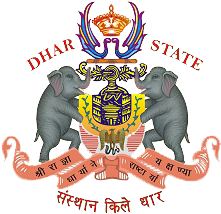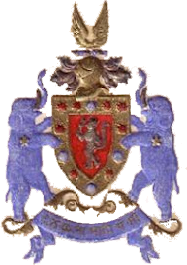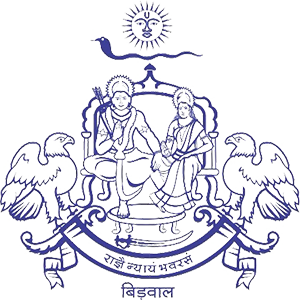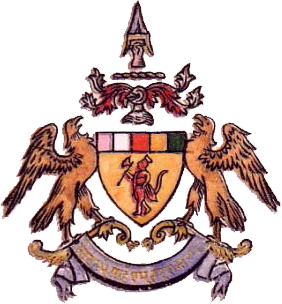
The Coat of Arms of Ratlam is the heraldic emblem of a princely state in the Central India & Malwa region (present-day Madhya Pradesh). It represents the lineage, authority and identity of the ruling house that held it.
Ratlam was founded in 1652 by Raja Ratan Singh Rathore and grew into an important trading centre of Malwa.
The ruling family belonged to the Rathore line. Clan identity is often reflected in the choice of emblems on the shield, crest and supporters.
History of the Emblem
European-style armorial bearings for the Indian princely states were largely formalised for the Imperial Assemblage held at Delhi in 1877, when banners bearing the arms of each state were presented to the rulers. The designs blended traditional Indian symbols – the sun and moon of the Suryavanshi and Chandravanshi lines, family deities, sacred animals, weapons and regalia – with the structure of Western heraldry. As a 13-gun salute state, Ratlam held a recognised place in the precedence of the princes of India. These arms remained in official use on seals, coins, stamps, buildings and state documents until the princely states acceded to India and Pakistan after 1947.
Reading the Coat of Arms
A typical Indian royal coat of arms is made up of a few traditional elements:
- Shield (escutcheon) – the central field carrying the principal symbols of the house.
- Crest – the device placed above the shield, often a crown, a deity, a bird or an animal.
- Supporters – figures on either side of the shield, frequently horses, lions, tigers, elephants or mythical beasts.
- Motto scroll – a banner below the shield bearing a motto or invocation, usually in Sanskrit, Hindi, Persian or a regional language.