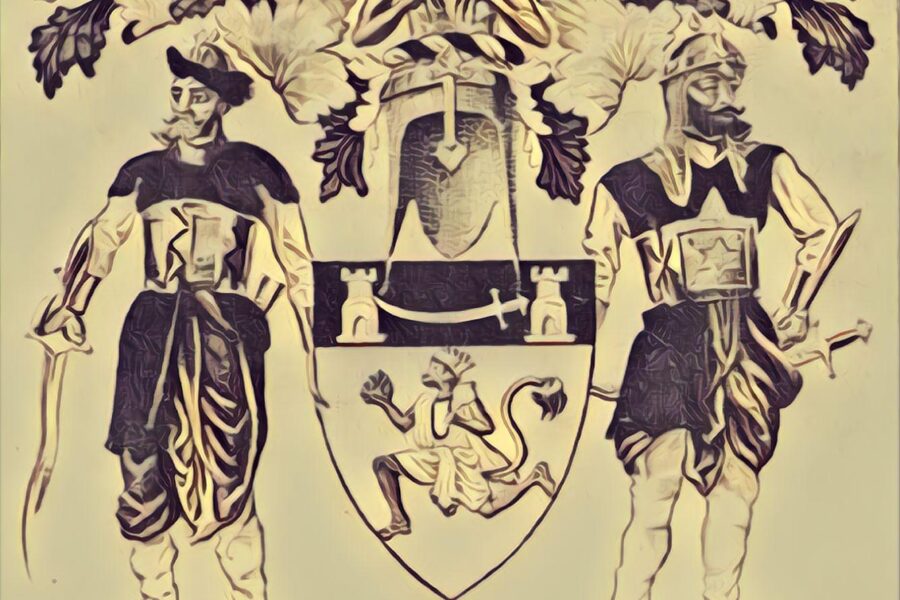
History of Princely State Railways
Railway development during the nineteenth and early twentieth centuries transformed transportation across India. Several princely states recognised the economic and administrative importance of railway connectivity.
Royal administrations invested in railway projects through different ownership, financing and operational arrangements.
Why Indian Maharajas Developed Railways
Railway development provided princely administrations with new opportunities to improve transportation and strengthen economic connections.
- Transporting agricultural produce and manufactured goods.
- Connecting towns with regional markets.
- Improving passenger transportation.
- Supporting administrative communication.
- Connecting princely territories with larger railway networks.
Gaekwar’s Baroda State Railway
Baroda developed railway infrastructure under the Gaekwad administration. Its network included narrow-gauge lines that connected smaller settlements with important economic centres.
The railway reflected the growing importance of infrastructure and commercial development within the princely state.
Nizam’s State Railway
Hyderabad established an extensive railway system associated with the Nizam’s administration. Its development helped connect the Deccan with important commercial routes across India.
The network remains a significant part of Hyderabad’s industrial and administrative heritage.
Jodhpur and Bikaner State Railways
Railway development in western Rajasthan helped improve connections across desert territories. The Jodhpur and Bikaner railway systems served passengers, merchants and regional administrations.
These railways helped strengthen commercial connections between Rajasthan and other regions of India.
Scindia State Railway
The Scindia State Railway formed part of the transport infrastructure associated with the former Gwalior State. Its network contributed to regional connectivity in central India.
Its historical development illustrates the participation of Indian princely administrations in modern transportation.
Dholpur State Railway
Dholpur also maintained its own railway system. Its historical narrow-gauge infrastructure illustrates how even comparatively smaller princely administrations participated in railway development.
Mysore State Railway
The former Mysore State also participated in railway development, improving connectivity between important administrative and commercial centres in southern India.
Railway infrastructure became part of the wider modernisation of the state.
Integration into Indian Railways
Following independence, the railway systems of former princely states were gradually integrated into the national railway administration.
During the late 1940s and early 1950s, numerous regional networks were reorganised as part of the development of a unified Indian railway system.
Preserving India’s Royal Railway Heritage
Historical railway stations, surviving locomotives, archival photographs, maps and official records provide valuable evidence of these former transport systems.
Their preservation can help future generations understand the relationship between India’s royal administrations, technological development and economic history.
Discover other historical landmarks through the India Royal Families heritage places collection.
Did Indian Princely States Own Railways?
Yes. Several princely administrations owned or supported railway networks before independence, although ownership and operating arrangements varied.
What Happened to Princely State Railways After Independence?
They were gradually absorbed into the national railway system and became part of modern India’s transportation infrastructure.
The Legacy of India’s Royal Railways
Princely state railways demonstrate that the history of Indian royalty extends beyond palaces and ceremonial splendour. Their transport networks contributed to regional development and became part of India’s modern railway heritage.
Read more about India’s former kingdoms in the India Royal Families Journal and explore the historical stories collection.
Historical reference: Indian Railway Historical Records.