
The Coat of Arms of Agori Barhar is the heraldic emblem of an estate (zamindari / taluqdari) in the United Provinces (Awadh & Agra) region (present-day Uttar Pradesh / Uttarakhand). It represents the lineage, authority and identity of the ruling house that held it.
Historical Background
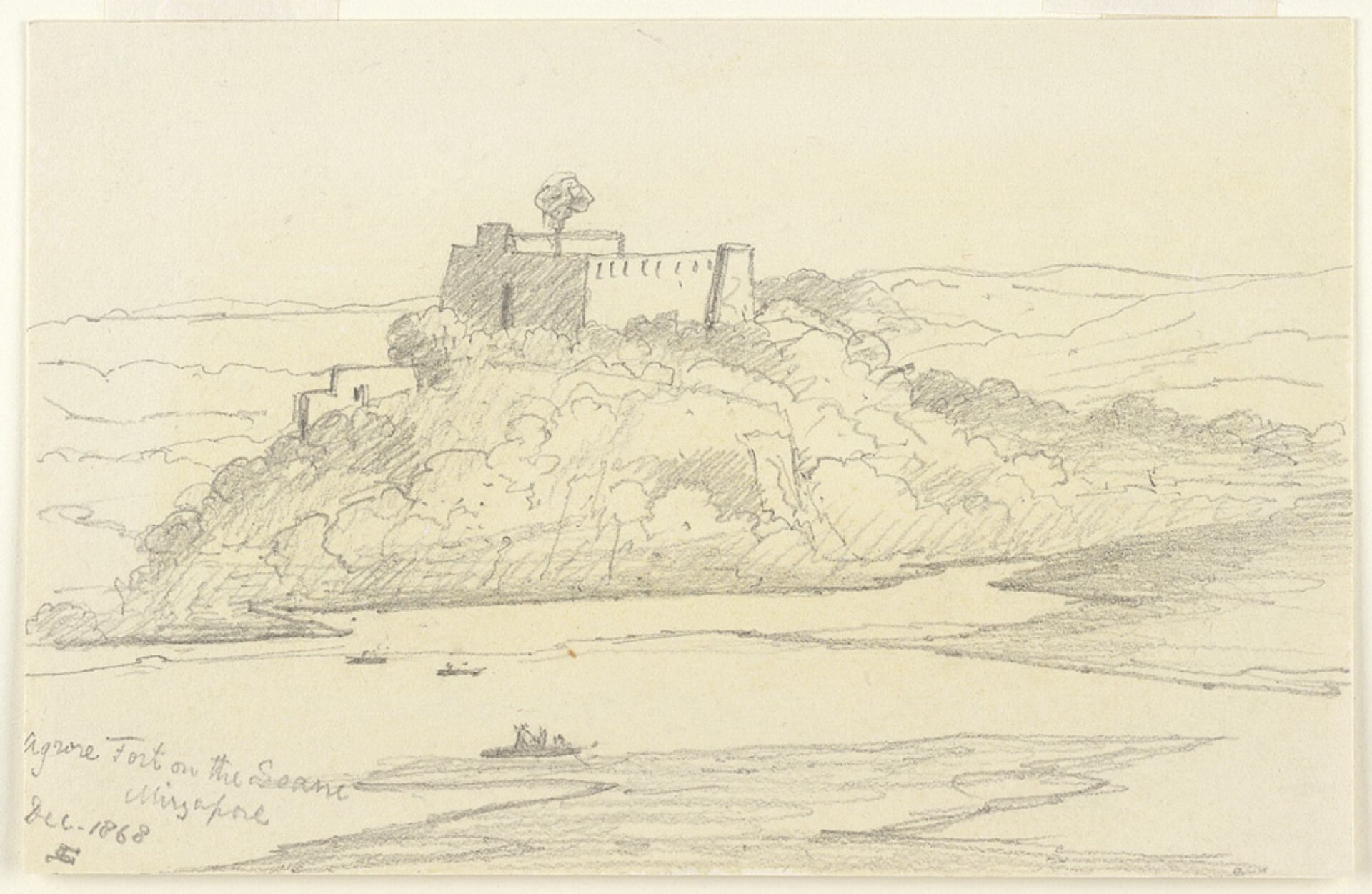
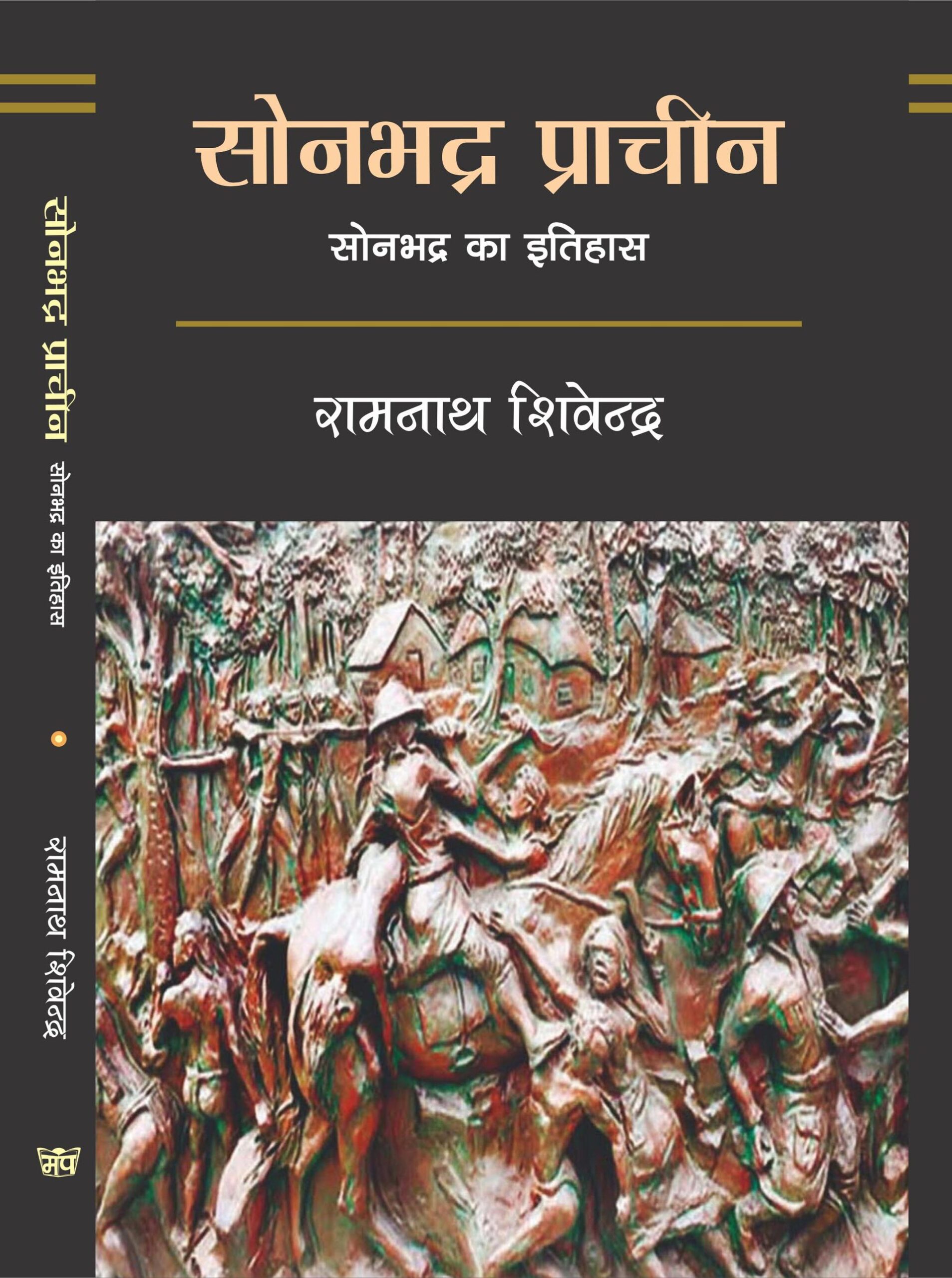
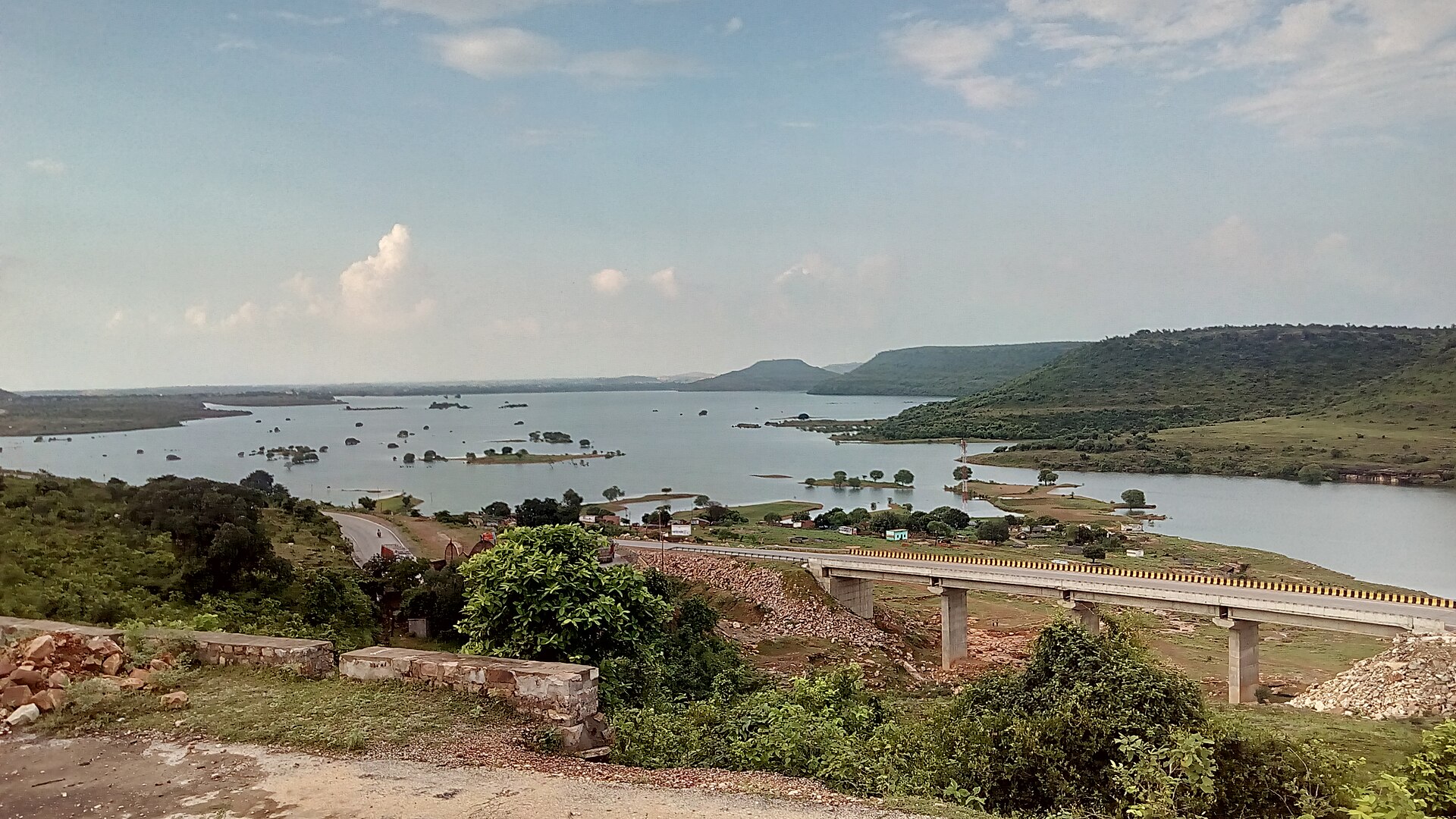
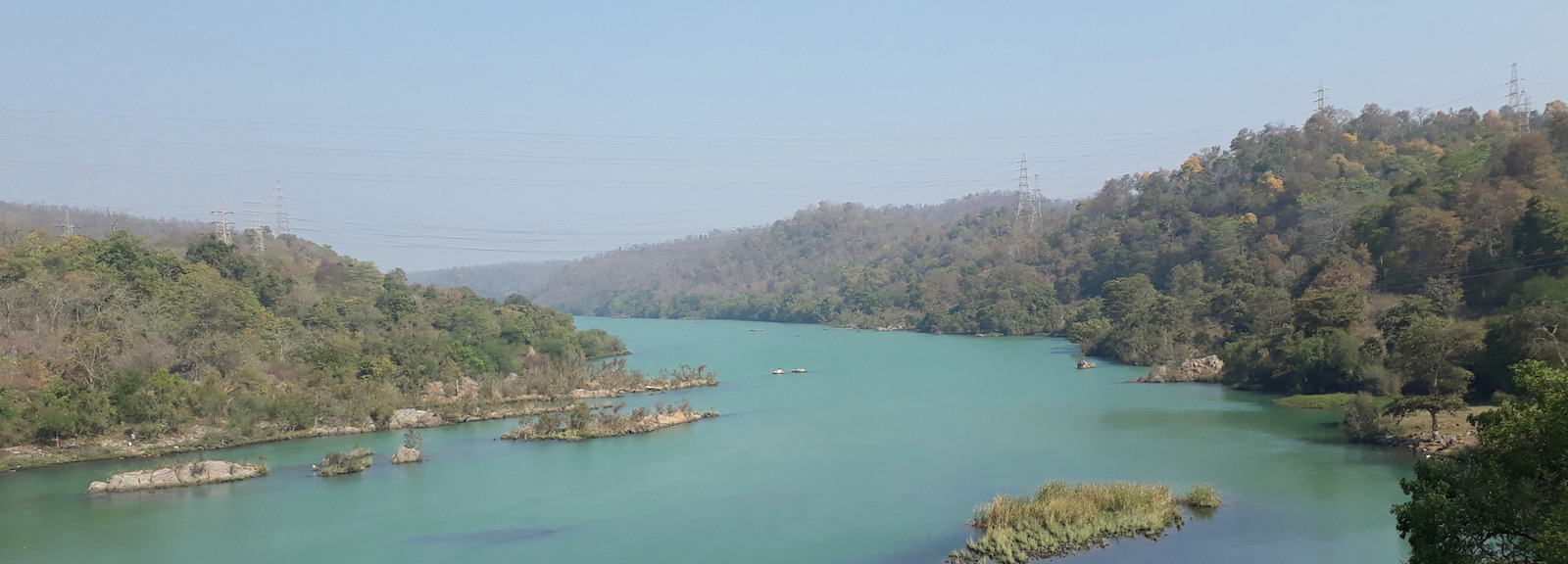
The Raj of Agori Barhar occupied the rugged country of the Son valley in present-day Sonbhadra district, at the south-eastern edge of Uttar Pradesh. Its seat, Agori Fort, stands about 10 kilometres from Chopan near Obra, on the Son river at the point where the Rihand and the Sonnadi meet it. Even today the fort is usually approached by boat from Chopan, which shows how naturally defensible the site was.
Chandel Origins
According to local history, the region was held by a Khairwar chief until the Chandel Rajputs defeated him in the late 12th century and settled there; the capture of Agori is usually dated to 1187. The family traces itself to the great Chandela dynasty of Jejakabhukti, the builders of Khajuraho. Raja Bhram Jit (Bhram Deo), described as a son of the Chandela king Parmardi Deva, is credited with taking the region. Of his two sons, Bharimal became ruler of Bardi (Barhar) and Parimal ruled Agori, giving the estate its double name. A younger branch went east, and in 1226 Bir Bikram Singh founded the Gidhaur Raj in Bihar.
Mughal and British Periods
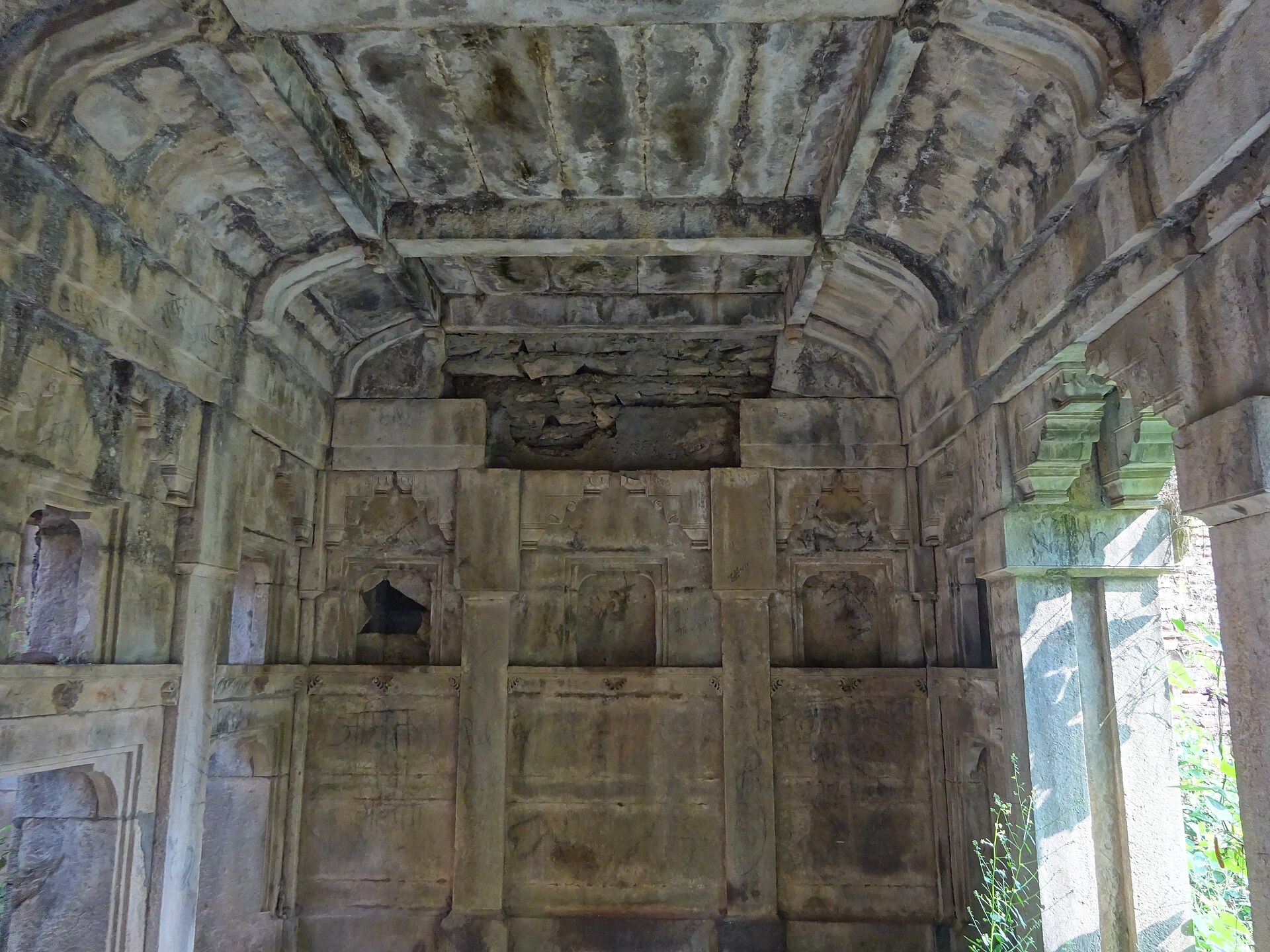
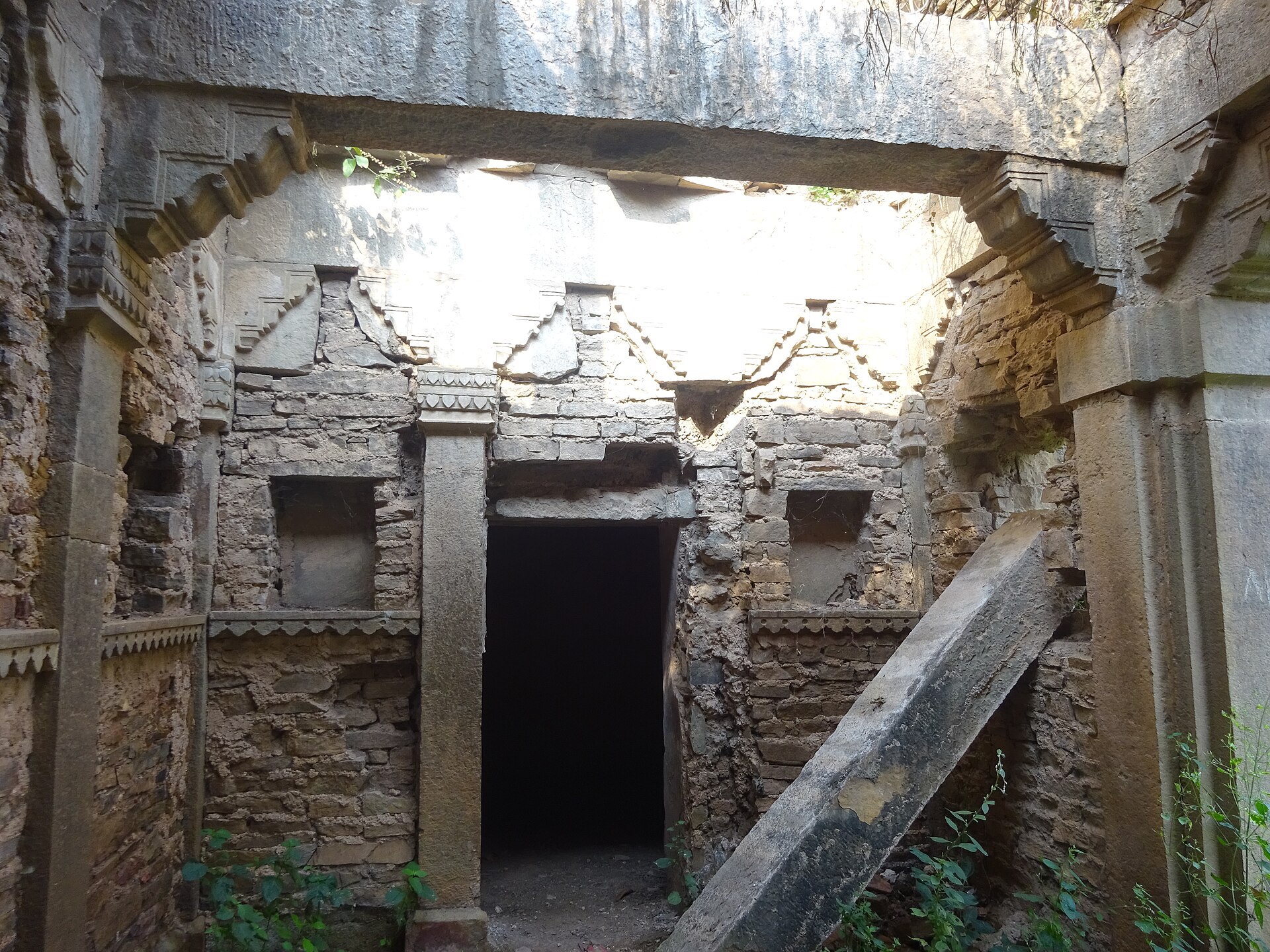
A Persian inscription dated 1026 Hijri (1616 AD) survives inside Agori Fort, and the estate passed under Mughal authority around 1620. Under British rule Agori Barhar became one of the large estates of Mirzapur district; by 1871 it comprised some 400 villages with a revenue of about two lakh rupees. Its rulers retained the title of Raja.
Legend and Living Heritage
Agori is closely linked with the folk epic of Veer Lorik. Tradition says that the hero fought King Molagt here, and a stone elephant in the river is pointed out as the place where Lorik slew the king’s elephant. The fort now houses a Kali temple and a Durga image and draws thousands of worshippers each year.
The coat of arms of Agori Barhar therefore represents one of the longest-surviving branches of the Chandela line, a family whose history connects Khajuraho, the Son valley and the folk traditions of eastern Uttar Pradesh.
History of the Emblem
From the late 19th century onward, many thikanas, talukas, jagirs and great estates followed the princely states in adopting heraldic achievements. These emblems were displayed on gateways, palace facades, carriages, silver, letterheads and seals, and often echoed the arms of the parent state or clan, adapted with family-specific symbols.
Reading the Coat of Arms
A typical Indian royal coat of arms is made up of a few traditional elements:
- Shield (escutcheon) – the central field carrying the principal symbols of the house.
- Crest – the device placed above the shield, often a crown, a deity, a bird or an animal.
- Supporters – figures on either side of the shield, frequently horses, lions, tigers, elephants or mythical beasts.
- Motto scroll – a banner below the shield bearing a motto or invocation, usually in Sanskrit, Hindi, Persian or a regional language.
Sources
Photo Gallery



At a glance
- House
- Chandel[1]Selected context from the cited research source; secondary compilations remain provisional.
Royal Lineage & Family Tree
Agori Barhar
The Chandel house of Agori-Barhar is documented in a compiled estate genealogy.
This is a partial research extract, not a complete family register. Titles are historical or customary. Dates are identified as reigns or life dates where the source supplies them.
Family relationships
Open or close a descendant branch to explore. People without a documented connection remain separate. A person linked to multiple parents appears in each branch.
Chronological lineage · text view
Selected people in source chronology; this list does not imply direct descent or uninterrupted rule.
Sources & research notes
Research checked 10 November 2026. Interpretations remain subject to historical review; specialist compilations and family accounts may require independent corroboration.
QA: full genealogy checked, lines 60–63. Search-result excerpts had collapsed distant generations; corrected before publication.
Related Video Gallery
Watch & explore · 5 YouTube videos
Direct house and place coverage is prioritised. Wider dynasty, regional or Indian royal-heritage films are labelled individually. Video claims and availability remain the publisher’s responsibility.
YouTube player loads when selected.
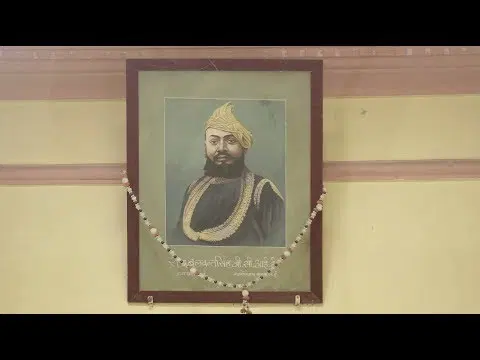
Raja Balwant Singh College – Documentary film
Ali Ahmad
Uttar Pradesh royal-heritage context. This film is not presented as footage of this individual estate.
Watch on YouTube ↗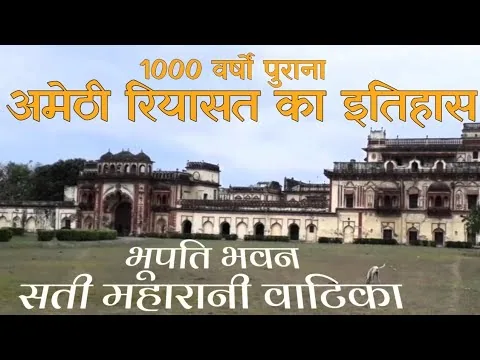
YouTube player loads when selected.
History of Amethi | Documentary of amethi | अमेठी का इतिहास भूपति भवन एवं सती महारानी
Amethi Hub
Uttar Pradesh royal-heritage context. This film is not presented as footage of this individual estate.
Watch on YouTube ↗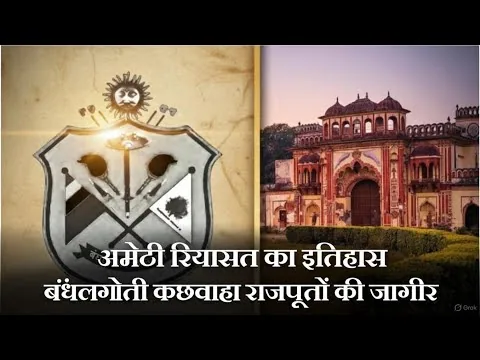
YouTube player loads when selected.
Amethi history बंधलगोती राजपूतों का इतिहास Amethi history Bandhalgoti rajput amethi state history
Itihaas-e-awadh
Uttar Pradesh royal-heritage context. This film is not presented as footage of this individual estate.
Watch on YouTube ↗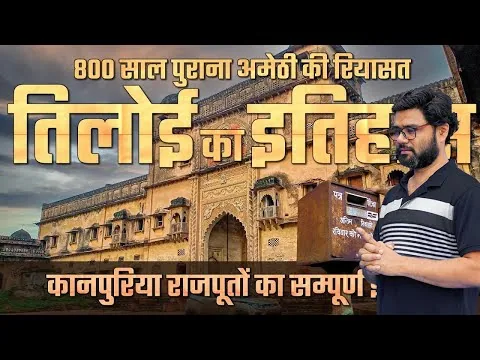
YouTube player loads when selected.
तिलोई अमेठी का इतिहास | History of Tiloi Amethi
PK Pramas
Uttar Pradesh royal-heritage context. This film is not presented as footage of this individual estate.
Watch on YouTube ↗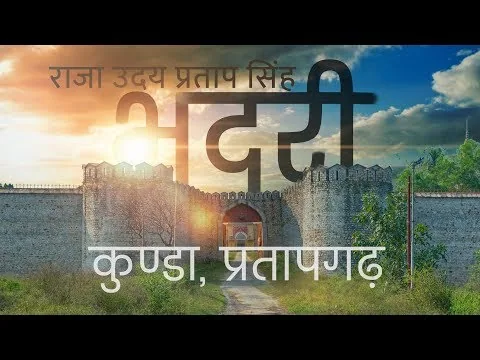
YouTube player loads when selected.
Bhadri Kunda Pratapgarh Documentary 2018 | भदरी कुंडा प्रतापगढ़ दीर्घचित्र 2018
PK Pramas
Uttar Pradesh royal-heritage context. This film is not presented as footage of this individual estate.
Watch on YouTube ↗Page context sources · 1
Research checked 10 November 2026. These references support the facts, emblem descriptions and timeline above. Genealogy references remain in the family-tree section.
Historical identity and dates follow the cited sources. The existing genealogy notes record uncertainties. No record-specific interpretation of the emblem is supplied without a matching heraldic description.