
The Coat of Arms of Bajekan & Dhingsara is the heraldic emblem of a jagir in the Punjab & Haryana region (present-day Haryana). It represents the lineage, authority and identity of the ruling house that held it.
Historical Background
Bajekan and Dhingsara form a Rathore estate in present-day Haryana, a rare example of a Rajput house from Marwar establishing itself on the edge of the Punjab plains. Dhingsara lies near Fatehabad, while Bajekan is a village about 8 kilometres south-east of Sirsa on National Highway 9.
From Marwar to Haryana
The family belongs to the Champawat branch of the Rathores, descended from Rao Champa, and identifies itself more precisely as Balludasot Champawats, after the celebrated warrior Ballu Singh Champawat (1591–1644). Ballu is remembered in Rajput tradition for his daring at Agra Fort in July 1644, when, after the killing of Amar Singh Rathore at the Mughal court, he recovered his master’s body and carried it back to his family.
According to the family’s history, its ancestor Thakur Nahar Singh held high command in the Jodhpur army but was exiled from Marwar during a succession struggle at the Jodhpur court in the early 19th century. He assisted the British during their capture of Bharatpur fort and was rewarded with land in Haryana. Records show that he served as Kotwal of Sirsa in 1838 and as a Risaldar in Skinner’s Horse.
Dhingsara and Bajekan
Nahar Singh settled at Dhingsara near Fatehabad after befriending the local Nawab. With the blessing of the saint Sri Mansagar Baba – still honoured as the family’s deity – he married into the Tanwar Rajputs. He also acquired the village of Bajekan, earlier known as Jandian, which took its present name in the early 20th century and is said to be named after Baaz-e-Khan Cheema.
Public Life
The family has remained active in public life: Thakur Bahadur Singh Rathore served as a member of the Haryana Legislative Assembly, and other members have served in the civil services and the armed forces.
The Bajekan and Dhingsara coat of arms reflects the Rathore heritage of Marwar carried into a new homeland – a family whose emblem links the deserts of Jodhpur with the plains of Haryana.
History of the Emblem
From the late 19th century onward, many thikanas, talukas, jagirs and great estates followed the princely states in adopting heraldic achievements. These emblems were displayed on gateways, palace facades, carriages, silver, letterheads and seals, and often echoed the arms of the parent state or clan, adapted with family-specific symbols.
Reading the Coat of Arms
A typical Indian royal coat of arms is made up of a few traditional elements:
- Shield (escutcheon) – the central field carrying the principal symbols of the house.
- Crest – the device placed above the shield, often a crown, a deity, a bird or an animal.
- Supporters – figures on either side of the shield, frequently horses, lions, tigers, elephants or mythical beasts.
- Motto scroll – a banner below the shield bearing a motto or invocation, usually in Sanskrit, Hindi, Persian or a regional language.
Sources
At a glance
- House
- Champawat Rathore[1]Selected context from the cited research source; secondary compilations remain provisional.
Royal Lineage & Family Tree
Bajekan & Dhingsara
Dhingsara and Bajekan are linked by the Champawat Rathore family’s own historical account.
This is a partial research extract, not a complete family register. Titles are historical or customary. Dates are identified as reigns or life dates where the source supplies them.
Family relationships
Open or close a descendant branch to explore. People without a documented connection remain separate. A person linked to multiple parents appears in each branch.
Chronological lineage · text view
Selected people in source chronology; this list does not imply direct descent or uninterrupted rule.
Sources & research notes
Research checked 10 November 2026. Interpretations remain subject to historical review; specialist compilations and family accounts may require independent corroboration.
Royal Family & Heritage Pictures
10 sourced images. Captions follow the identifications in the linked sources; heritage views are labelled separately.
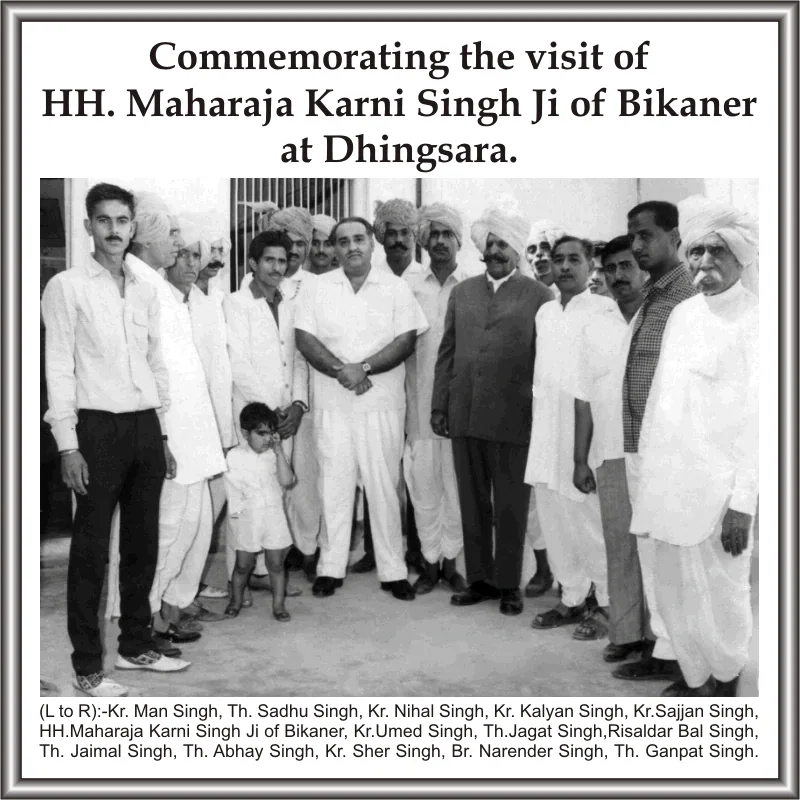
Rajput Provinces of India — Bajekan & Dhingsara
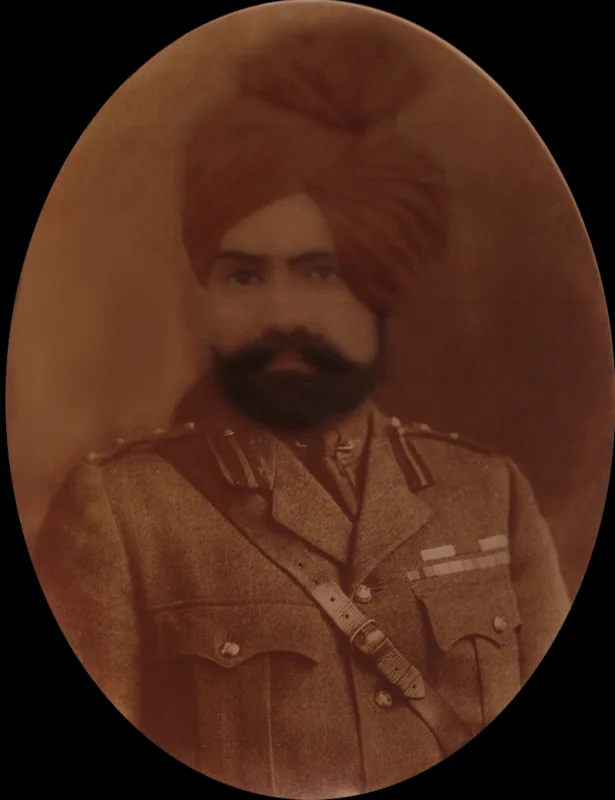
Rajput Provinces of India — Bajekan & Dhingsara
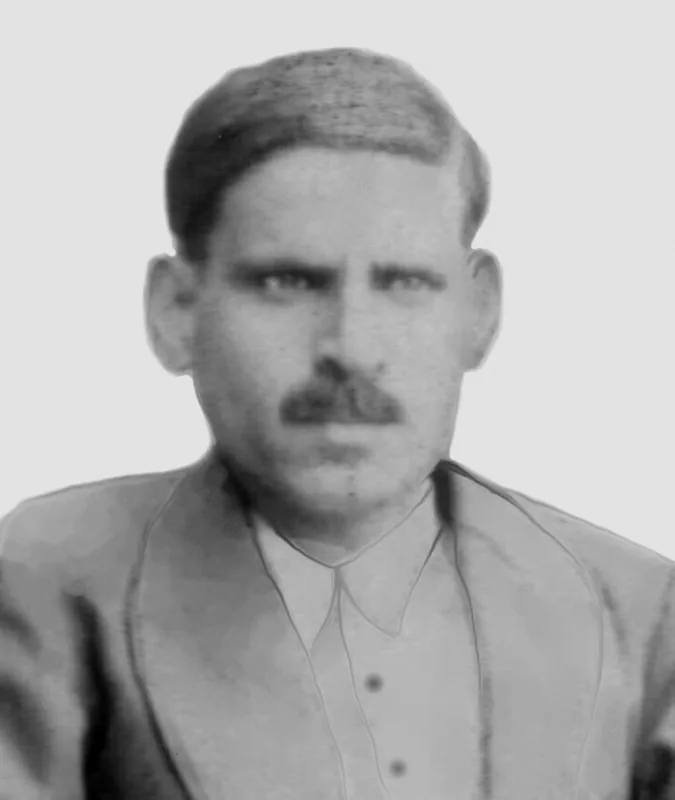
Rajput Provinces of India — Bajekan & Dhingsara
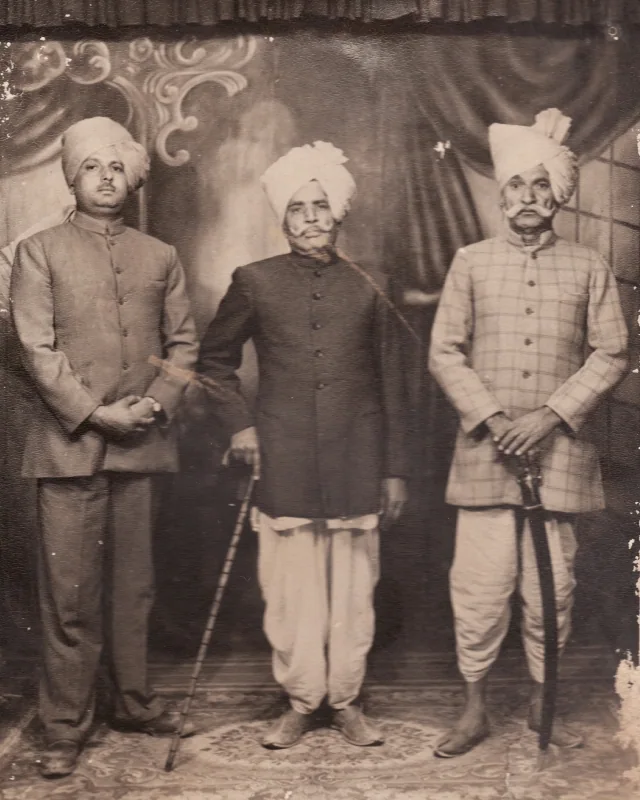
Rajput Provinces of India — Bajekan & Dhingsara
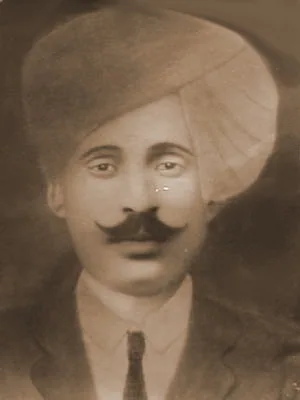
Rajput Provinces of India — Bajekan & Dhingsara
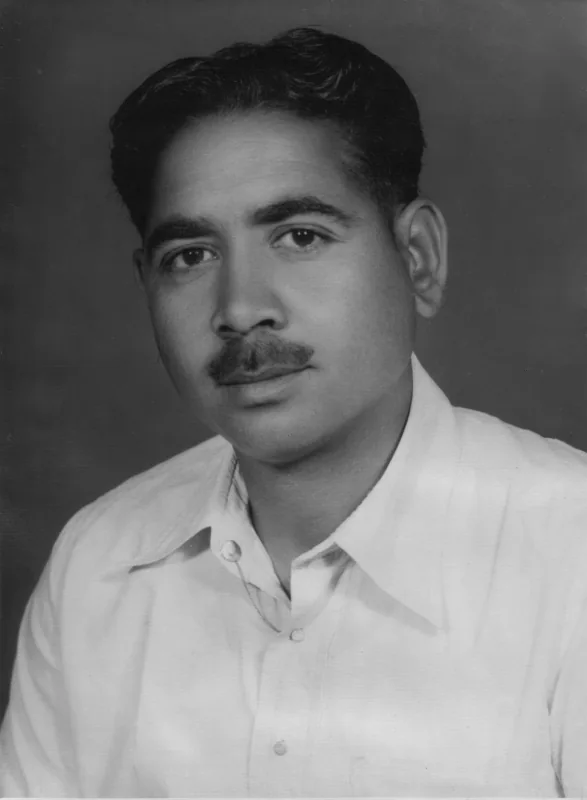
Rajput Provinces of India — Bajekan & Dhingsara
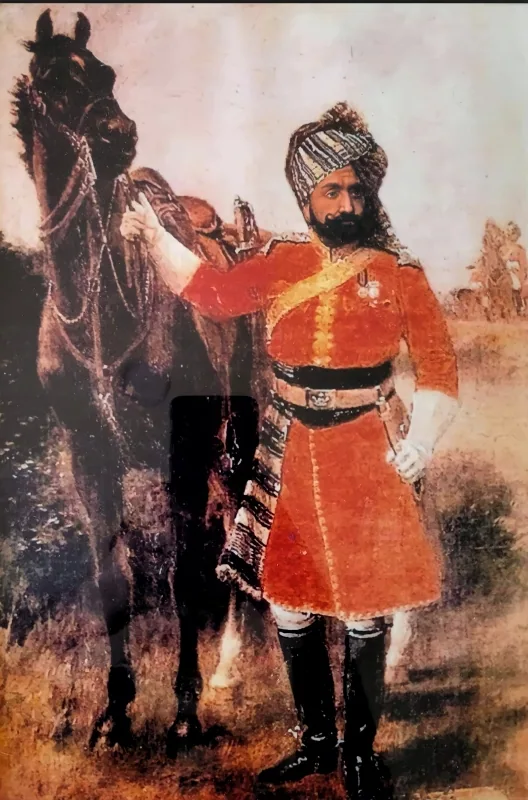
Rajput Provinces of India — Bajekan & Dhingsara
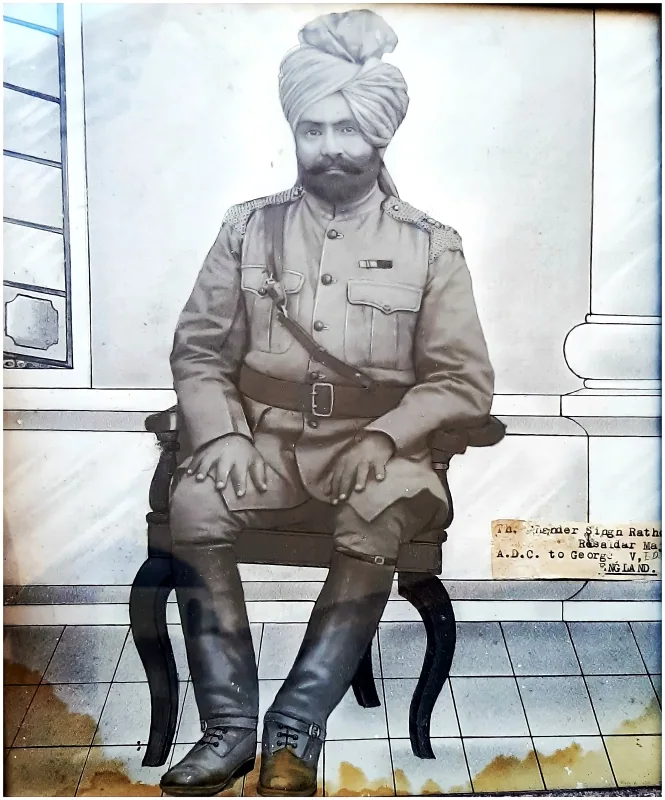
Rajput Provinces of India — Bajekan & Dhingsara
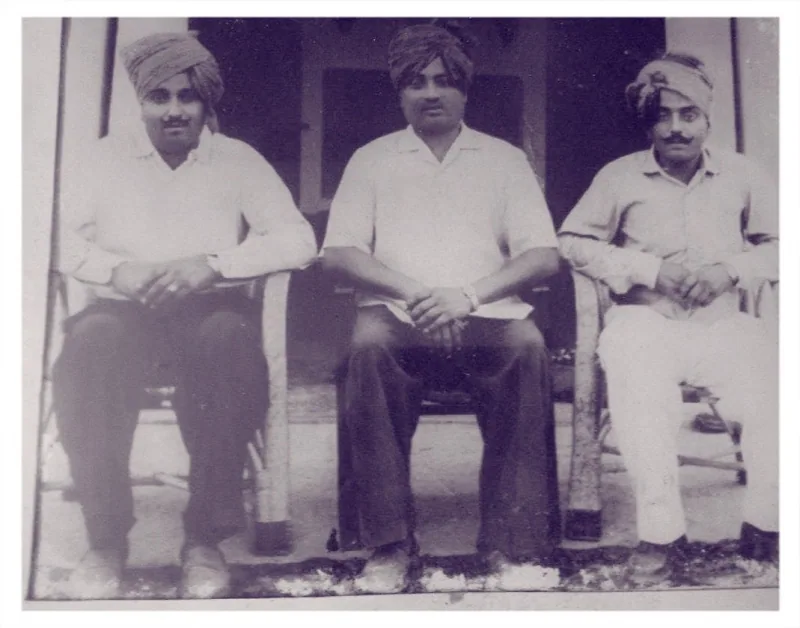
Rajput Provinces of India — Bajekan & Dhingsara
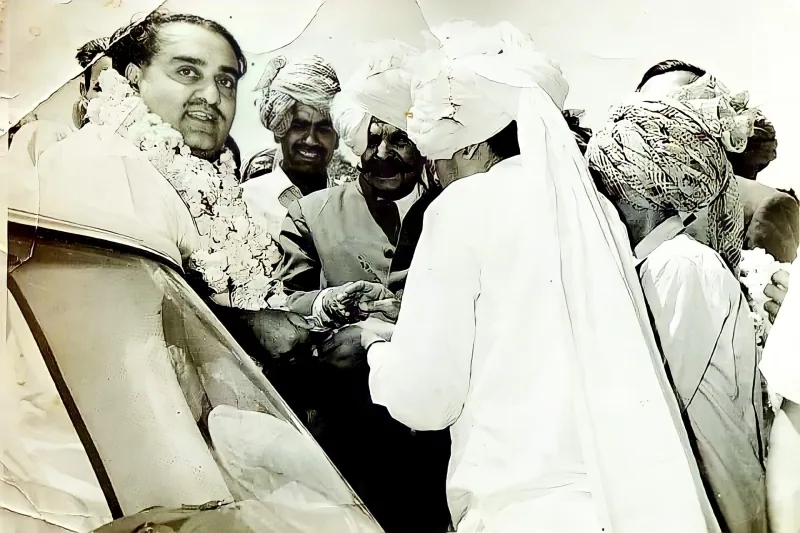
Rajput Provinces of India — Bajekan & Dhingsara
Picture sources checked 10 November 2026.
Related Video Gallery
Watch & explore · 5 YouTube videos
Direct house and place coverage is prioritised. Wider dynasty, regional or Indian royal-heritage films are labelled individually. Video claims and availability remain the publisher’s responsibility.
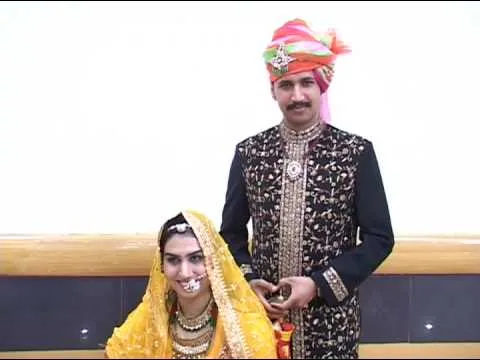
YouTube player loads when selected.
Abhinay Pragati Marriage
Abhinay Rathore
Video explicitly associated with the named historic house or place in the source catalogue.
Watch on YouTube ↗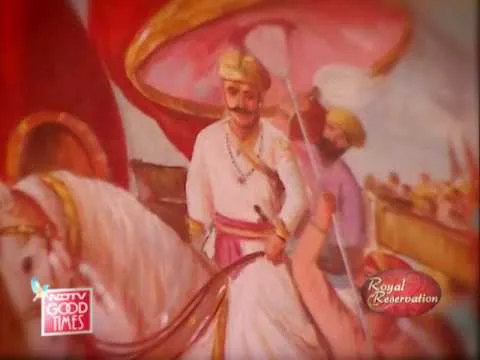
YouTube player loads when selected.
The story of Bikaner
NDTV GOOD TIMES
Dynasty/clan context: Rathore. This film concerns another house or site and does not establish a direct family relationship.
Watch on YouTube ↗
YouTube player loads when selected.
HH MAHARAJA HIMMAT SINGHJI IDAR
DR. PARIKSHIT SINGH
Dynasty/clan context: Rathore. This film concerns another house or site and does not establish a direct family relationship.
Watch on YouTube ↗
YouTube player loads when selected.
Inside Ajit Bhawan Palace Residence | Exclusive Royal Tour with the Rani Shweta Kumari of Jodhpur
Homely By LBB
Dynasty/clan context: Rathore. This film concerns another house or site and does not establish a direct family relationship.
Watch on YouTube ↗
YouTube player loads when selected.
Royal Fort of Kishangarh
WildFilmsIndia
Dynasty/clan context: Rathore. This film concerns another house or site and does not establish a direct family relationship.
Watch on YouTube ↗Page context sources · 1
Research checked 10 November 2026. These references support the facts, emblem descriptions and timeline above. Genealogy references remain in the family-tree section.
Historical identity and dates follow the cited sources. The existing genealogy notes record uncertainties. No record-specific interpretation of the emblem is supplied without a matching heraldic description.