
The Coat of Arms of Banswara is the heraldic emblem of a princely state in the Rajputana region (present-day Rajasthan). It represents the lineage, authority and identity of the ruling house that held it.
Historical Background
Banswara was a princely state of southern Rajasthan, forming the eastern part of the Vagad region, which borders Gujarat and Madhya Pradesh. In 1901 the state covered about 4,160 square kilometres with a population of 165,350. Its rulers bore the title of Maharawal and belonged to the Guhilot-Sisodia line, sharing their ancestry with the houses of Dungarpur and Mewar.
Foundation after Khanwa
The state was born out of the Battle of Khanwa in 1527. Rawal Udai Singh of Vagad fought alongside Rana Sanga of Mewar against Babur and was killed in the battle. His territories were then divided between his two sons: the western part became Dungarpur and the eastern part became Banswara, which went to Jagmal Singh, the first Maharawal of Banswara.
The Name
Tradition says that Jagmal defeated and killed the Bhil chief Bansia (or Wasna) who had ruled the area, and the state was named after him. Others link the name to the bamboo (bans) forests that once covered the region.
Land of a Hundred Islands
Banswara is known as the “City of Hundred Islands” because of the many islands in the Mahi river that flows through it, and the Mahi Bajaj Sagar dam now forms a large lake in the district. With its many ancient temples and natural beauty, the area is also called “Lodhi Kashi”. Its Vagdi culture blends Gujarati, Malwi, Rajasthani and Mewari traditions, and the region has a large tribal population, especially Bhils.
British Period and Accession
Banswara entered treaty relations with the British in 1818 and enjoyed a 15-gun salute. The state issued its own coinage, including silver rupees in the name of Maharawal Lakshman Singh. After Independence it acceded to India and was merged into the United State of Rajasthan in 1948–49. The Banswara coat of arms reflects the solar heritage of the Guhilots and the state’s origins on the battlefield of Khanwa.
History of the Emblem
European-style armorial bearings for the Indian princely states were largely formalised for the Imperial Assemblage held at Delhi in 1877, when banners bearing the arms of each state were presented to the rulers. The designs blended traditional Indian symbols – the sun and moon of the Suryavanshi and Chandravanshi lines, family deities, sacred animals, weapons and regalia – with the structure of Western heraldry. As a 15-gun salute state, Banswara held a recognised place in the precedence of the princes of India. These arms remained in official use on seals, coins, stamps, buildings and state documents until the princely states acceded to India and Pakistan after 1947.
Reading the Coat of Arms
A typical Indian royal coat of arms is made up of a few traditional elements:
- Shield (escutcheon) – the central field carrying the principal symbols of the house.
- Crest – the device placed above the shield, often a crown, a deity, a bird or an animal.
- Supporters – figures on either side of the shield, frequently horses, lions, tigers, elephants or mythical beasts.
- Motto scroll – a banner below the shield bearing a motto or invocation, usually in Sanskrit, Hindi, Persian or a regional language.
Sources
At a glance
- Historical association
- Branch of the Dungarpur house[1]Selected context from the cited research source; secondary compilations remain provisional.
Understanding the emblem
The descriptions below identify a documented version of these arms. Historical designs may differ from the reproduction in this collection.
Shield and supporters
Red shield with two ermine chevronels and a sun; a bull and horse support it.[2]
Version-specific historical description; it has not been established that the collection reproduction is the identical version.
Crest
A demi-lion holds a trident.[2]
Version-specific historical description; it has not been established that the collection reproduction is the identical version.
Historical timeline
A selection of dated events and lives from the cited sources. Life dates are not reign dates; gaps do not imply uninterrupted rule.
Royal Lineage & Family Tree
Banswara
Banswara arose as a separate branch of the Dungarpur house after the death of Rawal Udai Singh.
This is a partial research extract, not a complete family register. Titles are historical or customary. Dates are identified as reigns or life dates where the source supplies them.
Family relationships
Open or close a descendant branch to explore. People without a documented connection remain separate. A person linked to multiple parents appears in each branch.
Chronological lineage · text view
Selected people in source chronology; this list does not imply direct descent or uninterrupted rule.
Sources & research notes
Research checked 10 November 2026. Interpretations remain subject to historical review; specialist compilations and family accounts may require independent corroboration.
Royal Family & Heritage Pictures
10 sourced images. Captions follow the identifications in the linked sources; heritage views are labelled separately.
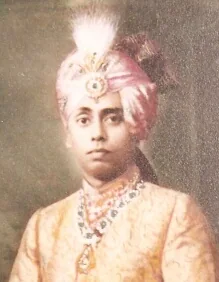
Rajput Provinces of India — Banswara
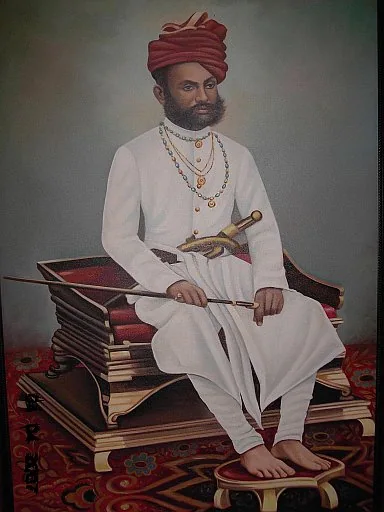
Rajput Provinces of India — Banswara
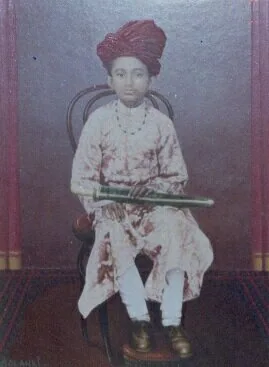
Rajput Provinces of India — Banswara
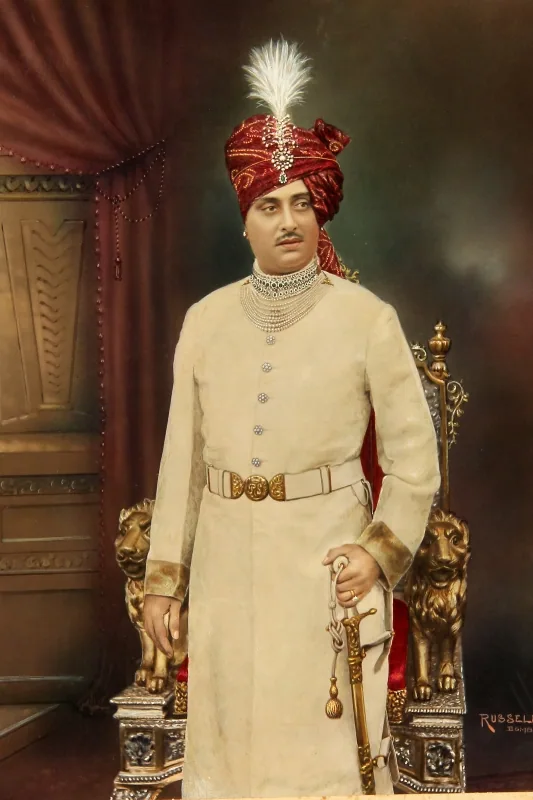
Rajput Provinces of India — Banswara
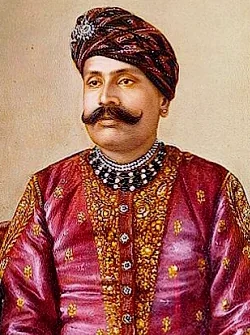
Rajput Provinces of India — Banswara
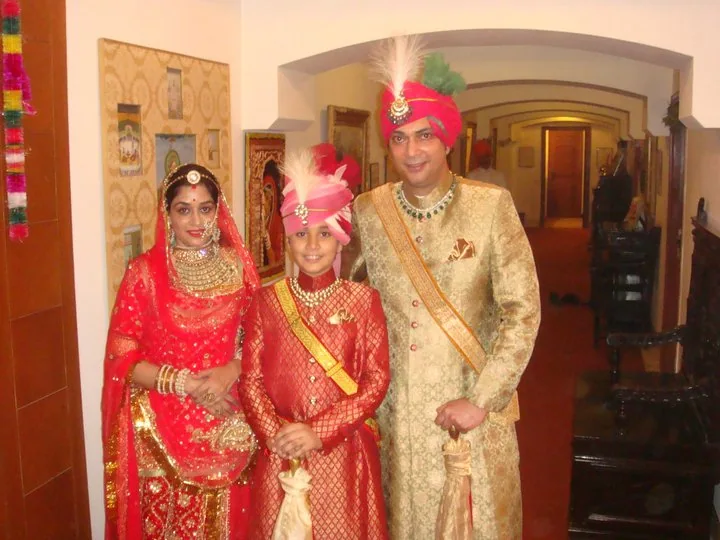
Rajput Provinces of India — Banswara
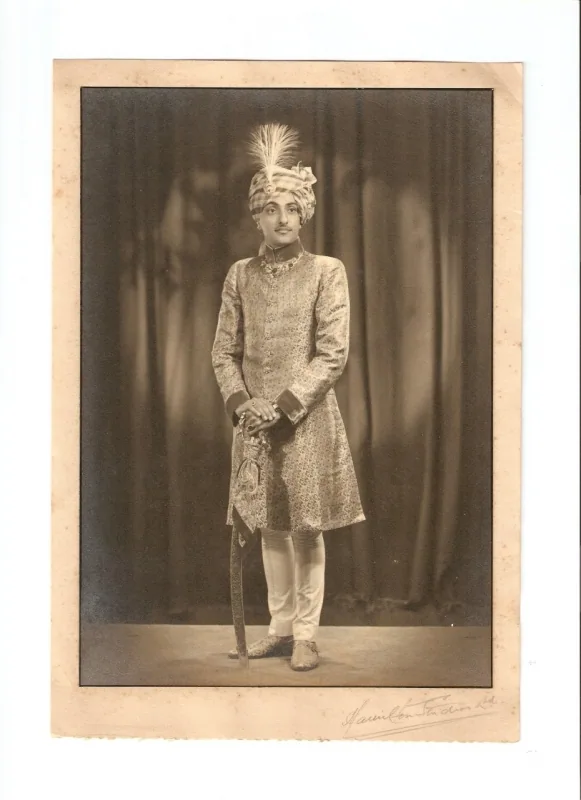
Rajput Provinces of India — Banswara
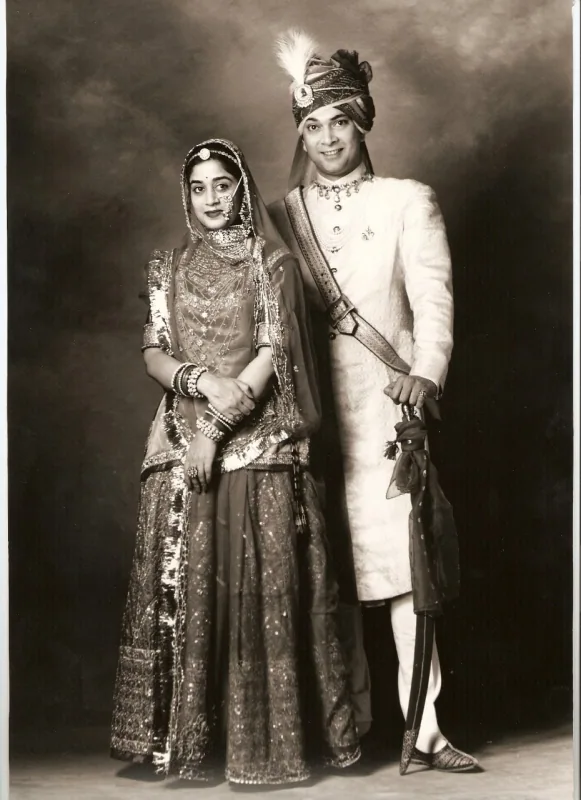
Rajput Provinces of India — Banswara
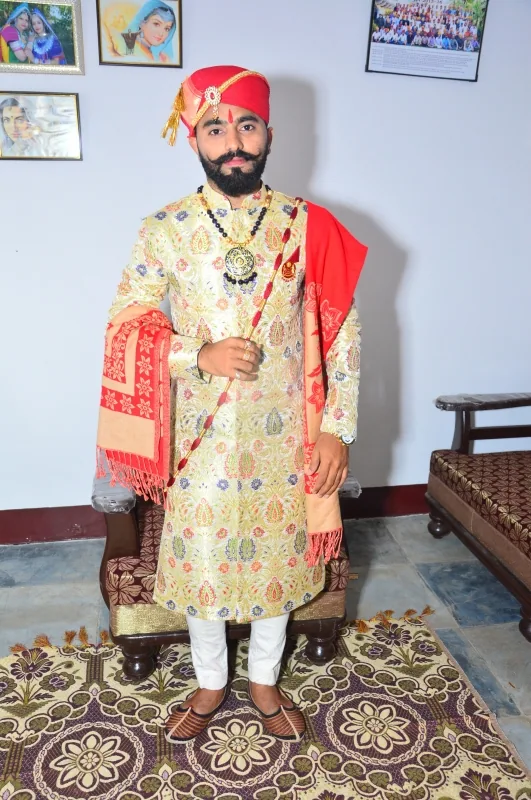
Rajput Provinces of India — Banswara
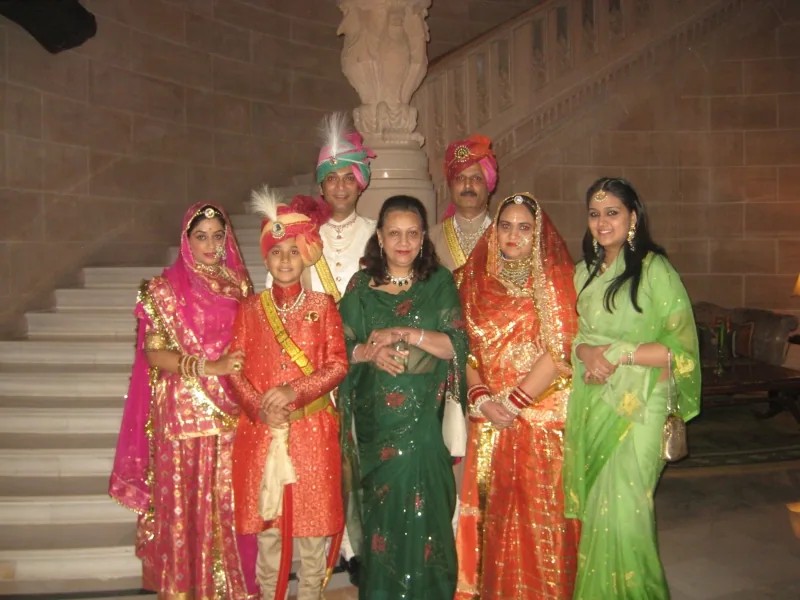
Rajput Provinces of India — Banswara
Picture sources checked 10 November 2026.
Related Video Gallery
Watch & explore · 5 YouTube videos
Direct house and place coverage is prioritised. Wider dynasty, regional or Indian royal-heritage films are labelled individually. Video claims and availability remain the publisher’s responsibility.
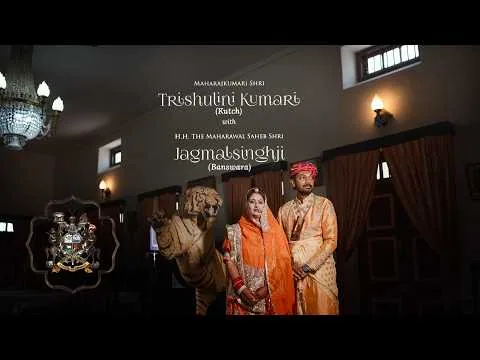
YouTube player loads when selected.
Kutch-Banswara Royal Family Wedding | MK. Trishulini Kumari & H.H. Jagmalsinghji | Royal Wedding |
Rangbari Cinema
Video explicitly associated with the named historic house or place in the source catalogue.
Watch on YouTube ↗
YouTube player loads when selected.
👑 A Royal Union in Banswara | Wedding of HH Maharawal Jagmal Singh 💍✨
Bhumendrapal Singh
Existing IRF video collection identifies the family, its public representative, or its documented institutional legacy.
Watch on YouTube ↗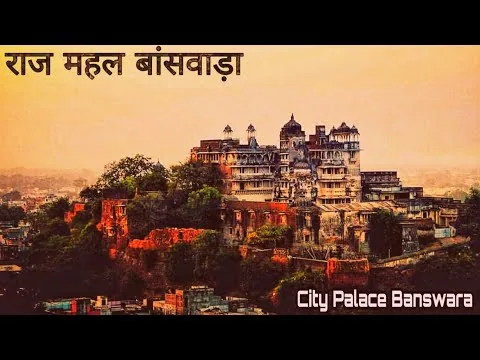
YouTube player loads when selected.
राजमहल बांसवाड़ा ||Shree Garh Raj Mahal, City Palace Banswara
DIL SE RAJASTHAN
Direct YouTube search result identifies this palace, fort, royal house or place. Historic claims in third-party video narration remain the publisher’s account.
Watch on YouTube ↗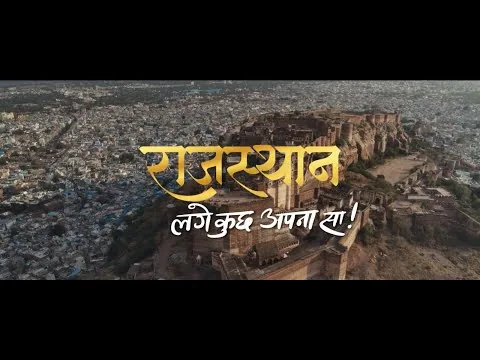
YouTube player loads when selected.
Rajasthan’s Forts: A Journey Through Time and Triumph.
Rajasthan Tourism
Rajasthan royal-heritage context. This film is not presented as footage of this individual estate.
Watch on YouTube ↗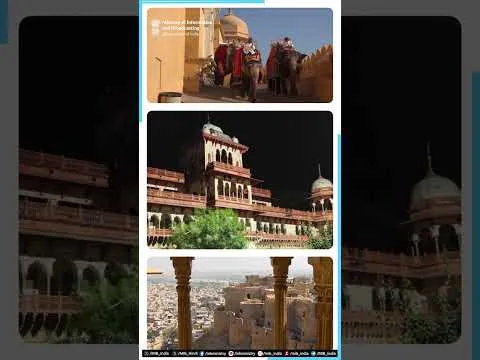
YouTube player loads when selected.
Hill Forts of Rajasthan: A Shining Beacon of Cultural Grandeur & Architectural Brilliance!🏰🇮🇳
Ministry of Information & Broadcasting
Rajasthan royal-heritage context. This film is not presented as footage of this individual estate.
Watch on YouTube ↗Page context sources · 2
Research checked 10 November 2026. These references support the facts, emblem descriptions and timeline above. Genealogy references remain in the family-tree section.
Historical identity and dates follow the cited sources. The existing genealogy notes record uncertainties. No record-specific interpretation of the emblem is supplied without a matching heraldic description.