
The Coat of Arms of Chandelao is the heraldic emblem of a thikana in the Rajputana region (present-day Rajasthan). It represents the lineage, authority and identity of the ruling house that held it.
Historical Background
Chandelao is a village about 40 kilometres from Jodhpur and the seat of a small thikana of the former Marwar (Jodhpur) state. The estate governed five villages and belonged to the Kumpawat branch of the Rathores.
The Kumpawat Rathores
The Kumpawats descend from Rao Kumpa, remembered as one of the greatest generals of Marwar. Kumpa was a commander of Rao Maldeo of Jodhpur in the 16th century and fell fighting against Sher Shah Suri’s army at the Battle of Sammel (Giri Sumel) in 1544 – a battle after which Sher Shah is said to have remarked that he had nearly lost the empire of Hindustan for a handful of millet. The Kumpawat clan became one of the leading noble houses of Jodhpur, holding numerous thikanas across Marwar.
Chandelao Garh
The family seat, Chandelao Garh, was built in 1744 by Rao Puranmal of the Kumpawat clan as the headquarters of the thikana. The fortified house, with its courtyards, stables and mardana (men’s) quarters, reflects the architecture of rural Marwar estates, where the Thakur’s residence was both a defensive garh and the administrative centre of the surrounding villages.
Restoration
The present Thakur, Praduman Singh, is the 16th descendant of Rao Kumpa. After years working in the tea plantations of Assam, he returned to find the old house in decline and, in the mid-1990s, restored it over two years without adding any new structures. Chandelao Garh now operates as a boutique heritage hotel with twenty rooms – eight in the former stables and twelve in the original mardana quarters – and is known for its involvement with the village community and responsible tourism.
The Coat of Arms
The Chandelao coat of arms follows the heraldic traditions of the Marwar nobility. It honours the Kumpawat Rathores and their founder’s sacrifice at Sammel, and represents one of the many small thikanas that formed the fabric of the Jodhpur state.
History of the Emblem
From the late 19th century onward, many thikanas, talukas, jagirs and great estates followed the princely states in adopting heraldic achievements. These emblems were displayed on gateways, palace facades, carriages, silver, letterheads and seals, and often echoed the arms of the parent state or clan, adapted with family-specific symbols.
Reading the Coat of Arms
A typical Indian royal coat of arms is made up of a few traditional elements:
- Shield (escutcheon) – the central field carrying the principal symbols of the house.
- Crest – the device placed above the shield, often a crown, a deity, a bird or an animal.
- Supporters – figures on either side of the shield, frequently horses, lions, tigers, elephants or mythical beasts.
- Motto scroll – a banner below the shield bearing a motto or invocation, usually in Sanskrit, Hindi, Persian or a regional language.
Sources
At a glance
- House
- Kumpawat Rathore[1]Selected context from the cited research source; secondary compilations remain provisional.
- Historical setting
- Jodhpur[1]Selected context from the cited research source; secondary compilations remain provisional.
- Historic type
- Thikana[1]Selected context from the cited research source; secondary compilations remain provisional.
Historical timeline
A selection of dated events and lives from the cited sources. Life dates are not reign dates; gaps do not imply uninterrupted rule.
Royal Lineage & Family Tree
Chandelao
Chandelao was a Kumpawat Rathore thikana in Jodhpur.
This is a partial research extract, not a complete family register. Titles are historical or customary. Dates are identified as reigns or life dates where the source supplies them.
Family relationships
Open or close a descendant branch to explore. People without a documented connection remain separate. A person linked to multiple parents appears in each branch.
Chronological lineage · text view
Selected people in source chronology; this list does not imply direct descent or uninterrupted rule.
Sources & research notes
Research checked 10 November 2026. Interpretations remain subject to historical review; specialist compilations and family accounts may require independent corroboration.
Royal Family & Heritage Pictures
4 sourced images. Captions follow the identifications in the linked sources; heritage views are labelled separately.
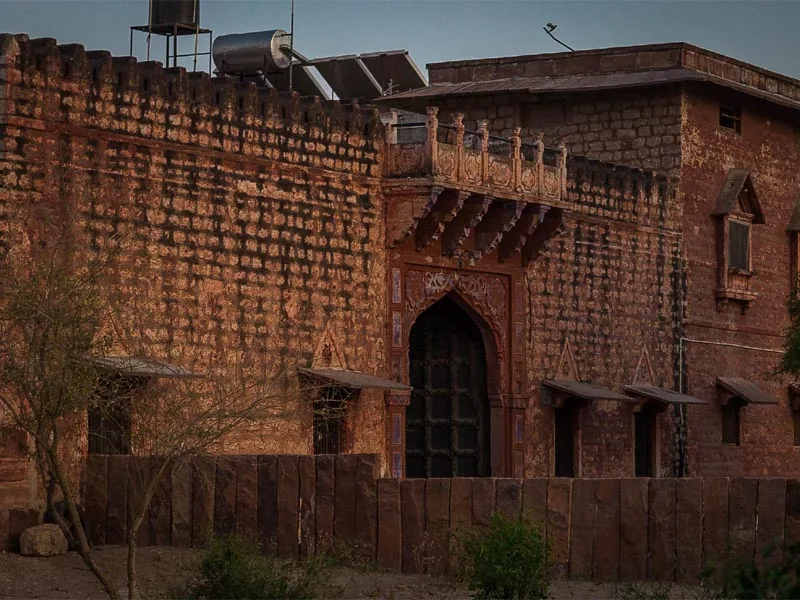
Rajput Provinces of India — Chandelao
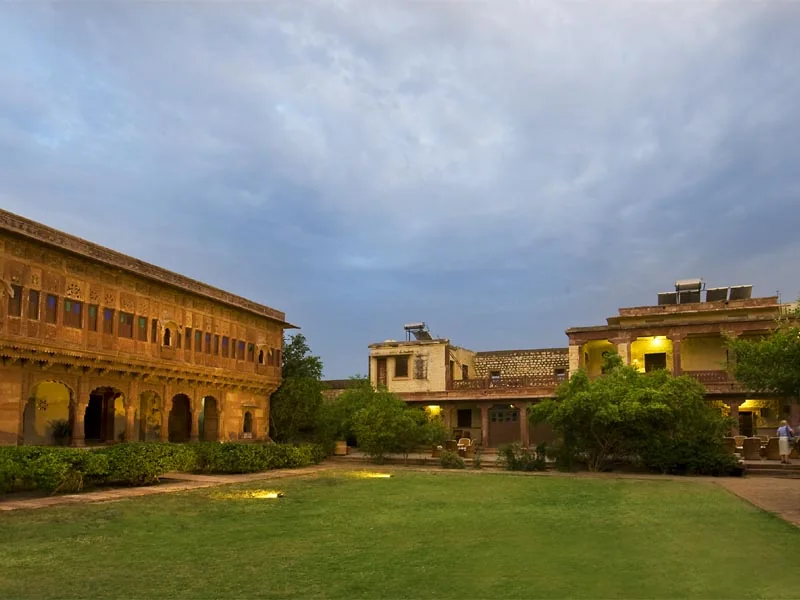
Rajput Provinces of India — Chandelao

Rajput Provinces of India — Chandelao
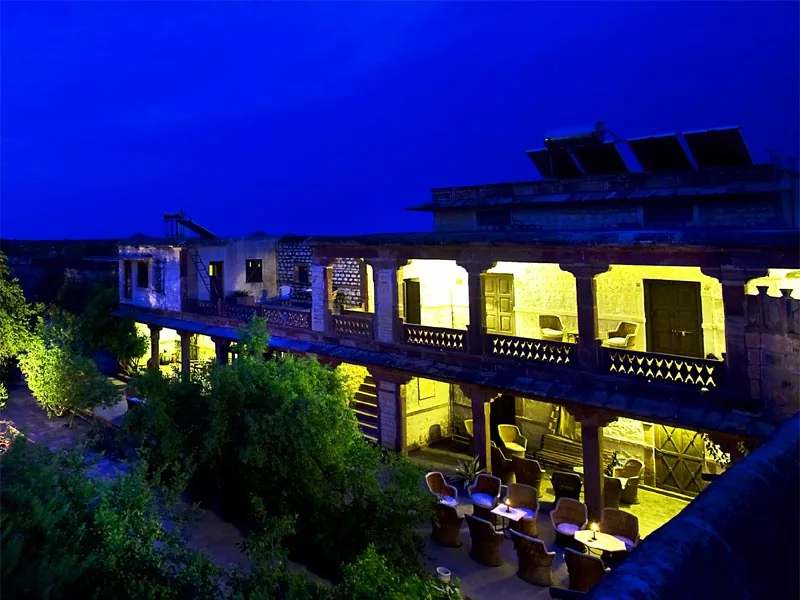
Rajput Provinces of India — Chandelao
This selection is limited to images identified in the cited sources. Further pictures will be added as their subjects and provenance are confirmed.
Picture sources checked 10 November 2026.
Related Video Gallery
Watch & explore · 5 YouTube videos
Direct house and place coverage is prioritised. Wider dynasty, regional or Indian royal-heritage films are labelled individually. Video claims and availability remain the publisher’s responsibility.
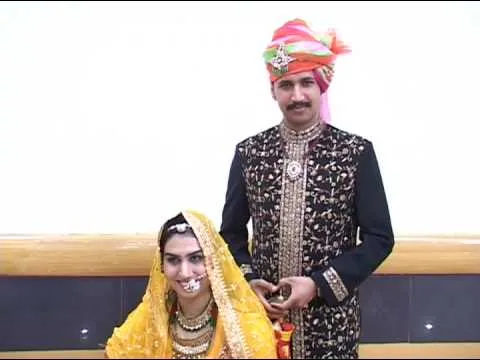
YouTube player loads when selected.
Abhinay Pragati Marriage
Abhinay Rathore
Dynasty/clan context: Rathore. This film concerns another house or site and does not establish a direct family relationship.
Watch on YouTube ↗
YouTube player loads when selected.
The story of Bikaner
NDTV GOOD TIMES
Dynasty/clan context: Rathore. This film concerns another house or site and does not establish a direct family relationship.
Watch on YouTube ↗
YouTube player loads when selected.
HH MAHARAJA HIMMAT SINGHJI IDAR
DR. PARIKSHIT SINGH
Dynasty/clan context: Rathore. This film concerns another house or site and does not establish a direct family relationship.
Watch on YouTube ↗
YouTube player loads when selected.
Inside Ajit Bhawan Palace Residence | Exclusive Royal Tour with the Rani Shweta Kumari of Jodhpur
Homely By LBB
Dynasty/clan context: Rathore. This film concerns another house or site and does not establish a direct family relationship.
Watch on YouTube ↗
YouTube player loads when selected.
Royal Fort of Kishangarh
WildFilmsIndia
Dynasty/clan context: Rathore. This film concerns another house or site and does not establish a direct family relationship.
Watch on YouTube ↗Page context sources · 1
Research checked 10 November 2026. These references support the facts, emblem descriptions and timeline above. Genealogy references remain in the family-tree section.
Historical identity and dates follow the cited sources. The existing genealogy notes record uncertainties. No record-specific interpretation of the emblem is supplied without a matching heraldic description.