
The Coat of Arms of Cooch Behar is the heraldic emblem of a princely state in the Bengal region (present-day West Bengal). It represents the lineage, authority and identity of the ruling house that held it.
Historical Background
Cooch Behar was a princely state in the north of Bengal, at the foot of the Himalaya and close to Bhutan. In 1901 it covered about 3,385 square kilometres. Its rulers, of the Koch dynasty, held the title of Maharaja from 1884 and enjoyed a 13-gun salute.
The Koch Kingdom
The Koch dynasty arose in the early 16th century as rulers of the Kamata kingdom, with its capital at Kamatapur. Under Maharaja Nara Narayan and his brother, the great general Chilarai, the Koch kingdom became one of the major powers of north-eastern India. After Nara Narayan’s death in 1586 the kingdom split, and the western portion became Koch Bihar – later Cooch Behar – with Lakshmi Narayan (1587–1621) as its first ruler. The capital moved to Cooch Behar town in 1693.
Mughals, Bhutan and the British
The Mughals reduced Cooch Behar to a vassal state in 1609. Later it fell under Bhutanese influence, until in 1773 the ruler sought help from the East India Company against Bhutan and became a British protectorate.
Maharaja Nripendra Narayan
The most famous ruler was Maharaja Nripendra Narayan (1863–1911), who modernised the state, built the grand Cooch Behar Palace (Victor Jubilee Palace) modelled on Buckingham Palace, and founded schools and colleges. His wife, Maharani Suniti Devi, was the daughter of the Brahmo reformer Keshub Chandra Sen and a pioneer of women’s education. Their granddaughter, Gayatri Devi, became Maharani of Jaipur.
Merger
Cooch Behar acceded to India and became a district of West Bengal in 1950. The palace is now a museum. The Cooch Behar coat of arms represents the Koch dynasty, one of the great royal houses of the eastern Himalayan region.
History of the Emblem
European-style armorial bearings for the Indian princely states were largely formalised for the Imperial Assemblage held at Delhi in 1877, when banners bearing the arms of each state were presented to the rulers. The designs blended traditional Indian symbols – the sun and moon of the Suryavanshi and Chandravanshi lines, family deities, sacred animals, weapons and regalia – with the structure of Western heraldry. As a 13-gun salute state, Cooch Behar held a recognised place in the precedence of the princes of India. These arms remained in official use on seals, coins, stamps, buildings and state documents until the princely states acceded to India and Pakistan after 1947.
Reading the Coat of Arms
A typical Indian royal coat of arms is made up of a few traditional elements:
- Shield (escutcheon) – the central field carrying the principal symbols of the house.
- Crest – the device placed above the shield, often a crown, a deity, a bird or an animal.
- Supporters – figures on either side of the shield, frequently horses, lions, tigers, elephants or mythical beasts.
- Motto scroll – a banner below the shield bearing a motto or invocation, usually in Sanskrit, Hindi, Persian or a regional language.
Sources
At a glance
- House
- Koch[1]Selected context from the cited research source; secondary compilations remain provisional.
Understanding the emblem
The descriptions below identify a documented version of these arms. Historical designs may differ from the reproduction in this collection.
Evidence on a coin
A catalogued royal coin shows lion and elephant supporters, Hanuman above, and crossed swords with a balance.[2]
Primary object catalogue. This describes arms on the coin, rather than certifying the collection image. The catalogue’s inconsistent reign dates are not used.
Motto inscription
The catalogue records the Sanskrit motto in Bengali script, transliterated “Yato Dharmo Stoto Jayah”.[2]
Transliteration follows the museum record; no unsupported translation is added.
Historical timeline
A selection of dated events and lives from the cited sources. Life dates are not reign dates; gaps do not imply uninterrupted rule.
Royal Lineage & Family Tree
Cooch Behar
Cooch Behar belonged to the Koch ruling house. The district government documents the founding father–son relationship.
This is a partial research extract, not a complete family register. Titles are historical or customary. Dates are identified as reigns or life dates where the source supplies them.
Family relationships
Open or close a descendant branch to explore. People without a documented connection remain separate. A person linked to multiple parents appears in each branch.
Chronological lineage · text view
Selected people in source chronology; this list does not imply direct descent or uninterrupted rule.
Sources & research notes
Research checked 10 November 2026. Interpretations remain subject to historical review; specialist compilations and family accounts may require independent corroboration.
Royal Family & Heritage Pictures
10 sourced images. Captions follow the identifications in the linked sources; heritage views are labelled separately.
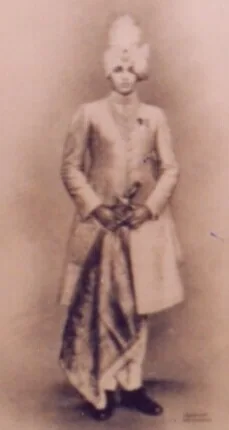
Rajput Provinces of India — Cooch Behar
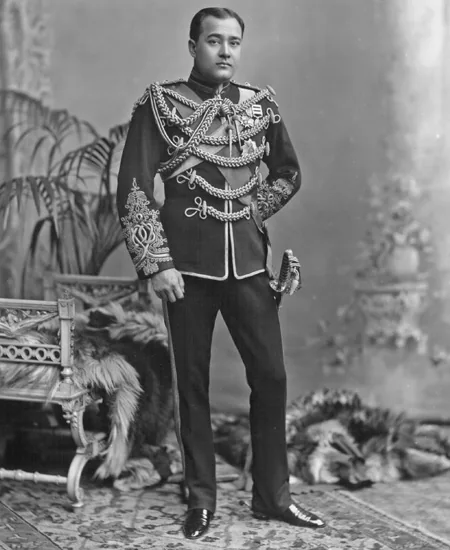
Rajput Provinces of India — Cooch Behar
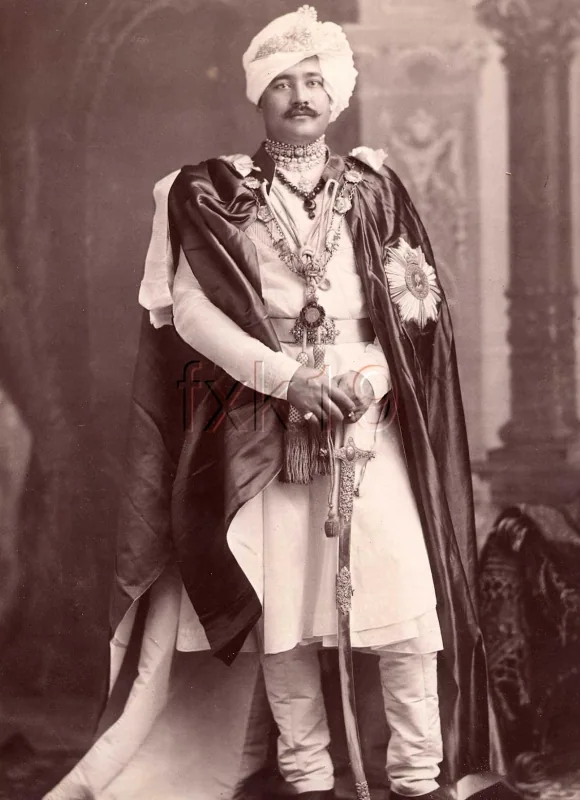
Rajput Provinces of India — Cooch Behar
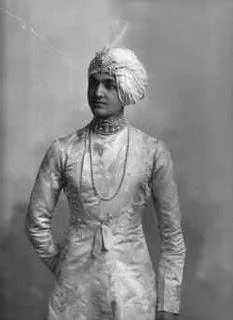
Rajput Provinces of India — Cooch Behar
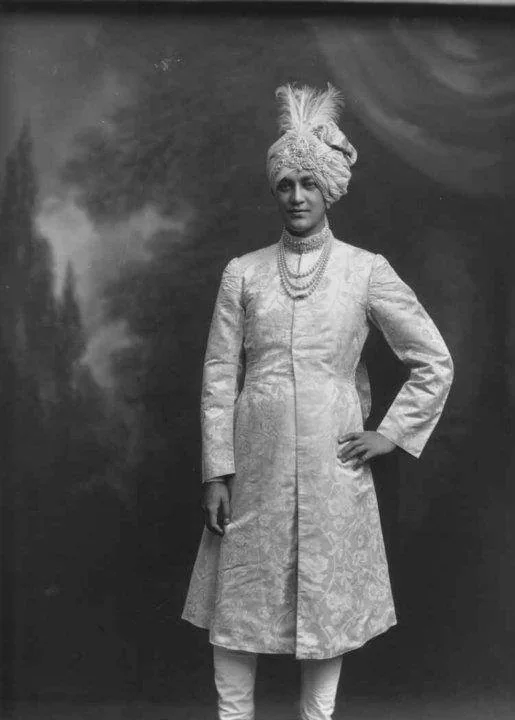
Rajput Provinces of India — Cooch Behar
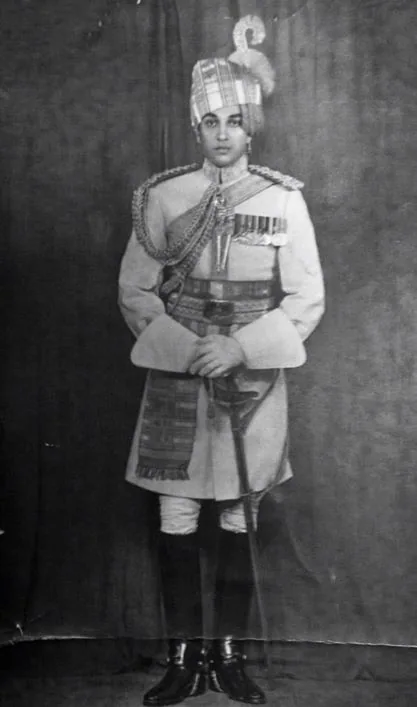
Rajput Provinces of India — Cooch Behar
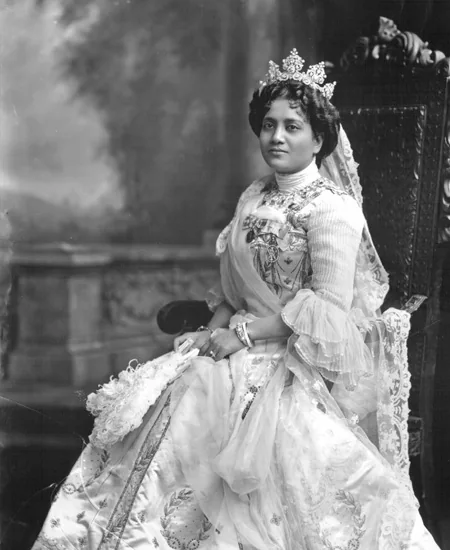
Rajput Provinces of India — Cooch Behar
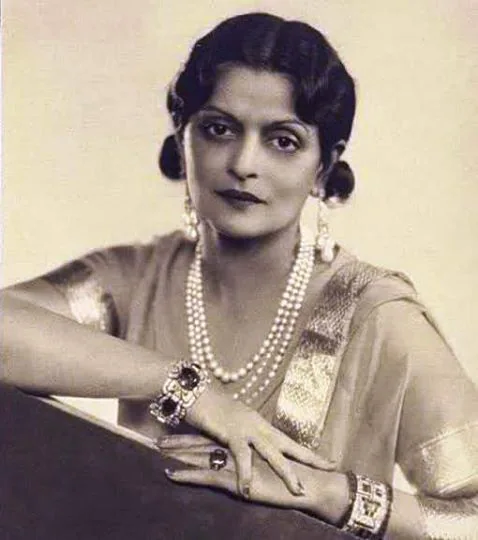
Rajput Provinces of India — Cooch Behar
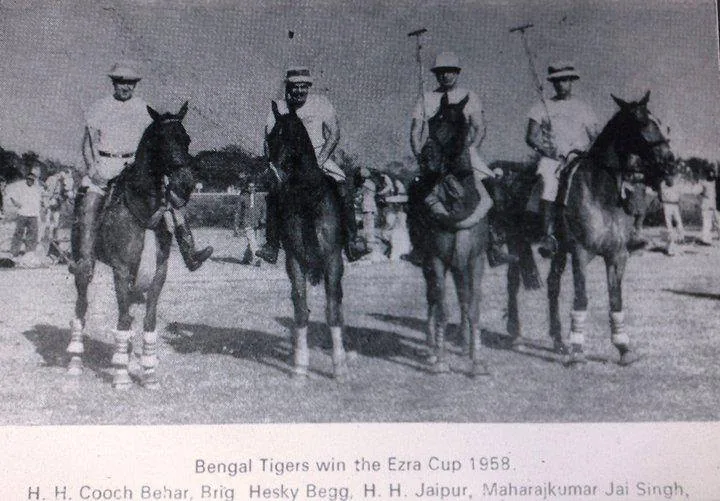
Rajput Provinces of India — Cooch Behar

Rajput Provinces of India — Cooch Behar
Picture sources checked 10 November 2026.
Related Video Gallery
Watch & explore · 5 YouTube videos
Direct house and place coverage is prioritised. Wider dynasty, regional or Indian royal-heritage films are labelled individually. Video claims and availability remain the publisher’s responsibility.

YouTube player loads when selected.
Inside Bengal’s Most Stunning Royal Palace! 🏰✨
Khanabadosh
Direct YouTube search result identifies this palace, fort, royal house or place. Historic claims in third-party video narration remain the publisher’s account.
Watch on YouTube ↗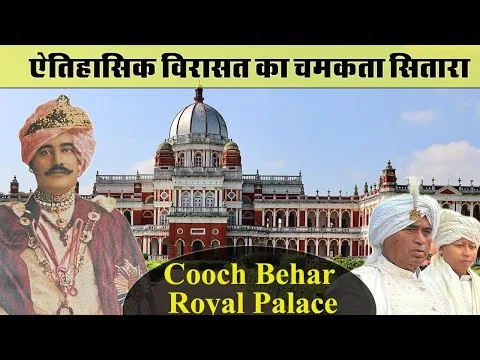
YouTube player loads when selected.
कूच बिहार राजमहल : कोच राजवंश की रॉयल विरासत की कहानी | Cooch Behar Rajbari History
Gyan Darpan
Direct YouTube search result identifies this palace, fort, royal house or place. Historic claims in third-party video narration remain the publisher’s account.
Watch on YouTube ↗
YouTube player loads when selected.
আমার চোখে কোচবিহার রাজবাড়ি | Cooch Behar Rajbari | Short Documentary
Independent Bangladesh
Direct YouTube search result identifies this palace, fort, royal house or place. Historic claims in third-party video narration remain the publisher’s account.
Watch on YouTube ↗
YouTube player loads when selected.
Insider Secrets to Jhargram Rajbari! Staying with the Royal Family!
Khanabadosh
Bengal royal-heritage context. This film is not presented as footage of this individual estate.
Watch on YouTube ↗
YouTube player loads when selected.
India’s Magnificent Royal Palaces
Kings and Things
Broader Indian royal-heritage context, not footage of this individual house or estate.
Watch on YouTube ↗Page context sources · 2
Research checked 10 November 2026. These references support the facts, emblem descriptions and timeline above. Genealogy references remain in the family-tree section.
- Cooch Behar District: Royal History ↗
- National Museum, New Delhi: Cooch Behar coin, accession 53.23/1284 ↗
Historical identity and dates follow the cited sources. The existing genealogy notes record uncertainties. No record-specific interpretation of the emblem is supplied without a matching heraldic description.