
The Coat of Arms of Khaneti is the heraldic emblem of a princely state in the Punjab Hill States region (present-day Himachal Pradesh). It represents the lineage, authority and identity of the ruling house that held it.
Khaneti was one of the small Simla Hill States.
History of the Emblem
European-style armorial bearings for the Indian princely states were largely formalised for the Imperial Assemblage held at Delhi in 1877, when banners bearing the arms of each state were presented to the rulers. The designs blended traditional Indian symbols – the sun and moon of the Suryavanshi and Chandravanshi lines, family deities, sacred animals, weapons and regalia – with the structure of Western heraldry. These arms remained in official use on seals, coins, stamps, buildings and state documents until the princely states acceded to India and Pakistan after 1947.
Reading the Coat of Arms
A typical Indian royal coat of arms is made up of a few traditional elements:
- Shield (escutcheon) – the central field carrying the principal symbols of the house.
- Crest – the device placed above the shield, often a crown, a deity, a bird or an animal.
- Supporters – figures on either side of the shield, frequently horses, lions, tigers, elephants or mythical beasts.
- Motto scroll – a banner below the shield bearing a motto or invocation, usually in Sanskrit, Hindi, Persian or a regional language.
At a glance
Historical timeline
A selection of dated events and lives from the cited sources. Life dates are not reign dates; gaps do not imply uninterrupted rule.
Royal Lineage & Family Tree
Khaneti
Khaneti was a small Shimla Hill State tributary to Bashahr.
This is a partial research extract, not a complete family register. Titles are historical or customary. Dates are identified as reigns or life dates where the source supplies them.
Family relationships
Open or close a descendant branch to explore. People without a documented connection remain separate. A person linked to multiple parents appears in each branch.
Chronological lineage · text view
Selected people in source chronology; this list does not imply direct descent or uninterrupted rule.
Sources & research notes
Research checked 10 November 2026. Interpretations remain subject to historical review; specialist compilations and family accounts may require independent corroboration.
Internet research checked the named estate and family; cited sources support only the displayed selected relationships. No continuous ancestry is inferred across missing generations.
Royal Family & Heritage Pictures
9 sourced images. Captions follow the identifications in the linked sources; heritage views are labelled separately.
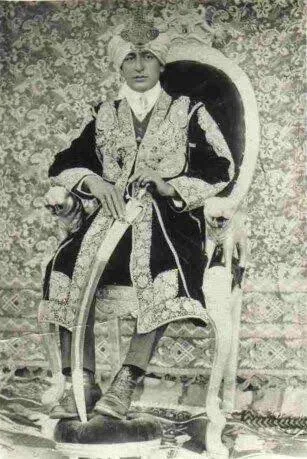
Rajput Provinces — Khaneti public picture archive
Photographer/rights holder not identified in the retrieved archive caption. Source archive credited; no licence clearance asserted.
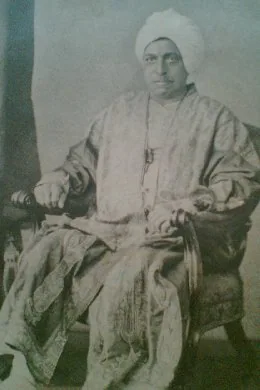
Rajput Provinces — Khaneti public picture archive
Photographer/rights holder not identified in the retrieved archive caption. Source archive credited; no licence clearance asserted.
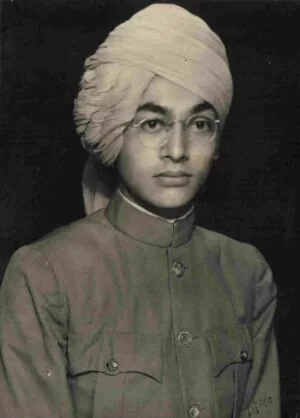
Rajput Provinces — Khaneti public picture archive
Photographer/rights holder not identified in the retrieved archive caption. Source archive credited; no licence clearance asserted.
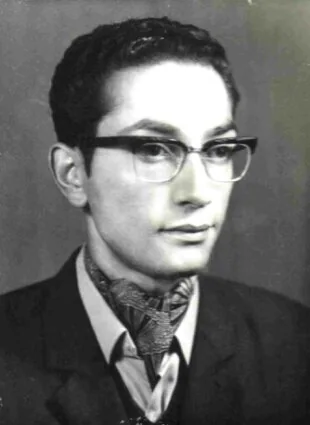
Rajput Provinces — Khaneti public picture archive
Photographer/rights holder not identified in the retrieved archive caption. Source archive credited; no licence clearance asserted.
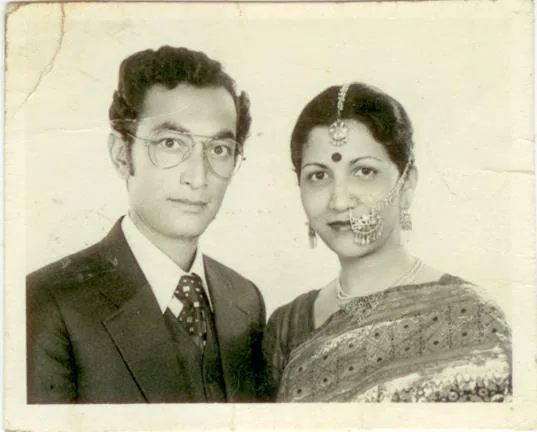
Rajput Provinces — Khaneti public picture archive
Photographer/rights holder not identified in the retrieved archive caption. Source archive credited; no licence clearance asserted.
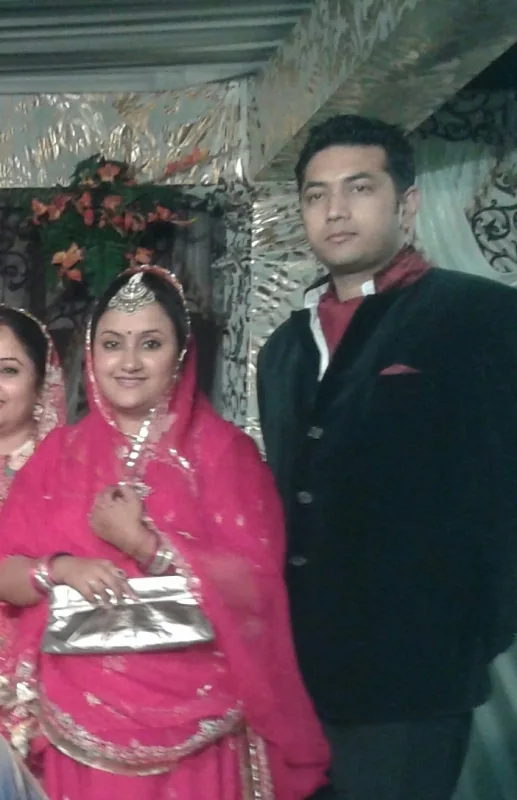
Rajput Provinces — Khaneti public picture archive
Photographer/rights holder not identified in the retrieved archive caption. Source archive credited; no licence clearance asserted.
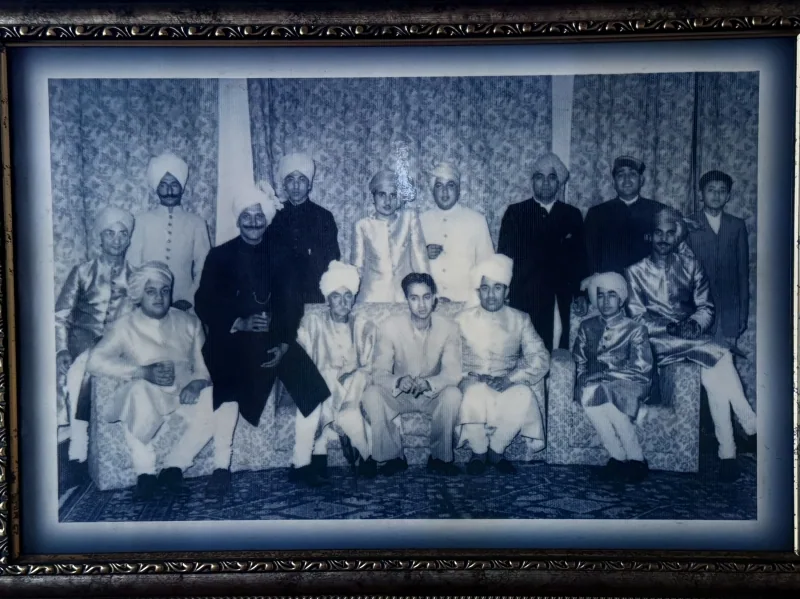
Rajput Provinces — Khaneti public picture archive
Photographer/rights holder not identified in the retrieved archive caption. Source archive credited; no licence clearance asserted.
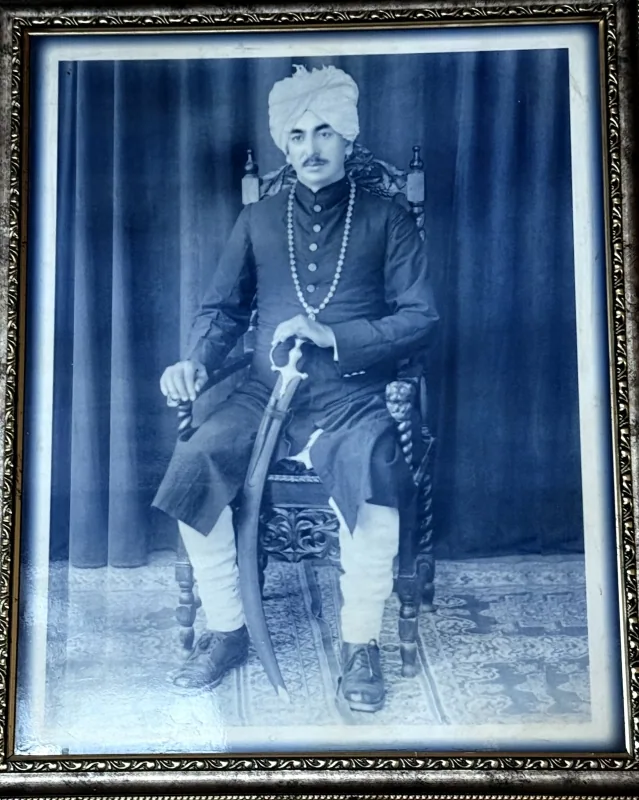
Rajput Provinces — Khaneti public picture archive
Photographer/rights holder not identified in the retrieved archive caption. Source archive credited; no licence clearance asserted.
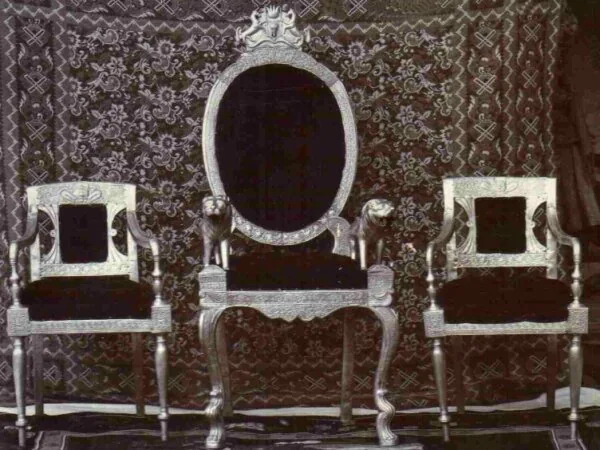
Rajput Provinces — Khaneti public picture archive
Photographer/rights holder unspecified in source caption.
This selection is limited to images identified in the cited sources. Further pictures will be added as their subjects and provenance are confirmed.
Picture sources checked 10 November 2026.
Related Video Gallery
Watch & explore · 5 YouTube videos
Direct house and place coverage is prioritised. Wider dynasty, regional or Indian royal-heritage films are labelled individually. Video claims and availability remain the publisher’s responsibility.
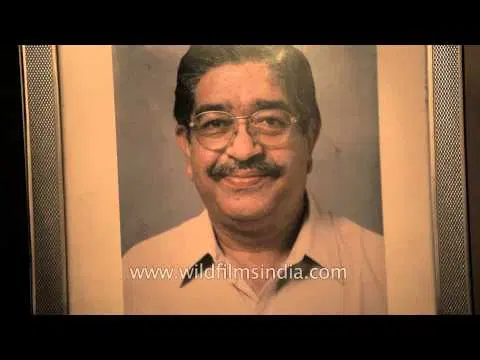
YouTube player loads when selected.
Portraits and pictures of royal family of Jubbal
WildFilmsIndia
Himalayan hill states royal-heritage context. This film is not presented as footage of this individual estate.
Watch on YouTube ↗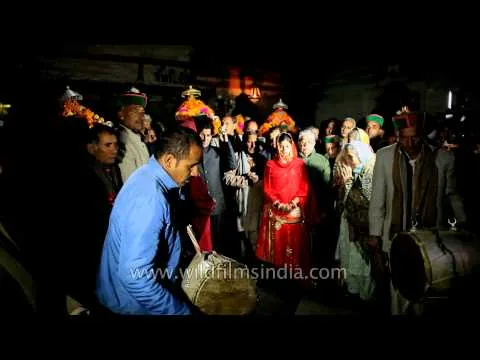
YouTube player loads when selected.
The royal family of Jubbal leave their palace, for blessings from the gods
WildFilmsIndia
Himalayan hill states royal-heritage context. This film is not presented as footage of this individual estate.
Watch on YouTube ↗
YouTube player loads when selected.
Padam Palace History & Architecture | Rampur Bushahr🌸
SHRUTI SPHERE
Himalayan hill states royal-heritage context. This film is not presented as footage of this individual estate.
Watch on YouTube ↗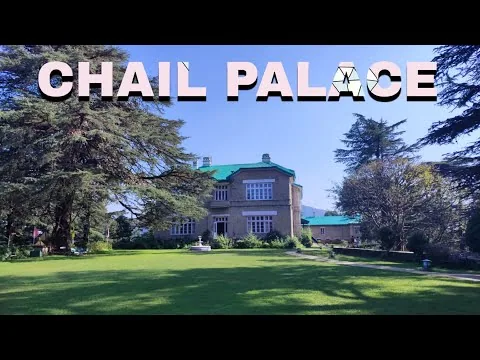
YouTube player loads when selected.
CHAIL PALACE | Premium Heritage Hotel | SOLAN | VLOG 2025
T&T Relish
Himalayan hill states royal-heritage context. This film is not presented as footage of this individual estate.
Watch on YouTube ↗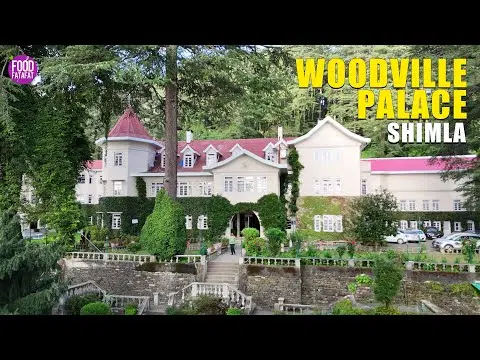
YouTube player loads when selected.
Hotel Woodville Palace Shimla (A Heritage property since 1938) | Resort In Shimla Himachal Pradesh
Food Fatafat
Himalayan hill states royal-heritage context. This film is not presented as footage of this individual estate.
Watch on YouTube ↗Page context sources · 1
Research checked 10 November 2026. These references support the facts, emblem descriptions and timeline above. Genealogy references remain in the family-tree section.
Selected sourced facts only. Collection classifications are legacy editorial labels; uncertain fields are omitted. No symbolic meaning is inferred from generic heraldic motifs.