
The Coat of Arms of Palasni is the heraldic emblem of a thikana. It represents the lineage, authority and identity of the ruling house that held it.
History of the Emblem
From the late 19th century onward, many thikanas, talukas, jagirs and great estates followed the princely states in adopting heraldic achievements. These emblems were displayed on gateways, palace facades, carriages, silver, letterheads and seals, and often echoed the arms of the parent state or clan, adapted with family-specific symbols.
Reading the Coat of Arms
A typical Indian royal coat of arms is made up of a few traditional elements:
- Shield (escutcheon) – the central field carrying the principal symbols of the house.
- Crest – the device placed above the shield, often a crown, a deity, a bird or an animal.
- Supporters – figures on either side of the shield, frequently horses, lions, tigers, elephants or mythical beasts.
- Motto scroll – a banner below the shield bearing a motto or invocation, usually in Sanskrit, Hindi, Persian or a regional language.
Detailed published records on this estate are limited. Information on this page will be expanded as research continues – families and historians are welcome to share verified details through the contact page.
At a glance
- Dynasty / house
- Rajparmar[1]The cited genealogy/history supplies this identification; its corroboration limits are retained in the research notes.
Royal Lineage & Family Tree
Palasni
Palasni’s rulers are recorded as Rajparmar. This fragment preserves an explicitly identified father and son.
This is a partial research extract, not a complete family register. Titles are historical or customary. Dates are identified as reigns or life dates where the source supplies them.
Family relationships
Open or close a descendant branch to explore. People without a documented connection remain separate. A person linked to multiple parents appears in each branch.
Chronological lineage · text view
Selected people in source chronology; this list does not imply direct descent or uninterrupted rule.
Sources & research notes
Research checked 10 November 2026. Interpretations remain subject to historical review; specialist compilations and family accounts may require independent corroboration.
Internet research checked 10 November 2026. Query scope: palasni royal family genealogy, historical references, and matching specialist family pages. Only explicit parentage or visible nested genealogy is encoded as child; succession and adoption remain distinct.
Royal Family & Heritage Pictures
10 sourced images. Captions follow the identifications in the linked sources; heritage views are labelled separately.
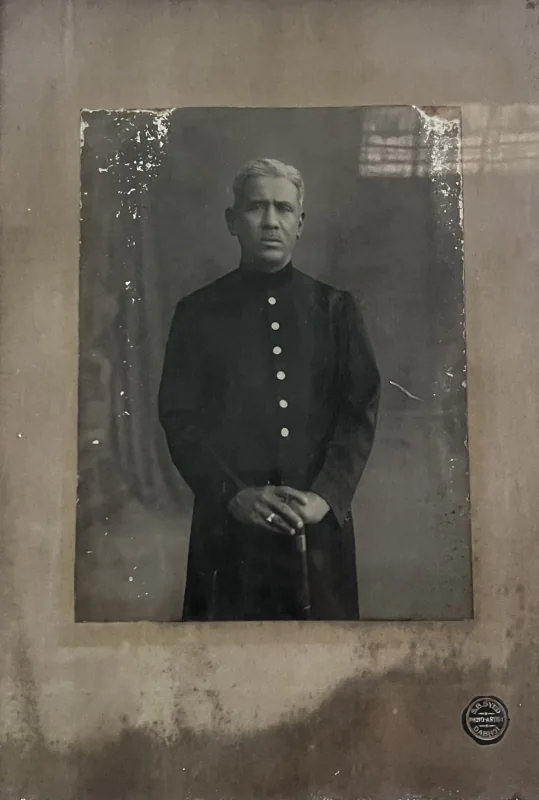
Rajput Provinces of India — Palasni picture gallery
Rajput Provinces of India; individual photographer not specified in gallery metadata
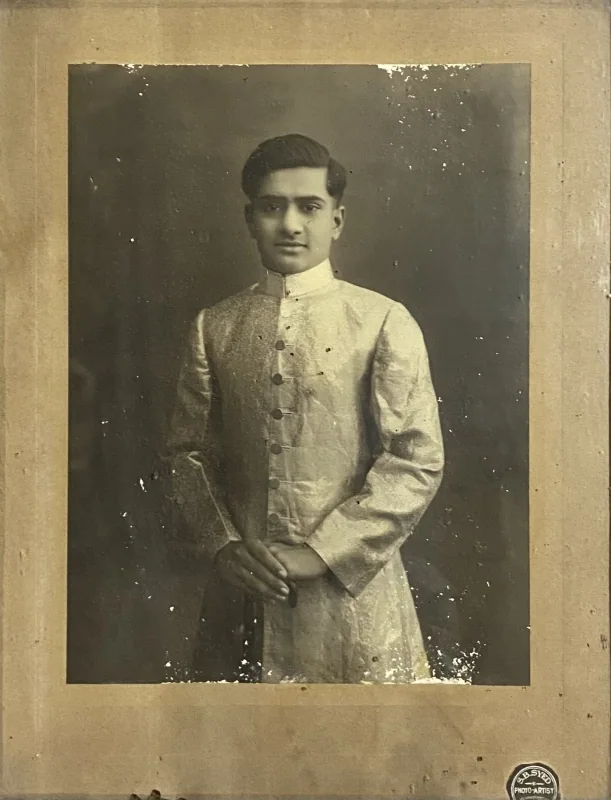
Rajput Provinces of India — Palasni picture gallery
Rajput Provinces of India; individual photographer not specified in gallery metadata
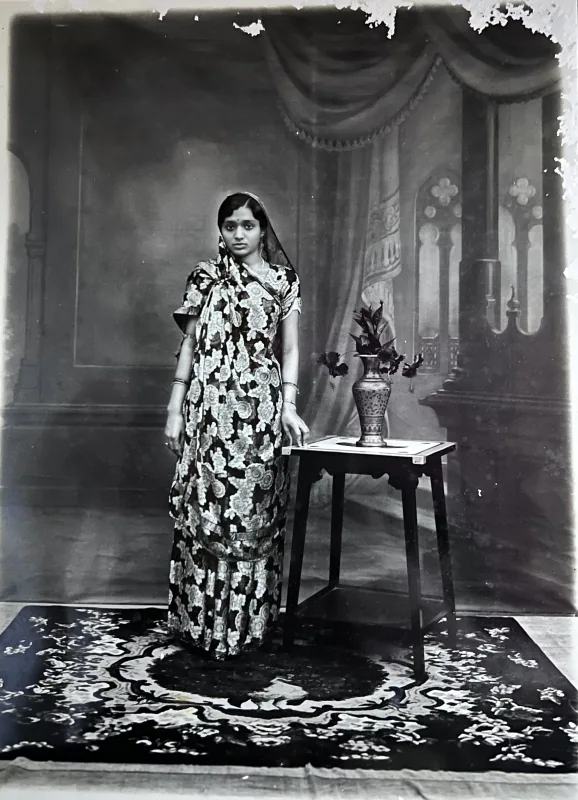
Rajput Provinces of India — Palasni picture gallery
Rajput Provinces of India; individual photographer not specified in gallery metadata
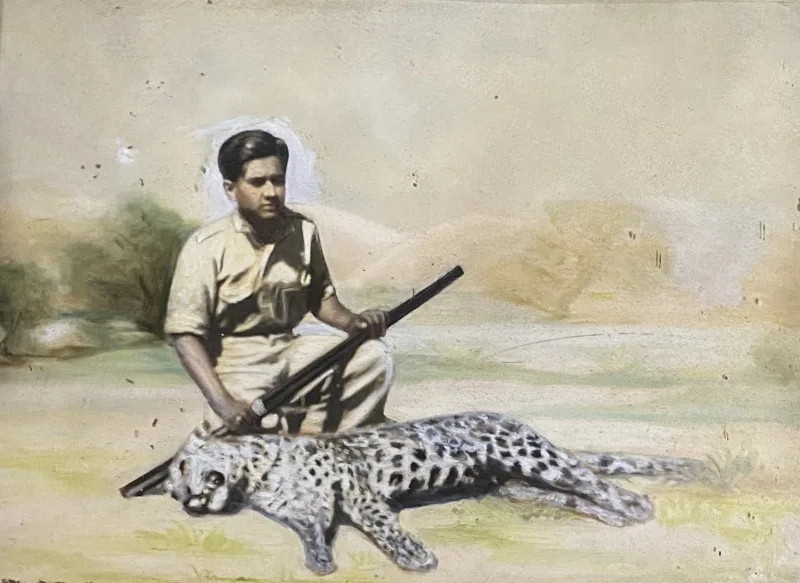
Rajput Provinces of India — Palasni picture gallery
Rajput Provinces of India; individual photographer not specified in gallery metadata
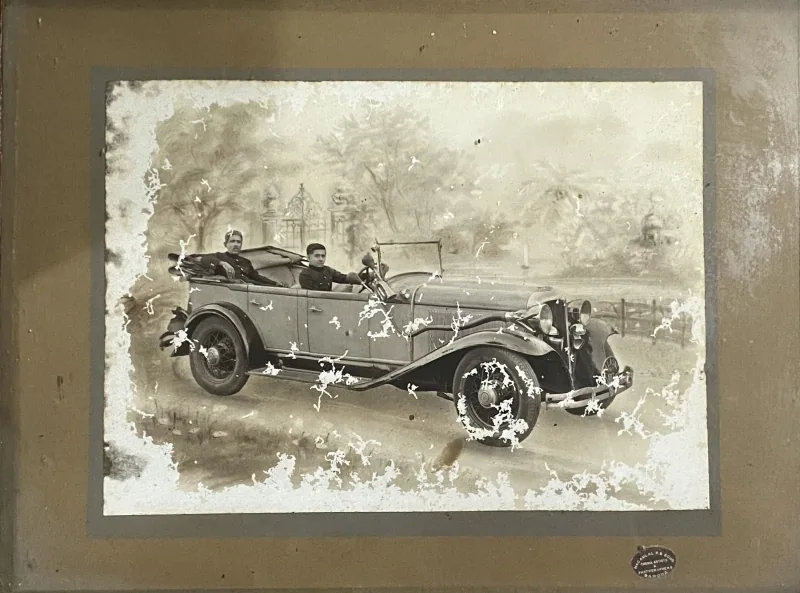
Rajput Provinces of India — Palasni picture gallery
Rajput Provinces of India; individual photographer not specified in gallery metadata
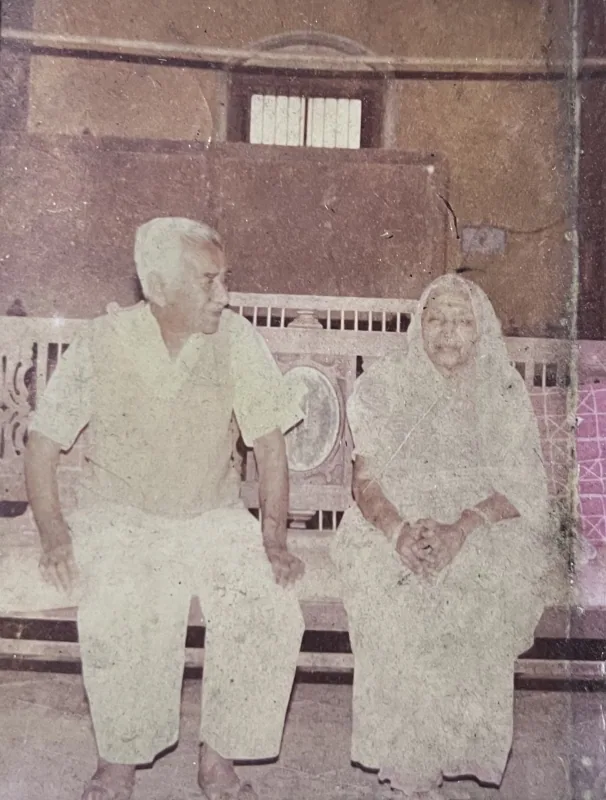
Rajput Provinces of India — Palasni picture gallery
Rajput Provinces of India; individual photographer not specified in gallery metadata
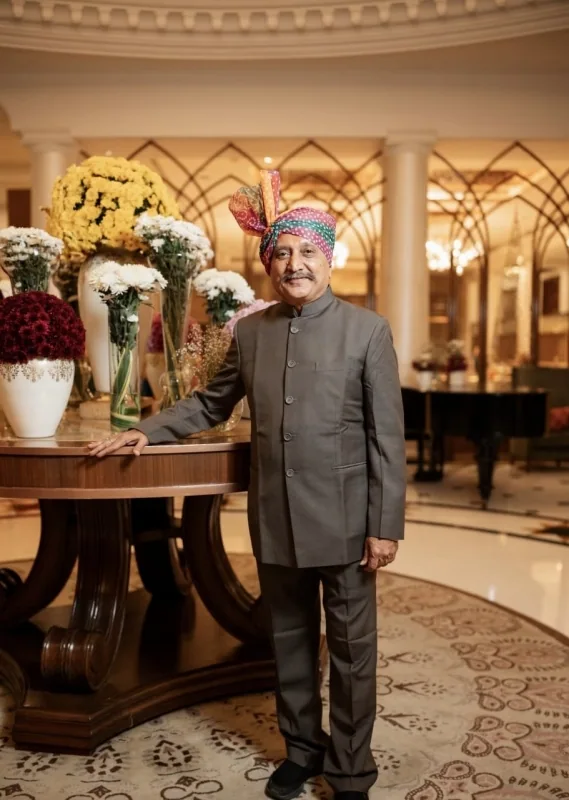
Rajput Provinces of India — Palasni picture gallery
Rajput Provinces of India; individual photographer not specified in gallery metadata
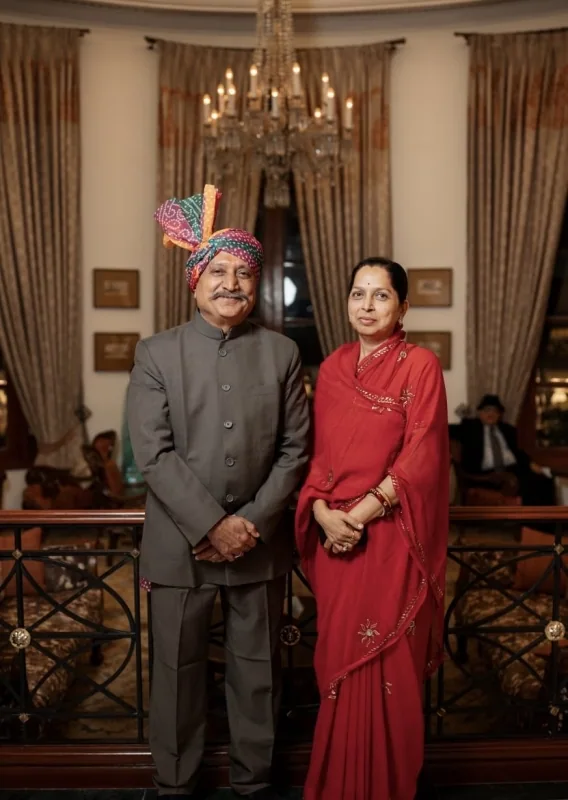
Rajput Provinces of India — Palasni picture gallery
Rajput Provinces of India; individual photographer not specified in gallery metadata
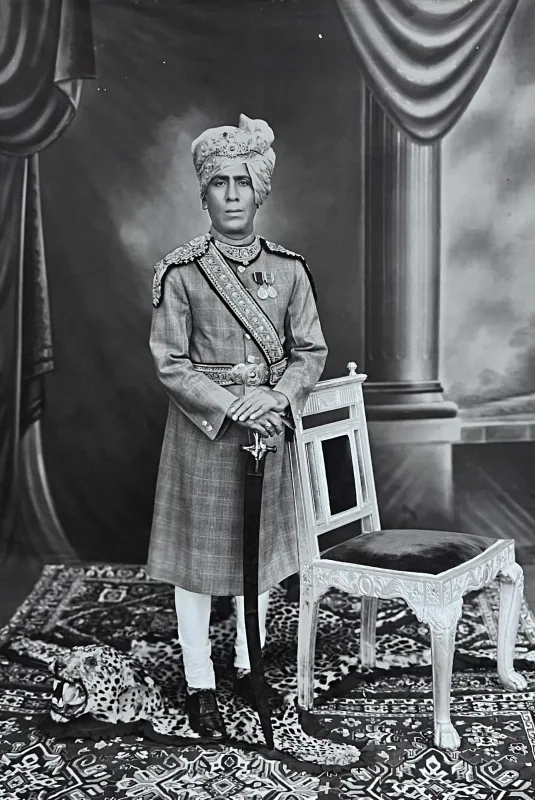
Rajput Provinces of India — Palasni picture gallery
Rajput Provinces of India; individual photographer not specified in gallery metadata
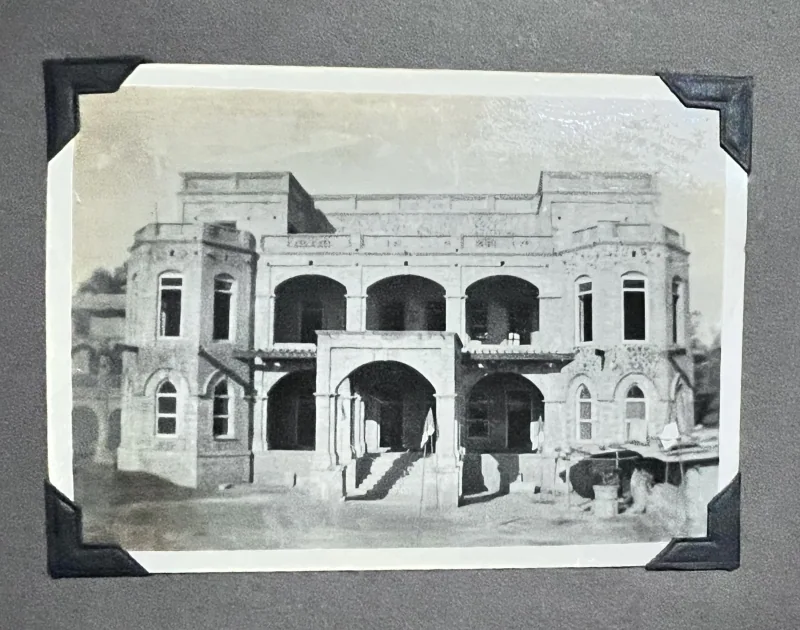
Rajput Provinces of India — Palasni picture gallery
Rajput Provinces of India; individual photographer not specified in gallery metadata
Picture sources checked 10 November 2026.
Related Video Gallery
Watch & explore · 5 YouTube videos
Direct house and place coverage is prioritised. Wider dynasty, regional or Indian royal-heritage films are labelled individually. Video claims and availability remain the publisher’s responsibility.
YouTube player loads when selected.
India’s Magnificent Royal Palaces
Kings and Things
Broader Indian royal-heritage context, not footage of this individual house or estate.
Watch on YouTube ↗
YouTube player loads when selected.
The Indian Royal Families You Never Knew Existed | Royal India | Real Royalty
Real Royalty
Broader Indian royal-heritage context, not footage of this individual house or estate.
Watch on YouTube ↗
YouTube player loads when selected.
The Secret Lives of the Maharajahs | Indian Royalty
Royalworld – Nobility & Dynasties
Broader Indian royal-heritage context, not footage of this individual house or estate.
Watch on YouTube ↗
YouTube player loads when selected.
Royal Fables | India’s Royal Heritage Exhibition | Exclusive @SouthernAsianNews
Southern Asian News
Broader Indian royal-heritage context, not footage of this individual house or estate.
Watch on YouTube ↗
YouTube player loads when selected.
Royal Treatment in Maharajas’ Express! | India’s Mega Kitchens | National Geographic
National Geographic India
Broader Indian royal-heritage context, not footage of this individual house or estate.
Watch on YouTube ↗Page context sources · 1
Research checked 10 November 2026. These references support the facts, emblem descriptions and timeline above. Genealogy references remain in the family-tree section.
This is a selected historical fragment, not a complete family tree. Secondary genealogical compilations require archival corroboration.