
The Coat of Arms of Ranka is the heraldic emblem of an estate (zamindari / taluqdari) in the Bihar & Jharkhand region (present-day Bihar / Jharkhand). It represents the lineage, authority and identity of the ruling house that held it.
Ranka was an estate in the Palamu region of present Jharkhand.
History of the Emblem
From the late 19th century onward, many thikanas, talukas, jagirs and great estates followed the princely states in adopting heraldic achievements. These emblems were displayed on gateways, palace facades, carriages, silver, letterheads and seals, and often echoed the arms of the parent state or clan, adapted with family-specific symbols.
Reading the Coat of Arms
A typical Indian royal coat of arms is made up of a few traditional elements:
- Shield (escutcheon) – the central field carrying the principal symbols of the house.
- Crest – the device placed above the shield, often a crown, a deity, a bird or an animal.
- Supporters – figures on either side of the shield, frequently horses, lions, tigers, elephants or mythical beasts.
- Motto scroll – a banner below the shield bearing a motto or invocation, usually in Sanskrit, Hindi, Persian or a regional language.
At a glance
- Historical region
- Palamu[1]The cited genealogy/history supplies this identification; its corroboration limits are retained in the research notes.
Historical timeline
A selection of dated events and lives from the cited sources. Life dates are not reign dates; gaps do not imply uninterrupted rule.
Royal Lineage & Family Tree
Ranka
The Ranka compilation describes a line originating at Dhaudhar and later associated with Palamu. The following is its explicitly stated father–son fragment.
This is a partial research extract, not a complete family register. Titles are historical or customary. Dates are identified as reigns or life dates where the source supplies them.
Family relationships
Open or close a descendant branch to explore. People without a documented connection remain separate. A person linked to multiple parents appears in each branch.
Chronological lineage · text view
Selected people in source chronology; this list does not imply direct descent or uninterrupted rule.
Sources & research notes
Research checked 10 November 2026. Interpretations remain subject to historical review; specialist compilations and family accounts may require independent corroboration.
Internet research checked 10 November 2026. Query scope: ranka royal family genealogy, historical references, and matching specialist family pages. Only explicit parentage or visible nested genealogy is encoded as child; succession and adoption remain distinct.
Royal Family & Heritage Pictures
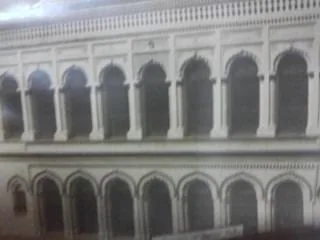
7 sourced images. Captions follow the identifications in the linked sources; heritage views are labelled separately.
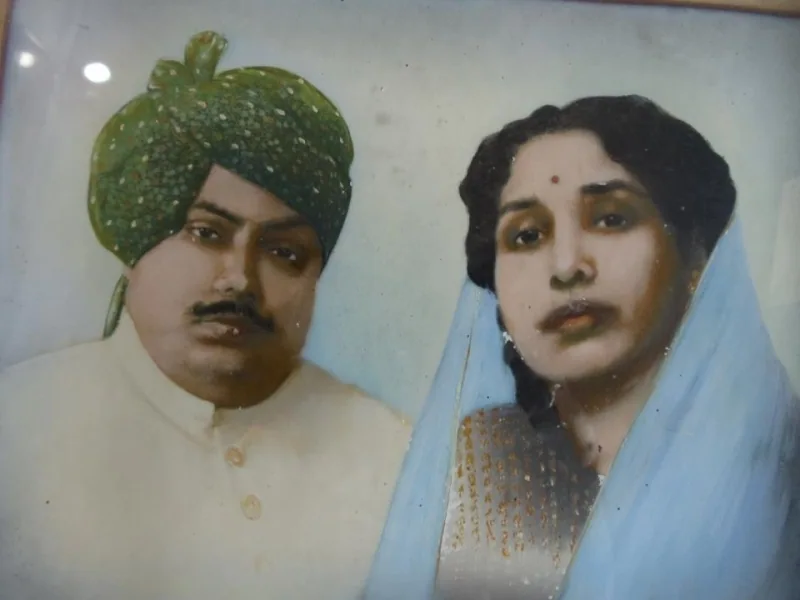
Rajput Provinces of India — Ranka picture gallery
Rajput Provinces of India; individual photographer not specified in gallery metadata
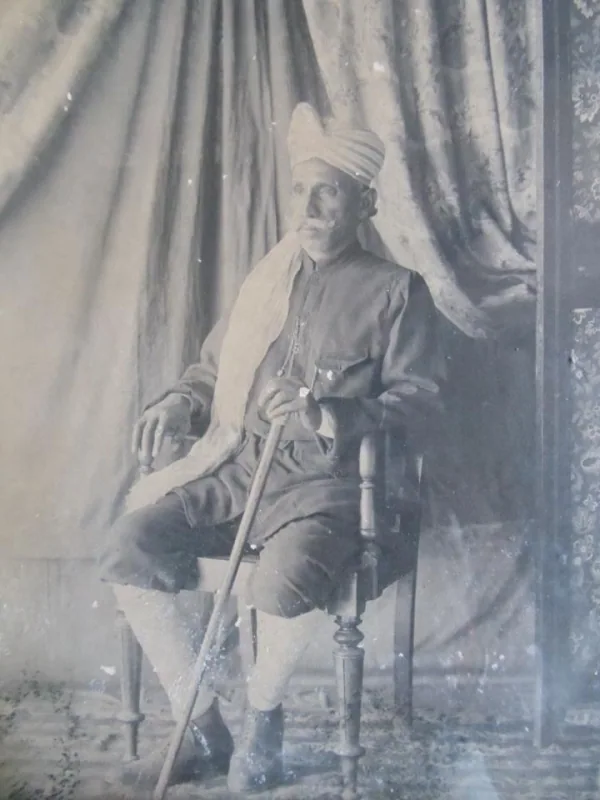
Rajput Provinces of India — Ranka picture gallery
Rajput Provinces of India; individual photographer not specified in gallery metadata
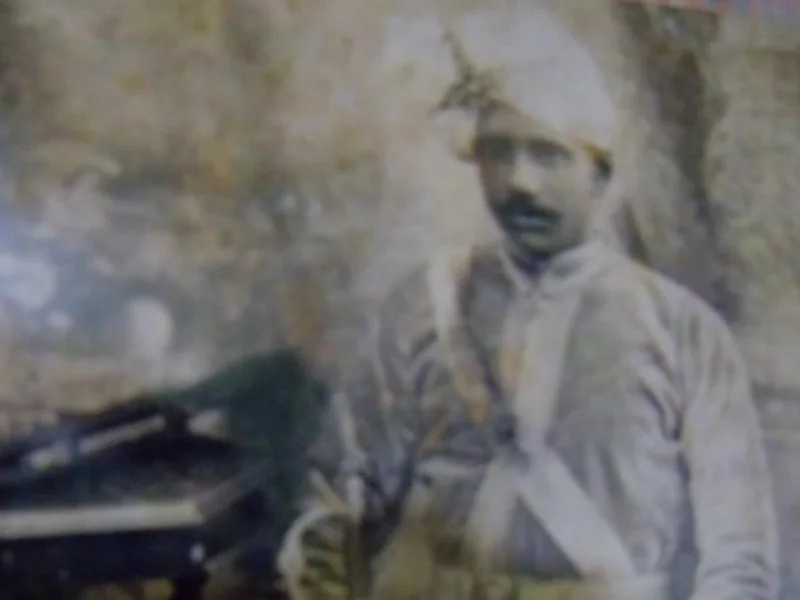
Rajput Provinces of India — Ranka picture gallery
Rajput Provinces of India; individual photographer not specified in gallery metadata
Rajput Provinces of India — Ranka picture gallery
Rajput Provinces of India; individual photographer not specified in gallery metadata
Rajput Provinces of India — Ranka picture gallery
Rajput Provinces of India; individual photographer not specified in gallery metadata
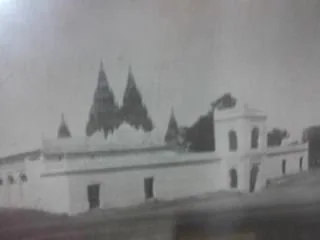
Rajput Provinces of India — Ranka picture gallery
Rajput Provinces of India; individual photographer not specified in gallery metadata
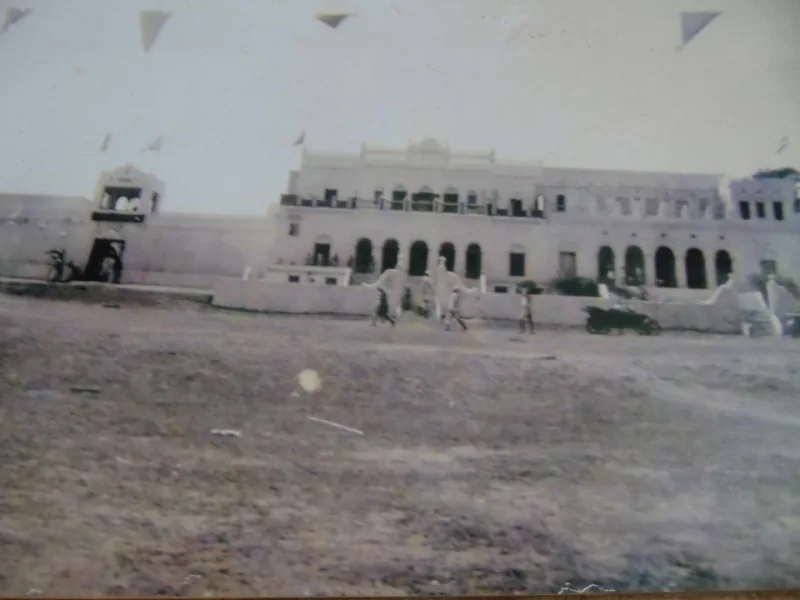
Rajput Provinces of India — Ranka picture gallery
Rajput Provinces of India; individual photographer not specified in gallery metadata
This selection is limited to images identified in the cited sources. Further pictures will be added as their subjects and provenance are confirmed.
Picture sources checked 10 November 2026.
Related Video Gallery
Watch & explore · 5 YouTube videos
Direct house and place coverage is prioritised. Wider dynasty, regional or Indian royal-heritage films are labelled individually. Video claims and availability remain the publisher’s responsibility.
YouTube player loads when selected.
Maharaj Kapileshwar Singh of Darbhanga Graces Parshuram Jayanti Samman Samaroh
Bhumendrapal Singh
Bihar & Jharkhand royal-heritage context. This film is not presented as footage of this individual estate.
Watch on YouTube ↗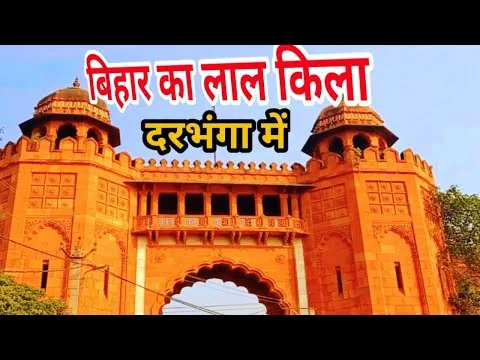
YouTube player loads when selected.
Darbhanga Raj | दरभंगा महाराज का महल | Darbhanga Raj History | Hindi | KA Films |
KA Films
Bihar & Jharkhand royal-heritage context. This film is not presented as footage of this individual estate.
Watch on YouTube ↗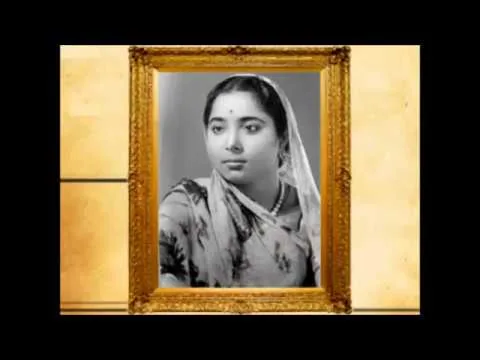
YouTube player loads when selected.
Darbhanga Maharaj: HISTORY OF DARBHANGA RAJ, NORTH BIHAR
Mithila Express
Bihar & Jharkhand royal-heritage context. This film is not presented as footage of this individual estate.
Watch on YouTube ↗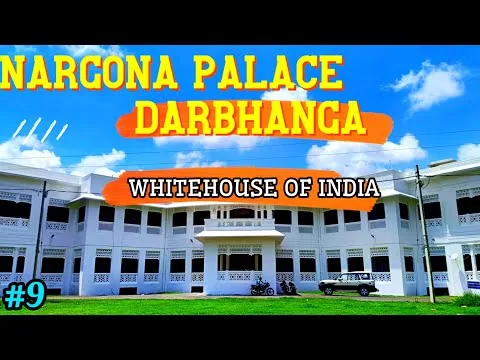
YouTube player loads when selected.
Nargona Palace | Darbhanga #tour #vlog #youtube
jai apan bihar
Bihar & Jharkhand royal-heritage context. This film is not presented as footage of this individual estate.
Watch on YouTube ↗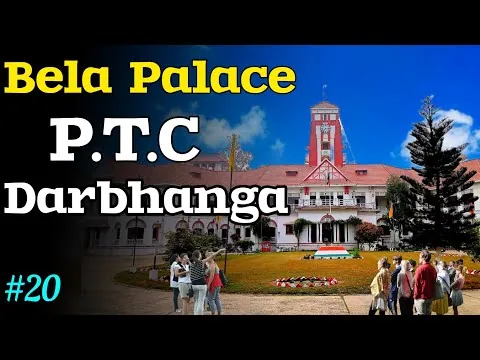
YouTube player loads when selected.
Bela Palace Darbhanga | P.T.C Darbhanga | let’s Explore
jai apan bihar
Bihar & Jharkhand royal-heritage context. This film is not presented as footage of this individual estate.
Watch on YouTube ↗Page context sources · 1
Research checked 10 November 2026. These references support the facts, emblem descriptions and timeline above. Genealogy references remain in the family-tree section.
A secondary compilation records this relationship. Its wider founding narrative is not independently verified here.