
The Coat of Arms of Sitamau is the heraldic emblem of a princely state in the Central India & Malwa region (present-day Madhya Pradesh). It represents the lineage, authority and identity of the ruling house that held it.
Sitamau was a Rathore state of Malwa; the Natnagar Shodh Sansthan research library was founded by its prince Raghubir Singh.
The ruling family belonged to the Rathore line. Clan identity is often reflected in the choice of emblems on the shield, crest and supporters.
History of the Emblem
European-style armorial bearings for the Indian princely states were largely formalised for the Imperial Assemblage held at Delhi in 1877, when banners bearing the arms of each state were presented to the rulers. The designs blended traditional Indian symbols – the sun and moon of the Suryavanshi and Chandravanshi lines, family deities, sacred animals, weapons and regalia – with the structure of Western heraldry. As a 11-gun salute state, Sitamau held a recognised place in the precedence of the princes of India. These arms remained in official use on seals, coins, stamps, buildings and state documents until the princely states acceded to India and Pakistan after 1947.
Reading the Coat of Arms
A typical Indian royal coat of arms is made up of a few traditional elements:
- Shield (escutcheon) – the central field carrying the principal symbols of the house.
- Crest – the device placed above the shield, often a crown, a deity, a bird or an animal.
- Supporters – figures on either side of the shield, frequently horses, lions, tigers, elephants or mythical beasts.
- Motto scroll – a banner below the shield bearing a motto or invocation, usually in Sanskrit, Hindi, Persian or a regional language.
At a glance
- Dynasty / house
- Rathore[1]The cited genealogy/history supplies this identification; its corroboration limits are retained in the research notes.
Understanding the emblem
The descriptions below identify a documented version of these arms. Historical designs may differ from the reproduction in this collection.
Historical arms
Three blue fleurs-de-lis on a silver diagonal band over red; boar supporters.[2]
Historical version described by a secondary heraldic reference. This is not verification that the collection reproduction is identical. No additional symbolic meaning is inferred.
Historical timeline
A selection of dated events and lives from the cited sources. Life dates are not reign dates; gaps do not imply uninterrupted rule.
Royal Lineage & Family Tree
Sitamau
Sitamau was a Rathore house related to Ratlam. The source explicitly connects its first three recorded rulers.
This is a partial research extract, not a complete family register. Titles are historical or customary. Dates are identified as reigns or life dates where the source supplies them.
Family relationships
Open or close a descendant branch to explore. People without a documented connection remain separate. A person linked to multiple parents appears in each branch.
Chronological lineage · text view
Selected people in source chronology; this list does not imply direct descent or uninterrupted rule.
Sources & research notes
Research checked 10 November 2026. Interpretations remain subject to historical review; specialist compilations and family accounts may require independent corroboration.
Internet research checked 10 November 2026. Query scope: sitamau royal family genealogy, historical references, and matching specialist family pages. Only explicit parentage or visible nested genealogy is encoded as child; succession and adoption remain distinct.
Royal Family & Heritage Pictures
9 sourced images. Captions follow the identifications in the linked sources; heritage views are labelled separately.
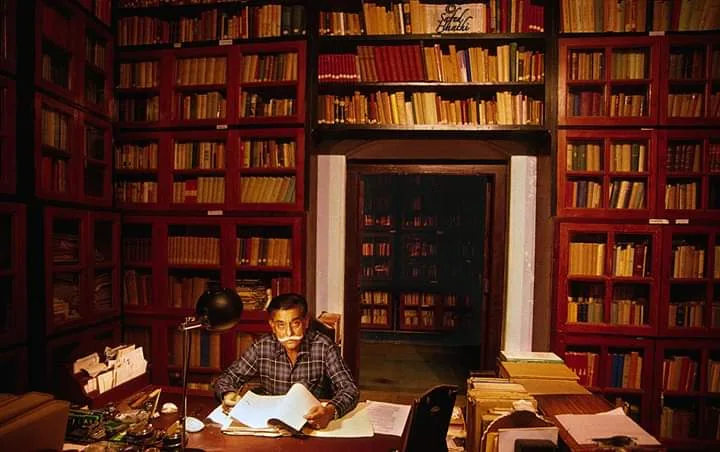
Rajput Provinces of India — Sitamau picture gallery
Rajput Provinces of India; individual photographer not specified in gallery metadata
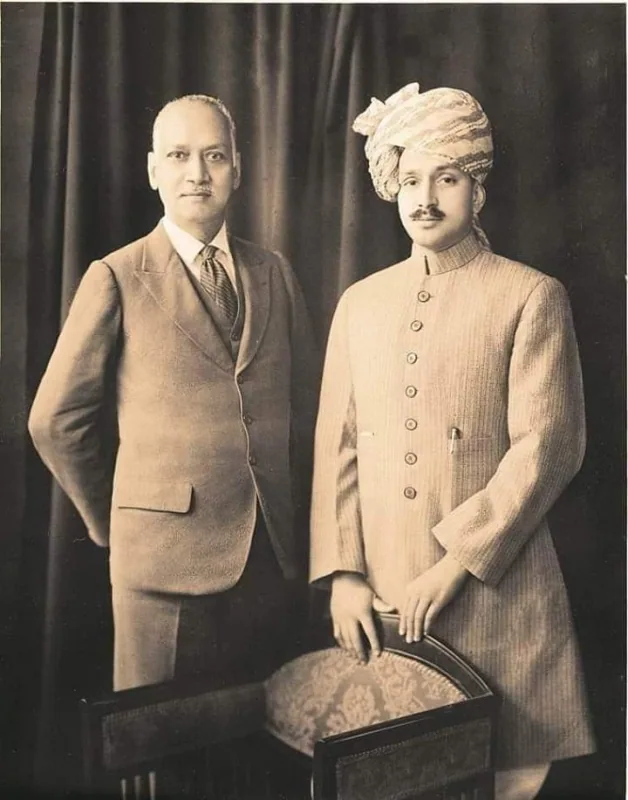
Rajput Provinces of India — Sitamau picture gallery
Rajput Provinces of India; individual photographer not specified in gallery metadata
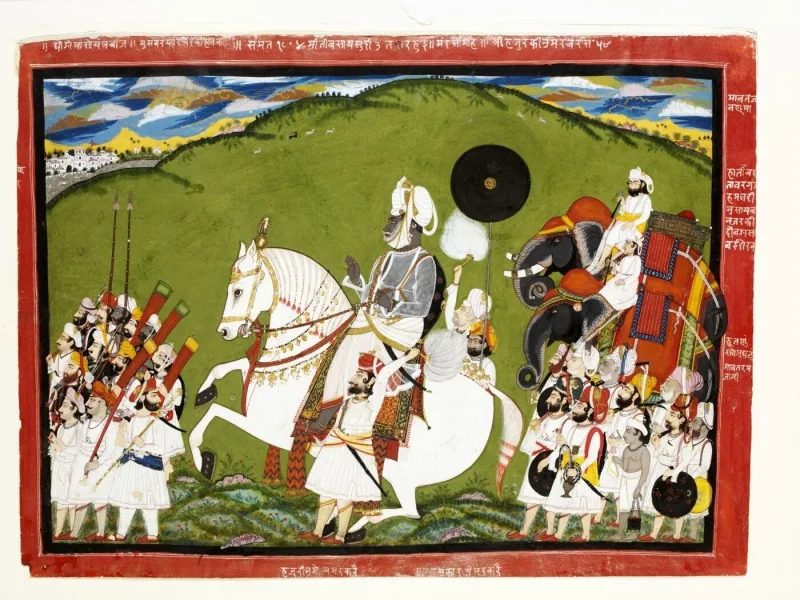
Rajput Provinces of India — Sitamau picture gallery
Rajput Provinces of India; individual photographer not specified in gallery metadata
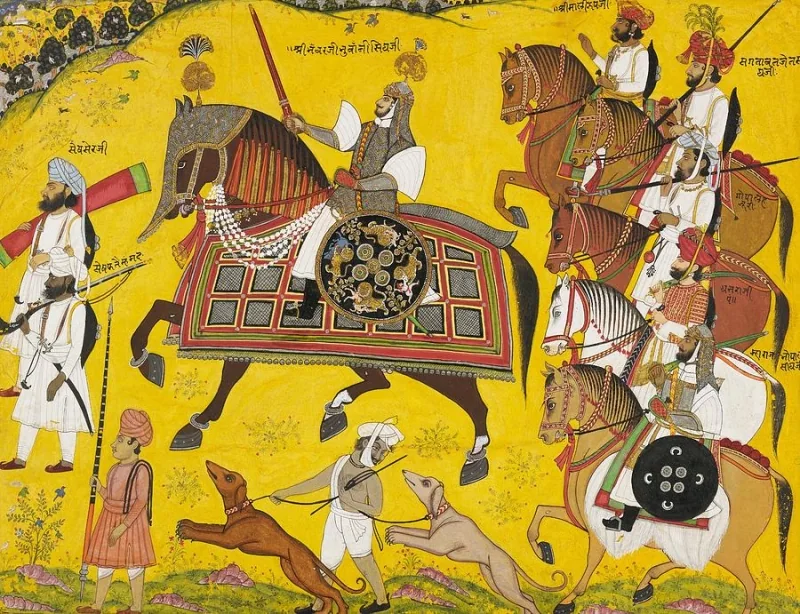
Rajput Provinces of India — Sitamau picture gallery
Rajput Provinces of India; individual photographer not specified in gallery metadata
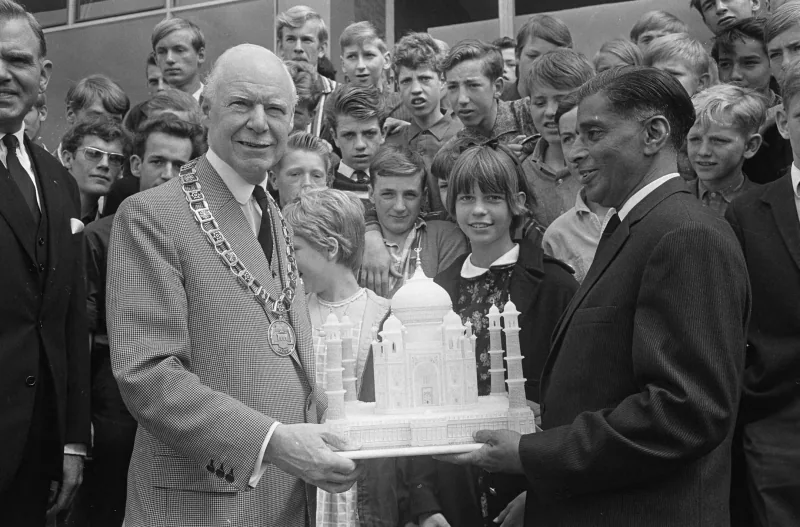
Rajput Provinces of India — Sitamau picture gallery
Rajput Provinces of India; individual photographer not specified in gallery metadata
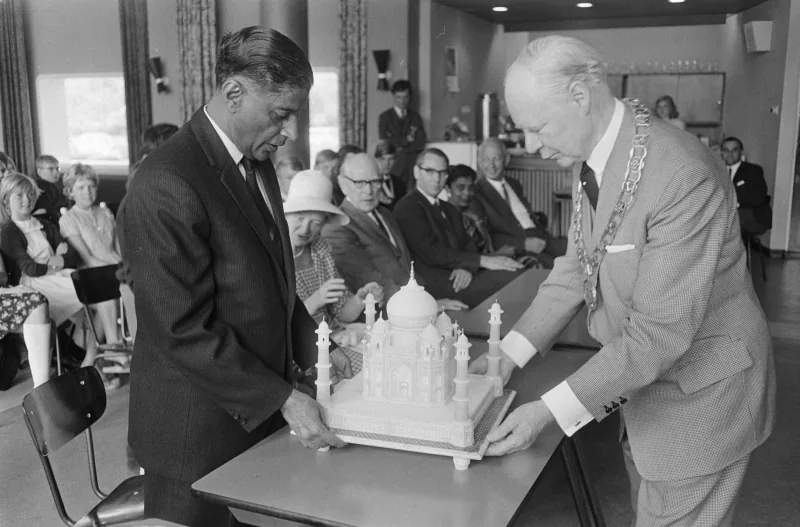
Rajput Provinces of India — Sitamau picture gallery
Rajput Provinces of India; individual photographer not specified in gallery metadata
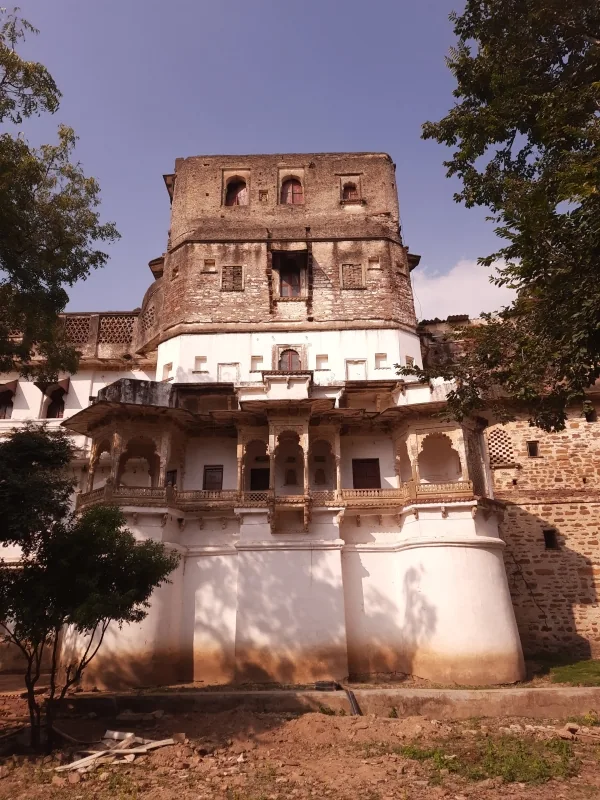
Rajput Provinces of India — Sitamau picture gallery
Rajput Provinces of India; individual photographer not specified in gallery metadata
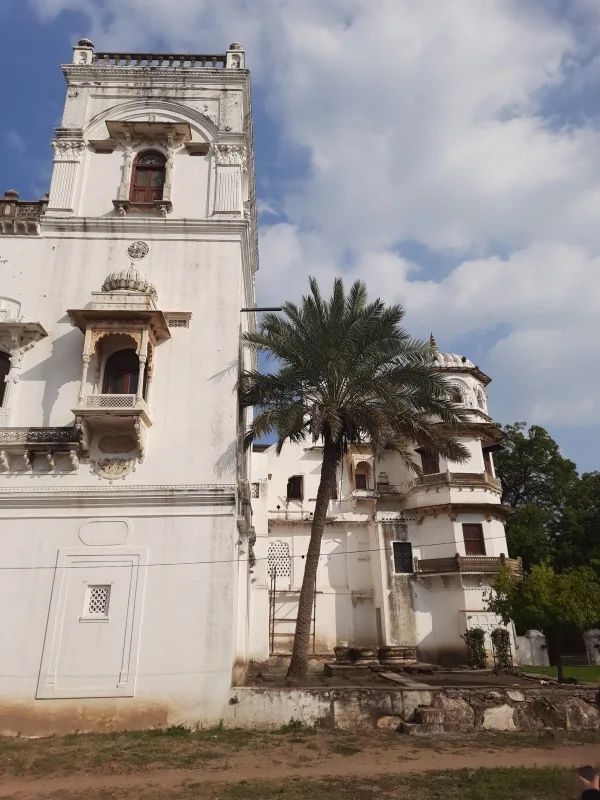
Rajput Provinces of India — Sitamau picture gallery
Rajput Provinces of India; individual photographer not specified in gallery metadata
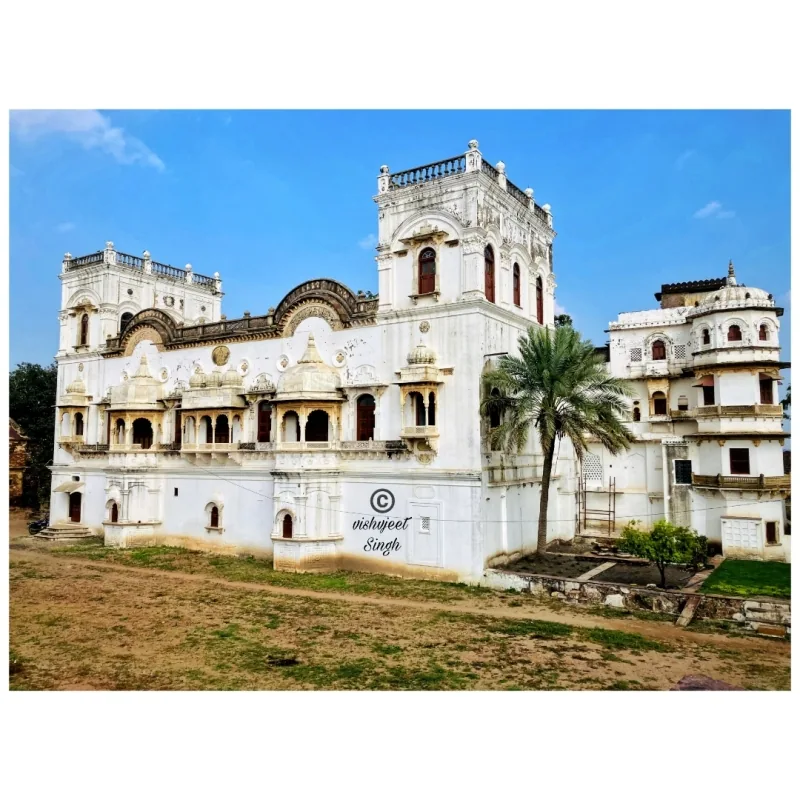
Rajput Provinces of India — Sitamau picture gallery
Rajput Provinces of India; individual photographer not specified in gallery metadata
This selection is limited to images identified in the cited sources. Further pictures will be added as their subjects and provenance are confirmed.
Picture sources checked 10 November 2026.
Images from related coverage · 1
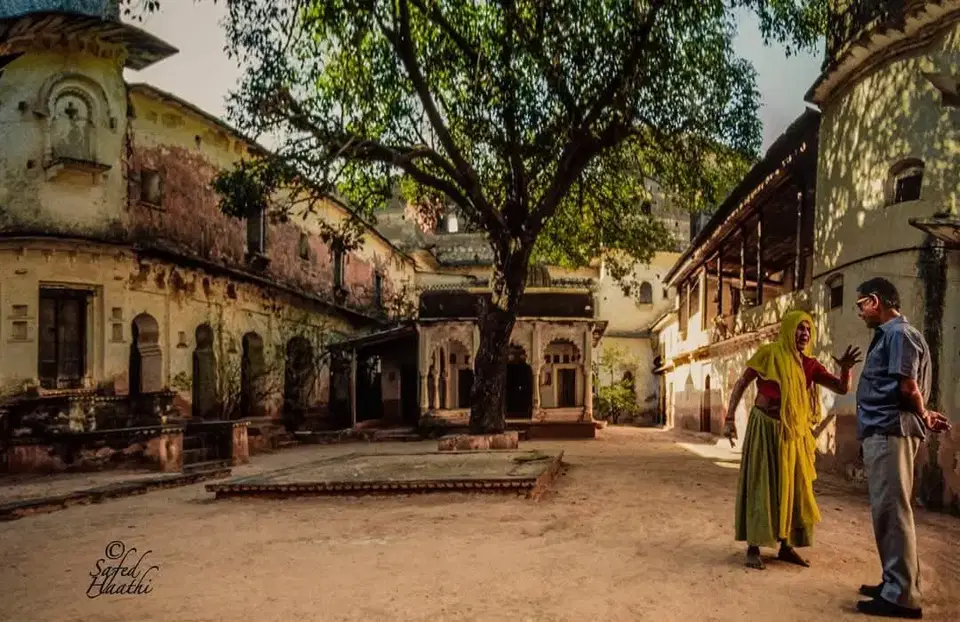
Related Video Gallery
Watch & explore · 5 YouTube videos
Direct house and place coverage is prioritised. Wider dynasty, regional or Indian royal-heritage films are labelled individually. Video claims and availability remain the publisher’s responsibility.
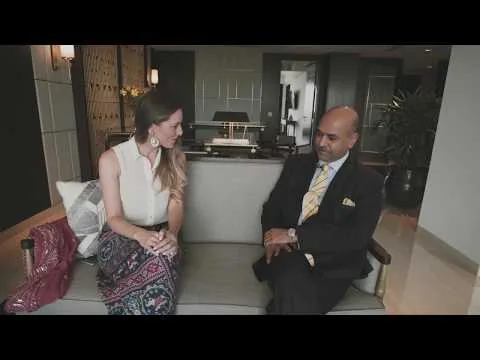
YouTube player loads when selected.
Return of the Icon: In conversation with Mr. Jay Rathore
The Oberoi New Delhi
Directly concerns the Sitamau house or its associated heritage site.
Watch on YouTube ↗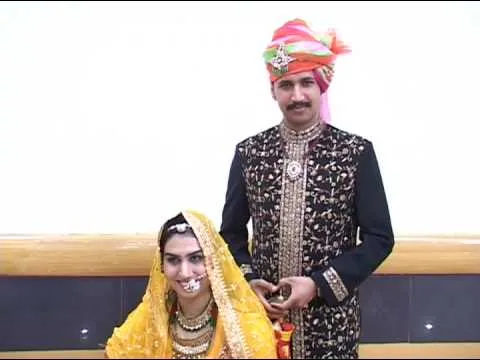
YouTube player loads when selected.
Abhinay Pragati Marriage
Abhinay Rathore
Dynasty/clan context: Rathore. This film concerns another house or site and does not establish a direct family relationship.
Watch on YouTube ↗
YouTube player loads when selected.
The story of Bikaner
NDTV GOOD TIMES
Dynasty/clan context: Rathore. This film concerns another house or site and does not establish a direct family relationship.
Watch on YouTube ↗
YouTube player loads when selected.
HH MAHARAJA HIMMAT SINGHJI IDAR
DR. PARIKSHIT SINGH
Dynasty/clan context: Rathore. This film concerns another house or site and does not establish a direct family relationship.
Watch on YouTube ↗
YouTube player loads when selected.
Inside Ajit Bhawan Palace Residence | Exclusive Royal Tour with the Rani Shweta Kumari of Jodhpur
Homely By LBB
Dynasty/clan context: Rathore. This film concerns another house or site and does not establish a direct family relationship.
Watch on YouTube ↗Page context sources · 2
Research checked 10 November 2026. These references support the facts, emblem descriptions and timeline above. Genealogy references remain in the family-tree section.
- Rajput Provinces: Sitamau ↗
- Hubert de Vries — historical heraldry, citing Taylor and state references ↗
This is a selected historical fragment, not a complete family tree. Secondary genealogical compilations require archival corroboration.