
Today, these miniature historical treasures attract collectors, historians and enthusiasts interested in India’s royal heritage.
History of Indian Princely State Stamps
During the British colonial period, India consisted of territories administered directly by the British and numerous princely states governed by hereditary rulers under British paramountcy.
Some princely states developed independent postal services, while others entered postal agreements with British India. Their postage stamps provide valuable evidence of how these territories communicated and administered their affairs.
Convention States and Feudatory States
Indian princely state stamps are generally classified into two major categories.
Convention States
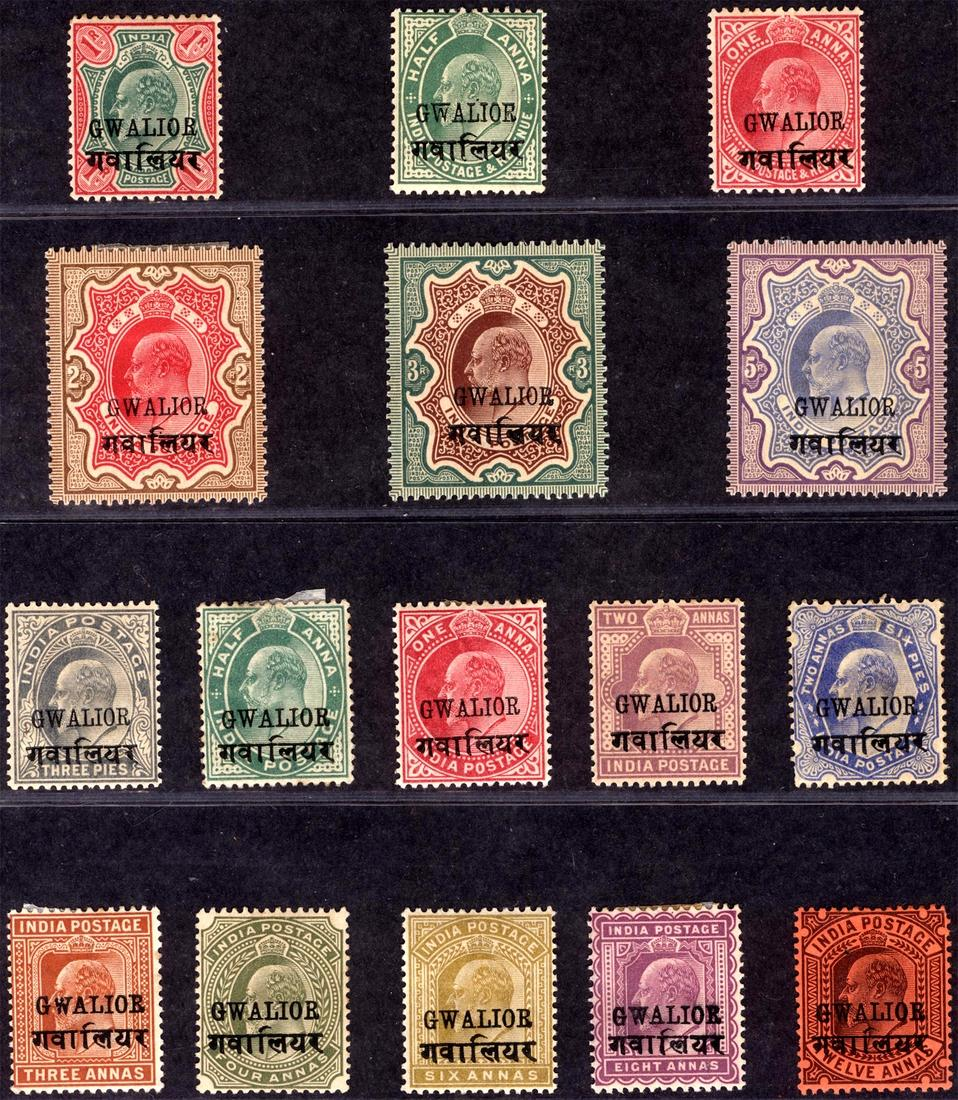
Convention states used British Indian postage stamps overprinted with their respective state names under postal agreements. Examples included Gwalior, Patiala, Nabha, Jind, Chamba and Faridkot.
Feudatory States
Feudatory states operated their own postal services and issued distinctive postage stamps. Hyderabad, Travancore, Cochin, Orchha and several other states produced their own designs.
Famous Royal Postal Systems of India
Hyderabad State
The Nizams of Hyderabad maintained a distinctive postal administration. Surviving stamps reveal the importance of regional languages, calligraphy and state identity in official communication.
Gwalior State
Associated with the Scindia dynasty, Gwalior participated in the postal convention system. Its overprinted stamps remain recognisable examples of princely state philately.
Travancore and Cochin
The former royal states of southern India developed distinctive postal traditions. Their historical Anchal postal services form an important chapter in the communication history of present-day Kerala.
Royal Symbols and Postal Stamp Designs
Historical postage stamps featured a variety of inscriptions, official emblems, portraits and decorative motifs. These designs can help researchers understand regional languages and the visual identity of former royal administrations.
Readers interested in royal symbolism can also explore the Indian Royal Coats of Arms Collection.
Why Collectors Value Princely State Stamps
- Historical significance and provenance.
- Distinctive printing techniques.
- Regional scripts and official emblems.
- Rare varieties and overprints.
- Connections with former ruling dynasties.
Collectors should consult specialist catalogues and established philatelic experts before purchasing or authenticating rare examples.
Frequently Asked Questions
Did every Indian princely state issue postage stamps?
No. Only certain princely states maintained independent postal services or participated in postal conventions.
What are feudatory state stamps?
They are stamps issued by princely states that operated their own postal administrations.
Are princely state stamps still collected?
Yes. They remain an established area of historical stamp collecting.
Conclusion
Indian princely state stamps preserve an extraordinary record of regional identity, communication and administrative history. These small objects reveal an important dimension of India’s royal heritage beyond forts, palaces and ceremonial traditions.
Discover more historical accounts in the India Royal Families archive and explore the country’s living cultural heritage.
Historical reference: Smithsonian National Postal Museum.