Princely state coins are remarkable historical artefacts that preserve the economic, political and artistic heritage of India’s former kingdoms. Long before the establishment of a unified national currency, numerous Indian rulers issued coins reflecting regional monetary traditions and political authority.
These coins continue to provide valuable insights into India’s royal history and the economic systems of its former kingdoms.
History of Royal Currency in India
As Mughal authority weakened, regional rulers increasingly exercised control over local monetary systems. Several princely states continued issuing coins under varying arrangements during the British colonial period.
Gold, silver and copper coins circulated across different territories, with designs and denominations varying according to regional traditions.
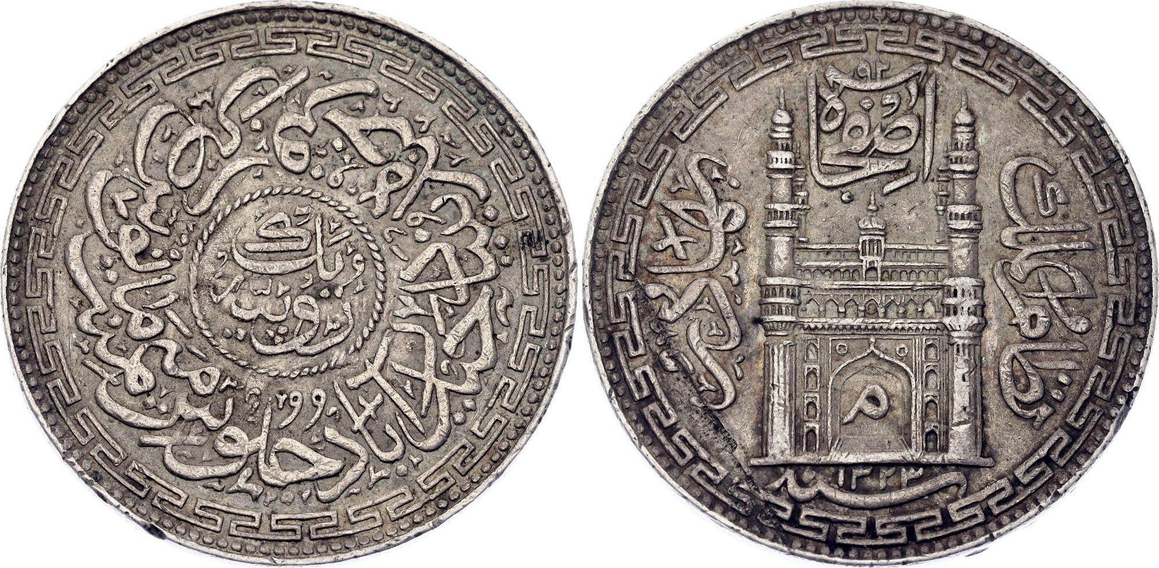
Hyderabad State Coins
The Asaf Jahi rulers of Hyderabad issued distinctive coins. Their inscriptions reflected historical political relationships and the evolving identity of the state.
Hyderabad also introduced its own paper currency during the twentieth century, making it particularly important in Indian monetary history.
Kutch State Coins
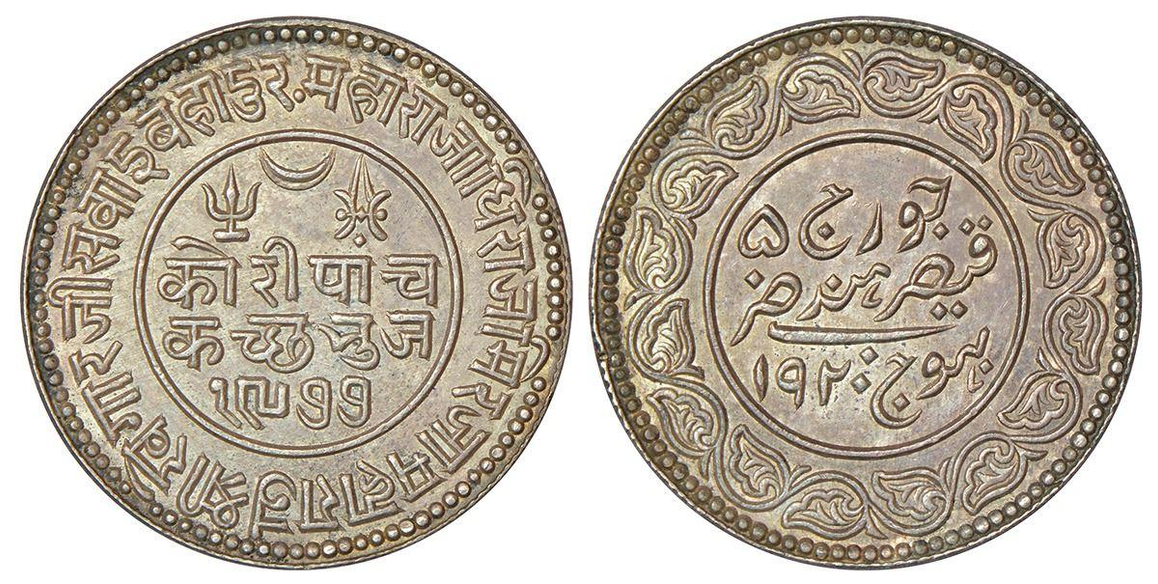
The former state of Kutch developed a distinctive monetary tradition associated with denominations such as the kori.
Its coins remain an interesting subject for collectors studying regional currencies and the economic history of western India.
Travancore State Coins
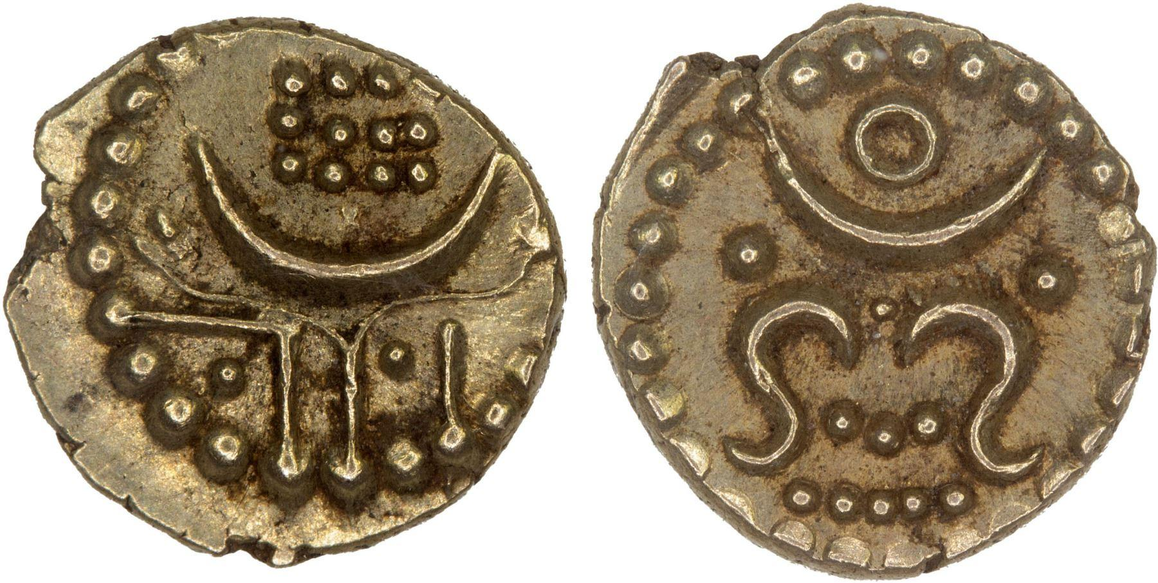
Travancore issued coins using denominations such as the fanam and chuckram. These currencies illustrate the diversity of monetary traditions in southern India.
Jaipur State Coins
Jaipur maintained historical coinage traditions associated with its ruling administration and regional economy.
Surviving coins contain inscriptions, dates and minting marks that can help researchers understand the political and economic history of the former state.
Coins of Other Rajput Kingdoms
Several Rajput-ruled states maintained distinctive historical coinage traditions. Their surviving currencies reflect regional influences, administrative arrangements and historical relationships.
These coins provide valuable material evidence for studying the history of Rajasthan and central India.
Royal Symbols on Historical Coins
Coins could incorporate religious imagery, inscriptions, portraits and official symbols. Their designs often provide evidence of a ruler’s authority, historical affiliations and regional artistic traditions.
Explore related royal symbolism in the Indian Royal Coats of Arms and Heraldry Archive.
Paper Currency of Indian Princely States
According to the Reserve Bank of India’s historical monetary collection, Hyderabad and Jammu and Kashmir were the two princely states that issued paper currency.
These historical banknotes represent an important aspect of India’s monetary heritage.
Emergency Currency During the Second World War
During the Second World War, several smaller princely states issued emergency cash coupons to address shortages of small-denomination coins.
These unusual monetary instruments remain important historical objects for researchers and collectors.
How to Identify Historical Princely State Coins
- Examine inscriptions and regional scripts.
- Identify the ruler or authority named on the coin.
- Record its weight, metal and dimensions.
- Check dates, symbols and mint marks.
- Compare it with authoritative numismatic catalogues.
Professional authentication is advisable because historical coins can be reproduced or incorrectly attributed.
Why Royal Coins Are Historically Important
Royal coins provide valuable information about trade, political authority, religious symbolism, artistic traditions and regional economic systems.
They are also important primary sources for historians studying India’s former kingdoms.
What Are Princely State Coins?
Princely state coins are historical coins issued under the authority of India’s former princely administrations.
Where Can You Learn About Indian Royal Coins?
The Reserve Bank of India’s monetary museum, historical museums and established numismatic publications provide useful starting points for studying historical Indian currencies.
Preserving India’s Royal Monetary Heritage
Princely state coins preserve centuries of Indian monetary and political history. Studying these objects allows us to understand former kingdoms through their economic institutions, regional identities and administrative traditions.
Explore more aspects of India’s royal heritage through the India Royal Families historical archive and Culture and Legacy collection.
Historical Reference: Reserve Bank of India Monetary Museum.