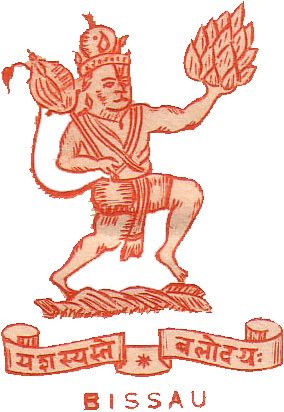
Heraldic record
Bissau Coat of Arms
Bissau is a thikana of Shekhawati in Jhunjhunu district, known for its fort and painted havelis.

144 published results for “Begum Hazrat Mahal”.
Bissau is a thikana of Shekhawati in Jhunjhunu district, known for its fort and painted havelis.

Bundi, in the south-east of Rajasthan, was the senior state of the Hada Chauhans, the clan that gave its name to the region of Haravati (Hadoti).
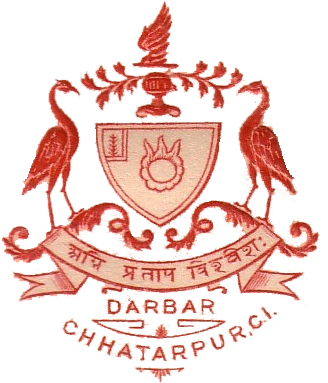
Chhatarpur, named after Maharaja Chhatrasal, was ruled from the late 18th century by a Ponwar family.
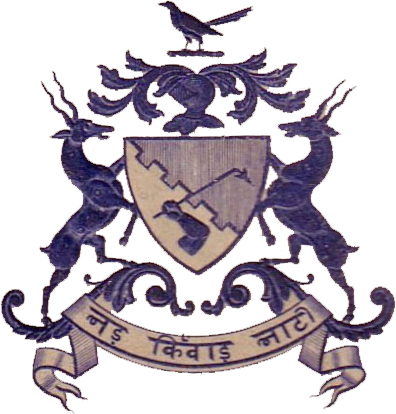
Jaisalmer was founded in 1156 by Rawal Jaisal of the Bhati Rajputs.

Jhargram Raj in Jungle Mahal (West Bengal) was ruled by the Malla Deb family, whose palace survives.
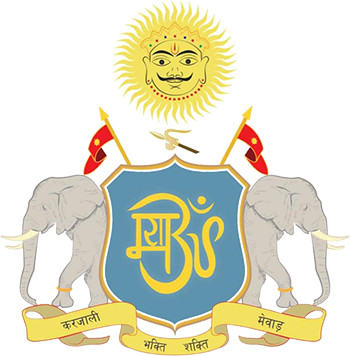
Karjali was a thikana of Mewar held by close kinsmen of the Maharanas.

Khairigarh-Singahi was an estate in Lakhimpur Kheri district bordering Nepal.
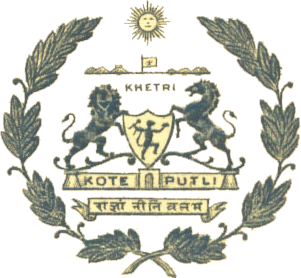

Korea was a Chauhan-ruled state of the Chhattisgarh States Agency.
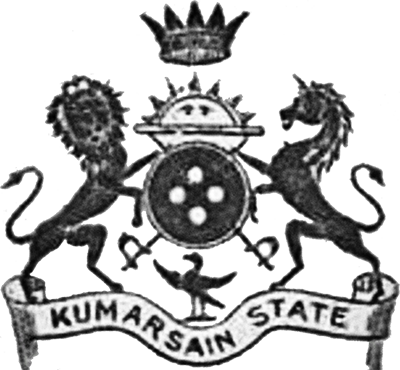
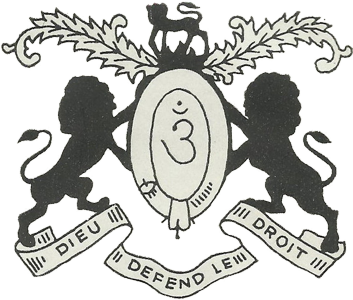
Maheshpur Raj was an estate in the Santhal Parganas region of present Jharkhand.

Heraldic emblem of Mahson, a estate (zamindari / taluqdari) of royal India.
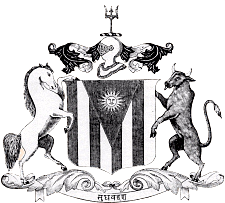
Pratapgarh was a Sisodia state founded by a branch of the Mewar house; it is known for Thewa gold-on-glass craft.
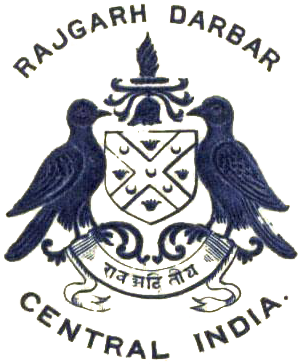
Rajgarh was an Umat Parmar state of Malwa, related to Narsinghgarh.
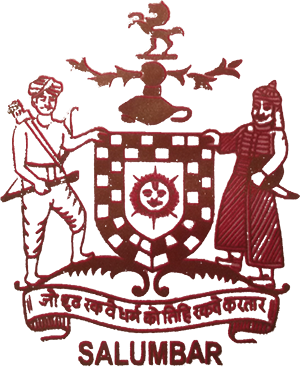
Salumber was the premier thikana of Mewar; its Rawats, Chundawat Sisodias, held the hereditary right to tie the investiture on the Maharana.
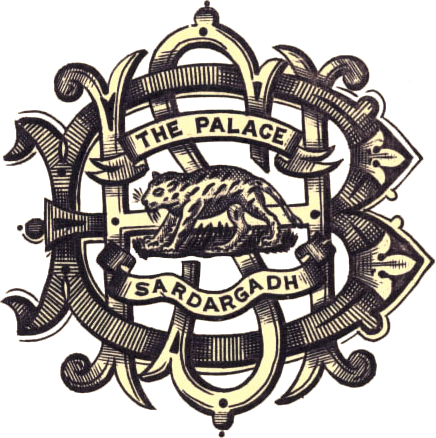
Sardargarh is a thikana of Mewar whose fort is now a heritage hotel.

Shahpura is a Shekhawat thikana of the former Jaipur state.
Nahargarh Fort, a majestic fortress in Jaipur, stands atop the Aravalli Hills, offering breathtaking panoramic views of the Pink City. Built in 1734 by Maharaja Sawai Jai Singh II, this…