
Heraldic record
Dungarpur Coat of Arms
Dungarpur is ruled by the senior branch of the Guhilot line of Mewar.

220 published results for “Rani Chennamma”.
Dungarpur is ruled by the senior branch of the Guhilot line of Mewar.
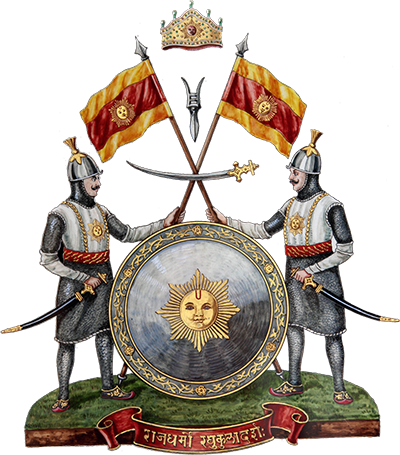
Jammu and Kashmir was formed in 1846 under Maharaja Gulab Singh of the Dogra dynasty and was the largest princely state by area.
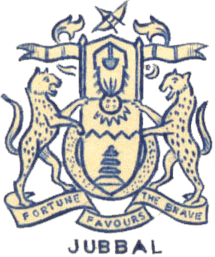
Jubbal was one of the Simla Hill States; its palace is a notable example of hill architecture.

Kashipur was a Raj estate in the Terai of Kumaon (present Uttarakhand).
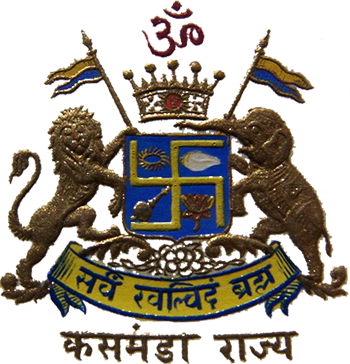
Kasmanda was a taluqdari estate of Sitapur district in Awadh; its family owns the Kasmanda Palace in Mussoorie.
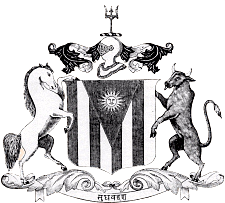
Pratapgarh was a Sisodia state founded by a branch of the Mewar house; it is known for Thewa gold-on-glass craft.
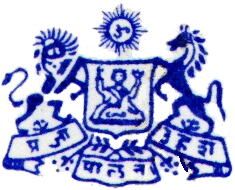
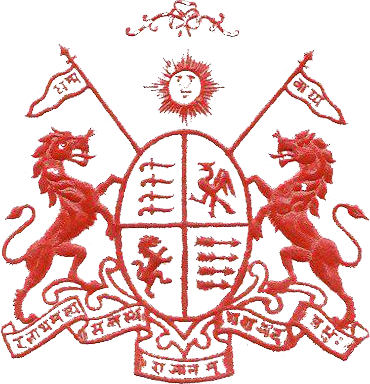
Seraikela was an Odisha-agency state (now Jharkhand) famous for Seraikela Chhau dance.
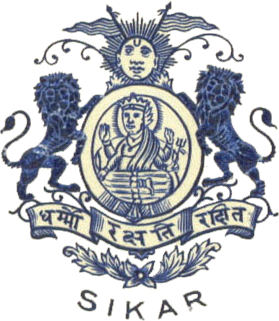
Sikar was the largest thikana of the Jaipur state, ruled by Shekhawat Rao Rajas.
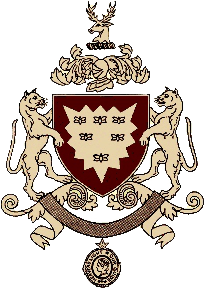
Sirmur (Nahan) was a Punjab Hill State; its ruler founded the Nahan Foundry.
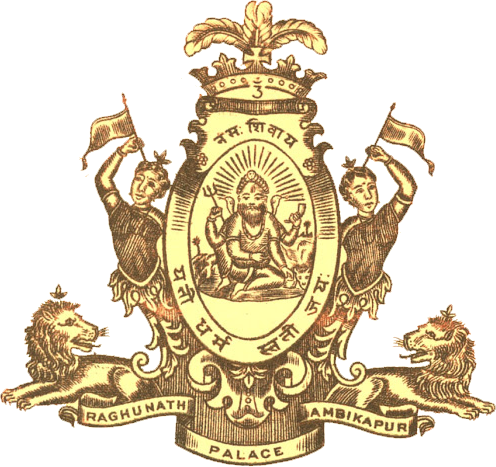
Surguja was a large Chhattisgarh state with its capital at Ambikapur.
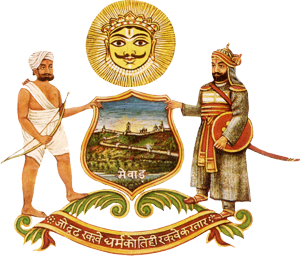
Mewar is one of the oldest ruling houses in the world, tracing its line to Bappa Rawal.
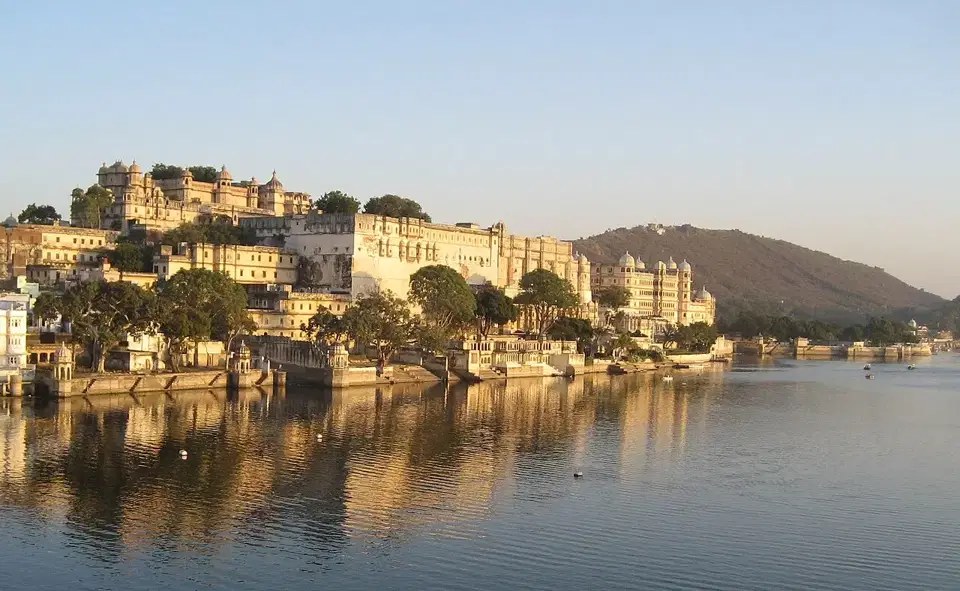 Context photo: City Palace viewed across Lake Pichola, Udaipur
The Role of Royal Families in the Indian Independence Movement Introduction The Indian Independence Movement was not only led by well-known political leaders like Mahatma Gandhi, Jawaharlal Nehru, and Subhas…

In an age where politics is often seen through the lens of power, popularity, and polarization, Nikita Ghag stands for something refreshingly different — values. For her, leadership is not…
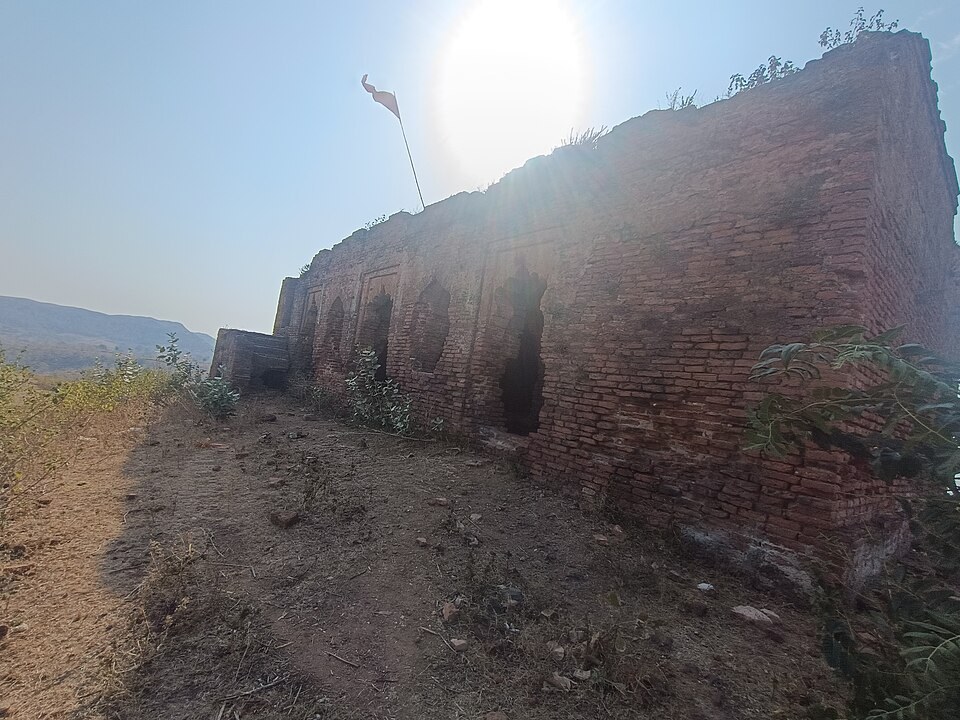 Context photo: King Bansiya Bhil Palace
The princely town of Banswara prepares to celebrate a momentous royal occasion as Her Highness Rajmata Neera Kumari of Banswara graciously invites family, friends, and well-wishers to the auspicious wedding…
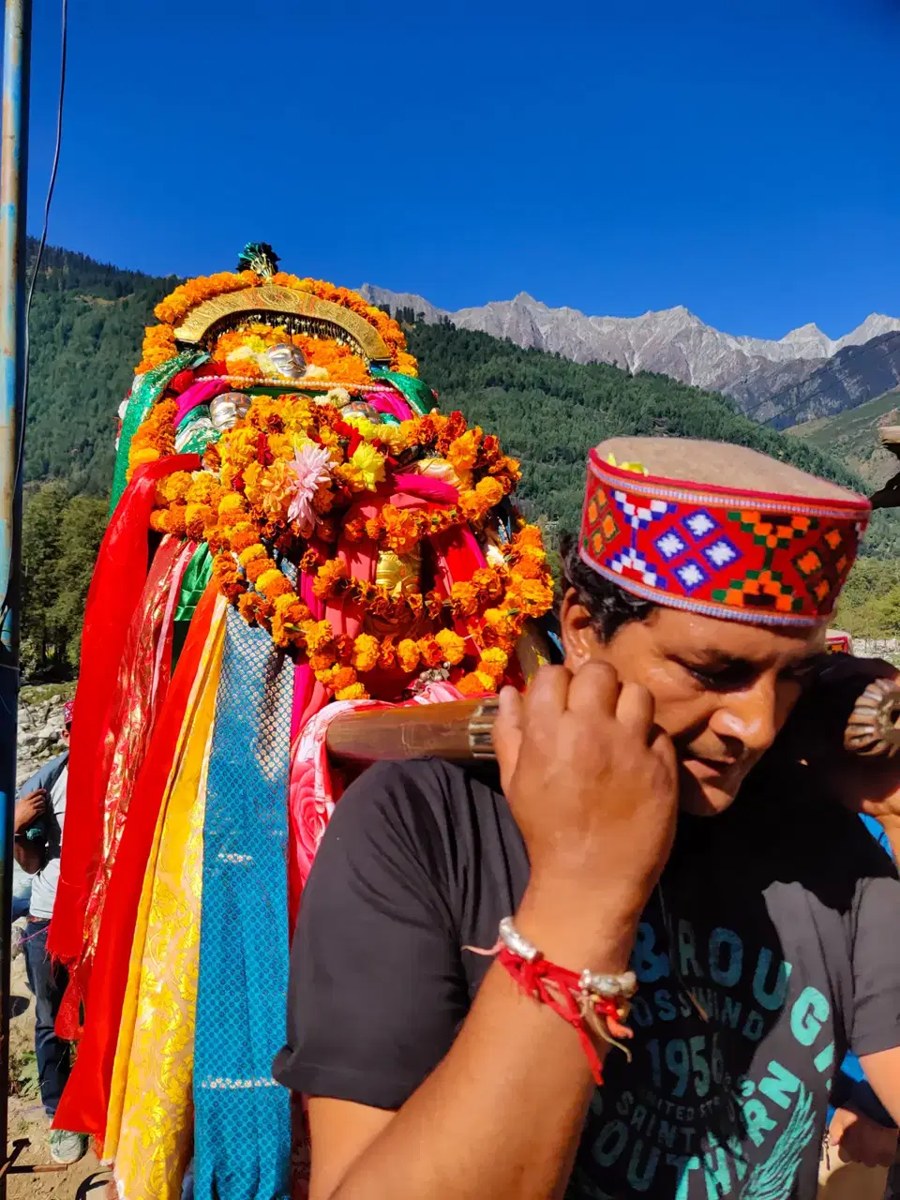 Photo: A devotee carrying a deity during Kullu Dussehra
Explore Rupeshwari Kumari Singh’s Kullu royal family connections and her personal recollections of the traditions surrounding Kullu Dussehra.
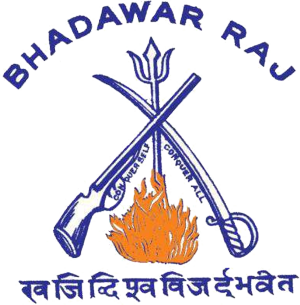
Bhadawar, in the Chambal ravines of Agra district, was the seat of the Bhadauria Rajputs, a branch of the Chauhans, whose head bore the title Maharaja.