Rajasthan’s stepwells (or baoris) are stunning ancient feats of subterranean engineering, built to harvest monsoon rainwater and provide cool community retreats in the arid desert heat. Some of the most spectacular and historically significant stepwells across the state offer unique architectural designs:
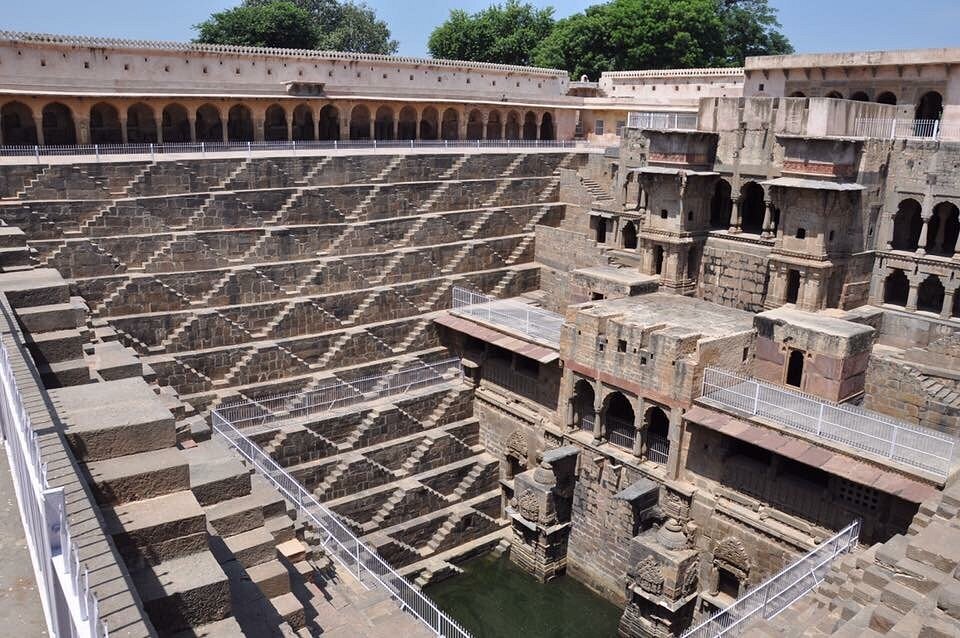
- Chand Baori (Abhaneri): Located in the Dausa district (approx. 95 km from Jaipur on the Jaipur-Agra highway), this is one of the deepest and largest stepwells globally. Built in the 9th century, it plunges 13 stories (30 meters) into the ground and features 3,500 narrow, symmetrical steps in a dramatic upside-down pyramid pattern.
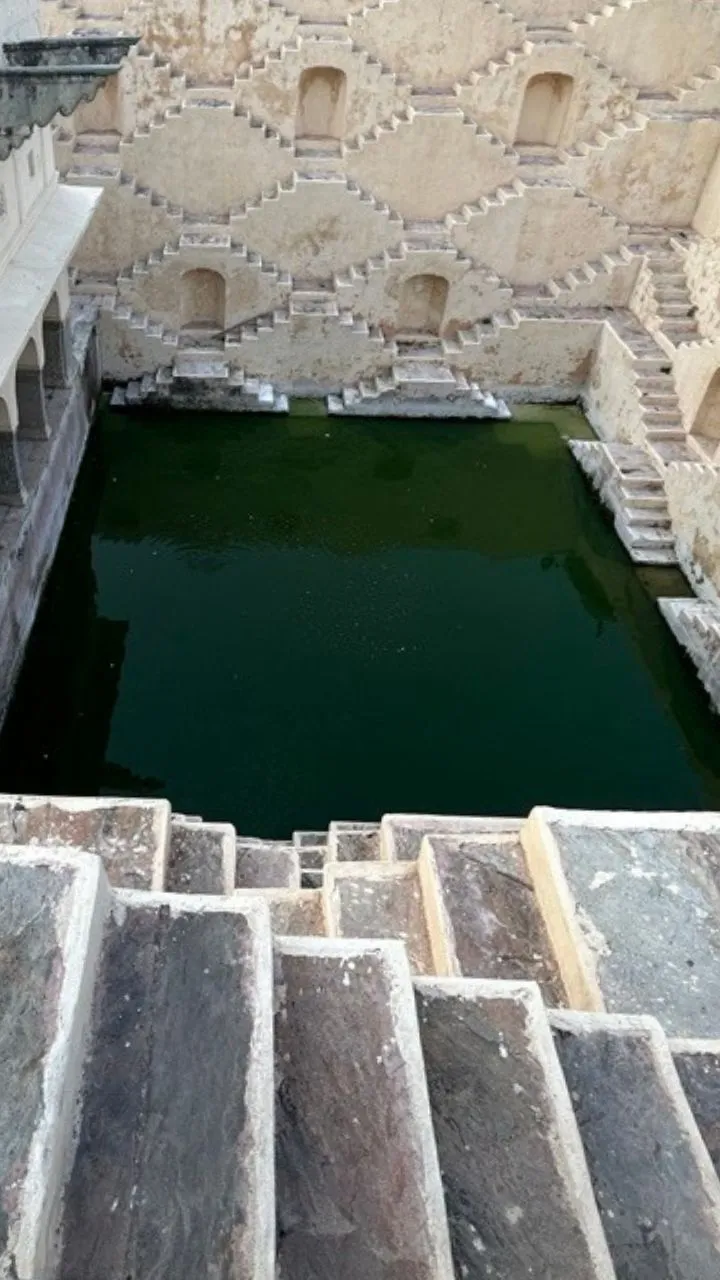
- Panna Meena ka Kund (Amer): A 16th-century architectural gem located near the famous Amber Fort in Jaipur. It is highly celebrated for its distinct interlocking, zigzag stairways that resemble an M.C. Escher drawing.
- Toorji ka Jhalra (Jodhpur): Constructed in the 1740s by Maharani Toorji, this 200-foot-deep stepwell is carved from Jodhpur’s signature rose-red sandstone. It is located near the Clock Tower and features intricate carvings of elephants, lions, and water spouts.
- Raniji ki Baori (Bundi): Bundi is famously known as the “City of Stepwells” with over 50 baoris. Built in 1699 by Rani Nathavati, this 140-foot-deep well features a high arched gate, ornate stone brackets, and places of worship on each floor.
- Hadi Rani ki Baori (Tonk): Located in the Tonk district (about 150 km from Jaipur), this 800-year-old stepwell is beautifully maintained and renowned for its ornate carvings and clean water.
For visitor and travel planning, you can find local transportation options and routes to these landmarks via the official portal.
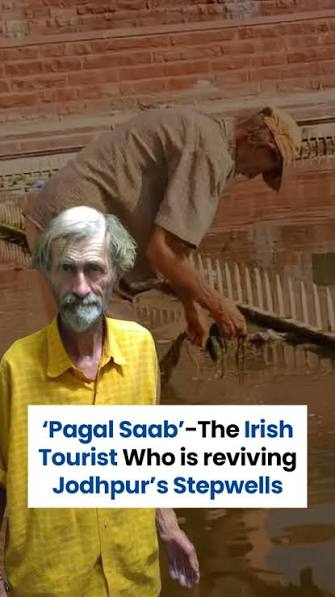
Caron Rawnsley, an octogenarian Irishman affectionately nicknamed “Pagal Saab” (Mad Sir) by locals, has spent over a decade manually cleaning and restoring the historic, neglected stepwells (bawris and jhalaras) of Jodhpur, Rajasthan. Initially arriving as a tourist in 2014, he was deeply saddened to see these centuries-old architectural marvels used as garbage dumps. Instead of moving on, he stayed to clean them with his bare hands. His selfless mission has ignited a community preservation movement, earned a public salute from industrialist Anand Mahindra, and received recognition from Rajasthan’s Deputy Chief Minister, Diya Kumari.
Key Details of Caron’s Work
- The Nickname: Jodhpur residents initially thought he was crazy for climbing into filthy, stagnant wells to haul out plastic and debris, prompting the name “Pagal Saab”.
- Structures Revived: He has successfully cleaned and helped revive around 10 historic water reservoirs, including Rambauri, Kriya Jhalara, Mahila Bagh Ka Jhalra, and Gulab Sagar Lake.
- The Impact: His persistent efforts shamed and inspired local residents, volunteers, and conservationists into taking up tools to join him.
Famous Stepwells of Rajasthan
While Caron focuses his physical work on the stepwells of Jodhpur, Rajasthan is home to some of the most structurally stunning stepwells in the world, which served as vital community spaces and water management systems in the desert.
- Chand Baori (Abhaneri): One of the oldest and largest stepwells in India, featuring 3,500 narrow steps in a mesmerising, perfectly symmetrical geometric pattern.
- Toorji Ka Jhalra (Jodhpur): An 18th-century structure built with signature rose-red sandstone, featuring intricate carvings that has been completely cleaned and integrated into modern city life.
- Panna Meena Ka Kund (Amer): Located near Jaipur, this stepwell is famous for its criss-crossed stairways where historically, people used the steps to rest and socialise.
- Raniji Ki Baori (Bundi): Known as the “Queen’s Stepwell”, it features highly ornate architectural pillars, superb stone arches, and deep spiritual structures built in 1699.
If you are planning a trip or a research project, would you like to know about how to visit these specific stepwells, or are you interested in how to support grassroots conservation initiatives like Caron’s?