Rajasthan is known for its impressive forts, royal palaces and historic cities. Among its lesser-discussed heritage destinations is Kishangarh Fort, situated in the historic town of Kishangarh in Ajmer district. While many travellers visit the region for its marble industry and distinctive miniature paintings, the town also holds an interesting chapter of Rajasthan’s royal history.
A visit to Kishangarh Fort is an opportunity to step away from the busy streets and explore the architecture, historical spaces and surroundings that reflect the town’s royal past. For travellers interested in heritage exploration, photography and discovering lesser-known destinations, the fort offers an experience worth understanding.
1. Discovering Kishangarh: The Town Behind the Fort
Before exploring the fort, it is worth understanding the history of the town itself.
Kishangarh was founded in the early seventeenth century by Kishan Singh, a Rathore Rajput ruler associated with the royal house of Jodhpur. The town developed into the centre of a princely state that maintained its own political and cultural identity for several generations.
Over time, Kishangarh became known not only for its royal connections but also for its artistic traditions. The famous Kishangarh school of miniature painting, particularly its distinctive portrayal of figures and landscapes, became an important part of the region’s cultural identity.
2. Approaching Kishangarh Fort: The First Impression
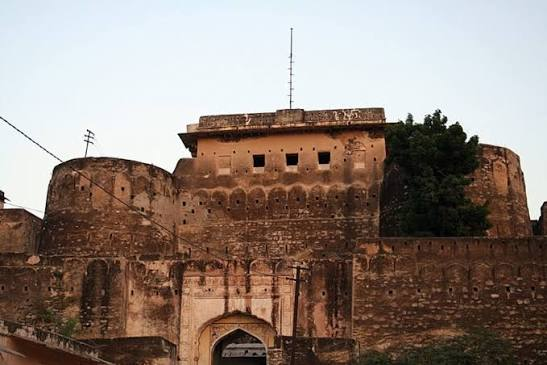
As visitors approach Kishangarh Fort, the structure offers a glimpse into the architectural traditions of Rajasthan’s former royal establishments.
Unlike destinations where the surrounding landscape is the main attraction, Kishangarh Fort invites visitors to pay attention to the built environment itself. Its walls, entrances and internal spaces reflect the different functions that a royal fort once served.Photography enthusiasts may also find interesting perspectives in the contrast between the historic architecture and the changing surroundings of Kishangarh.
3. Exploring the Fort: A Walk Through Its Historic Spaces
One of the most interesting aspects of Kishangarh Fort is the variety of structures located within its complex.
According to Rajasthan Tourism, the fort contains several historically significant spaces, including jails, granaries and armouries. These structures help explain that a fort was much more than a residence for the ruling family.
Each space served a different purpose, from storing essential supplies to maintaining security and supporting the administration of the state.
4. Durbar Hall: Where Royal Administration Took Place
The Durbar Hall is among the most significant structures within Kishangarh Fort.
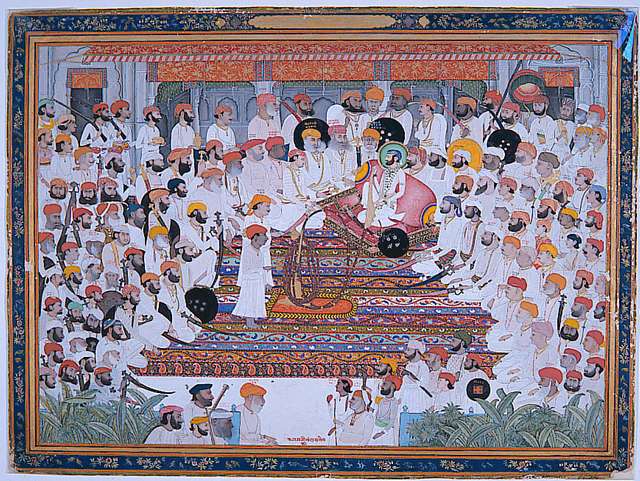
Historically, durbar halls served as formal spaces where rulers met officials, received important visitors and conducted administrative discussions. They were central to the political life of a royal establishment.
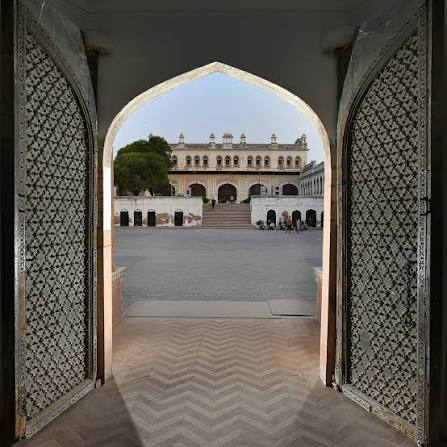
At Kishangarh Fort, the Durbar Hall is identified by Rajasthan Tourism as its largest structure. It was used by the rulers for official meetings and daily administrative work.
5. Phool Mahal: A Glimpse of Royal Elegance
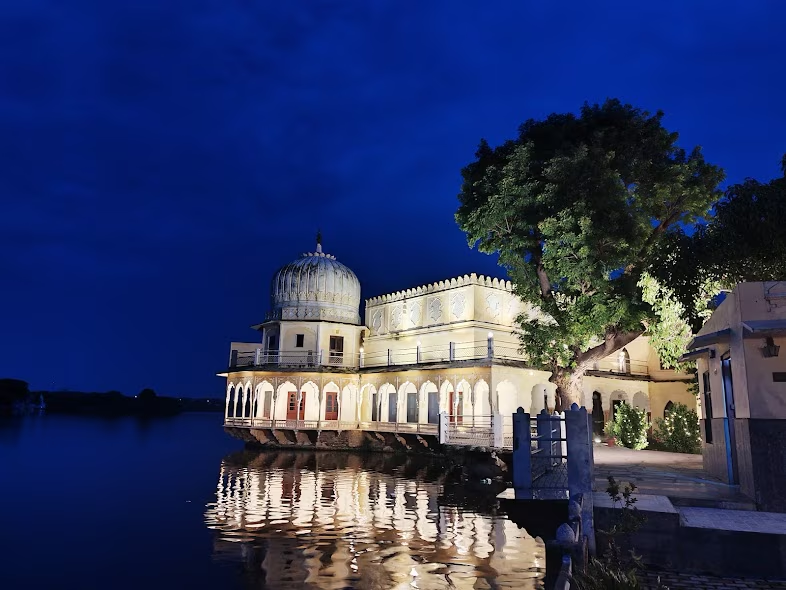
Among the highlights of Kishangarh Fort is Phool Mahal, a structure associated with the artistic and luxurious side of the former royal establishment.
Its decorative murals and frescoes offer a glimpse into the visual traditions that shaped royal interiors. Unlike defensive structures such as armouries and fortified walls, spaces like Phool Mahal reflect the aesthetic interests and refined lifestyle of the ruling family.
The name itself evokes the decorative character associated with the palace. Visitors interested in traditional Rajasthani architect
7. Planning Your Visit: What Travellers Should Know
A little preparation can make a heritage visit more comfortable and rewarding.
Choose comfortable footwear: Historic structures may involve uneven surfaces, steps and walking between different sections.
Carry drinking water: Rajasthan’s climate can become particularly hot, so staying hydrated is important.
Check access before travelling: Confirm whether the fort and its interior sections are open to visitors, and whether any permissions or entry arrangements are required.
Allow time for exploration: Rather than rushing through the destination, take time to appreciate the architecture, historical spaces and surrounding landscape.
Conclusion: More Than a Walk Through History
Kishangarh Fort offers more than an opportunity to see an old royal structure. Its Durbar Hall, Phool Mahal, historic utility buildings and surrounding water bodies together tell the story of a town shaped by royal administration, architecture and artistic traditions.
For travellers interested in exploring Rajasthan beyond its most famous tourist destinations, Kishangarh provides an opportunity to discover a lesser-known part of the state’s heritage.