A digital journey through the centuries
The Royal Timeline of India
5,000 Years of Civilisations, Dynasties, Kingdoms & Living Heritage
Explore the turning points, royal patrons and surviving places that shaped the Indian subcontinent.
Launch research edition · Entries have linked sources and an AI-assisted source review. Dates marked “c.” are approximate; ranges and reign contexts are labelled. Periods overlap, cultures are not all royal dynasties, and no historical borders are inferred.
From the collection
Choose your passage through time
Select an era or combine filters to discover intersecting histories.
66 entries
Chronological stops · Spacing is adjusted for readability, not proportional to elapsed years.
c. 3000–1500 BCECities · WestDholavira: an early city
Harappan societies
Dholavira preserves evidence of a long-lived Harappan settlement and sophisticated water management.
Its fortifications, reservoirs and planned spaces offer archaeological evidence of early urban organisation. This is not evidence of a documented royal dynasty.
- Geographic context
- Gujarat
- Date precision
- approximate range
Sources & review
Source checked: 2026-11-10 · Version reviewed: 2026-11-10. Launch collection: AI-assisted source review; no claim of independent human certification.
c. 2600–1900 BCECulture · SubcontinentMature Harappan urbanism
Harappan societies
The mature Indus civilisation developed urban centres across a broad region.
These approximate dates describe an archaeological phase, not a single kingdom or a known succession of rulers.
- Geographic context
- Multiple present-day countries
- Date precision
- approximate range
Sources & review
Source checked: 2026-11-10 · Version reviewed: 2026-11-10. Launch collection: AI-assisted source review; no claim of independent human certification.
c. 1500–500 BCECulture · NorthVedic traditions and early kingdoms
Vedic communities
The Vedic period connects changing communities with the development of influential textual traditions.
Its boundaries are approximate. Literary traditions and archaeological chronologies should not be treated as an exact list of royal reigns.
- Geographic context
- Multiple regions
- Date precision
- approximate range
Sources & review
Source checked: 2026-11-10 · Version reviewed: 2026-11-10. Launch collection: AI-assisted source review; no claim of independent human certification.
c. 560–325 BCEPolitics · NorthThe age of the Mahajanapadas
Mahajanapadas
Multiple regional polities shaped the political world before the Mauryan empire.
The chronology includes Magadha and Kosala; political forms and royal traditions differed between these states.
- Geographic context
- Bihar and neighbouring regions
- Date precision
- approximate range
Sources & review
Source checked: 2026-11-10 · Version reviewed: 2026-11-10. Launch collection: AI-assisted source review; no claim of independent human certification.
c. 362–321 BCEPolitics · EastNanda rule in Magadha
Nanda
The Nanda dynasty preceded Chandragupta Maurya in the Magadha region.
The dates follow the cited chronology and are approximate; scholarly reconstructions of early rulers differ.
- Geographic context
- Bihar
- Date precision
- approximate range
Sources & review
Source checked: 2026-11-10 · Version reviewed: 2026-11-10. Approved in the WordPress editorial form.
c. 321–300 BCEPolitics · EastChandragupta Maurya
Maurya
Chandragupta Maurya established a dynasty that transformed northern Indian political history.
The cited chronology places his reign around 321–300 BCE. This range is a scholarly reconstruction rather than an exact modern calendar record.
- Geographic context
- Bihar
- Date precision
- approximate range
- Royal personality
- Chandragupta Maurya
Sources & review
Source checked: 2026-11-10 · Version reviewed: 2026-11-10. Launch collection: AI-assisted source review; no claim of independent human certification.
c. 300–100 BCEReligion · CentralSanchi: Buddhist patronage
Maurya and later patrons
Sanchi preserves successive layers of Buddhist monuments and patronage.
The complex grew across centuries. Its surviving monuments should not all be assigned to a single ruler or building campaign.
- Geographic context
- Madhya Pradesh
- Date precision
- approximate range
Sources & review
Source checked: 2026-11-10 · Version reviewed: 2026-11-10. Launch collection: AI-assisted source review; no claim of independent human certification.
c. 268–233 BCEPolitics · SubcontinentAshoka and the Mauryan court
Maurya
Ashoka ruled during a major phase of Mauryan history.
The cited chronology places his reign around 268–233 BCE. Dates for early reigns can vary between historical reconstructions.
- Geographic context
- Multiple regions
- Date precision
- approximate range
- Royal personality
- Ashoka
Sources & review
Source checked: 2026-11-10 · Version reviewed: 2026-11-10. Launch collection: AI-assisted source review; no claim of independent human certification.
c. 200–100 BCEArchitecture · WestAjanta’s first cave monuments
Early Buddhist patrons
Ajanta’s earliest Buddhist caves date to the second and first centuries BCE.
Later excavation and painting transformed the site; the early caves are a distinct phase of this long architectural history.
- Geographic context
- Maharashtra
- Date precision
- approximate range
Sources & review
Source checked: 2026-11-10 · Version reviewed: 2026-11-10. Launch collection: AI-assisted source review; no claim of independent human certification.
c. 1–300 CECulture · SubcontinentKushan networks and artistic exchange
Kushan
Kushan rule linked northern South Asia with wider networks of trade and artistic exchange.
This broad window identifies the early centuries CE. It does not settle the debated dates of individual Kushan rulers.
- Geographic context
- North-western subcontinent
- Date precision
- approximate range
Sources & review
Source checked: 2026-11-10 · Version reviewed: 2026-11-10. Launch collection: AI-assisted source review; no claim of independent human certification.
c. 300–515 CEPolitics · NorthGupta courts in northern India
Gupta
Gupta rule forms a major theme in the history of northern Indian courts.
The cited regional chronology places the empire around 300–515 CE. Cultural periods and political reigns do not necessarily share identical boundaries.
- Geographic context
- Multiple regions
- Date precision
- approximate range
Sources & review
Source checked: 2026-11-10 · Version reviewed: 2026-11-10. Launch collection: AI-assisted source review; no claim of independent human certification.
c. 400–600 CECulture · WestAjanta’s painted caves
Vakataka-era patrons
A later phase added richly decorated caves to Ajanta’s earlier monuments.
The paintings and sculpture belong to a layered religious and artistic landscape; contemporary political periods should not erase the site’s regional patronage.
- Geographic context
- Maharashtra
- Date precision
- approximate range
Sources & review
Source checked: 2026-11-10 · Version reviewed: 2026-11-10. Launch collection: AI-assisted source review; no claim of independent human certification.
c. 400–1299 CEEducation · EastNalanda: learning across centuries
Multiple royal patrons
Nalanda developed as a long-lived monastic and scholastic institution.
Its educational establishment flourished from the fifth to thirteenth centuries, while earlier archaeological remains also survive at the site.
- Geographic context
- Bihar
- Date precision
- approximate range
Sources & review
Source checked: 2026-11-10 · Version reviewed: 2026-11-10. Launch collection: AI-assisted source review; no claim of independent human certification.
c. 600–799 CEArchitecture · SouthPallava monuments at Mahabalipuram
Pallava
Pallava patrons supported the coastal monuments now associated with Mahabalipuram.
Rock-cut shrines, reliefs and structural temples reflect seventh- and eighth-century artistic developments.
- Geographic context
- Tamil Nadu
- Date precision
- approximate range
Sources & review
Source checked: 2026-11-10 · Version reviewed: 2026-11-10. Launch collection: AI-assisted source review; no claim of independent human certification.
c. 600–1000 CEArchitecture · WestEllora’s rock-cut sanctuaries
Multiple Deccan dynasties
Buddhist, Hindu and Jain communities shaped Ellora’s rock-cut landscape.
The surviving complex spans several centuries, illustrating changing patronage and remarkable work in basalt rather than a single founding event.
- Geographic context
- Maharashtra
- Date precision
- approximate range
Sources & review
Source checked: 2026-11-10 · Version reviewed: 2026-11-10. Launch collection: AI-assisted source review; no claim of independent human certification.
c. 740 CEArchitecture · SouthQueen Lokamahadevi’s Virupaksha Temple
Chalukya
Queen Lokamahadevi commissioned the Virupaksha Temple at Pattadakal around 740 CE.
The temple commemorated her husband’s victory and places a royal woman’s patronage within a major architectural ensemble.
- Geographic context
- Karnataka
- Date precision
- approximate
- Royal personality
- Queen Lokamahadevi
Sources & review
Source checked: 2026-11-10 · Version reviewed: 2026-11-10. Launch collection: AI-assisted source review; no claim of independent human certification.
c. 750–1161 CEPolitics · EastPala rule in eastern India
Pala
The Pala dynasty was a major regional power in eastern India.
The cited chronology gives an approximate span of 750–1161 CE. This is a dynastic overview, not a claim that its boundaries remained fixed.
- Geographic context
- Bihar and Bengal
- Date precision
- approximate range
Sources & review
Source checked: 2026-11-10 · Version reviewed: 2026-11-10. Launch collection: AI-assisted source review; no claim of independent human certification.
c. 753–982 CEPolitics · DeccanRashtrakuta courts in the Deccan
Rashtrakuta
Rashtrakuta rulers shaped the political history of the Deccan.
The cited chronology places the dynasty around 753–982 CE, alongside other courts in different parts of the subcontinent.
- Geographic context
- Multiple regions
- Date precision
- approximate range
Sources & review
Source checked: 2026-11-10 · Version reviewed: 2026-11-10. Launch collection: AI-assisted source review; no claim of independent human certification.
c. 848–1279 CEPolitics · SouthThe later Chola dynasty
Chola
Chola rule provided a setting for major developments in southern courtly and temple culture.
The cited chronology places the later Chola dynasty around 848–1279 CE; earlier Chola traditions are a separate historical question.
- Geographic context
- Tamil Nadu
- Date precision
- approximate range
Sources & review
Source checked: 2026-11-10 · Version reviewed: 2026-11-10. Launch collection: AI-assisted source review; no claim of independent human certification.
c. 950–1050 CEArchitecture · CentralChandella patronage at Khajuraho
Chandella
Khajuraho’s temple-building flourished under Chandella patronage.
The surviving Hindu and Jain monuments combine sculpture and architecture, with the principal building phase associated with approximately 950–1050 CE.
- Geographic context
- Madhya Pradesh
- Date precision
- approximate range
Sources & review
Source checked: 2026-11-10 · Version reviewed: 2026-11-10. Launch collection: AI-assisted source review; no claim of independent human certification.
c. 1000–1099 CEArchitecture · WestThe Queen’s Stepwell at Patan
Chaulukya-era Gujarat
Rani-ki-Vav was built as a royal memorial in the eleventh century.
Its descending levels unite water engineering and sculptural design, showing how royal commemoration shaped public and sacred architecture.
- Geographic context
- Gujarat
- Date precision
- approximate century range
Sources & review
Source checked: 2026-11-10 · Version reviewed: 2026-11-10. Launch collection: AI-assisted source review; no claim of independent human certification.
c. 1009–1010 CEArchitecture · SouthRajaraja I’s temple at Thanjavur
Chola
Rajaraja I consecrated the Brihadisvara Temple around 1009–1010 CE.
Inscriptions and the surviving complex connect royal patronage with a continuing tradition of worship and architectural innovation.
- Geographic context
- Tamil Nadu
- Date precision
- approximate range
- Royal personality
- Rajaraja I
Sources & review
Source checked: 2026-11-10 · Version reviewed: 2026-11-10. Launch collection: AI-assisted source review; no claim of independent human certification.
1035 CEArchitecture · SouthRajendra I’s great temple
Chola
The temple at Gangaikondacholisvaram was completed under Rajendra I in 1035.
It forms part of the Great Living Chola Temples and represents another major expression of Chola courtly patronage.
- Geographic context
- Tamil Nadu
- Date precision
- year
Sources & review
Source checked: 2026-11-10 · Version reviewed: 2026-11-10. Launch collection: AI-assisted source review; no claim of independent human certification.
c. 1100–1299 CEArchitecture · SouthHoysala temple ensembles
Hoysala
Hoysala patrons developed distinctive temple ensembles during the twelfth and thirteenth centuries.
The surviving buildings display elaborate sculptural programmes and architectural choices that distinguished these courts from neighbouring kingdoms.
- Geographic context
- Karnataka
- Date precision
- approximate century range
Sources & review
Source checked: 2026-11-10 · Version reviewed: 2026-11-10. Launch collection: AI-assisted source review; no claim of independent human certification.
c. 1200–1299 CEArchitecture · NorthQutb Minar and Sultanate architecture
Delhi Sultanate
Qutb Minar became a defining monument of early Sultanate Delhi.
The tower belongs to a larger complex of buildings with successive construction phases and later additions.
- Geographic context
- Delhi
- Date precision
- approximate century range
Sources & review
Source checked: 2026-11-10 · Version reviewed: 2026-11-10. Launch collection: AI-assisted source review; no claim of independent human certification.
c. 1200–1299 CEArchitecture · EastThe Sun Temple at Konark
Eastern Ganga
Konark’s thirteenth-century temple presents Surya’s monumental stone chariot.
Its architectural and sculptural programme preserves a significant expression of eastern Indian royal-era religious patronage.
- Geographic context
- Odisha
- Date precision
- approximate century range
Sources & review
Source checked: 2026-11-10 · Version reviewed: 2026-11-10. Launch collection: AI-assisted source review; no claim of independent human certification.
c. 1200–1899 CECulture · North-EastAhom royal burial landscapes
Ahom
The moidams preserve centuries of Tai-Ahom royal funerary traditions.
These mound burials at Charaideo relate to a long-lived sacred landscape rather than a single monument or construction date.
- Geographic context
- Assam
- Date precision
- approximate century range
Sources & review
Source checked: 2026-11-10 · Version reviewed: 2026-11-10. Launch collection: AI-assisted source review; no claim of independent human certification.
c. 1300–1599 CECities · SouthHampi: a Vijayanagara capital
Vijayanagara
Vijayanagara patrons transformed Hampi into a major royal and sacred centre.
Its temples, palace remains and urban landscape reflect several generations of building across the fourteenth to sixteenth centuries.
- Geographic context
- Karnataka
- Date precision
- approximate century range
Sources & review
Source checked: 2026-11-10 · Version reviewed: 2026-11-10. Launch collection: AI-assisted source review; no claim of independent human certification.
1311 CEArchitecture · NorthAlai Darwaza at Delhi
Khalji
Alai Darwaza was built in 1311 within the Qutb complex.
The gateway offers a dated point of entry into the architectural history of Sultanate Delhi.
- Geographic context
- Delhi
- Date precision
- year
Sources & review
Source checked: 2026-11-10 · Version reviewed: 2026-11-10. Launch collection: AI-assisted source review; no claim of independent human certification.
1459 CECities · WestRao Jodha founds Jodhpur
Rathore
Rao Jodha founded Jodhpur in 1459 and began building Mehrangarh.
The new centre became associated with the Rathore house of Marwar; later rulers continued to transform its fort and city.
- Geographic context
- Rajasthan
- Date precision
- year
- Royal personality
- Rao Jodha
Sources & review
Source checked: 2026-11-10 · Version reviewed: 2026-11-10. Launch collection: AI-assisted source review; no claim of independent human certification.
21 April 1526 CEWarfare · NorthThe First Battle of Panipat
Mughal and Lodi
Babur defeated Ibrahim Lodi at Panipat on 21 April 1526.
The battle changed the political order in northern India and marked a major beginning for Mughal power.
- Geographic context
- Haryana
- Date precision
- year
- Royal personality
- Babur and Ibrahim Lodi
Sources & review
Source checked: 2026-11-10 · Version reviewed: 2026-11-10. Launch collection: AI-assisted source review; no claim of independent human certification.
1556–1605 CEPolitics · NorthAkbar’s reign
Mughal
Akbar’s reign became a major period of Mughal political and architectural activity.
Fatehpur Sikri’s UNESCO record dates his rule to 1556–1605 and connects the court with the development of a new imperial capital.
- Geographic context
- Multiple regions
- Date precision
- range
- Royal personality
- Akbar
Sources & review
Source checked: 2026-11-10 · Version reviewed: 2026-11-10. Launch collection: AI-assisted source review; no claim of independent human certification.
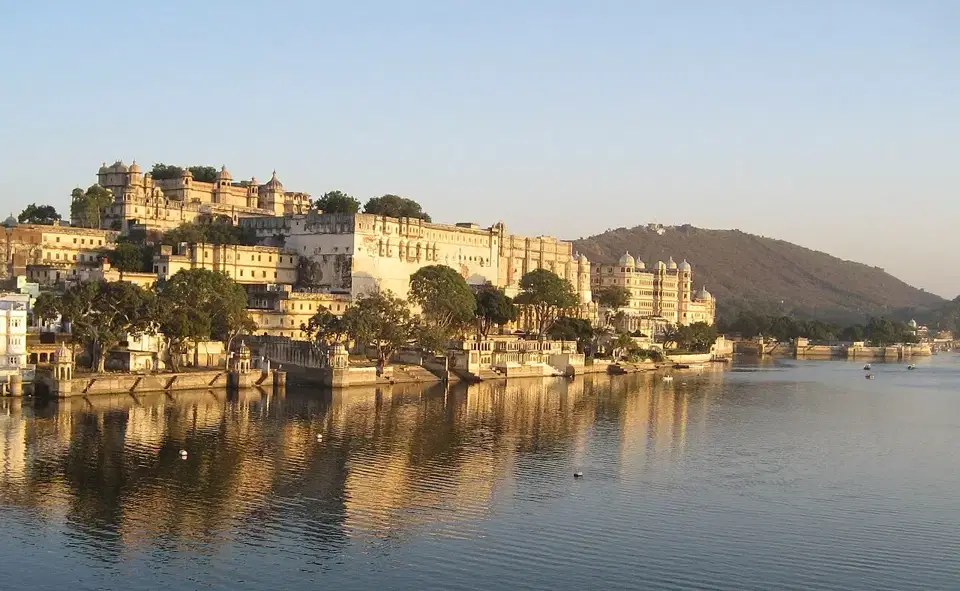
1559 CECities · WestMaharana Udai Singh founds Udaipur
Sisodia
Maharana Udai Singh founded Udaipur in 1559.
The lakeside capital and its palace complex became important settings for Mewar’s later courtly history.
- Geographic context
- Rajasthan
- Date precision
- year
- Royal personality
- Maharana Udai Singh
Sources & review
Source checked: 2026-11-10 · Version reviewed: 2026-11-10. Launch collection: AI-assisted source review; no claim of independent human certification.
1565 CEWarfare · SouthA turning point at Hampi
Vijayanagara
The conquest of Hampi in 1565 transformed the city’s history.
The surviving ruins must be read alongside the destruction and later changes that followed the Deccan confederacy’s victory.
- Geographic context
- Karnataka
- Date precision
- year
Sources & review
Source checked: 2026-11-10 · Version reviewed: 2026-11-10. Launch collection: AI-assisted source review; no claim of independent human certification.
1570 CEArchitecture · NorthHumayun’s garden-tomb
Mughal
Humayun’s Tomb was built in Delhi in 1570.
Its garden setting and architecture influenced later Mughal funerary monuments, including the architectural tradition that produced the Taj Mahal.
- Geographic context
- Delhi
- Date precision
- year
Sources & review
Source checked: 2026-11-10 · Version reviewed: 2026-11-10. Launch collection: AI-assisted source review; no claim of independent human certification.
1571–1585 CECities · NorthFatehpur Sikri: an imperial capital
Mughal
Akbar’s court developed Fatehpur Sikri before the capital moved to Lahore in 1585.
The surviving planned ensemble preserves administrative, residential and religious spaces associated with the Mughal court.
- Geographic context
- Uttar Pradesh
- Date precision
- range
Sources & review
Source checked: 2026-11-10 · Version reviewed: 2026-11-10. Launch collection: AI-assisted source review; no claim of independent human certification.
1628–1658 CEArchitecture · NorthShah Jahan’s palace-fort
Mughal
Shah Jahan’s court created the Red Fort as the palace-fort of Shahjahanabad.
This entry uses his reign as a broad context, not as the precise construction dates of every building in the complex.
- Geographic context
- Delhi
- Date precision
- reign context
Sources & review
Source checked: 2026-11-10 · Version reviewed: 2026-11-10. Launch collection: AI-assisted source review; no claim of independent human certification.
1631–1648 CEArchitecture · NorthShah Jahan commissions the Taj Mahal
Mughal
Shah Jahan commissioned the Taj Mahal in memory of Mumtaz Mahal.
UNESCO dates the principal mausoleum’s building period to 1631–1648; the history of the larger complex includes additional work.
- Geographic context
- Uttar Pradesh
- Date precision
- range
- Royal personality
- Shah Jahan and Mumtaz Mahal
Sources & review
Source checked: 2026-11-10 · Version reviewed: 2026-11-10. Launch collection: AI-assisted source review; no claim of independent human certification.
6 June 1674 CEPolitics · WestShivaji’s coronation at Raigad
Bhonsle / Maratha
Shivaji was crowned at Raigad in June 1674.
The coronation is a major landmark in Maratha royal history; the cited official commemoration identifies 6 June.
- Geographic context
- Maharashtra
- Date precision
- year
- Royal personality
- Shivaji
Sources & review
Source checked: 2026-11-10 · Version reviewed: 2026-11-10. Launch collection: AI-assisted source review; no claim of independent human certification.
1700–1749 CEScience · WestCourtly astronomy at Jaipur
Kachwaha
Jaipur’s Jantar Mantar brought monumental instruments into the service of naked-eye astronomy.
Its early eighteenth-century observatory expresses the scientific interests of a scholarly royal court.
- Geographic context
- Rajasthan
- Date precision
- early eighteenth century
Sources & review
Source checked: 2026-11-10 · Version reviewed: 2026-11-10. Launch collection: AI-assisted source review; no claim of independent human certification.
1724 CEPolitics · DeccanThe Asaf Jahi dynasty
Asaf Jahi
Asaf Jah I established the Asaf Jahi dynasty in 1724.
The dynasty became associated with Hyderabad and its later administrative and cultural heritage.
- Geographic context
- Telangana
- Date precision
- year
Sources & review
Source checked: 2026-11-10 · Version reviewed: 2026-11-10. Launch collection: AI-assisted source review; no claim of independent human certification.
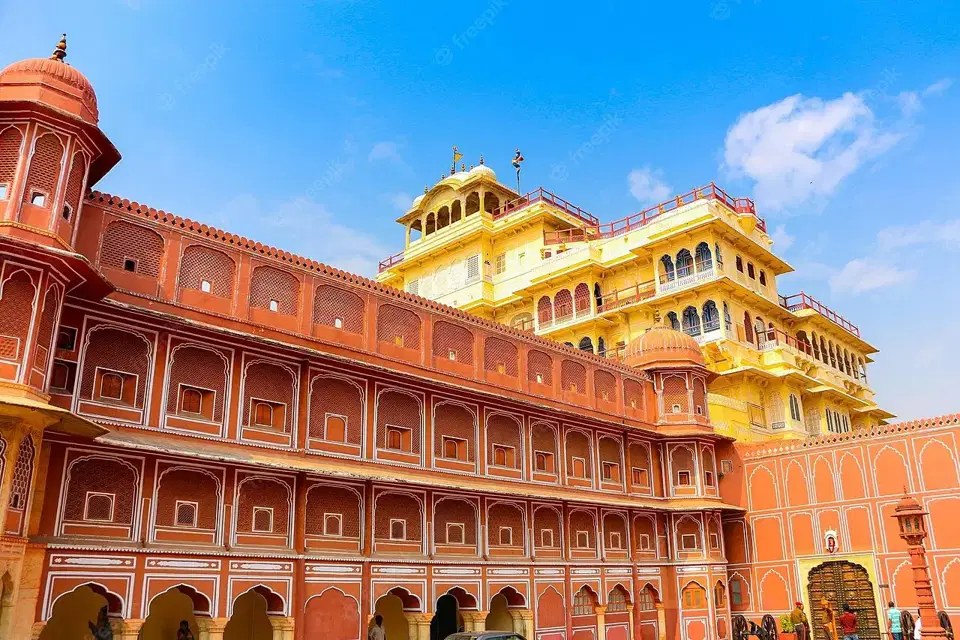
1727 CECities · WestSawai Jai Singh II founds Jaipur
Kachwaha
Sawai Jai Singh II founded the planned city of Jaipur in 1727.
Its streets and commercial spaces offer a lasting example of the relationship between royal patronage and urban design.
- Geographic context
- Rajasthan
- Date precision
- year
- Royal personality
- Sawai Jai Singh II
Sources & review
Source checked: 2026-11-10 · Version reviewed: 2026-11-10. Launch collection: AI-assisted source review; no claim of independent human certification.
1741 CEWarfare · SouthTravancore’s victory at Colachel
Travancore
Marthanda Varma’s forces defeated the Dutch at Colachel in 1741.
The event belongs to Travancore’s regional history and the changing balance of power on the south-western coast.
- Geographic context
- Tamil Nadu
- Date precision
- year
- Royal personality
- Marthanda Varma
Sources & review
Source checked: 2026-11-10 · Version reviewed: 2026-11-10. Launch collection: AI-assisted source review; no claim of independent human certification.
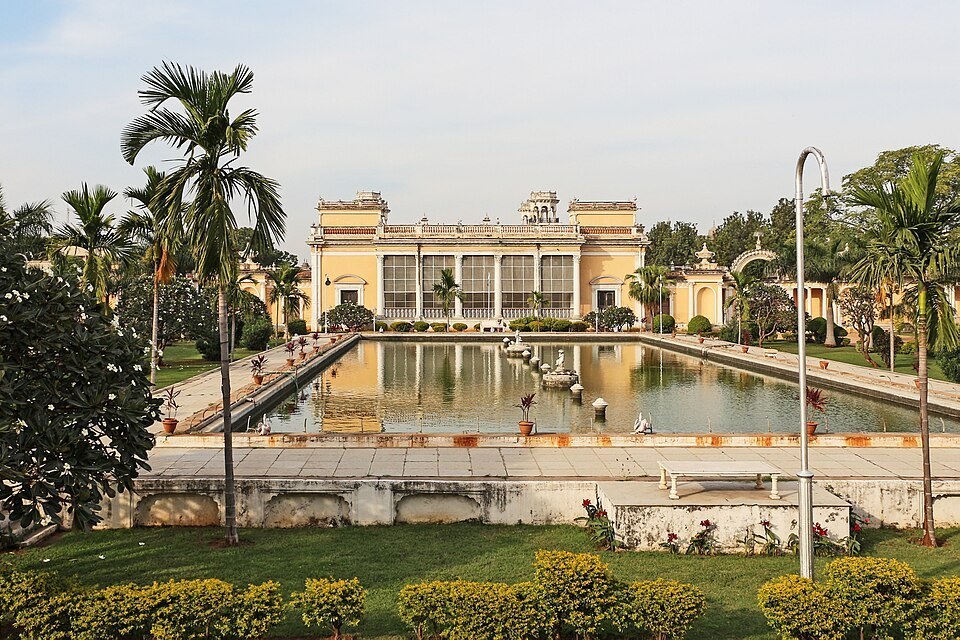
c. 1751 CEArchitecture · DeccanChowmahalla Palace takes shape
Asaf Jahi
Construction of Chowmahalla Palace began around 1751.
The palace’s institutional history connects its development with successive Nizam-era building campaigns.
- Geographic context
- Telangana
- Date precision
- approximate
Sources & review
Source checked: 2026-11-10 · Version reviewed: 2026-11-10. Launch collection: AI-assisted source review; no claim of independent human certification.
1757 CEWarfare · EastThe Battle of Plassey
Nawabs of Bengal
The East India Company’s victory at Plassey marked a turning point in Bengal.
The battle opened a new phase of Company influence; later territorial and revenue changes unfolded through further conflicts and agreements.
- Geographic context
- West Bengal
- Date precision
- year
Sources & review
Source checked: 2026-11-10 · Version reviewed: 2026-11-10. Launch collection: AI-assisted source review; no claim of independent human certification.
1767–1795 CEPolitics · CentralAhilyabai Holkar’s rule
Holkar
Ahilyabai Holkar governed Malwa and supported extensive religious and public works.
Her reign connects royal administration with patronage and commemoration across many places.
- Geographic context
- Madhya Pradesh
- Date precision
- range
- Royal personality
- Ahilyabai Holkar
Sources & review
Source checked: 2026-11-10 · Version reviewed: 2026-11-10. Launch collection: AI-assisted source review; no claim of independent human certification.
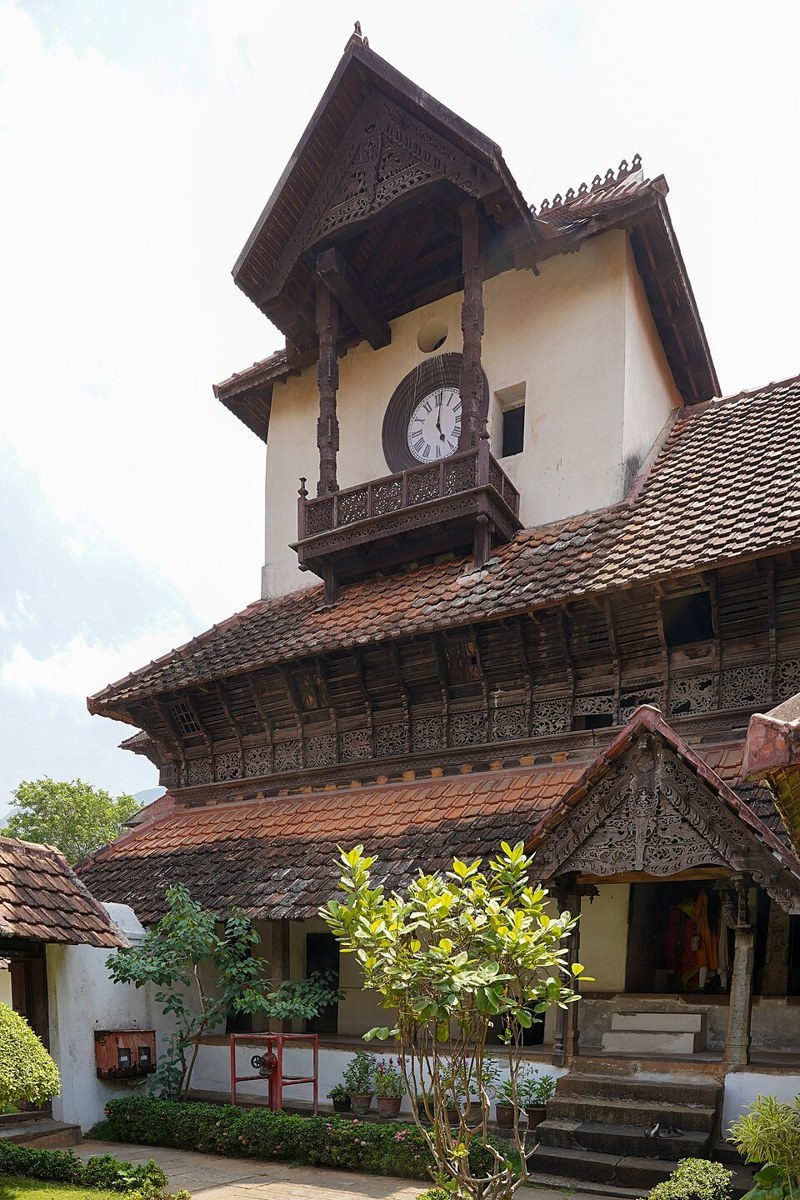
1795 CECities · SouthTravancore’s capital moves
Travancore
Travancore’s capital shifted from Padmanabhapuram to Thiruvananthapuram in 1795.
The earlier palace remains an important architectural record of the royal house’s history.
- Geographic context
- Kerala and Tamil Nadu
- Date precision
- year
Sources & review
Source checked: 2026-11-10 · Version reviewed: 2026-11-10. Launch collection: AI-assisted source review; no claim of independent human certification.
1801 CEPolitics · SubcontinentRanjit Singh becomes Maharaja
Sikh Empire
Ranjit Singh was proclaimed Maharaja of Punjab in April 1801.
His royal position forms part of the history of the Sikh Empire; this entry does not imply modern political boundaries.
- Geographic context
- Punjab / present-day Pakistan
- Date precision
- year
- Royal personality
- Ranjit Singh
Sources & review
Source checked: 2026-11-10 · Version reviewed: 2026-11-10. Launch collection: AI-assisted source review; no claim of independent human certification.
1824 CEWarfare · SouthRani Chennamma’s resistance
Kittur Desai house
Rani Chennamma led resistance to the East India Company at Kittur in 1824.
The struggle places a royal woman at the centre of an early nineteenth-century confrontation with Company expansion.
- Geographic context
- Karnataka
- Date precision
- year
- Royal personality
- Rani Chennamma
Sources & review
Source checked: 2026-11-10 · Version reviewed: 2026-11-10. Launch collection: AI-assisted source review; no claim of independent human certification.
1856 CEPolitics · NorthThe annexation of Awadh
Awadh
The East India Company annexed Awadh in 1856.
The annexation affected rulers, soldiers and communities and formed part of the context for the rebellion that followed.
- Geographic context
- Uttar Pradesh
- Date precision
- year
Sources & review
Source checked: 2026-11-10 · Version reviewed: 2026-11-10. Launch collection: AI-assisted source review; no claim of independent human certification.
1857–1858 CEWarfare · NorthLakshmibai and the uprising
Jhansi
Rani Lakshmibai became a prominent leader during the uprising of 1857–1858.
NCERT’s account records her military resistance and death in June 1858.
- Geographic context
- Uttar Pradesh and Madhya Pradesh
- Date precision
- range
- Royal personality
- Rani Lakshmibai
Sources & review
Source checked: 2026-11-10 · Version reviewed: 2026-11-10. Launch collection: AI-assisted source review; no claim of independent human certification.
1857–1858 CEPolitics · NorthBegum Hazrat Mahal in Awadh
Awadh
Begum Hazrat Mahal helped organise the uprising against the British in Awadh.
Her role connects royal politics with the wider rebellion of 1857–1858.
- Geographic context
- Uttar Pradesh
- Date precision
- range
- Royal personality
- Begum Hazrat Mahal
Sources & review
Source checked: 2026-11-10 · Version reviewed: 2026-11-10. Launch collection: AI-assisted source review; no claim of independent human certification.
1858 CEPolitics · SubcontinentFrom Company to Crown rule
British paramountcy
The British Crown assumed responsibility for governing India in 1858.
Relations with princely rulers continued under a new imperial framework; states and estates retained differing historical and administrative positions.
- Geographic context
- Multiple regions
- Date precision
- year
Sources & review
Source checked: 2026-11-10 · Version reviewed: 2026-11-10. Launch collection: AI-assisted source review; no claim of independent human certification.
1874 CEArchitecture · CentralJai Vilas Palace at Gwalior
Scindia
Maharaja Jayajirao Scindia commissioned Jai Vilas Palace, constructed in 1874.
The building later became a setting for museum collections that interpret Scindia heritage.
- Geographic context
- Madhya Pradesh
- Date precision
- year
Sources & review
Source checked: 2026-11-10 · Version reviewed: 2026-11-10. Launch collection: AI-assisted source review; no claim of independent human certification.
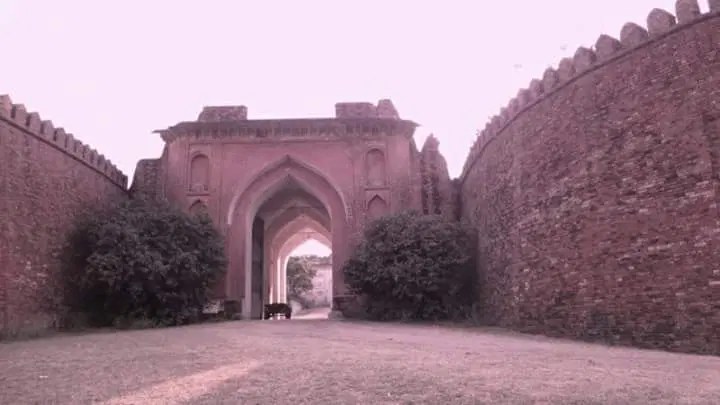
1885 CEEducation · NorthAwagarh and educational philanthropy
Awagarh estate
Raja Balwant Singh College traces its origins to 1885 and credits Awagarh’s Raja Balwant Singh.
The institutional report documents educational benefaction. Awagarh is identified here as an estate, without inventing a family succession or founding date.
- Geographic context
- Uttar Pradesh
- Date precision
- year
- Royal personality
- Raja Balwant Singh
Sources & review
Source checked: 2026-11-10 · Version reviewed: 2026-11-10. Launch collection: AI-assisted source review; no claim of independent human certification.
1912 CEArchitecture · SouthThe present Mysuru Palace is completed
Wadiyar
The present Mysuru Palace was completed in 1912 after construction began in 1897.
The building remains a major architectural expression of Wadiyar patronage and the city’s royal heritage.
- Geographic context
- Karnataka
- Date precision
- year
Sources & review
Source checked: 2026-11-10 · Version reviewed: 2026-11-10. Launch collection: AI-assisted source review; no claim of independent human certification.
15 August 1947 CEIndependence · SubcontinentIndependence and a new political era
Independent India
India became independent on 15 August 1947.
Independence brought constitutional change alongside Partition, displacement and the difficult process of integrating the princely states.
- Geographic context
- India
- Date precision
- year
Sources & review
Source checked: 2026-11-10 · Version reviewed: 2026-11-10. Launch collection: AI-assisted source review; no claim of independent human certification.
30 March 1949 CEIndependence · WestThe formation of Greater Rajasthan
Multiple Rajput houses
The inauguration of Greater Rajasthan on 30 March 1949 was a major stage in regional integration.
Rajasthan’s formation occurred in stages; the modern state’s complete boundaries should not be projected onto this single date.
- Geographic context
- Rajasthan
- Date precision
- year
Sources & review
Source checked: 2026-11-10 · Version reviewed: 2026-11-10. Launch collection: AI-assisted source review; no claim of independent human certification.
26 January 1950 CEIndependence · SubcontinentIndia becomes a republic
Republic of India
India’s Constitution came into force on 26 January 1950.
The republican framework changed the relationship between sovereignty, citizenship and the former royal states.
- Geographic context
- India
- Date precision
- year
Sources & review
Source checked: 2026-11-10 · Version reviewed: 2026-11-10. Launch collection: AI-assisted source review; no claim of independent human certification.
12 December 1964 CEMuseums · CentralA palace becomes a museum
Scindia
Rajmata Vijaya Raje Scindia opened palace wings as a museum in memory of Jiwajirao Scindia.
The museum’s institutional history dates this transformation to 12 December 1964.
- Geographic context
- Madhya Pradesh
- Date precision
- year
- Royal personality
- Vijaya Raje Scindia
Sources & review
Source checked: 2026-11-10 · Version reviewed: 2026-11-10. Launch collection: AI-assisted source review; no claim of independent human certification.
28 December 1971 CEIndependence · SubcontinentThe Twenty-sixth Amendment
Republic of India
The Twenty-sixth Amendment ended constitutional recognition of former rulers and abolished privy purses.
This entry concerns the 1971 constitutional change, not the private cultural identities or family histories of former royal houses.
- Geographic context
- India
- Date precision
- year
Sources & review
Source checked: 2026-11-10 · Version reviewed: 2026-11-10. Launch collection: AI-assisted source review; no claim of independent human certification.
1972 CEMuseums · WestMehrangarh Museum Trust
Rathore
Gaj Singh established Mehrangarh Museum Trust in 1972.
The institution connects royal collections with public interpretation, conservation and cultural activity.
- Geographic context
- Rajasthan
- Date precision
- year
Sources & review
Source checked: 2026-11-10 · Version reviewed: 2026-11-10. Launch collection: AI-assisted source review; no claim of independent human certification.
1987 CEConservation · SouthChola architecture gains World Heritage recognition
Chola legacy
The Thanjavur temple entered UNESCO’s World Heritage List in 1987.
The property later expanded to include two further Chola temples, connecting royal patronage with modern conservation.
- Geographic context
- Tamil Nadu
- Date precision
- year
Sources & review
Source checked: 2026-11-10 · Version reviewed: 2026-11-10. Launch collection: AI-assisted source review; no claim of independent human certification.
2010 CEConservation · WestJaipur’s observatory is recognised
Kachwaha legacy
Jantar Mantar was inscribed on the World Heritage List in 2010.
The designation frames courtly astronomy as a shared cultural inheritance requiring ongoing care.
- Geographic context
- Rajasthan
- Date precision
- year
Sources & review
Source checked: 2026-11-10 · Version reviewed: 2026-11-10. Launch collection: AI-assisted source review; no claim of independent human certification.
2019 CEConservation · WestJaipur’s living city enters the World Heritage List
Kachwaha legacy
Jaipur’s walled city was inscribed as World Heritage in 2019.
The city’s continuing markets and urban traditions show how royal-era planning remains part of everyday life.
- Geographic context
- Rajasthan
- Date precision
- year
Sources & review
Source checked: 2026-11-10 · Version reviewed: 2026-11-10. Launch collection: AI-assisted source review; no claim of independent human certification.
2024 CEConservation · North-EastAhom royal heritage receives UNESCO recognition
Ahom legacy
The Moidams of the Ahom dynasty entered the World Heritage List in 2024.
Modern conservation brings renewed attention to Charaideo’s royal funerary landscape and Tai-Ahom traditions.
- Geographic context
- Assam
- Date precision
- year
Sources & review
Source checked: 2026-11-10 · Version reviewed: 2026-11-10. Launch collection: AI-assisted source review; no claim of independent human certification.
No entries match this combination. Reset the filters or choose a broader era.