

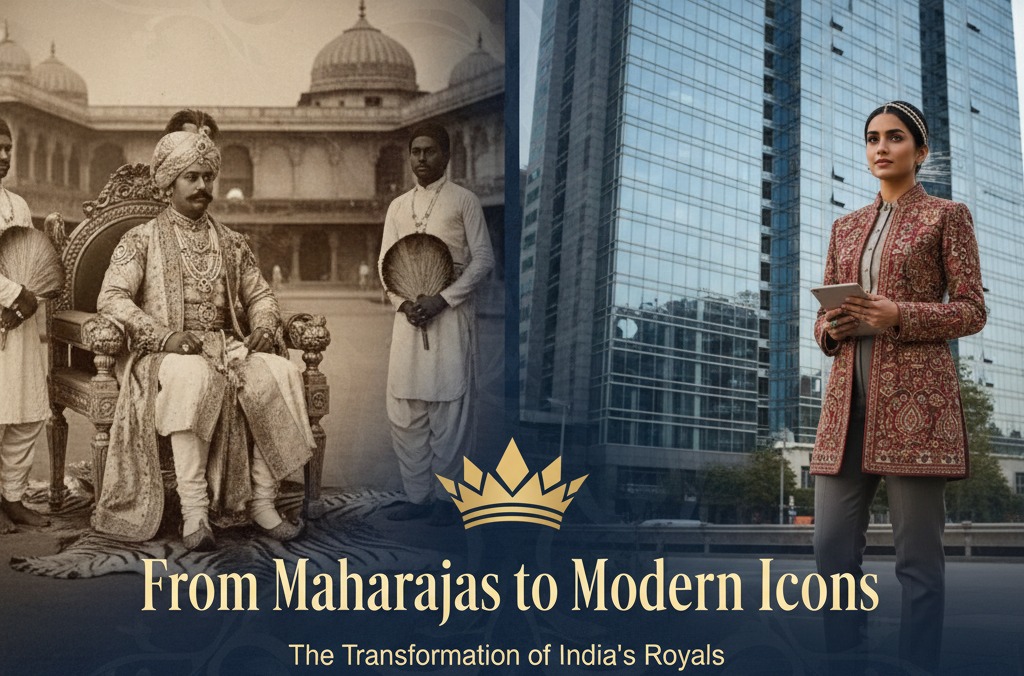
Introduction to Indian royalty and their history
India’s rich tapestry of history is woven with vibrant threads of royalty. From the majestic palaces that rise like sun-kissed dreams to the opulent lifestyles marked by grandeur, Indian royals have long captivated our imagination. The tales of Maharajas and their kingdoms echo through time, telling stories of power, culture, and tradition. Yet, as centuries rolled on and the world changed dramatically, these regal figures underwent a remarkable transformation.
Today’s royal families are more than just symbols of bygone eras; they stand as modern icons who bridge the past with contemporary life. Their journey from rulers in splendid courts to influential personalities within society reveals much about India’s evolving identity. Join us as we delve into this fascinating evolution—exploring how these beloved figures adapted to new realities while preserving their heritage along the way.
The decline of Maharajas and the rise of modern Indian royals
The era of Maharajas, once synonymous with opulence and authority, began to wane in the mid-20th century. With India’s transition from a colonial power to an independent nation, the formidable thrones saw their influence diminish.
Many erstwhile royal families faced significant changes. The abolition of privy purses and the redistribution of land transformed their status almost overnight. This shift compelled them to adapt rapidly or risk fading into obscurity.
Yet, amidst this decline emerged a new breed of royals. These modern figures have redefined royalty in contemporary society. They embrace philanthropy, engage in politics, and even venture into business.
Their efforts go beyond mere survival; they seek relevance in today’s world while honoring their rich heritage. As custodians of culture and tradition, they are evolving gracefully from rulers to icons who inspire future generations.
The influence of British colonization on the downfall of Indian royalty
The advent of British colonization had a profound impact on Indian royalty. It marked the beginning of an era where once-powerful Maharajas faced significant challenges to their authority.
Under British rule, many princely states were incorporated into the empire. Treaties often stripped these royals of their sovereignty and reduced them to mere figureheads. This erosion of power was gradual yet relentless.
Moreover, policies like land revenue systems destabilized traditional sources of income for these royal families. The economic strain forced some rulers into debt, further diminishing their influence in society.
Culturally, British ideals began infiltrating Indian society. Western education became a tool for reform but also fostered a sense of alienation among traditionalists who saw their customs being overshadowed.
This complex relationship with colonial powers ultimately set the stage for the decline in stature and relevance that many royal families experienced during this tumultuous period.
The impact of India’s independence on the status of royals
India’s independence in 1947 marked a significant turning point for its royal families. Once the epitome of power and privilege, these dynasties faced a sudden shift in their status. The newly formed government sought to integrate princely states into the burgeoning republic.
This transition stripped many royals of their political authority, relegating them to ceremonial roles. Their palatial homes became museums or heritage hotels, showcasing a bygone era rather than wielding influence over governance.
However, some royals adapted by embracing new identities. They ventured into business and philanthropy, using their historical clout to promote social causes. By redefining themselves as cultural custodians, they found relevance in modern India.
Despite losing formal power, Indian royals began carving out unique niches within society—blending tradition with contemporary life while still honoring their rich legacies.
Modern day lifestyles and activities of Indian royals
Today, Indian royals have embraced a blend of tradition and modernity. Many have transitioned from palatial living to contemporary lifestyles while still honoring their heritage.
Some members actively participate in social initiatives, focusing on education, health care, and environmental issues. They leverage their influence to raise awareness about pressing concerns.
Fashion is another arena where these modern icons shine. From hosting high-profile events to collaborating with designers, they showcase Indian craftsmanship globally.
Traveling extensively helps them connect with diverse cultures and ideas. Social media presence has also become significant for many royals as they share glimpses of their lives.
Art preservation remains close to their hearts; numerous royal families support museums and cultural festivals that celebrate India’s rich history. Their lifestyle reflects a fascinating journey—one foot in the past while stepping confidently into the future.
The role of Indian royals in preserving cultural heritage and traditions
Indian royals have played a pivotal role in preserving the rich tapestry of cultural heritage and traditions. Their patronage has been vital for various art forms, music, and dance that reflect India’s diverse identity.
Many royal families actively support artisans and craftspeople. Through workshops and funding, they ensure traditional skills thrive amid modern influences. Festivals organized by these families often showcase time-honored practices, drawing crowds eager to immerse themselves in history.
Moreover, palaces transformed into museums serve as custodians of artifacts that narrate stories from bygone eras. These spaces educate visitors about the nuances of Indian culture.
By engaging with contemporary artists while honoring their roots, Indian royals bridge the gap between past and present. Their influence fosters respect for timeless customs while encouraging innovation within traditional frameworks.
Conclusion: The enduring legacy of India’s royal families
The legacy of India’s royal families is multi-faceted and profound. These dynasties, once symbols of power and opulence, have transformed remarkably over the years. From the grandeur of their palaces to their modern roles as cultural custodians, Indian royals continue to shape narratives around heritage and tradition.
While many may perceive them merely as relics of a bygone era, these maharajas are now pivotal in preserving India’s rich tapestry. They engage in social causes, promote arts and crafts, and sustain traditions that reflect India’s diverse culture. Their influence transcends mere historical significance; it plays an active role in contemporary society.
As modern icons, today’s royals bridge the gap between history and present-day life. They remind us that even amidst change, some legacies endure—rooted deep within the heart of India’s identity. The evolution from Maharajas to modern figures signifies not just a shift in status but also a commitment to nurturing a vibrant future while honoring a storied past.
