

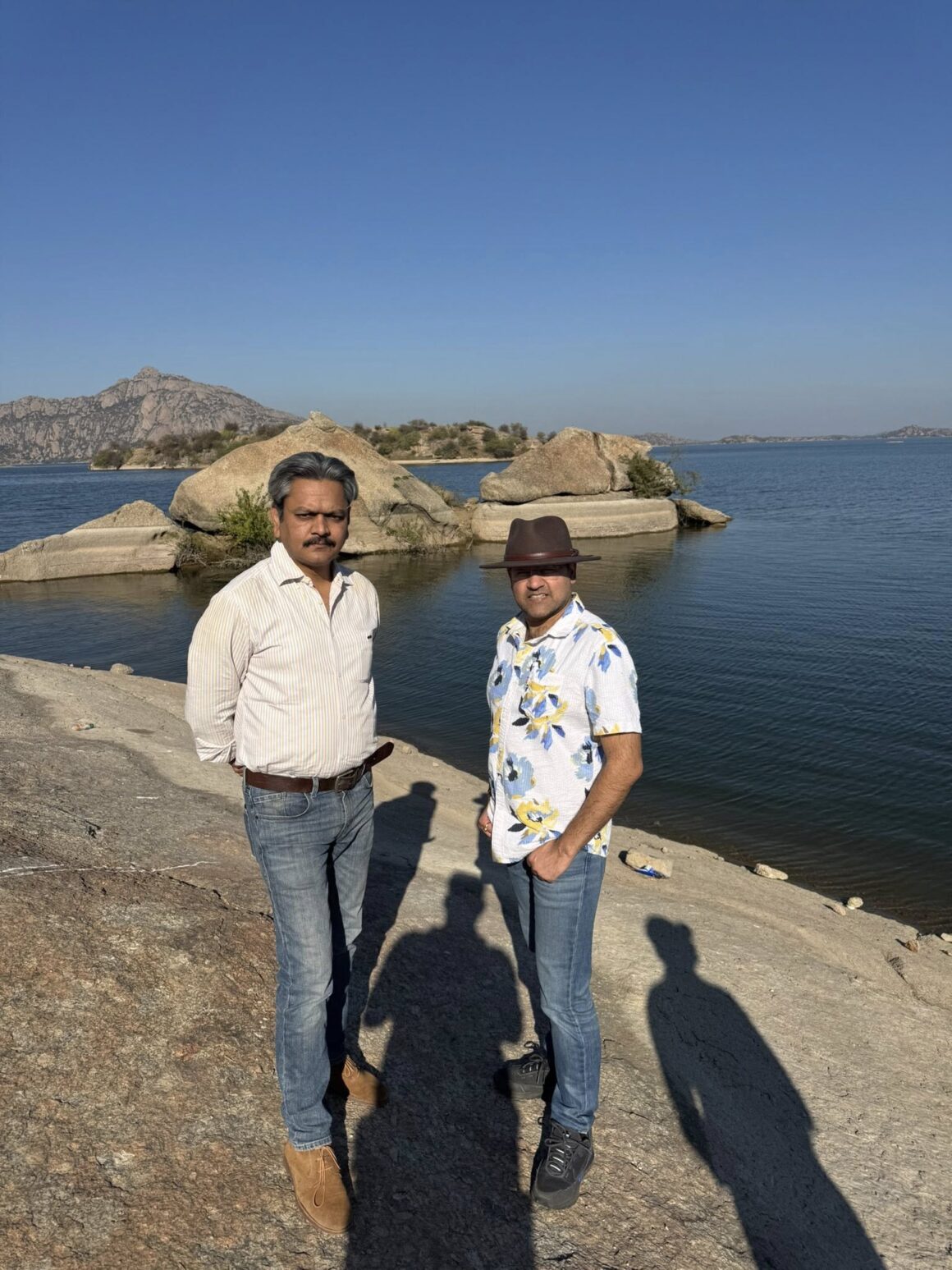
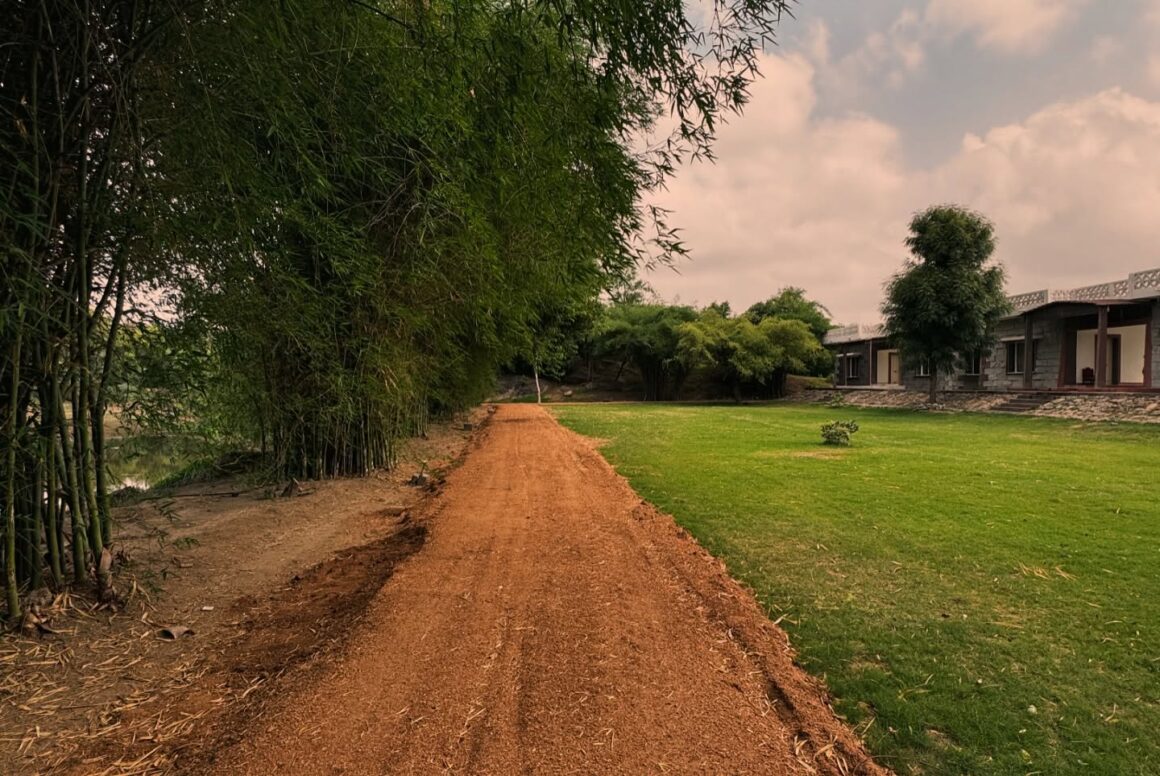
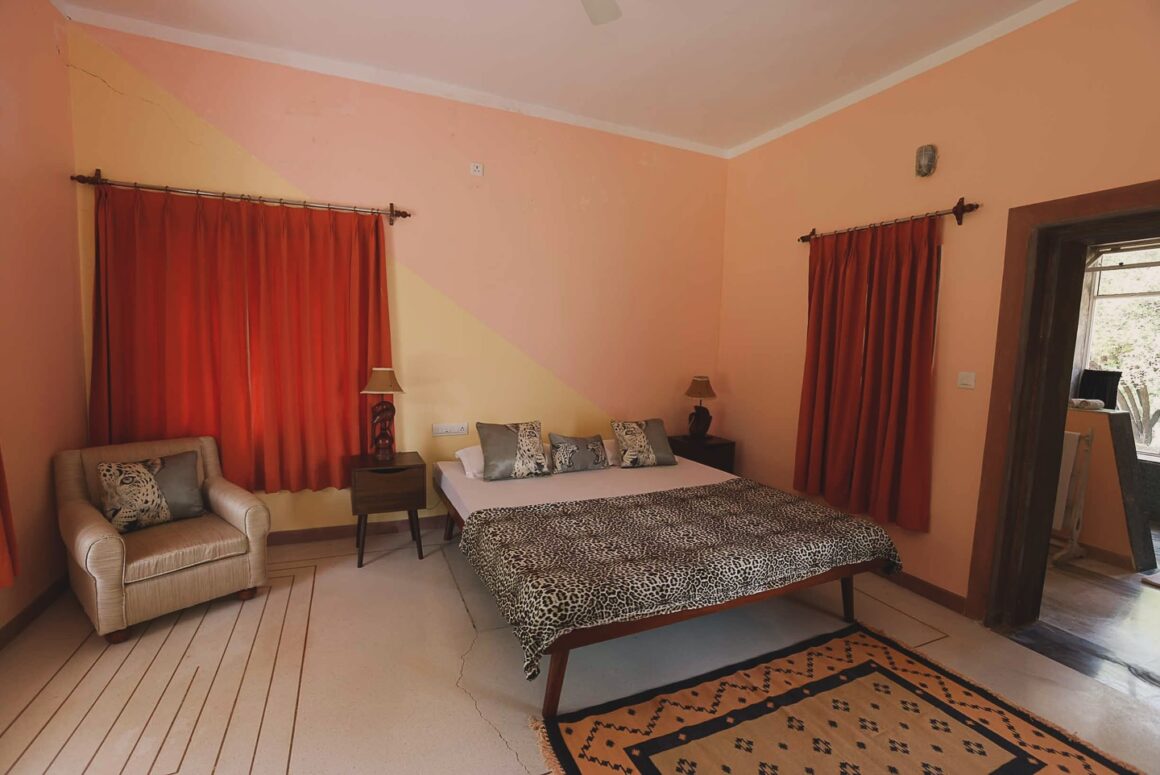
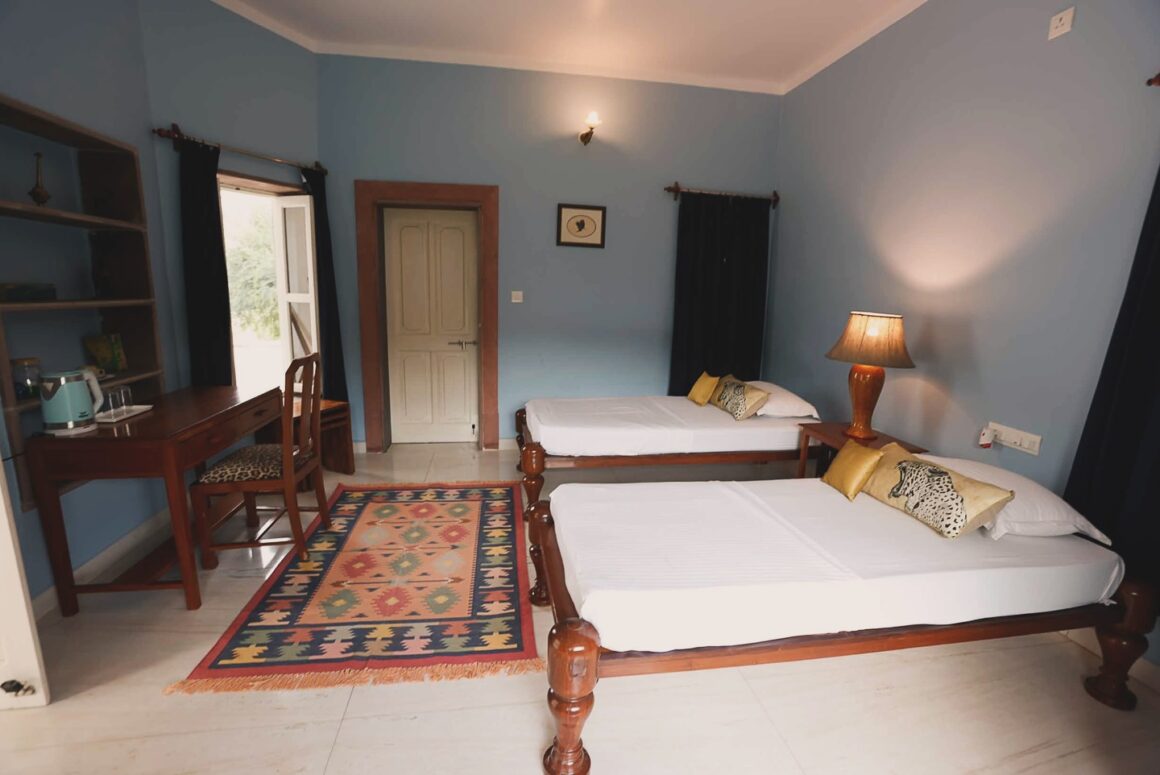
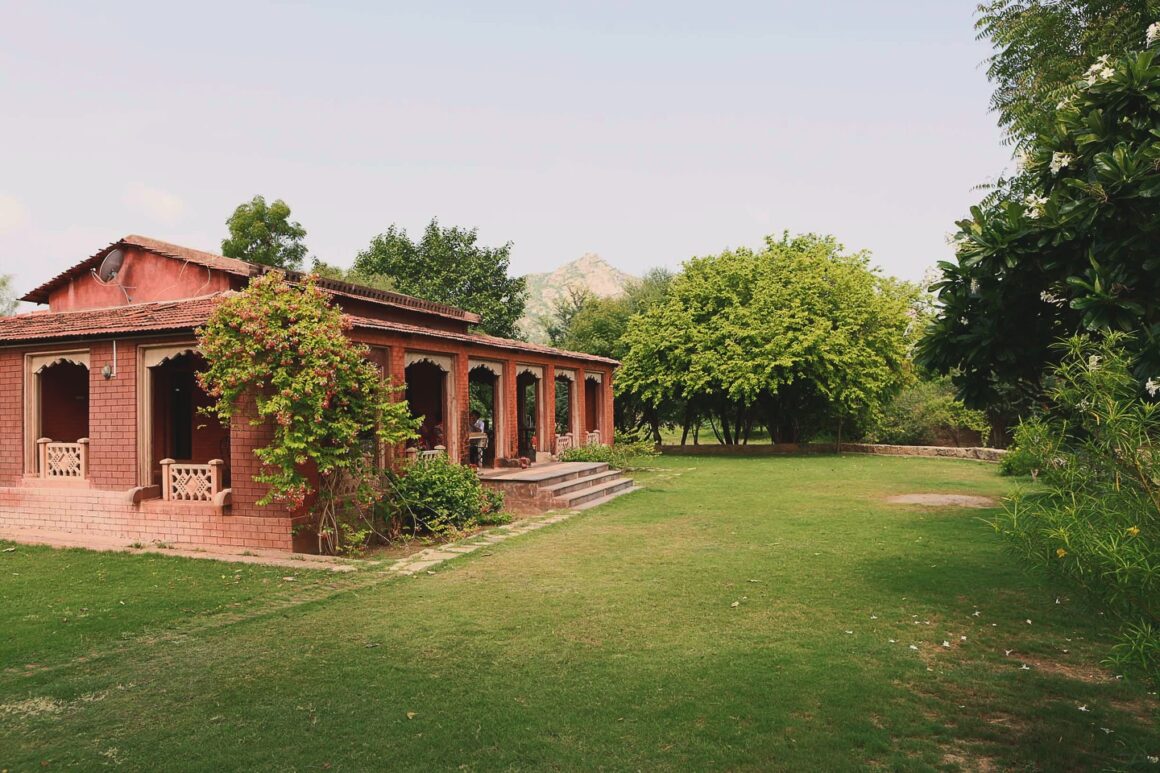
Nestled in the rugged granite hills and wild grasslands of Jawai, Rajasthan, Bagheera’s Camp stands apart from typical luxury safari lodges. It is not merely a tourism destination, but a living model of wildlife conservation, community-centric tourism, and ecosystem restoration — passionately championed by Baiji Lal Princess Padmaja Kumari Rathore of Jodhpur. padmajajodhpur.com+1
The Vision Behind Bagheera’s Camp
Bagheera’s Camp was conceived as a wildlife social enterprise and community reserve — a place where visitors reconnect with nature on its own terms and learn to respect the fragile balance of life in semi-arid landscapes. Padmaja, a graduate in Hotel Management from IHM-Aurangabad, fused her expertise in hospitality with a deep love for wild spaces, wildlife protection, and sustainable living. padmajajodhpur.com+1
Her vision extends beyond mere ecotourism: Bagheera’s Camp serves as a hub for education, conservation awareness, livelihood development, and cultural exchange. The camp offers nature safaris (both on foot and by jeep), wildlife classes, and immersive experiences that encourage guests to observe and appreciate the complex flora and fauna of the Jawai-Bera landscape. padmajajodhpur.com+1
A Name Rooted in Childhood and Wilderness
The camp’s name itself — Bagheera — reflects Padmaja’s lifelong connection to the wild. Inspired by Rudyard Kipling’s The Jungle Book stories she adored as a child, and by a memorable encounter with a wild feline in the Jawai hills, she named the site in homage to the spirit of the wild cat — a guardian of the land rather than its master. padmajajodhpur.com
The Jodhpur Royal Family: A Legacy of Rajput Valor
The Rathore dynasty of Jodhpur, to which Padmaja belongs, has a storied history that spans centuries. Known as one of the major Rajput clans, the Rathores ruled the Kingdom of Marwar (later Jodhpur State) from the early 13th century until India’s independence in 1947. Wikipedia+1
- Origins & Establishment: The Rathores trace their lineage to earlier north Indian dynasties and migrated westward, ultimately establishing their rule in the desert region of Marwar. Wikipedia
- Founding of Jodhpur: In 1459, Rao Jodha founded the city of Jodhpur, making it the capital of his expanding kingdom. The formidable Mehrangarh Fort, perched high above the city, remains a testament to Rathore strength and architectural vision. Wikipedia
- Rule & Alliances: Over centuries, the Rathores engaged in shifting alliances and conflicts with neighbouring kingdoms and empires, including long periods of Mughal suzerainty, before entering into British-era treaties and finally acceding to the Indian Union in 1947. Wikipedia
Today, the erstwhile royal family — though no longer sovereign rulers — continue to uphold cultural heritage, patronize arts and heritage conservation, and contribute to public life in varied ways across Rajasthan and India.
Padmaja Rathore’s Social and Environmental Causes
Padmaja’s work through Bagheera’s Camp goes far beyond hospitality — it embodies conservation with compassion:
🌱 Rewilding Jawai & Ecosystem Restoration
Jawai’s grasslands and wetlands had suffered environmental degradation from overgrazing and drying water bodies. Padmaja initiated Rewilding Jawai, a long-term ecological restoration effort that:
- Re-charges groundwater and helps wetlands retain water year-round, even during dry seasons.
- Restores indigenous plant species such as Rohida and Palaash, helping revive native biodiversity.
- Supports habitats for leopards, sloth bears, hyenas, and other wildlife by nurturing native flora and balanced ecosystems. The Better India
👩🏫 Community Empowerment & Skills Training
Padmaja runs the Raj Dadisa Badan Kanwar School of Self Study, an education and skill-development centre aimed at tribal and low-income groups. Here, participants learn hospitality, basic education, wildlife awareness, and vocational capabilities — turning local youth and women into skilled advocates for conservation. The Better India
By employing over 99 % tribal workers in the camp and related initiatives, she ensures that economic benefits flow directly to the community, strengthening local stewardship of the land. The Better India
🐾 Women’s Leadership & Conservation Advocacy
Padmaja is deeply involved in women’s rights and empowerment forums, including NAWO, UN Women India, and Women20 (W20). Her work builds confidence and leadership among rural women, encouraging them to participate actively in environmental protection and community leadership efforts. padmajajodhpur.com
She has also participated as a speaker at platforms like TEDx, sharing insights on habitat destruction and conservation as part of broader sustainable development dialogues. padmajajodhpur.com
🌍 Anti-Mining & Local Resistance
Under Padmaja’s engagement with local communities, movements like the Godwar Chipko Movement — which challenged illegal mining interests — have highlighted the importance of protecting landscapes and livelihoods against unchecked commercial encroachment. padmajajodhpur.com
A Legacy of Harmony: People, Wildlife & Land
Bagheera’s Camp — under Padmaja Rathore’s stewardship — is more than a camp; it is a living conservation lab where:
- Wildlife thrives alongside humans without interference.
- Local cultures and tribal knowledge are honoured and uplifted.
- Visitors become participants in a story of ecological revival rather than mere spectators. The Better India
In a world grappling with environmental loss, Padmaja’s work at Jawai stands as a powerful example of how heritage, habitat, and humanity can be interwoven into a sustainable future — just as her ancestors interwove courage, culture, and community to build the legacy of Jodhpur.
