Early Life and Royal Family Background
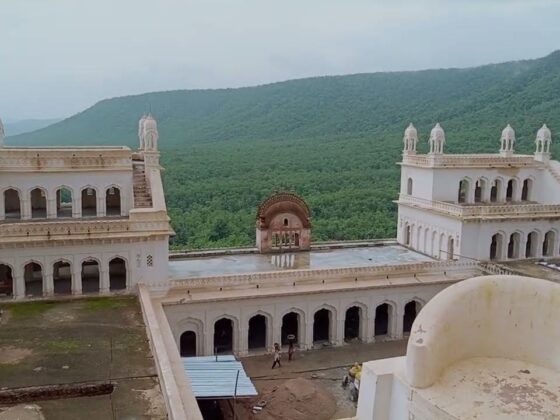
Rajkumar Babu Bhisma Narain Singh was born on 13 July 1933 at Udaigarh, Palamu District, Bihar. He belonged to the distinguished royal family of Namudag Mahuari Raj, an erstwhile princely estate situated in the present-day Palamu district.
He was the nephew of Raja Saheb Rajeshwari Prasad Singh, who served as the erstwhile Raja Saheb of Namudag Mahuari Raj from 1910 to 1979. Growing up in a family associated with the history and public life of the region, Bhisma Narain Singh would go on to establish his own remarkable legacy in Indian public service and constitutional administration.
Education
Singh pursued higher education at Banaras Hindu University (BHU), one of India’s foremost institutions of learning. His education laid the foundation for a long career in public life, politics, administration and national service.
Entry into Politics and Parliamentary Career
Bhisma Narain Singh became an active member of the Indian National Congress and remained a member of the All India Congress Committee (AICC) for more than three decades.
His political career began at the state level. In 1967, he was elected as a Member of the Legislative Assembly of Bihar. His administrative and political responsibilities subsequently expanded, and he served in several ministerial positions in the Bihar Government:
- 1967 – Member of the Legislative Assembly of Bihar
- 1971 – Bihar State Minister for Education
- 1972 – Bihar State Minister for Mines & Geology
- 1973 – Bihar State Minister for Food, Supply & Commerce
- 1976 – Elected to the Rajya Sabha, the Upper House of the Parliament of India
- 1978 – Chief Whip of the Congress Party in Parliament
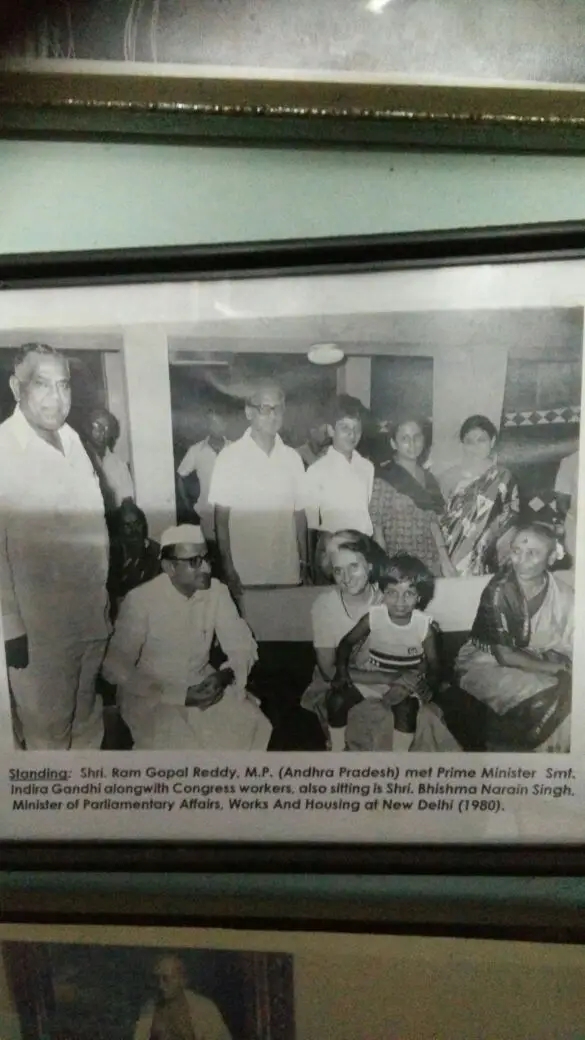
From 1978 to 1983, he was also a permanent invitee to the Congress Parliamentary Board during the presidency of Mrs. Indira Gandhi, reflecting his important position within the national political organization.
Cabinet Minister in the Government of Indira Gandhi
In 1980, Singh entered the Union Cabinet under Prime Minister Indira Gandhi. He held major portfolios including Parliamentary Affairs, Works and Housing, Labour, and Communications.
As Minister of Works and Housing, one of the notable responsibilities associated with his tenure was the development of sports infrastructure required for the IX Asian Games in New Delhi in 1982. The infrastructure programme was undertaken between 1980 and 1982 and was completed within a remarkably short period.
In 1983, he became Cabinet Minister for Food and Civil Supplies, continuing his service in the Union Government.
Governors and Constitutional Responsibilities
In 1984, Bhisma Narain Singh was appointed Governor of Assam and Meghalaya and also became Chairman of the North Eastern Council. During the following years, he was entrusted with additional gubernatorial responsibilities, serving as Governor of Sikkim in 1985 and Arunachal Pradesh in 1987.
In 1991, he was appointed Governor of Tamil Nadu, with additional responsibilities involving Pondicherry and the Andaman and Nicobar Islands.
His years as Governor placed him in some of the most important constitutional and politically sensitive situations in India.
Role in Assam and the Assam Accord
During his tenure as Governor of Assam, Singh was involved in a period marked by significant social and political agitation.
His administration worked toward reducing tensions and bringing opposing groups into dialogue. These efforts formed part of the broader process that ultimately led to the Assam Accord, signed between the Government of India, the Government of Assam and the representatives of the Assam Movement.
The Accord became an important landmark in India’s efforts toward political reconciliation and conflict resolution in Assam.
Contribution to the North Eastern Region
As Chairman of the North Eastern Council, Singh was associated with the administration and development of the seven northeastern states commonly known as the Seven Sisters, together with Arunachal Pradesh:
- Assam
- Arunachal Pradesh
- Manipur
- Meghalaya
- Mizoram
- Nagaland
- Tripura
During this period, emphasis was placed on accelerating economic and social development, strengthening infrastructure, improving living conditions and encouraging welfare initiatives, including programmes concerning tribal communities.
His work contributed to the broader effort to integrate development and governance across India’s northeastern region.
Service as Governor of Tamil Nadu
As Governor of Tamil Nadu, Singh served during a period of President’s Rule and was entrusted with maintaining constitutional governance and public order.
His tenure involved restoring stability during a politically sensitive period while ensuring that the machinery of government and democratic institutions continued to function.
His responsibilities also extended beyond administration. As Governor of several Indian states, he served as Chancellor of more than two dozen universities, giving him an opportunity to contribute to higher education.
He worked toward improvements in educational standards and facilities and supported initiatives relating to women’s rights and social development.
International Parliamentary and Public Associations
Beyond his constitutional responsibilities, Bhisma Narain Singh maintained active associations with several national and international organizations.
He was:
- Associate Life Member of the Inter-Parliamentary Union, Indian Branch
- Associate Life Member of the Commonwealth Parliamentary Association in India
- President of the Unity International Foundation
- President of the All India Conference of Intellectuals
These associations reflected his continuing engagement with parliamentary affairs, international dialogue, intellectual activities and public institutions.
Awards and Honours
Throughout his public career, Singh received several national and international honours.
In April 2005, he was honoured by the Government of Algeria with the Medal of Merit and Certificate of Honour.
In April 2009, he received one of the highest honours of the Russian Federation, the Order of Friendship, recognizing his contribution to international friendship and relations.
International Travels and Diplomatic Engagements
Bhisma Narain Singh travelled extensively throughout Asia, Europe, Africa and the United States. Even after leaving gubernatorial office, he continued to participate in international conferences, cultural exchanges, parliamentary programmes and diplomatic engagements.
Among his notable international visits were:
- Macedonia – April 1994, at the invitation of Vice President of the Assembly Mr. Kiro Popovski.
- Yugoslavia – July 1994, at the invitation of Dr. Radoman Božović, President of the Chamber of Citizens of the Federal Assembly.
- Bahrain – February 1996, at the special invitation of the Government of Bahrain to attend an NRI conference.
- Kazakhstan – May 1998, at the invitation of the President of Kazakhstan.
- Mauritius – February 2000, as Special Guest at the World Bhojpuri Conference.
- Yugoslavia – September 2000, as an international observer for elections in the Federal Republic of Yugoslavia and local self-government bodies in Serbia.
- China – May 2001, at the invitation of the External Cultural Relations Department of the Ministry of Culture of the People’s Republic of China.
- Bhutan – September 2002, at the invitation of the Government of Bhutan.
- China – May 2004, at the invitation of the Chinese People’s Association for Friendship with Foreign Countries.
- Seoul, South Korea – May 2006, at the invitation of the International Federation of Agricultural Producers.
- United Kingdom – October 2006, at the invitation of the NRI Society, London Chapter, where he addressed members of the Indian diaspora.
- Stuttgart, Germany – 2007, as Chief Guest at the Mercedes-Benz Museum Asia Circle, where he addressed approximately 300 delegates on India’s cultural heritage and traditions of religious tolerance.
- United Kingdom – October 2008, at the invitation of the British Institute of Technology & E-commerce.
- Moscow – November 2009, at the invitation of the Government of Russia to participate in a public dialogue.
These journeys reflected his continuing role as a representative of India’s political, cultural and intellectual traditions on the international stage.
Personal Interests
Despite his long and demanding career in politics and public administration, Singh maintained a number of personal interests. He particularly enjoyed brisk morning walks, horse riding and tribal folk traditions and performances.
His interest in India’s diverse cultural heritage was also reflected in his international addresses, where he spoke about India’s traditions, cultural diversity and religious tolerance.
A Continuing Political Legacy
The political legacy associated with the Singh family continued into subsequent generations. His grandson, Kranti Pratap Singh, became an active politician from Hussainabad, continuing the family’s involvement in public life in the Palamu region.
Legacy
Rajkumar Babu Bhisma Narain Singh’s public career extended across several decades and encompassed state politics, Parliament, Union Cabinet responsibilities, constitutional offices and international public engagement.
Beginning with his roots in the royal family of Namudag Mahuari Raj, his journey took him from Palamu to the Bihar Legislative Assembly, the Rajya Sabha, the Union Cabinet and the governorships of several Indian states.
His career was particularly notable for the breadth of responsibilities entrusted to him: from education, mines and commerce in Bihar to national ministries, from the development of infrastructure for the Asian Games to constitutional administration in the Northeast and Tamil Nadu.
His work in the Northeast, his involvement during periods of political unrest, his responsibilities as Chairman of the North Eastern Council and his subsequent international engagements formed important chapters of a long life devoted to public service.
For the history of Namudag Mahuari Raj and the wider Palamu region, his life represents a significant link between the region’s former aristocratic and royal traditions and the institutions of modern democratic India.
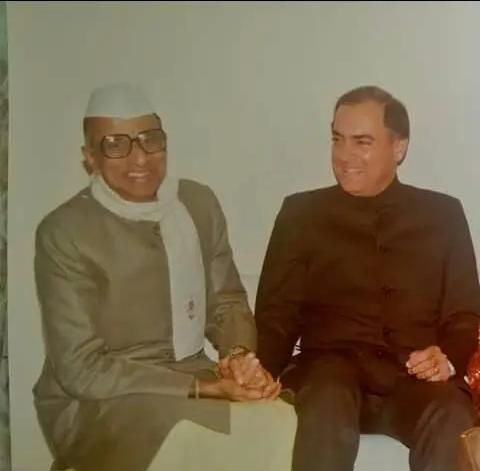
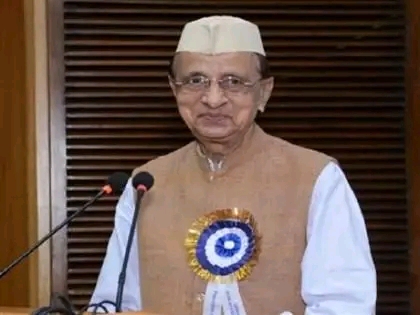
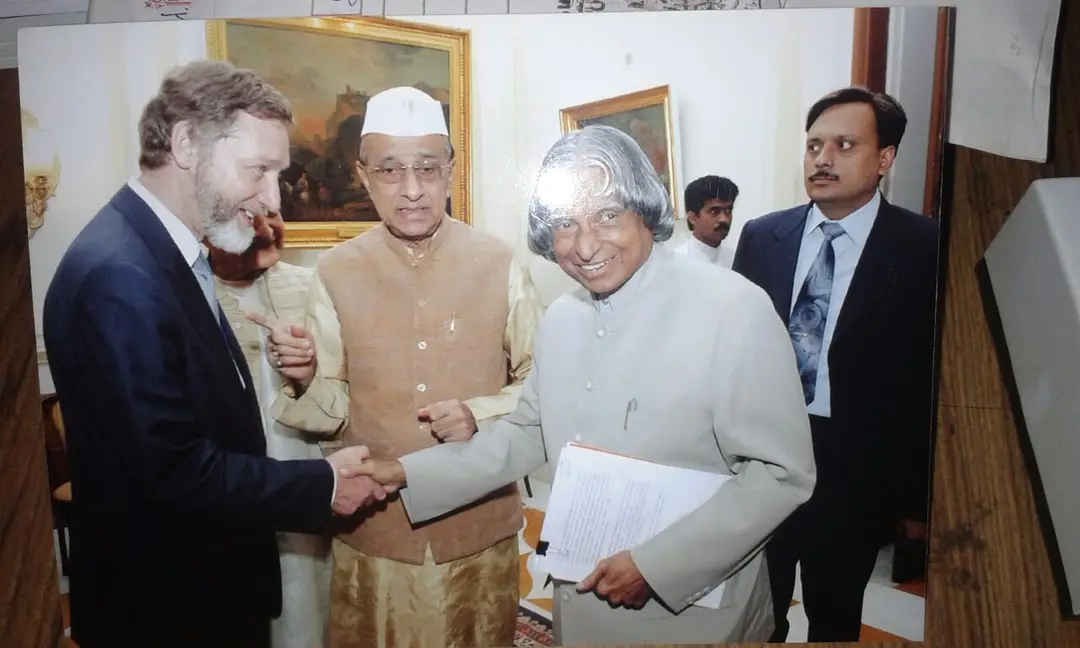
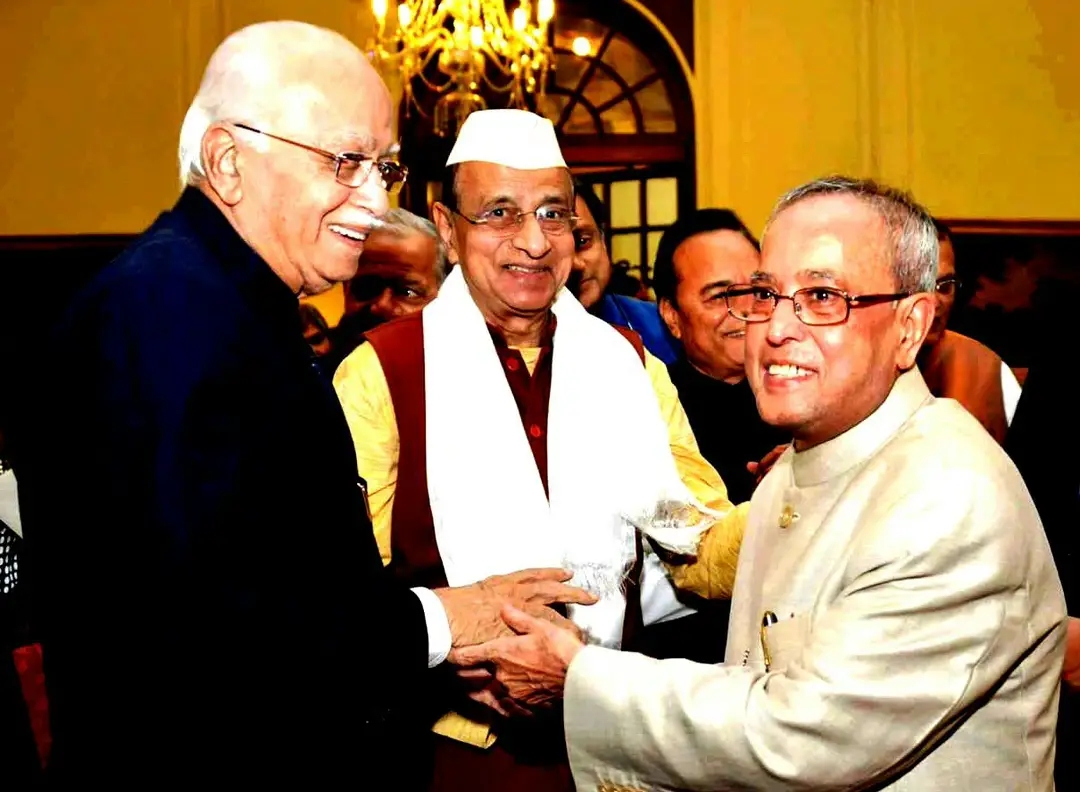
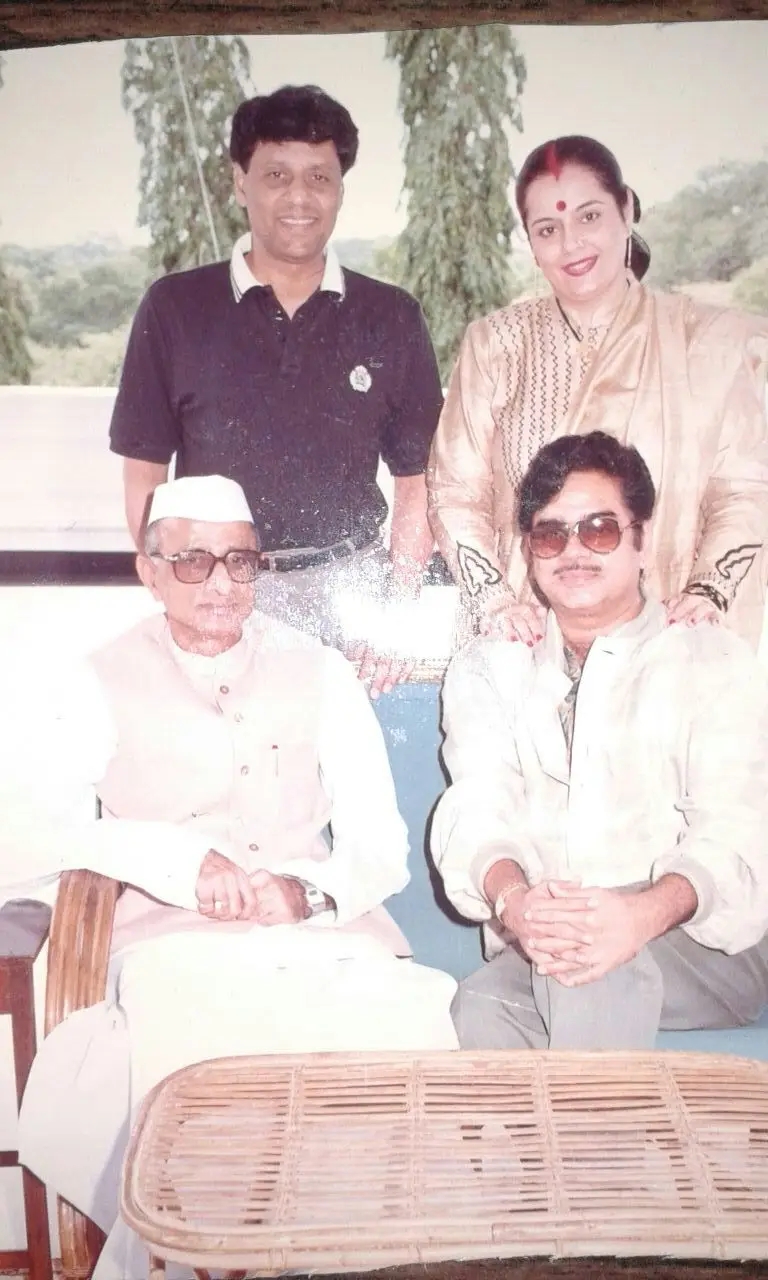
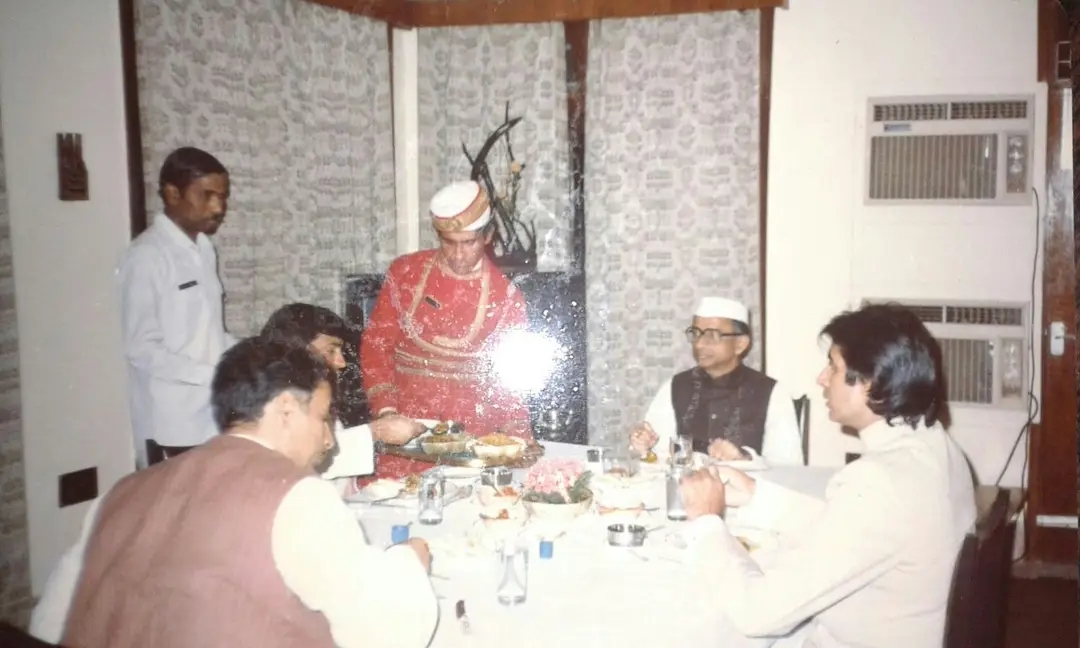
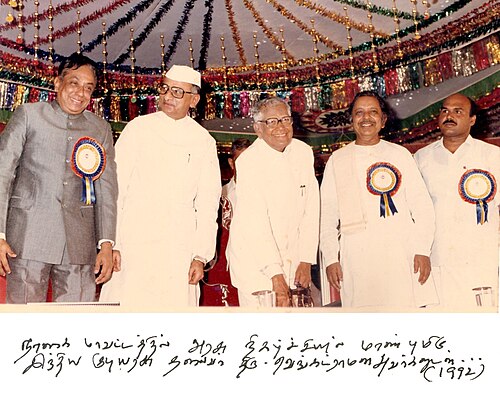
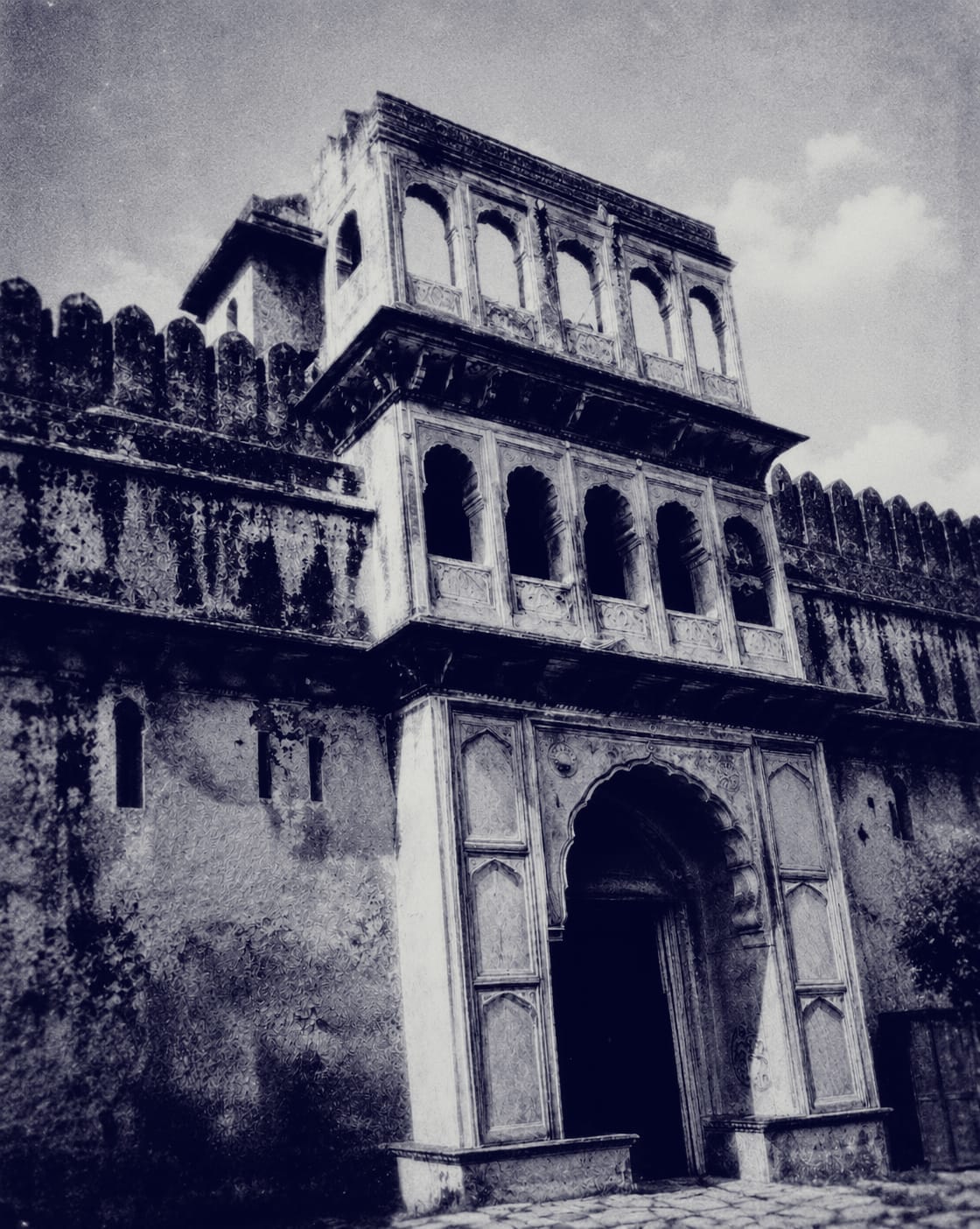
Some Pictures of related to him –
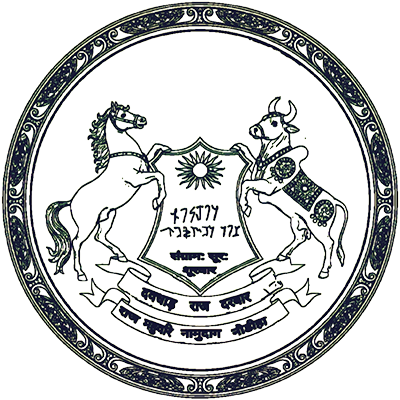
Namudag mahuari Raj COA