Discover royal patrons of art in India through stories about painting, textiles, architecture and contemporary craft. Explore how courtly commissions, museum collections and present-day initiatives connect artistic traditions with the people who practise them.

Palaces as places of craftsmanship
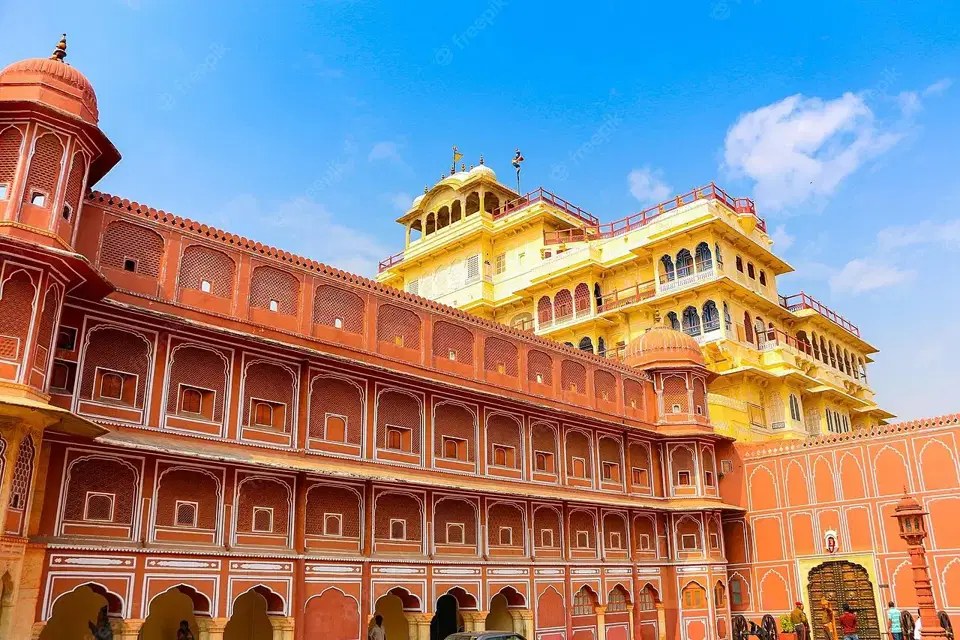
Explore the connection between built heritage, conservation and the people who keep specialist skills alive.
Read the story →Photo: tommy / Wikimedia Commons, CC BY-SA 2.0.
Women, patronage and cultural life
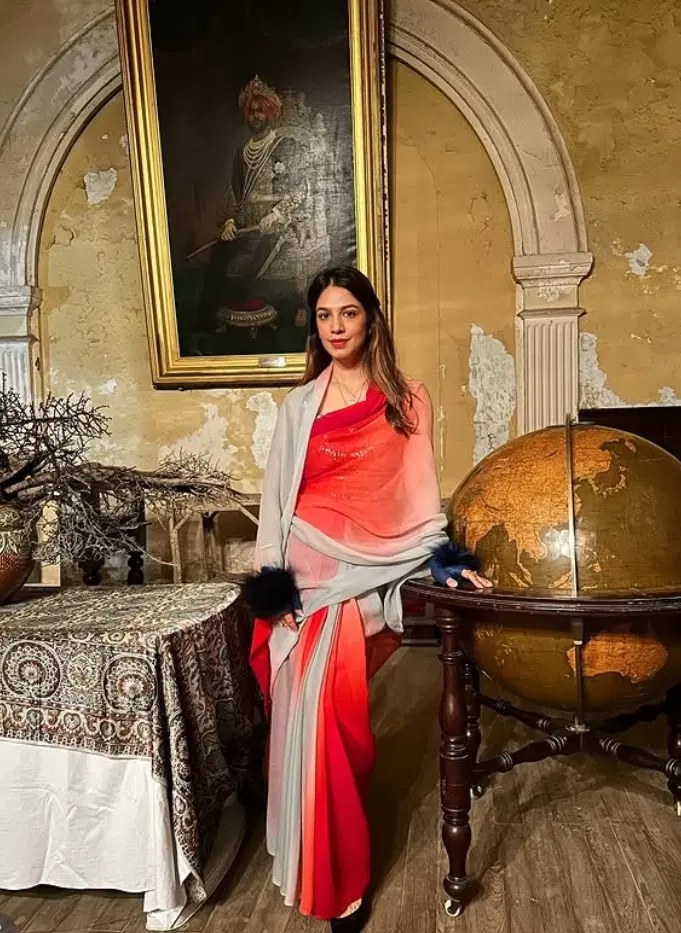
Meet authors, builders and organisers whose contributions reach beyond the royal portrait.
Read the story →Photo: Yashaswi Garg / Wikimedia Commons, CC BY-SA 4.0.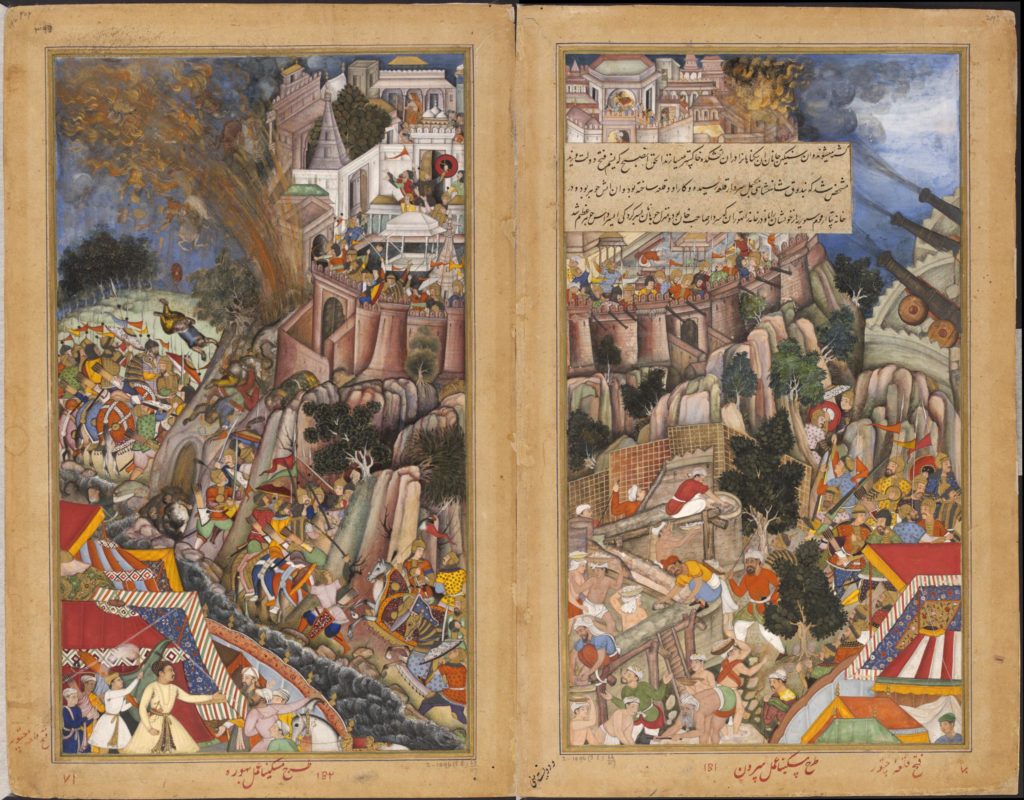
A closer look at courtly art
Discover painting traditions and the workshops that connected patrons with accomplished makers.
Read the story →Image from the linked IRF story archive.From royal commissions to living traditions
A work of art can reveal more than the taste of its patron. It can also preserve evidence of a workshop, a material, a trading connection or a skill passed between generations. This section brings those perspectives together: the people who commissioned an object, the makers who created it and the custodians who care for it today.
Begin with royal families and craft preservation, then meet royal women who shaped India’s art and culture. For the wider setting, explore India’s cultural heritage.
Painting: looking beyond the royal portrait
Courtly painting opens a window onto ceremony, devotion, landscape and storytelling. When looking closely, notice the relationship between figures and architecture, the treatment of a textile border and the small details that guide the eye. A ruler’s name alone cannot explain every choice made by an artist. Regional styles, workshop practices and the purpose of a commission all deserve attention.
Explore our introduction to Indian miniature paintings as a starting point for comparing traditions and discovering the stories carried by images.
Textiles and workshops: the maker’s contribution
Embroidery, weaving, metalwork and architectural decoration depend on knowledge developed through practice. The workshop, or karkhana, is therefore as important to this history as the palace. Understanding a finished object means asking about its materials, tools, makers and intended use, rather than relying only on a royal association.
Step inside traditional karkhanas, or follow a contemporary textile story through Kamini and Chandni Singh’s Rose Tree. Historical patronage and present-day enterprise offer different ways of thinking about how specialist skills find an audience.
Women as authors, patrons and organisers
Cultural patronage includes much more than collecting paintings. Writing, building, shaping a public place and organising craft training can all leave a cultural legacy. Our guide to royal women follows specific contributions and their evidence, while recognising the architects, craftspeople and participants whose work made those initiatives possible.
How to explore royal art thoughtfully
Start with the object or place, then ask who made it, who commissioned it and how its history is known. Distinguish an original work from a later reproduction, and a documented attribution from a family tradition. Museum labels, collection catalogues and conservation records can help build a fuller picture. When choosing contemporary craft, ask about the actual process, the maker and how the work is credited.
The stories below offer different routes into this subject—from palace collections and painted histories to workshops and contemporary clothing. Follow the links to explore the full articles and their sources.