
In the tapestry of India’s royal heritage, the House of Seohara stands as a graceful reminder of refinement, tradition, and quiet elegance. Nestled in the historic town of Seohara in Uttar Pradesh, the Seohara Royal family is known not only for its legacy of service and culture, but also for its modern spirit—beautifully embodied in the creative venture Rosetree by Rani Kamini Singh.
This is a story that blends lineage with lifestyle, heritage with entrepreneurship, and timeless grace with contemporary luxury.
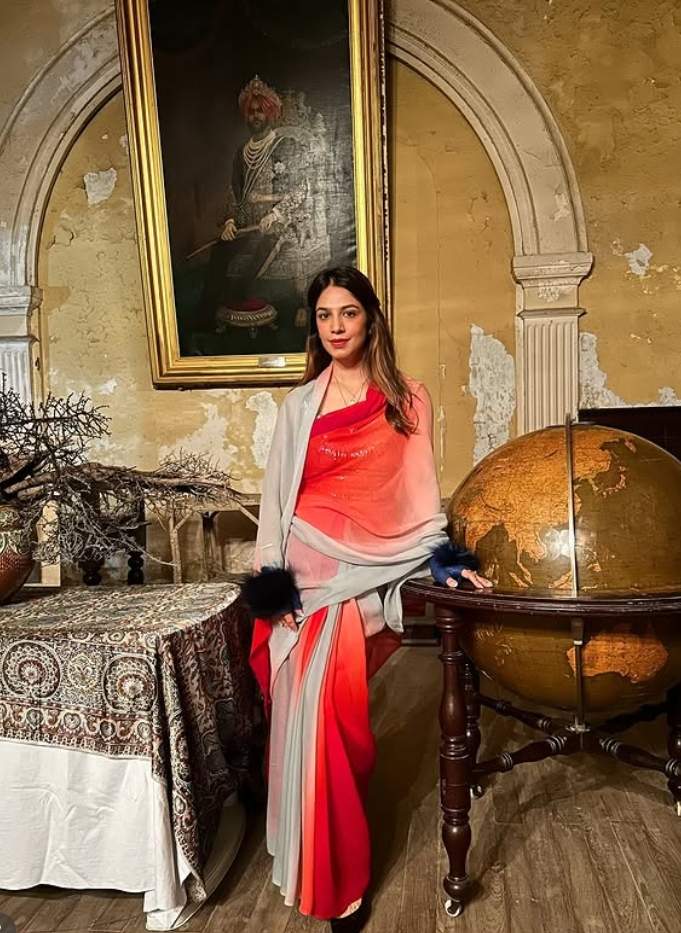
The Legacy of the Seohara Royal Family
The Seohara Royal family traces its roots to the princely traditions of northern India, where aristocratic families were custodians of art, land, and community welfare. Like many royal houses, the Seohara lineage adapted with dignity after Independence, continuing to preserve cultural traditions while engaging in public life and philanthropy.
Known for their hospitality and refined aesthetic sensibilities, the Seohara Royals cultivated gardens, patronized artisans, and maintained traditions of etiquette and elegance that still define their identity today.
Their homes—filled with heirlooms, antiques, and stories—reflect a lifestyle rooted in grace, much like the royal houses of Benaras.
Early Life: A Princess Raised to Be Fearless
Princess Chandni Kumari Singh was born to Kanwar Sahilraj Singh and Kanwarni Kamini Singh of the erstwhile princely state of Seorah in Uttar Pradesh. Her childhood, however, was far from the conventional image of a young princess growing up within the boundaries of royal tradition.
Kanwar Sahilraj Singh raised Chandni with the same freedom, confidence and independence traditionally associated with a son. For nearly eleven years, she remained the couple’s only child before the birth of her younger brother, Prince Prithvi. By then, Chandni had already developed an adventurous and fiercely independent personality.
Her father encouraged her to learn skills that were unusual for princesses of her generation. She learnt to drive at an early age and was even introduced to hunting—an activity traditionally associated with the men of royal households. Yet perhaps the most unusual part of her upbringing came from her father’s passion for automobiles. He not only taught Chandni how to drive but also how to understand and maintain a car, including servicing it and changing a tyre. These were practical skills rarely taught within royal households, even to many male heirs.
Despite her royal background, Chandni’s school years were remarkably ordinary. She attended a regular school in Delhi, where her classmates had little idea about her lineage. To them, she was simply Chandni—a friend and fellow student. Her royal identity remained something of a secret until a few school friends visited Seorah during the summer holidays. Their surprise was considerable when they discovered that their school friend was, quite literally, a princess who lived in a palace.
A particularly charming part of Princess Chandini Kumari Singh’s childhood at the Seohara Palace was her unusual companion—a baby elephant who grew up alongside her. Far removed from the conventional pets of childhood, the young elephant became a familiar presence in her early years and added another memorable dimension to her life at the palace.
Growing up together, the princess and her elephant shared a bond that reflected the distinctive world in which she was raised—a childhood surrounded by nature, animals and the traditions of a royal estate. For Chandini, having an elephant as a childhood companion may have seemed perfectly natural, even though it was anything but ordinary to the outside world.
It is one of those delightful details that captures the contrast at the heart of her childhood: an independent young girl attending a regular school in Delhi, while back home in Seohara, a baby elephant was growing up with her at the palace.
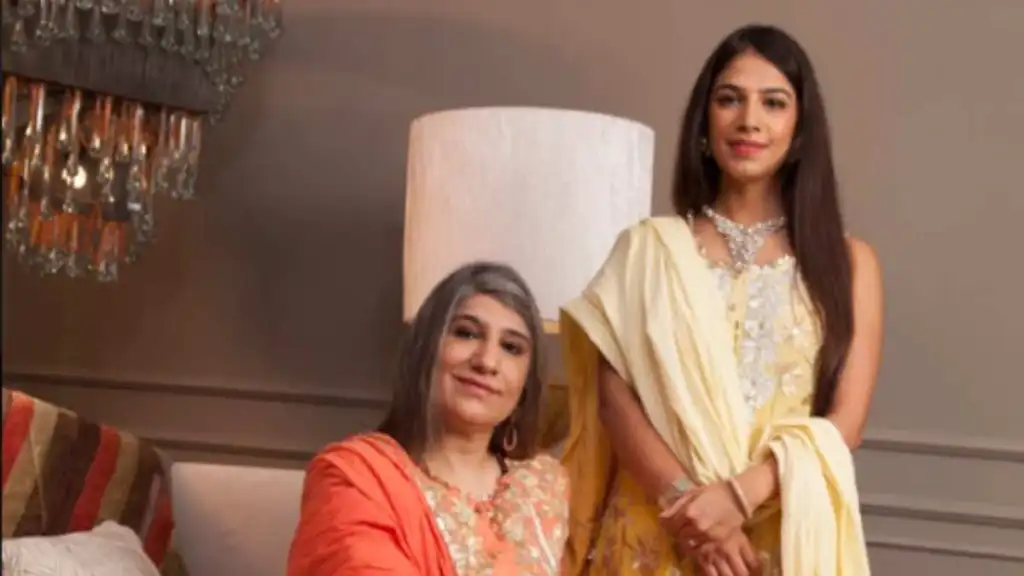
Princess Chandani Singh: A Modern Royal Visionary
Among the younger generation of India’s royals, Princess Chandani Singh stands out for her creativity and entrepreneurial spirit.
Elegant, thoughtful, and deeply inspired by her heritage, Princess Chandani transformed her love for beauty, interiors, and fine living into a brand that reflects royal aesthetics in everyday life.
This vision became Rosetree.
Rosetree by Rani Kamini Singh
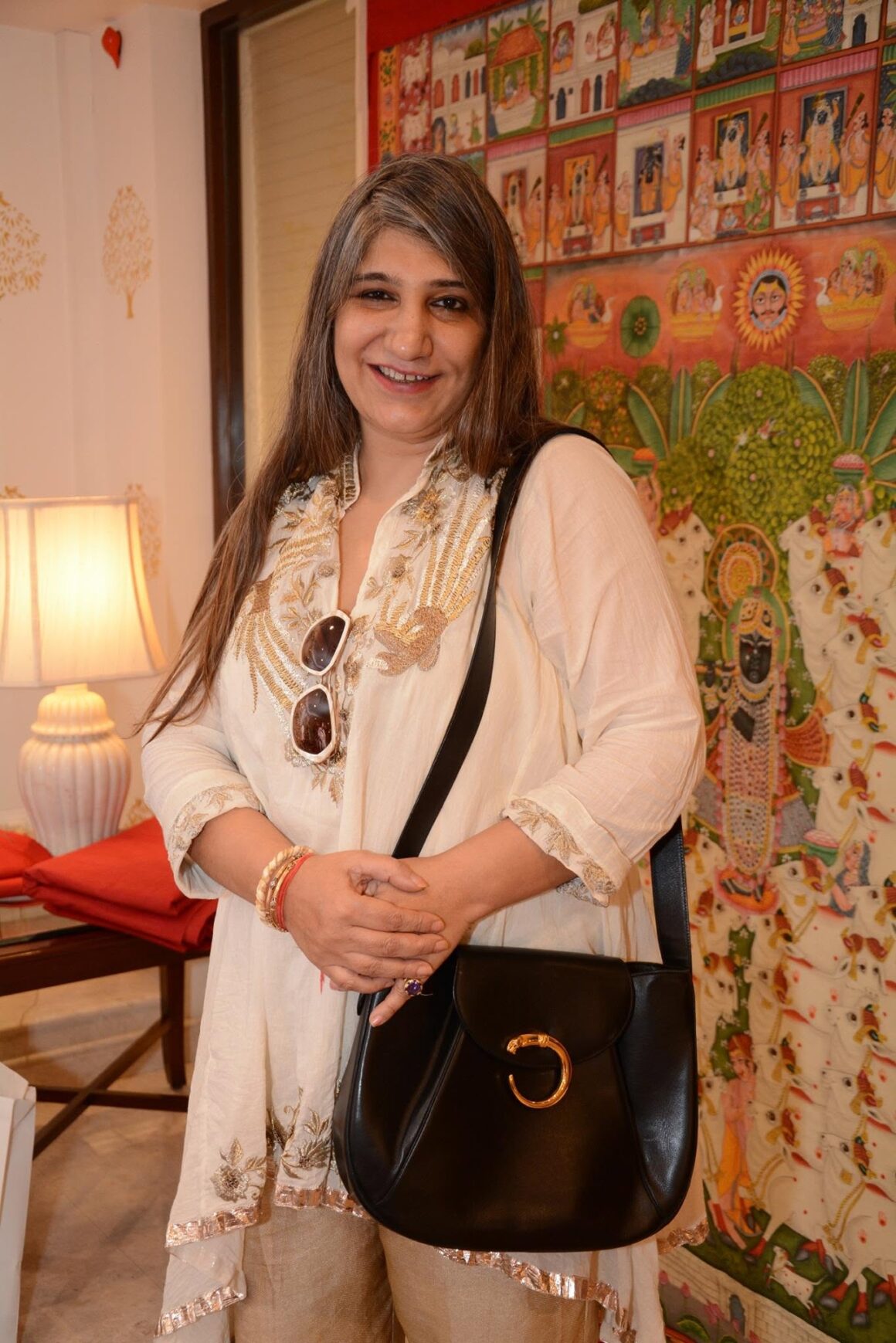
Rosetree is more than a lifestyle brand—it is an extension of royal taste.
Inspired by garden roses, palace interiors, heirloom textiles, and the gentle romance of aristocratic living, Rosetree offers curated décor and lifestyle pieces that bring royal elegance into modern homes.
The brand reflects:
• Soft pastel palettes reminiscent of palace gardens
• Fine fabrics and textures inspired by heritage textiles
• Elegant home décor rooted in classical design
• A sense of calm luxury that feels intimate rather than extravagant
Rosetree captures the idea that royalty is not about grandeur alone—it is about beauty in small details.
This philosophy aligns beautifully with your own silk scarf brand vision—creating fashion and lifestyle pieces that carry emotion, storytelling, and tactile experience.
Royal Women and Creative Enterprises
Across India, royal women have long been patrons of art and culture. From reviving textiles to launching heritage hotels and jewellery houses, princesses are redefining legacy through entrepreneurship.
Rahi Kamini Singh’s Rosetree joins this distinguished tradition—bringing refinement to modern interiors while preserving the sensibility of royal India.
Her work reminds us that heritage is not static; it evolves through creativity.
The Spirit of Seohara Today
The Seohara Royal family continues to be associated with grace, culture, and community engagement. Their legacy is seen not just in old portraits and palaces, but in the lives they inspire and the beauty they create.
Rosetree is one such living expression—rooted in tradition, blooming in modernity.
Conclusion
The story of the Seohara Royal family and Rosetree by Rani Kamini Singh is a beautiful example of how India’s royal heritage continues to evolve.
From the historic town of Seohara to contemporary homes across India, Rosetree carries forward a legacy of elegance, warmth, and artistic refinement.
It is proof that true royalty lives not only in palaces—but in the grace of ideas, the beauty of craftsmanship, and the courage to create something meaningful.
Leave a Reply