Introduction
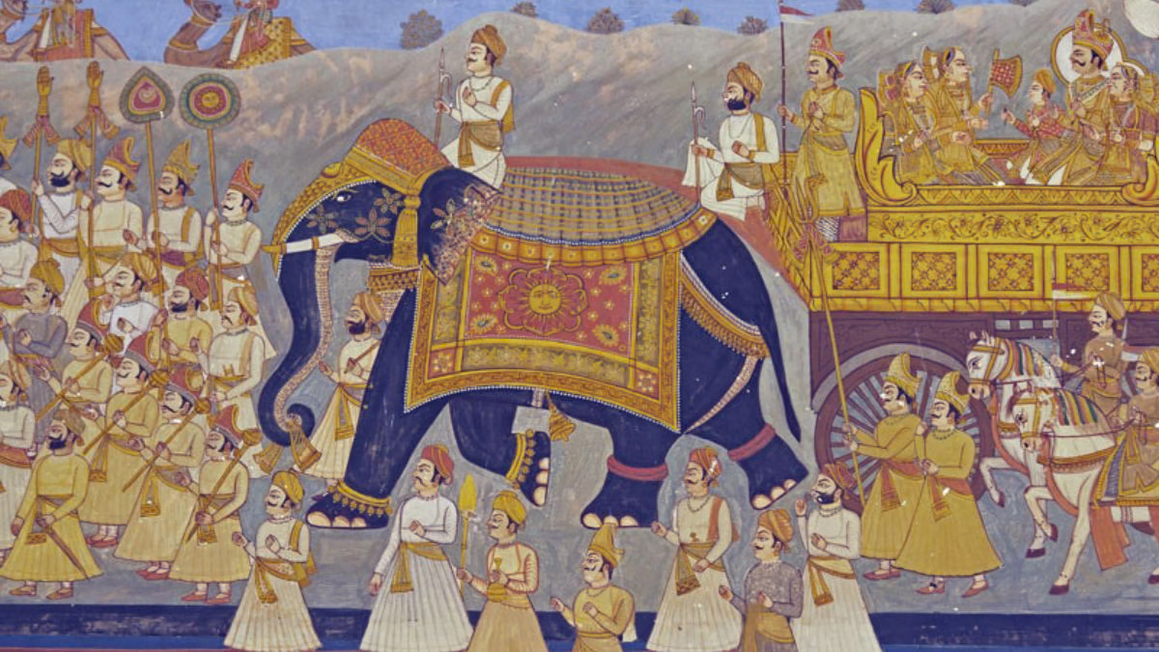
India’s history is filled with stories of powerful kingdoms, brave rulers, and remarkable traditions. Among them, the Rajput kingdoms hold a special place. Known for their military strength, distinctive culture, and impressive architecture, Rajput rulers played an important role in shaping the history of northern and western India.
From the hills of Mewar to the deserts of Marwar, these kingdoms developed their own traditions, established magnificent capitals, and built monuments that continue to attract visitors today.
The Emergence of Rajput Kingdoms
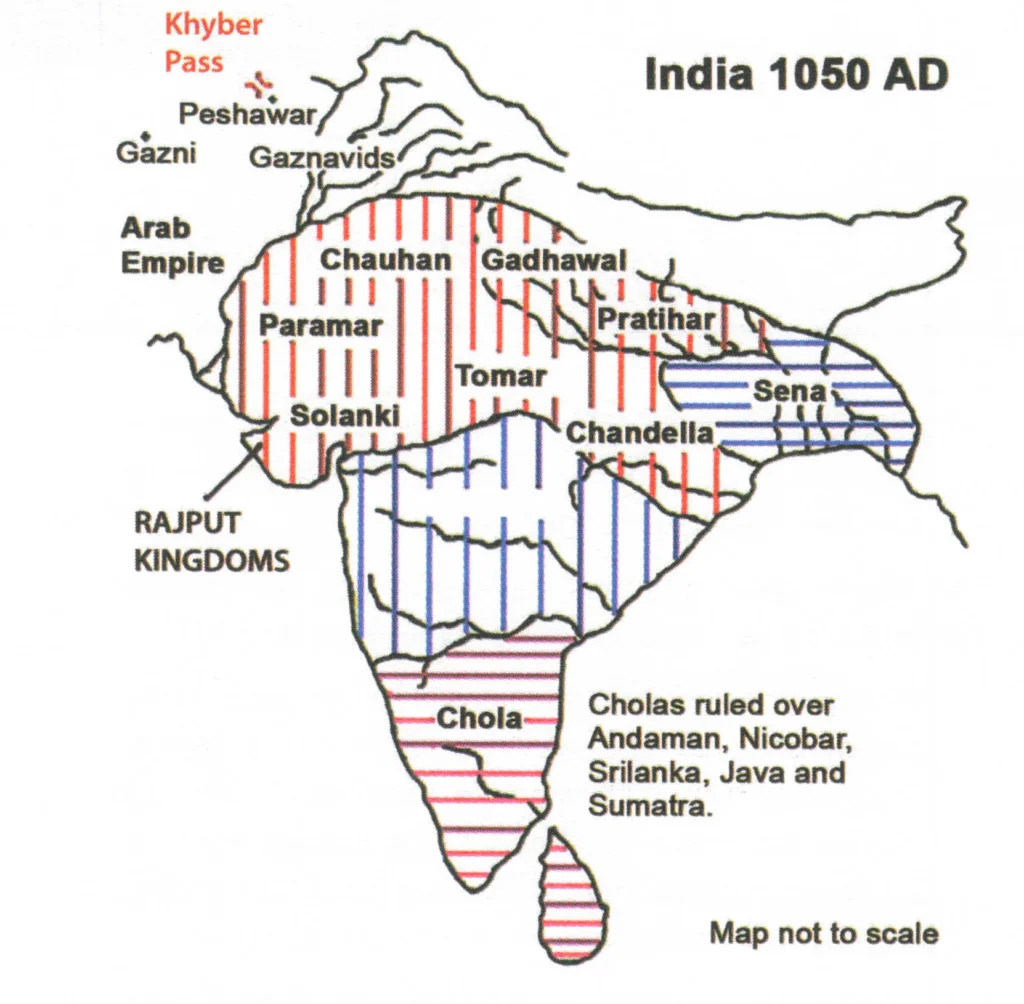
Rajput political power developed across different regions between the early medieval and medieval periods. Several ruling dynasties established independent kingdoms and gradually expanded their influence.
Mewar, Marwar, Amber, Bikaner, and Jaisalmer became important centres of Rajput administration and culture. Each kingdom had its own ruling family, military traditions, and political relationships with neighbouring states.
Famous Rajput Rulers Who Shaped History
Rajput history includes several rulers whose decisions influenced the political landscape of their time.
- Maharana Pratap: Remembered for his resistance against Mughal emperor Akbar and his association with the Battle of Haldighati.
- Rao Jodha: Founder of Jodhpur, who established the city in 1459.
- Rana Kumbha: An influential ruler of Mewar known for his military achievements and architectural patronage.
- Sawai Jai Singh II: Founder of Jaipur, recognised for his interest in astronomy, mathematics, and city planning
The Architectural Heritage of Rajput Kingdoms
The Rajput rulers left behind remarkable architectural structures that reflected their power and artistic preferences. Forts such as Chittorgarh, Mehrangarh, and Kumbhalgarh were built with defensive features, while royal palaces showcased elaborate courtyards, balconies, and decorative interiors.
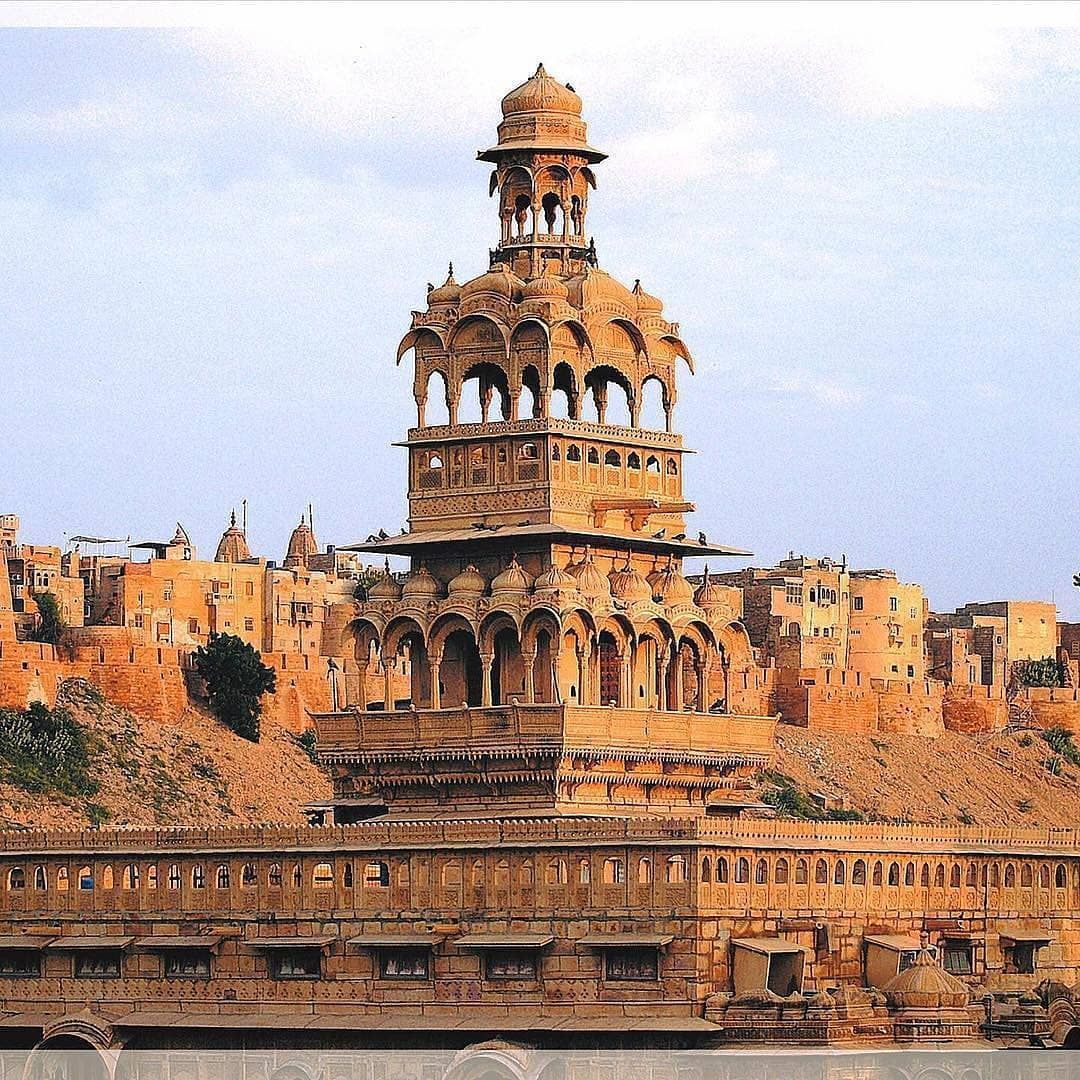
These monuments continue to tell stories of the kingdoms that once flourished in the region.
Traditions and Cultural Identity
Rajput culture is closely associated with traditional clothing, folk music, dance, festivals, and regional cuisine. Ghoomar, traditional Rajasthani paintings, and handcrafted jewellery remain important expressions of the region’s cultural identity.
The Royal Dynasties of Rajasthan: Exploring Their History and Heritage
The Sisodia Rulers of Mewar
The Sisodia dynasty is one of the most recognised royal houses in Rajasthan. Its rulers governed Mewar, with Chittorgarh and later Udaipur serving as important centres of power.
Maharana Pratap remains one of its most remembered rulers because of his resistance against Mughal expansion. The dynasty also contributed to the development of forts, temples, and palaces across the region.
The Rathore Dynasty of Marwar
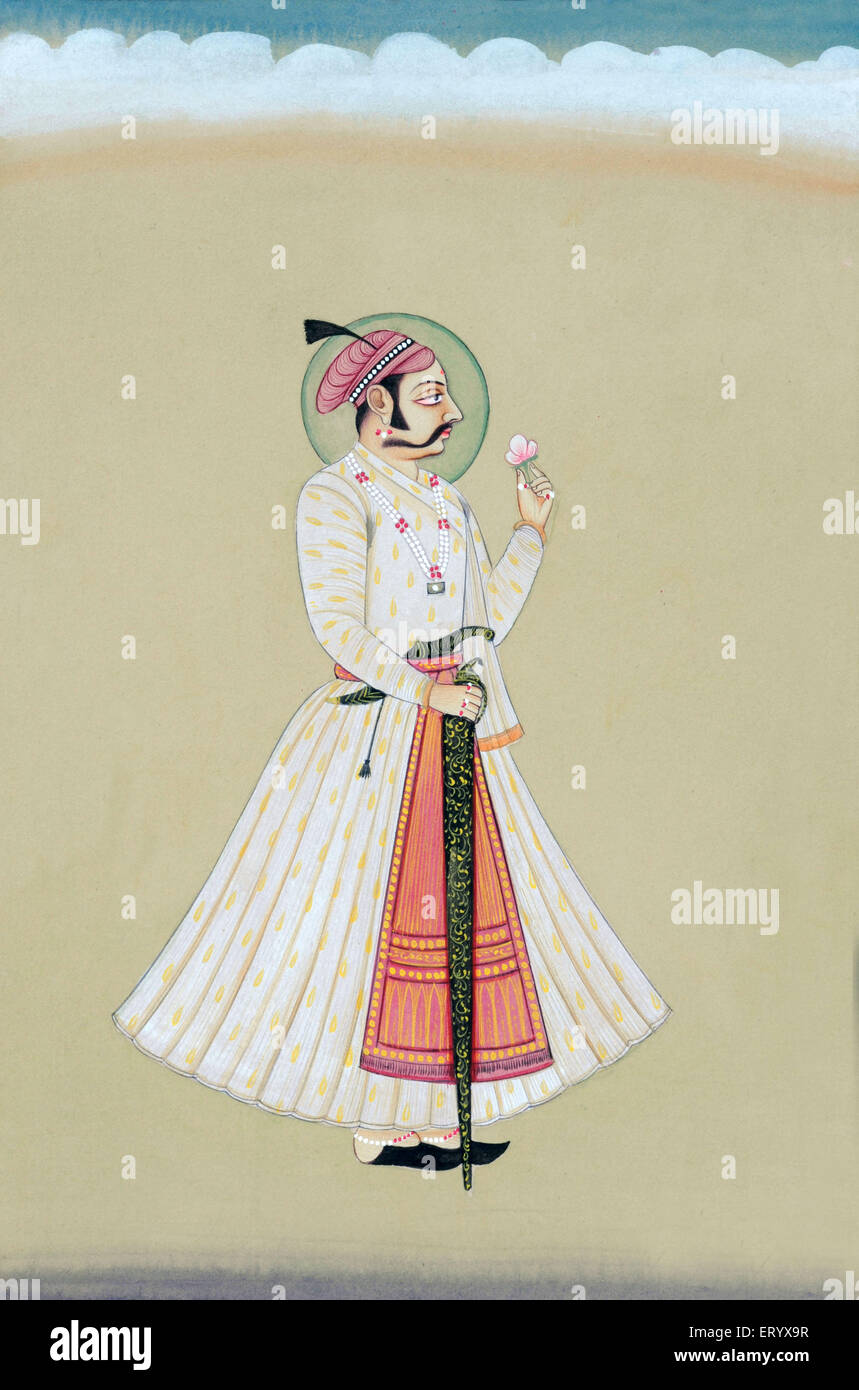
The Rathores established their authority in Marwar, with Jodhpur becoming their prominent capital. Rao Jodha founded the city in 1459 and commissioned Mehrangarh Fort, which remains one of Rajasthan’s most impressive historical landmarks.
Rathore rulers played an important role in regional politics and maintained their influence through different historical periods.
The Kachwaha Dynasty of Amber and Jaipur
The Kachwaha rulers of Amber became influential through their military and diplomatic relationships with the Mughal Empire.
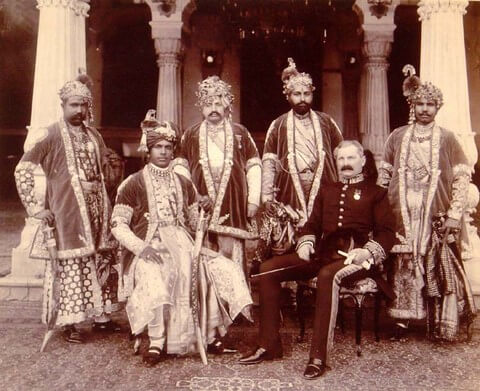
Raja Man Singh I served as an important Mughal commander, while Sawai Jai Singh II later established Jaipur in 1727. The city’s planned layout and architectural landmarks reflect the dynasty’s contributions.
Royal Palaces and Their Architectural Beauty
Rajput palaces were designed to combine comfort, security, and artistic expression.
The City Palace in Udaipur, Hawa Mahal in Jaipur, and Umaid Bhawan Palace in Jodhpur are examples of the architectural diversity found across Rajasthan.
Their courtyards, balconies, paintings, and decorative elements reveal the artistic preferences of different royal households.
Preserving Heritage for Future Generations
Maintaining historic palaces and monuments requires financial resources, skilled conservation, and public awareness.
Heritage tourism can support these efforts by creating employment and encouraging interest in local crafts, architecture, and traditions.
Conclusion
The role of Rajput royal families has changed considerably over time, but their historical and cultural contributions remain significant. Their transition from traditional rulers to participants in modern society reflects how heritage can continue to evolve without losing its connection to the past.