
Introduction
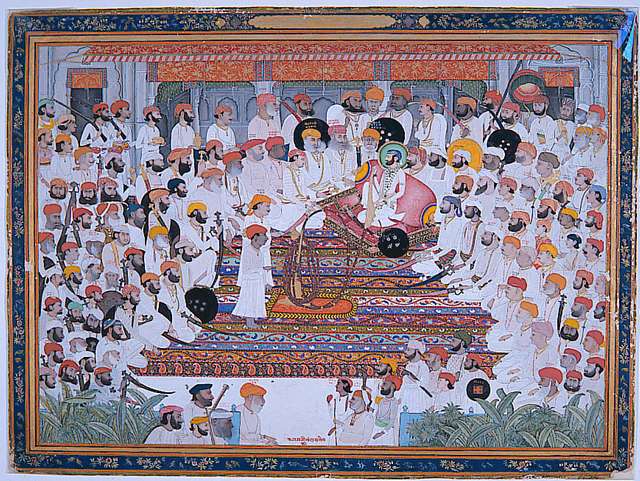
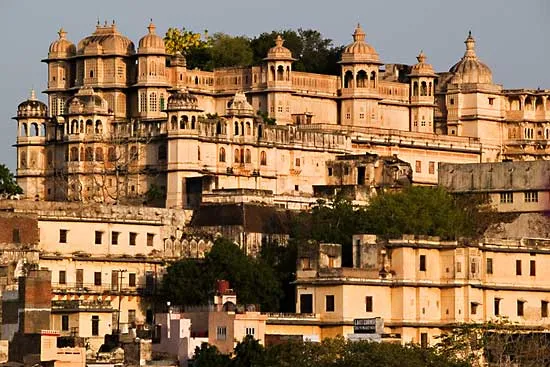
Rajasthan, historically known as Rajputana, is a land where stories of kings, warriors, and magnificent kingdoms are woven into everyday life. Its grand forts, royal palaces, colourful festivals, and centuries-old traditions reflect a fascinating chapter of Indian history.
For generations, Rajput rulers established kingdoms across the region, building impressive capitals and developing distinct cultural identities. Their influence can still be seen in the architecture, customs, and lifestyle of Rajasthan.
The Rise of Rajputana Kingdoms
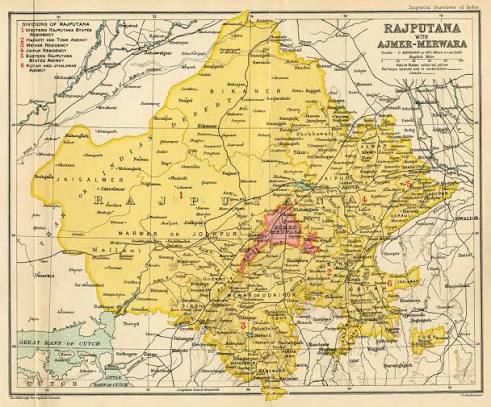
Between the early medieval and later medieval periods, several Rajput ruling houses established powerful kingdoms. Mewar, Marwar, Amber, Bikaner, and Jaisalmer emerged as important political and cultural centres.
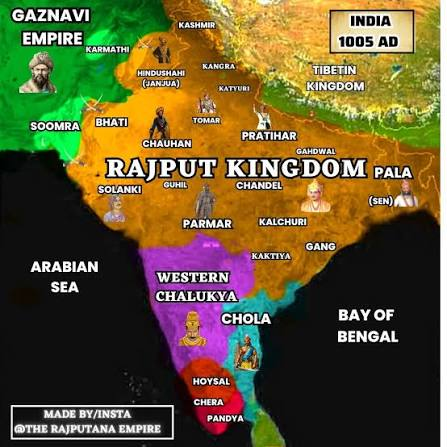
Each kingdom developed its own administration, military traditions, and architectural style. While some rulers defended their territories through military campaigns, others strengthened their kingdoms through diplomacy and alliances.
Magnificent Forts That Tell Royal Stories
The forts of Rajasthan were more than defensive structures. They represented royal authority, military planning, and the artistic achievements of their time.
- Mehrangarh Fort, Jodhpur: Famous for its massive walls and impressive royal collections.
- Chittorgarh Fort: Associated with the history of Mewar and its rulers.
- Jaisalmer Fort: A living fort where people continue to reside within its historic walls.
- Kumbhalgarh Fort: Known for its extensive defensive walls and strategic location.
Traditions That Continue to Survive
Rajput culture is reflected in traditional clothing, folk music, festivals, cuisine, and ceremonies. Ghoomar, traditional Rajasthani turbans, miniature paintings, and folk performances remain important cultural expressions.
2. The Royal Women of Rajasthan: Stories of Courage, Leadership and Influence
One of the most widely remembered figures in Rajput historical traditions is Rani Padmini of Chittor. Her story has become closely associated with the historical memory of Chittorgarh, although many details come from later literary accounts rather than contemporary historical evidence.
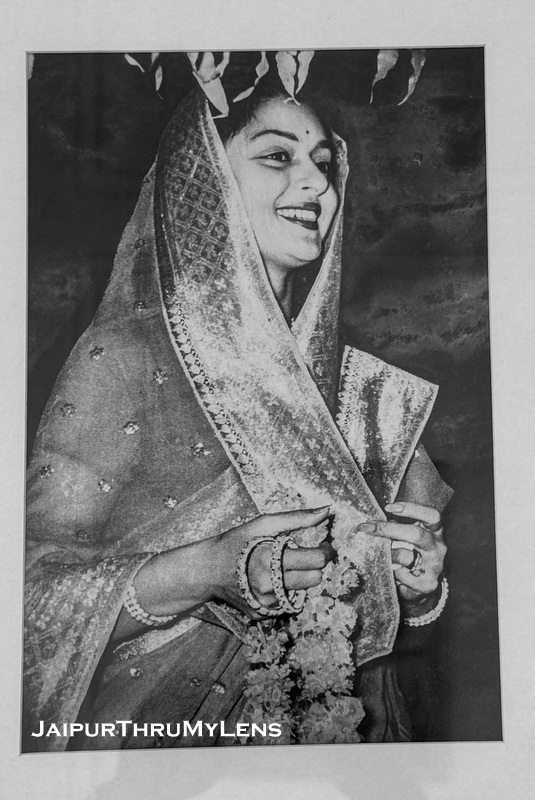
Another remarkable personality was Maharani Gayatri Devi of Jaipur. Known for her elegance and public influence, she became a prominent political figure and represented Jaipur in the Indian Parliament.
Their Influence Beyond the Palace
The contribution of royal women was not limited to palace life. Many became involved in public service, education, and social development. Their influence helped shape the changing relationship between royal households and modern Indian society
Conclusion
Rajputana is not simply a historical name; it represents a rich cultural landscape shaped by centuries of royal patronage and regional traditions. Its forts, palaces, and living customs continue to attract historians, travellers, and heritage enthusiasts.