Introduction
Discover how Rajasthan’s Maharajas spent their leisure time, from the excitement of polo grounds and traditional horse riding to the music, games and artistic traditions that flourished inside their royal courts.
Rajasthan’s royal history is often remembered through magnificent forts, grand palaces, legendary battles and powerful Maharajas. But there was another side to royal life that deserves equal attention: the activities and interests that filled their days beyond administration and warfare.
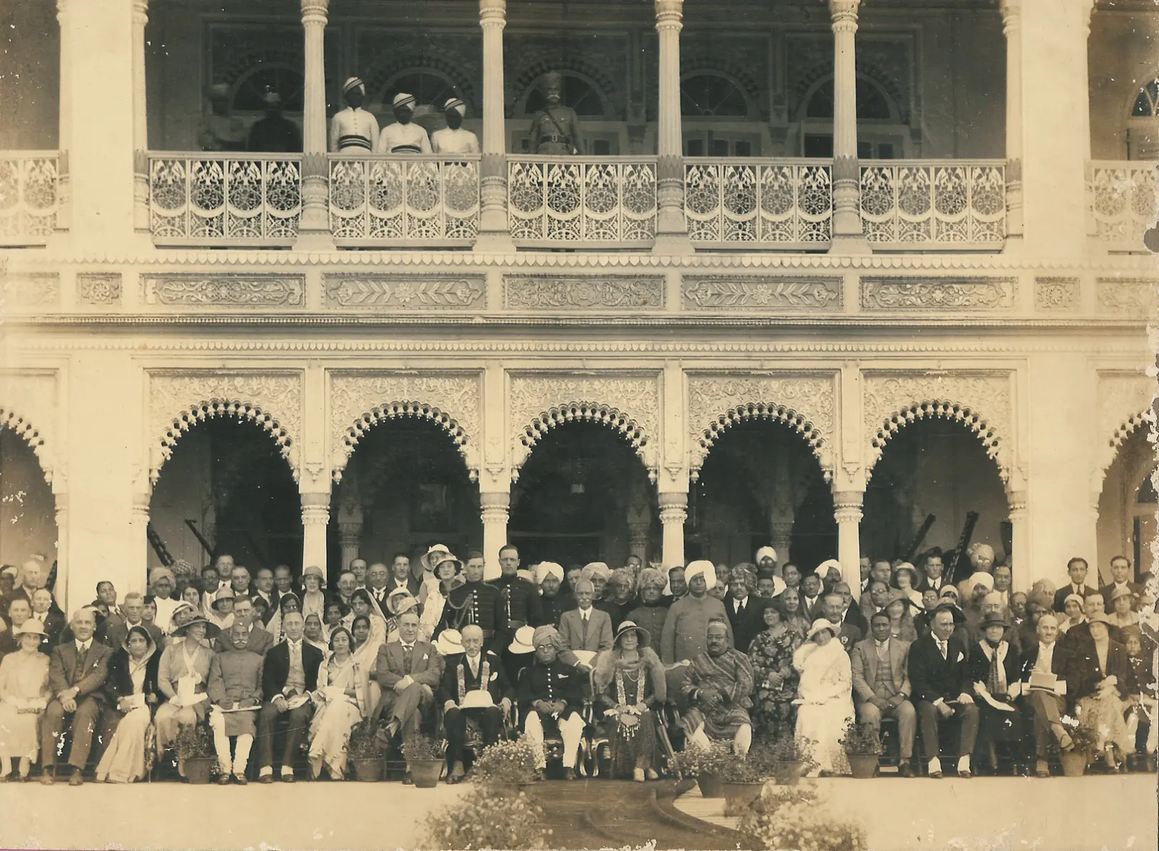
For the rulers of Rajasthan, leisure was rarely just about relaxation. Their interests reflected their upbringing, military traditions, personal ambitions and appreciation for art and culture. Some found excitement on polo grounds, others enjoyed hunting expeditions or horseback riding, while royal courts became important centres for music, poetry and intellectual discussions.
1. Polo: Where Royal Passion Met Sporting Excellence
Among the many sporting traditions associated with Rajasthan’s royal families, polo holds a particularly important place. Often called the sport of kings, polo demanded excellent horsemanship, physical coordination, concentration and teamwork.
Jaipur became one of India’s important centres for the game. Maharaja Sawai Man Singh II of Jaipur was especially passionate about polo and earned recognition as an accomplished international player. His contribution helped bring greater attention to Jaipur’s sporting heritage.
The city’s polo tradition also developed through the involvement of players and royal families from Jodhpur and other princely states. The Jaipur Polo Club, established in 1918, became an important part of this sporting legacy before being renamed the Rajasthan Polo Club in 1957.
Polo was more than a recreational activity for these royal families. It provided an opportunity to demonstrate horsemanship, discipline and sporting ability while bringing together players from different backgrounds.
2. Horse Riding: A Tradition Beyond Royal Ceremonies
Horses occupied a special position in Rajasthan’s royal history. For Rajput rulers, they were associated with military strength, mobility, prestige and personal identity.
Young princes were traditionally introduced to horse riding as part of their upbringing. Learning to control a horse, move confidently across difficult terrain and develop a strong connection with the animal was considered an important skill.
The Marwari horse became particularly associated with Rajasthan. Recognised for its distinctive inward-curving ears, endurance and adaptability, this breed developed a lasting connection with the region’s history.
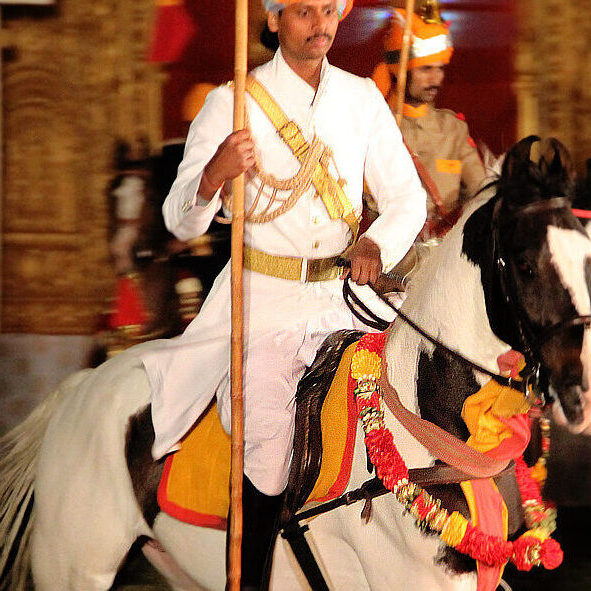
Even today, the Marwari horse remains an important symbol of Rajasthan’s equestrian heritage.
3. Royal Hunting Expeditions: Understanding the History of Shikar
Hunting, traditionally known as shikar, was another activity associated with the lifestyle of several Indian princely families.
For Rajasthan’s rulers, hunting expeditions were connected with the idea of royal authority, outdoor adventure and displays of courage. These gatherings sometimes involved members of the royal household, nobles and distinguished guests.
Ranthambore is particularly interesting in this context. Before becoming widely recognised as a tiger conservation destination, its forests were associated with royal hunting activities and private hunting reserves.
4. Music and Poetry: The Cultural Heart of Royal Courts
Rajasthan’s royal courts supported singers, instrumentalists, poets and scholars. Musicians performed during ceremonies, celebrations and private gatherings, while poetry and literary discussions provided an opportunity for intellectual exchange.
Jaipur offers a particularly interesting example of this cultural tradition through its Gunijankhana, an institution associated with the organisation and patronage of musicians.
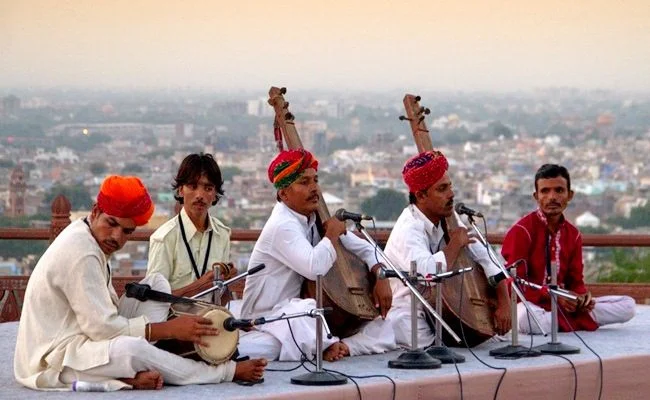
The reigns of Maharaja Sawai Jai Singh II and Maharaja Sawai Pratap Singh were important periods in the development of Jaipur’s musical culture.
Traditional instruments, classical compositions and regional musical styles found opportunities to flourish through royal support. This patronage helped create cultural traditions that extended beyond palace walls.
5.Royal Celebrations: Festivals, Dance and Palace Gatherings
Festivals and celebrations brought another dimension to the royal lifestyle of Rajasthan.
Palaces hosted musical performances, traditional dance presentations, ceremonial gatherings and celebrations marking important occasions. These events were carefully organised and often brought together musicians, dancers, artists, nobles and members of the royal household.
Ghoomar, one of Rajasthan’s best-known traditional dances, is closely associated with the region’s cultural identity. Its graceful movements and colourful costumes reflect the beauty of Rajasthani folk traditions.
Conclusion: The Life Behind the Royal Title
conclusion
The interests of Rajasthan’s Maharajas reveal a side of royal history that is often overlooked. Beyond their responsibilities as rulers, they were sports enthusiasts, patrons of musicians, admirers of horses and participants in a rich culture of entertainment and celebration.
Polo grounds, musical gatherings, traditional games and royal festivities were all part of a lifestyle shaped by the values and traditions of their time.
Exploring these pastimes helps us understand Rajasthan’s royal families as more than historical rulers. It introduces us to their personal interests, cultural contributions and the traditions that continue to influence the identity of Rajasthan today.