Heritage walk through Jaipur
Heritage Walk Through Jaipur: A Journey Through Time
Jaipur, the Pink City of India, is a treasure trove of history, culture, and architectural marvels. A heritage walk through Jaipur allows travelers to immerse themselves in its royal past, uncover hidden gems, and experience the city’s vibrant traditions firsthand. Whether you’re a history enthusiast, a photography lover, or a curious traveler, this guided journey offers an unforgettable experience.
Places To Explore In Jaipur
1.Hawa Mahal – The Palace of Winds
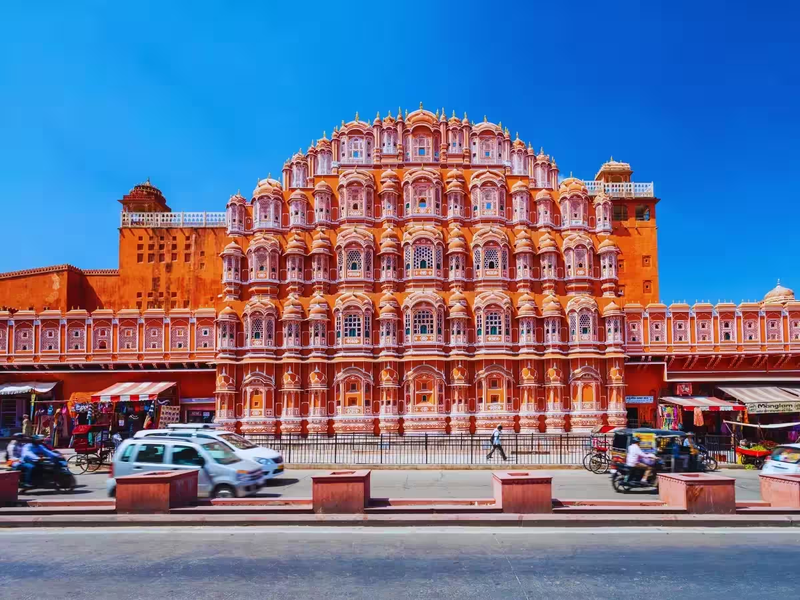
What makes Hawa Mahal special is its unique five-storey structure, featuring 953 small windows, known as jharokhas. These windows allowed royal women to observe everyday life, festivals and processions on the streets without being seen by the public. They also allowed cool air to flow through the palace, keeping its interiors comfortable during the hot summer months.
The palace’s beautiful pink and red sandstone exterior gives it a distinctive appearance, making it one of Jaipur’s most photographed attractions. Its design was inspired by the crown of Lord Krishna, adding a spiritual touch to its architecture.
2. City Palace – The Royal Residence
Located in the heart of Jaipur, City Palace is a magnificent royal complex that beautifully showcases the history, culture and lifestyle of Rajasthan’s royal family. Built between 1727 and 1732 by Maharaja Sawai Jai Singh II, the palace was established when Jaipur became the new capital of the region.
As you walk through its grand courtyards, colourful gates and beautifully decorated halls, you get a glimpse of how the royal family once lived. The palace combines traditional Rajput architecture with Mughal and European influences, making every corner unique.
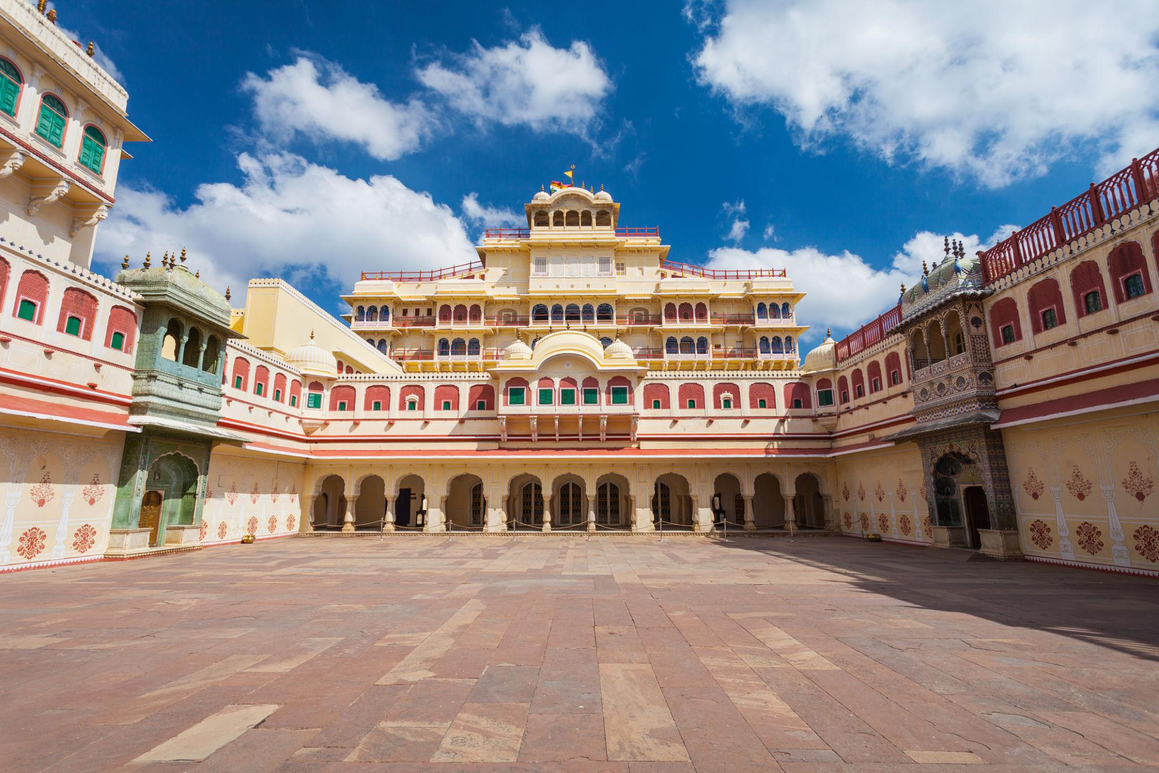
One of its most fascinating attractions is the four beautifully decorated gates of Pritam Niwas Chowk, each representing a different season. The palace also houses a museum where visitors can explore royal costumes, weapons, paintings and other historical belongings of the Jaipur royal family.
3. Jantar Mantar – The Astronomical Marvel
Next, explore Jantar Mantar, a UNESCO World Heritage Site. Built by Maharaja Sawai Jai Singh II, this astronomical observatory features massive instruments that accurately measure time, predict eclipses, and track celestial bodies. The precision of these centuries-old structures continues to amaze visitors.
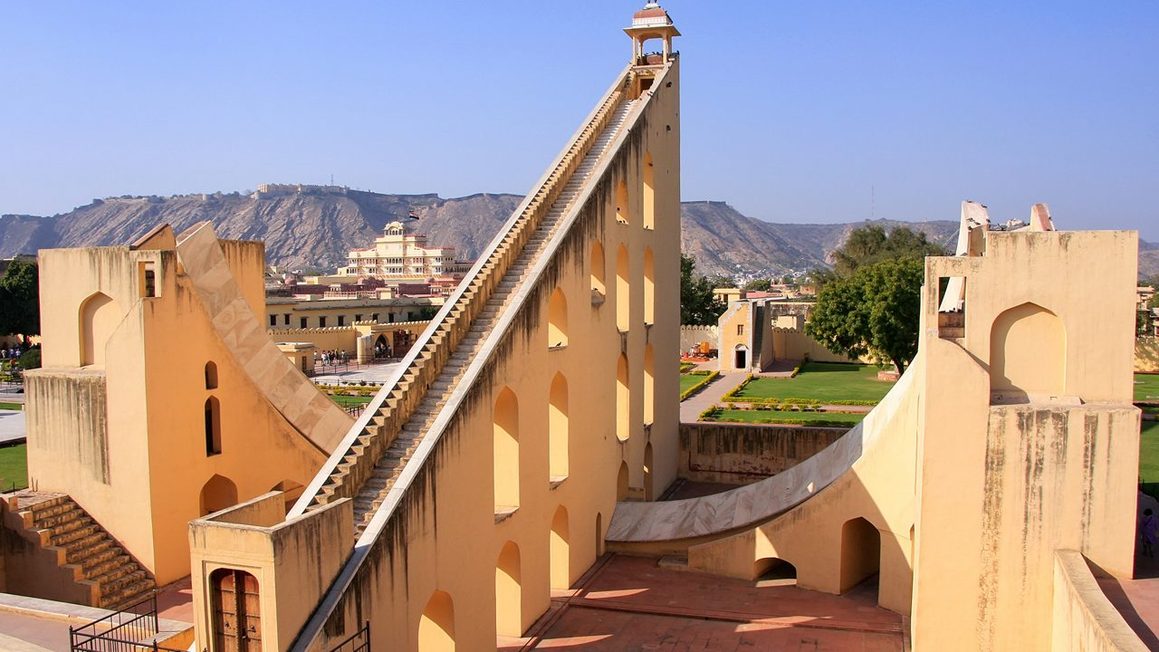
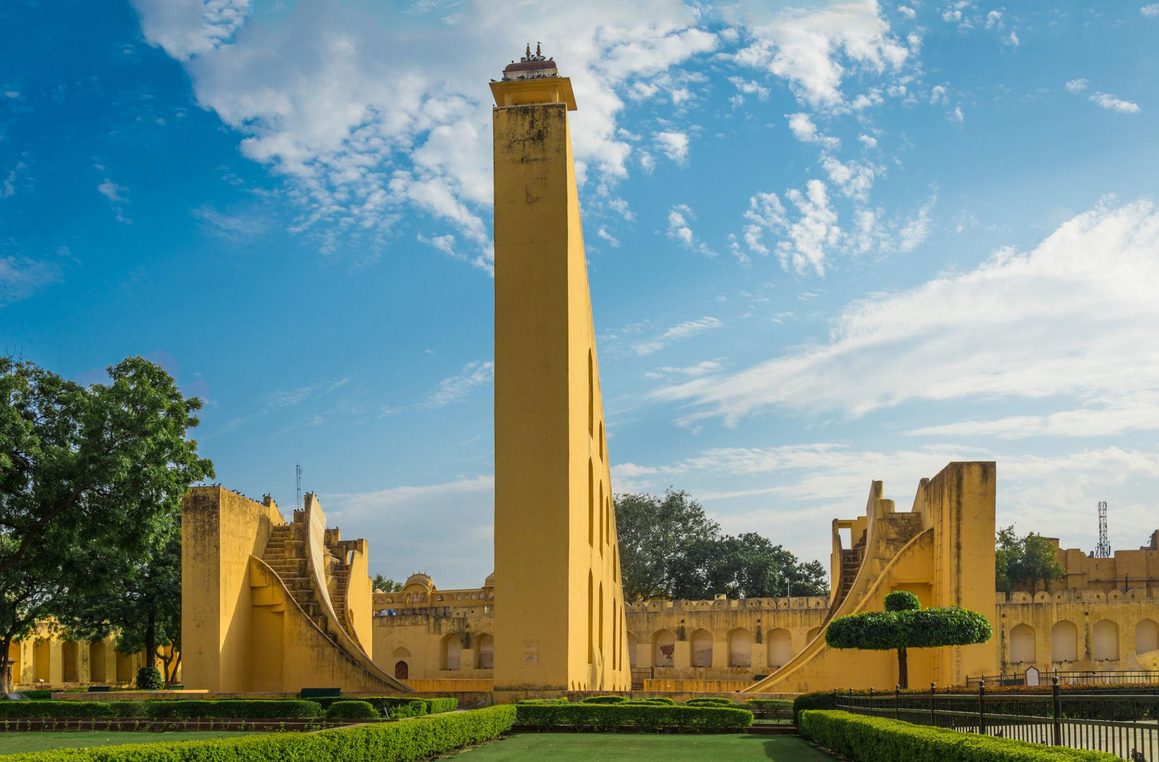
Unlike an ordinary monument, Jantar Mantar is filled with large geometric instruments that were used to measure time, predict eclipses and observe celestial movements. Its most famous instrument, the Samrat Yantra, is a giant sundial that helps calculate local time with impressive precision.
What makes this place truly special is that it reflects how advanced India’s scientific knowledge was centuries ago. The instruments were carefully designed using mathematical and astronomical principles, long before modern technology became available.
4. Tripolia Bazaar and Johri Bazaar – Shopper’s Paradise
No heritage walk in Jaipur is complete without exploring its bustling bazaars. Tripolia Bazaar is famous for lac bangles and handicrafts, while Johri Bazaar is renowned for exquisite jewelry. Strolling through these markets offers a glimpse into Jaipur’s rich artisan traditions and vibrant trade culture.
Popular Stays in Jaipur
Diggi Palace – A Heritage Hotel (https://hoteldiggipalace.com/)
Pearl Palace Heritage (https://pearlpalaceheritage.com/)
WelcomHeritage Traditional Haveli (https://www.welcomheritagehotels.in/welcomheritage-traditional-haveli-bani-park/jaipur-hotels?srsltid=AYCX9vIEJ272Mh9pfySo-_hNWfvj51ntx6-08fuKUKjT-WvBHE5AI88u)