
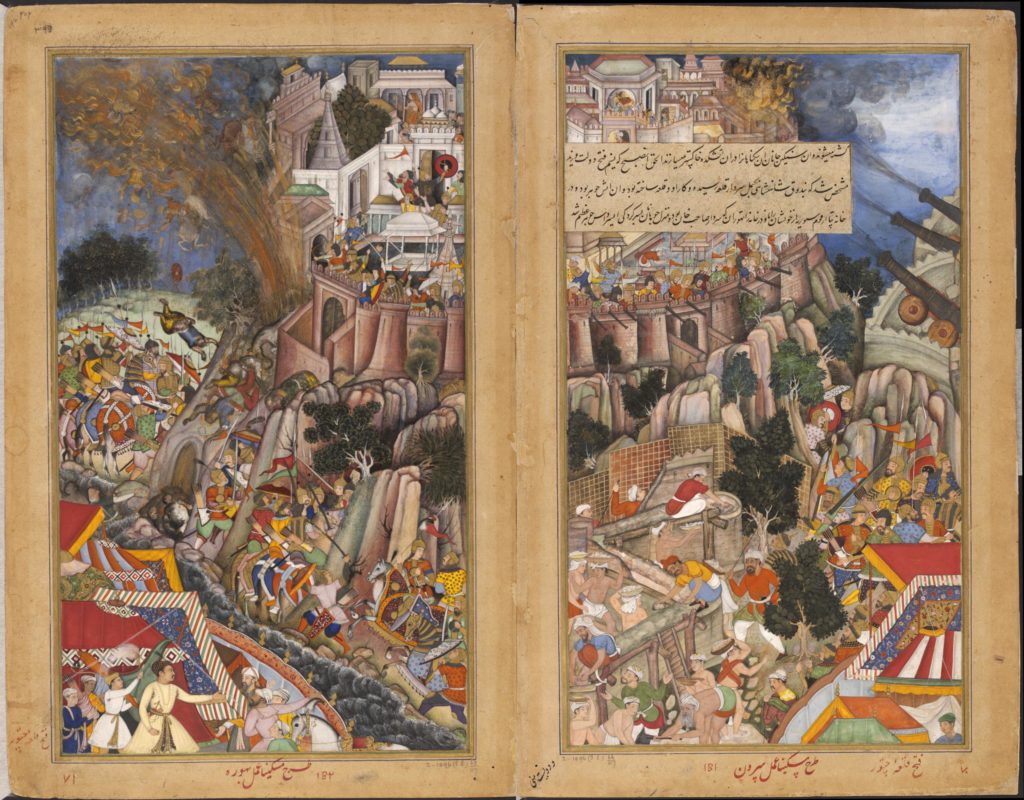
Inside India’s Great Traditional Karkhanas: A Glimpse Into the Craftsmanship
India is home to a rich heritage of craftsmanship, and its traditional karkhanas (workshops) lie at the heart of this legacy. These age-old workshops serve as hubs of creativity, skill, and culture. From intricate metalwork to the finest textiles, India’s karkhanas have shaped the nation’s craftsmanship for centuries. This article offers a closer look at these iconic workshops and the unique skills they preserve.
What is a Karkhana?
A karkhana is a traditional workshop where artisans create products using time-honored techniques passed down through generations. These workshops have existed for centuries, providing artisans a platform to showcase their expertise in fields like metalwork, woodworking, textiles, pottery, and jewelry making. While many modern industries have replaced manual labor with machinery, these karkhanas continue to thrive, preserving traditional craftsmanship.
The Heart of India’s Craftsmanship
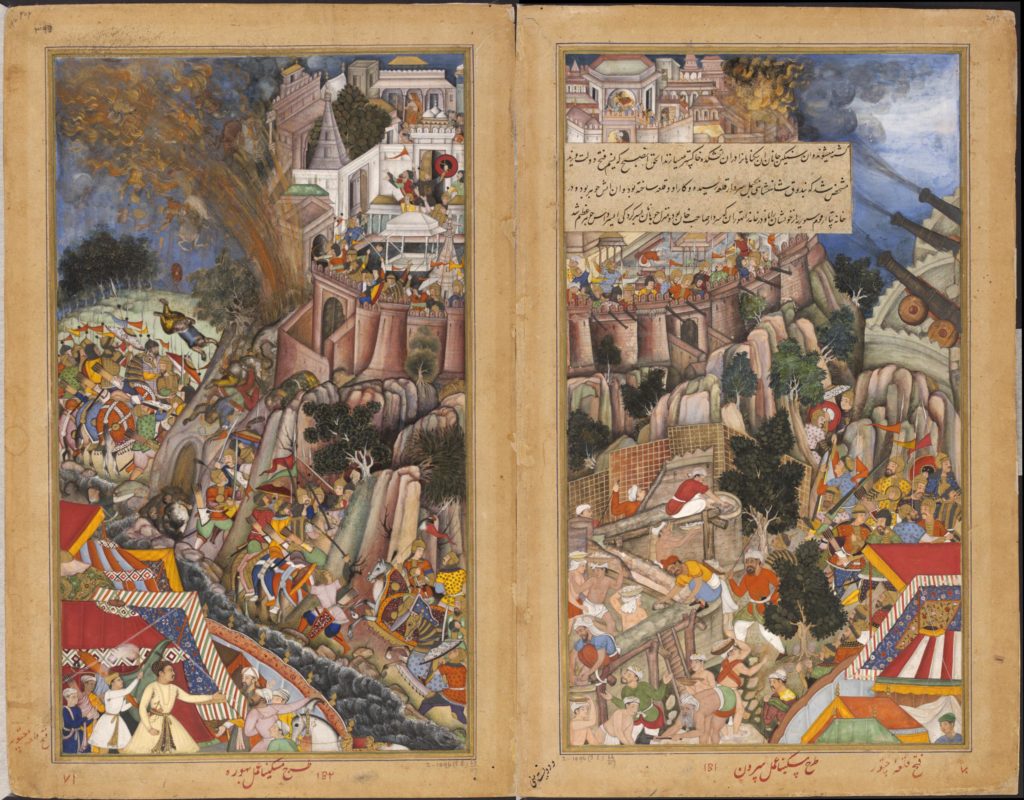
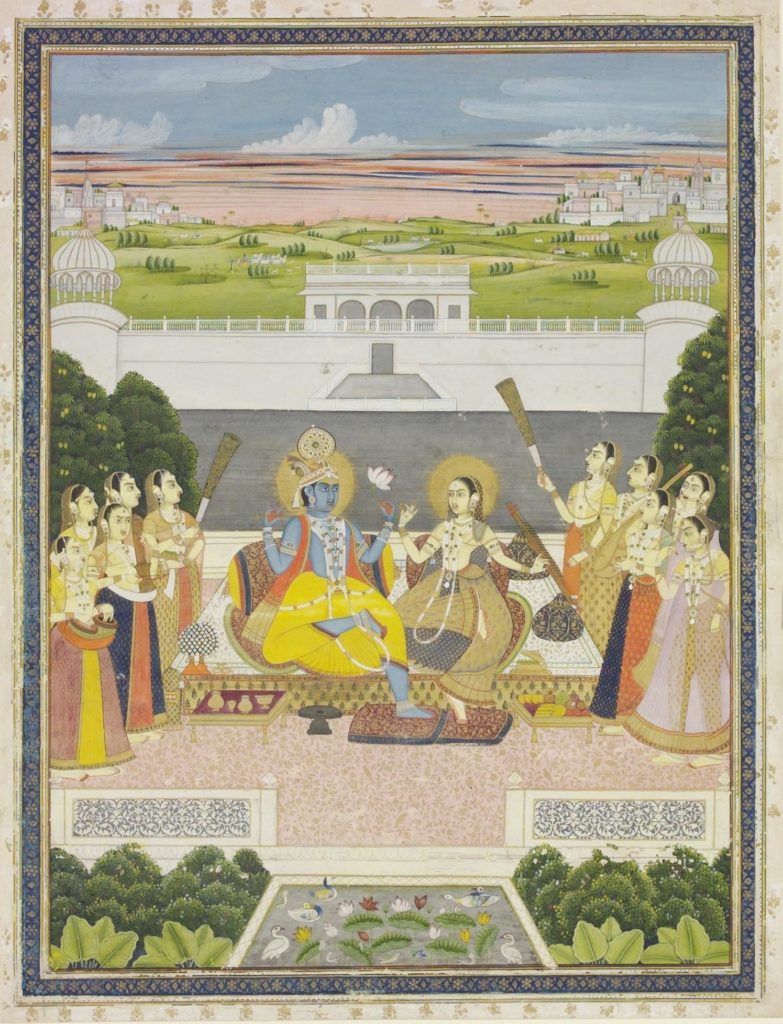
In various regions of India, karkhanas produce some of the country’s most iconic and intricate handmade products. In cities like Jaipur, Delhi, and Lucknow, karkhanas are famous for their unique production methods. Artisans still use hand tools and ancient techniques to craft masterpieces.
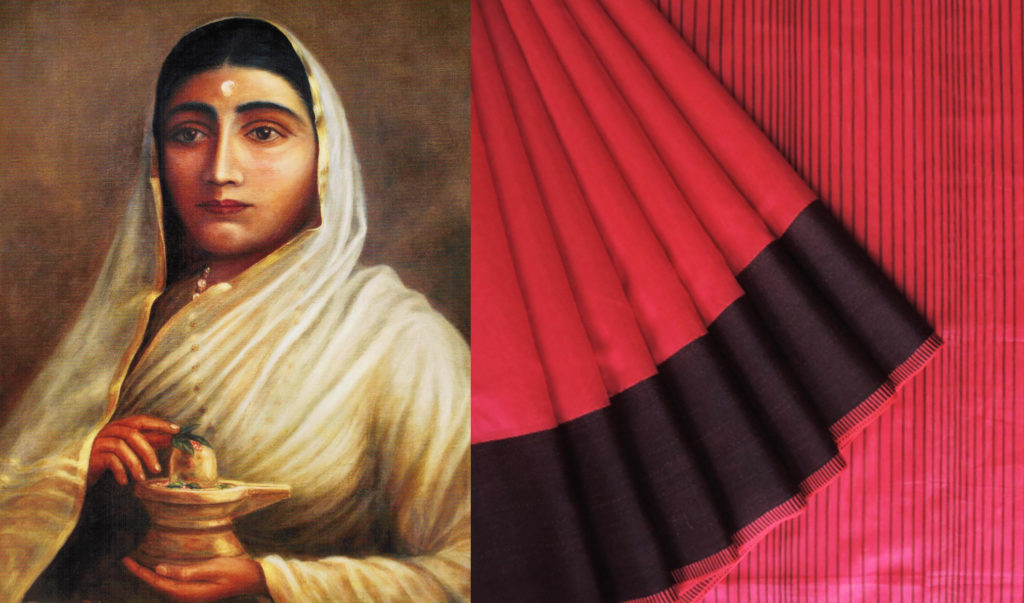
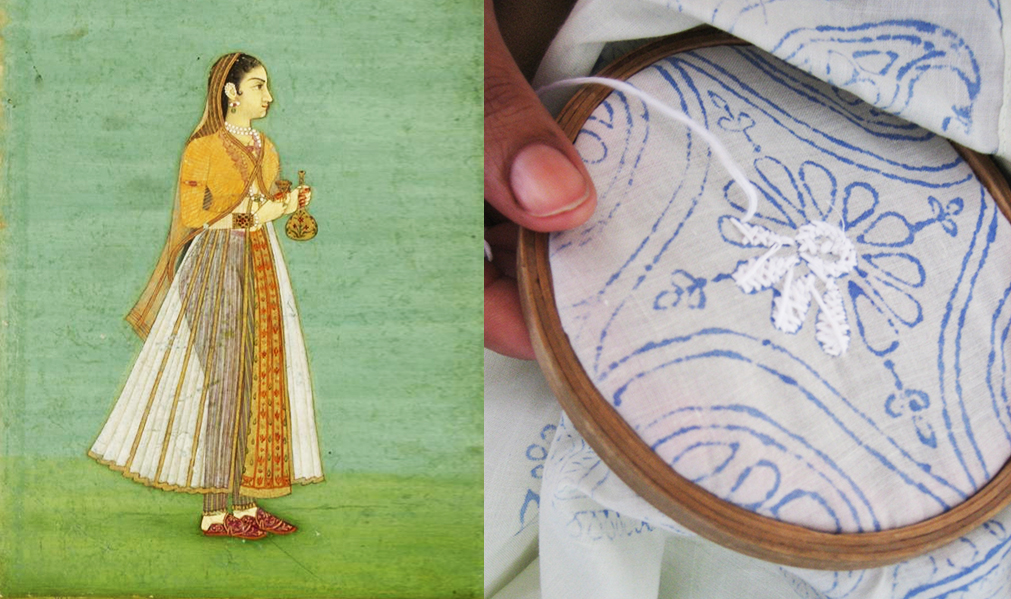
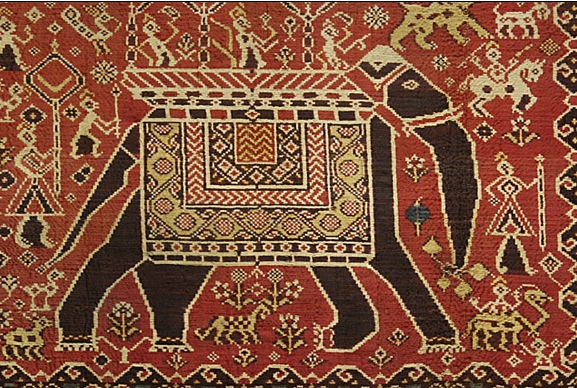
- Textiles and Embroidery: Karkhanas in Gujarat and Rajasthan are famous for their handwoven fabrics and intricate embroidery. The Patola silk from Patan, the Bandhani from Rajasthan, and the Kashmiri Pashmina are just a few examples of textiles created in these workshops. These textiles have become synonymous with Indian luxury and tradition.
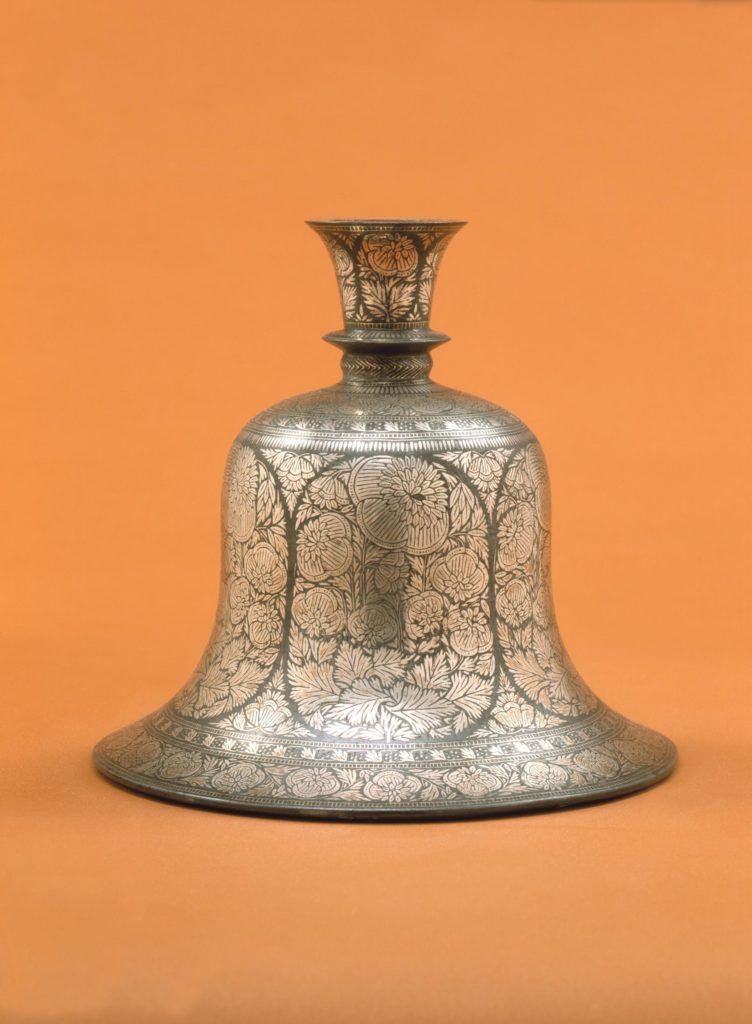
- Metalwork and Jewelry: In cities like Hyderabad and Jaipur, metal karkhanas produce finely crafted jewelry and silverware. The art of meenakari (enamel work) and kundan (gold setting) thrives in these workshops, where artisans design pieces that are not only beautiful but also carry cultural significance.
- Wood and Furniture: Traditional woodwork is another hallmark of India’s karkhanas. In regions like Punjab and Kashmir, artisans create intricately carved wooden furniture, doors, and windows using traditional techniques passed down through generations. These items carry rich cultural symbols, making them not only functional but also deeply meaningful.
The Skills Preserved in Karkhanas
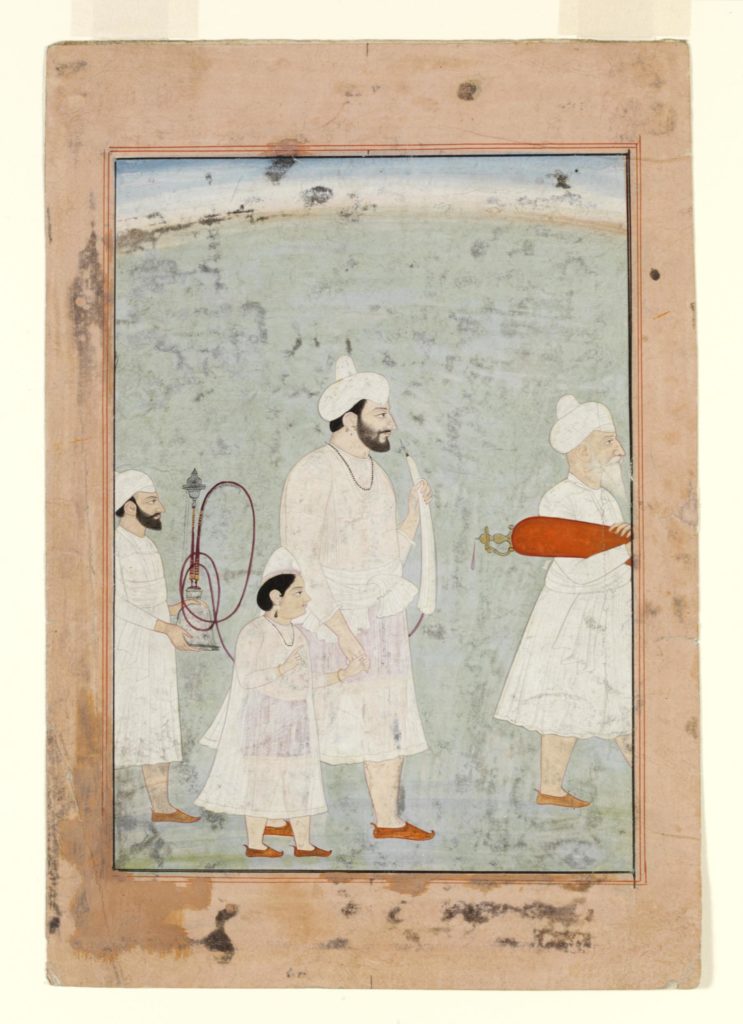
Craftsmanship in Indian karkhanas relies on meticulous handcrafting skills that machines cannot replicate. The artisans, or karigars, possess intimate knowledge of their craft, allowing them to produce unique, intricate work. These skills not only create beautiful items but also preserve a cultural heritage.
- Handloom Weaving: Handloom weaving in karkhanas like those in Varanasi and West Bengal creates fabrics with textures and patterns unmatched by machine-made textiles. Each thread is meticulously woven by hand, making the process just as important as the end result.
- Pottery and Ceramics: In regions like Rajasthan and Uttar Pradesh, pottery and ceramic karkhanas produce hand-thrown earthenware and decorative pieces that are highly prized for their craftsmanship. Traditional kilns and glazing methods give each piece a unique touch.
The Revival of Traditional Crafts
In recent years, interest in handmade products has surged, as consumers seek authentic, locally made goods. This shift has led to renewed efforts to support traditional karkhanas. Many organizations and NGOs work to provide artisans with training and resources, helping them connect with global markets and keep their crafts alive.
Additionally, collaborations with designers and international brands have brought new attention to the artistry of Indian karkhanas. The fusion of traditional techniques with modern designs has opened new avenues for these workshops, ensuring that their craftsmanship remains relevant in the global market.
Challenges Faced by Traditional Karkhanas
While traditional karkhanas hold immense cultural value, they face numerous challenges. Industrialization and mass production have made it difficult for these workshops to compete. Many karkhanas struggle to maintain their workforce, as younger generations often choose urban jobs over traditional crafts.
Moreover, the economic challenges faced by artisans often limit their ability to scale their businesses or adapt to modern market demands. Despite these difficulties, many karkhanas continue to survive, adapting to the modern world in small ways while staying true to their traditional roots.
Conclusion
India’s traditional karkhanas are more than just workshops; they are the guardians of a rich cultural heritage. The artisans, with their unmatched skills and dedication, create products that are not only functional but also carry the weight of centuries of tradition. As we move toward a more globalized, industrialized world, we must preserve and support these invaluable crafts. By doing so, we can ensure that India’s great traditional continue to thrive for generations to come.
Leave a Reply