
Kensington Palace’s exhibition on Sophia Duleep Singh and the women connected with her closes on 8 November, offering a final-weekend opportunity to consider a royal legacy shaped by political conviction.

The final days of The Last Princesses of Punjab offer a timely opportunity to revisit the Duleep Singh family through the lives of its women. Historic Royal Palaces lists the Kensington Palace exhibition as running until 8 November 2026, placing the show in its closing weekend.
Its focus is a useful departure from a royal history told chiefly through rulers and inheritance. Here, the organising questions concern women’s choices, public activity and the experience of belonging to a family whose history crossed Punjab and Britain. A palace setting becomes a place to consider that complexity, rather than simply a backdrop for royal objects.
Six women and an interconnected history
According to the organiser’s exhibition page, Sophia Duleep Singh is considered alongside her sisters Catherine and Bamba, her mother Bamba Müller, her grandmother Jind Kaur and her godmother Queen Victoria. The exhibition connects their lives through questions of empire, identity and power.
For Indian readers, that family framework provides an accessible starting point. It invites attention to the differences between women connected by kinship or circumstance, rather than assuming that royal status produced a single shared outlook. Their relationships are part of the story; so are the contrasting positions from which they acted.
Sophia beyond the royal portrait
Historic Royal Palaces’ account of Sophia’s life identifies her as the daughter of Duleep Singh and Bamba Müller, born on 8 August 1876. It documents her involvement in the women’s suffrage movement, including her membership of the Women’s Social and Political Union and her sale of the movement’s newspaper outside Hampton Court Palace.
Those activities make the exhibition relevant to a publication concerned with living legacies. A portrait records how someone appeared, but political work asks what that person chose to do. Read together, the two forms of evidence can challenge the assumption that a princess’s importance lies principally in her clothes, jewels or place in a genealogy.
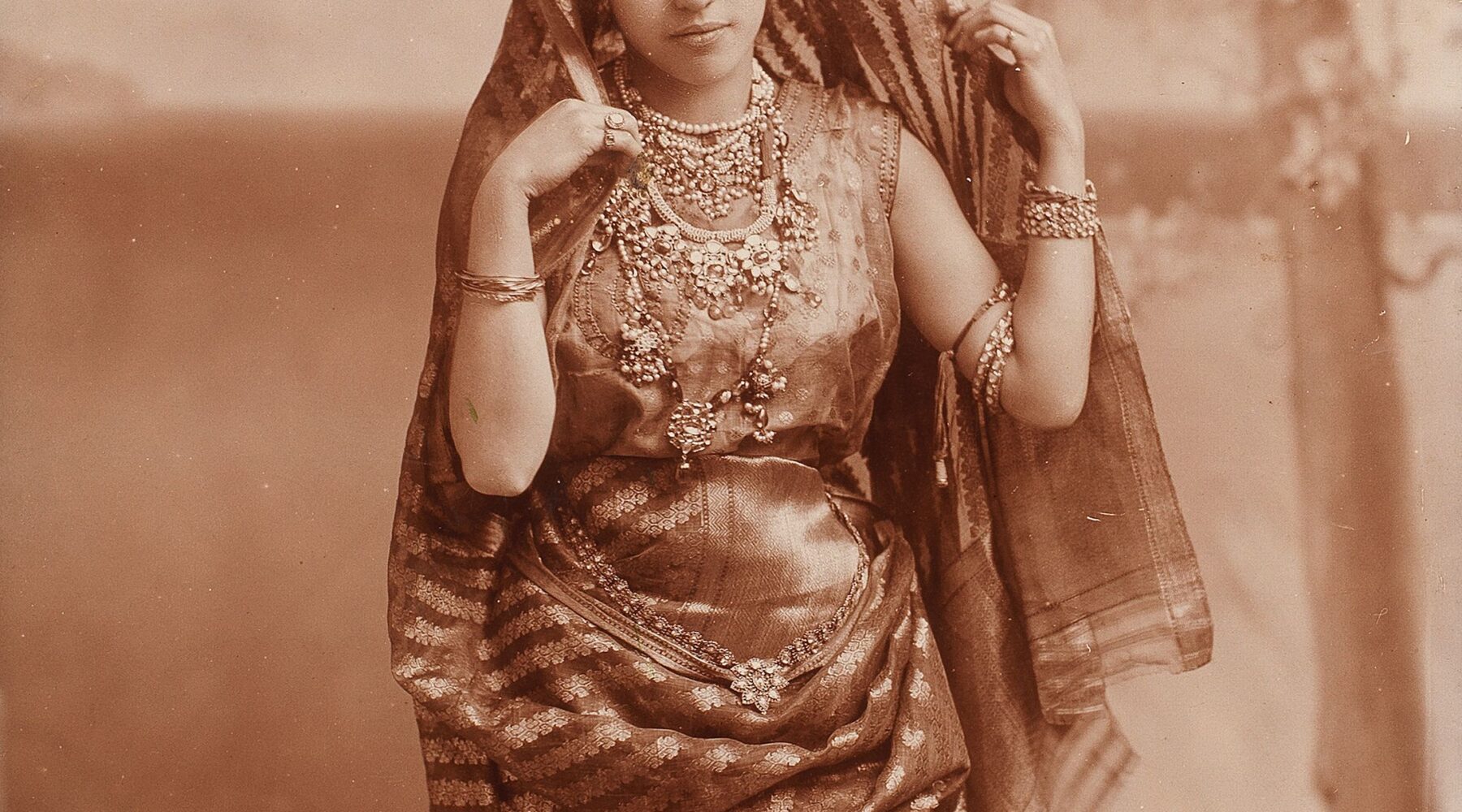
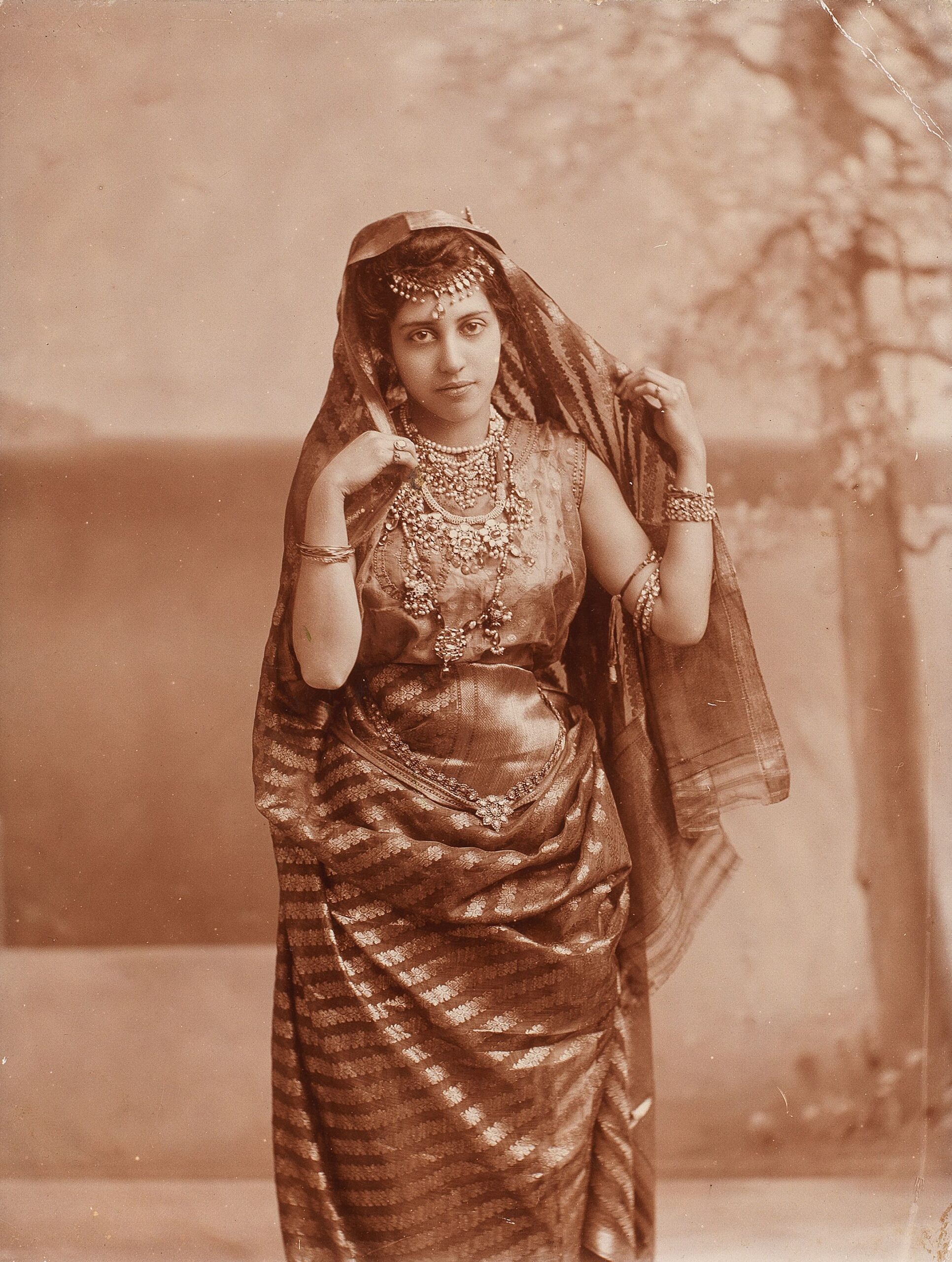
The archival photograph accompanying this article offers a different record of Sophia’s public image. It is a portrait attributed to Lafayette Studio, dated around 1900. It is not a photograph of the current exhibition, and its inclusion does not establish that this particular print is on display at Kensington Palace.
Before planning a visit
The organiser lists the exhibition as included in palace admission. Visitors should check the official opening hours, ticket availability and access information directly before travelling. The closing date is a diary reference, not a promise of availability for every time slot.
The exhibition’s closing weekend supplies an immediate reason to return to these lives. Its larger interest is the possibility of reading royal women as historical actors: people whose family connections matter, but whose individual commitments deserve attention in their own right. For readers following Indian royal heritage beyond India, that is a legacy worth considering after the exhibition itself has closed.
Related reading
Maharani Jindan Kaur’s life and legacy · Royal women who shaped India’s art and culture
Sources
Historic Royal Palaces — exhibition listing; Historic Royal Palaces — Sophia biography. Sources checked on 6 November 2026.
Leave a Reply