
The Coat of Arms of Darbhanga is the heraldic emblem of an estate (zamindari / taluqdari) in the Bihar & Jharkhand region (present-day Bihar / Jharkhand). It represents the lineage, authority and identity of the ruling house that held it.
Historical Background
Raj Darbhanga was the largest and richest of the zamindari estates of north Bihar, ruled by the Khandwala dynasty of Maithil Brahmins in the Mithila region. At its height the estate covered more than 4,000 square miles and around 4,500 villages.
Foundation
According to tradition, the Mughal emperor Akbar named Mahesh Thakur ruler of Mithila on Ram Navami in 1557. A firman of Aurangzeb in 1684 made the family’s lands private property, and the Raj became a semi-independent chieftainship.
Notable Rulers
- Raja Narendra Singh (1740–1760) fought to free Mithila from the control of Mughal Bengal.
- Maharaja Lakshmeshwar Singh (1860–1898), a philanthropist, founded the Tirhut Railway in 1874.
- Maharaja Rameshwar Singh (1898–1929), a patron of Hindu learning and Tantric publishing.
- Maharaja Kameshwar Singh (1929–1962), founder of the Mithila Sanskrit Research Institute and a member of Parliament.
Patrons of Learning
The Darbhanga family made major donations to Banaras Hindu University, Calcutta University, Aligarh Muslim University and Patna University, and helped found Darbhanga Medical College. The royal complex at Darbhanga now houses Lalit Narayan Mithila University and Kameshwar Singh Darbhanga Sanskrit University. During the India–China war of 1962 the family donated about 15 maunds of gold to the government.
Palaces and Music
The family built Nargona Palace, Lakshmivilas Palace, the walled Darbhanga Fort and the Rajnagar palace complex, as well as Darbhanga House in Shimla. The Raj was a great patron of Dhrupad music, and the Darbhanga gharana is one of its three major schools.
After 1947
With the abolition of zamindari after Independence the estate declined. Maharaja Kameshwar Singh died in 1962 without a direct successor. The Darbhanga coat of arms embodies the cultural heritage of Mithila and one of the greatest landed houses of India.
History of the Emblem
From the late 19th century onward, many thikanas, talukas, jagirs and great estates followed the princely states in adopting heraldic achievements. These emblems were displayed on gateways, palace facades, carriages, silver, letterheads and seals, and often echoed the arms of the parent state or clan, adapted with family-specific symbols.
Reading the Coat of Arms
A typical Indian royal coat of arms is made up of a few traditional elements:
- Shield (escutcheon) – the central field carrying the principal symbols of the house.
- Crest – the device placed above the shield, often a crown, a deity, a bird or an animal.
- Supporters – figures on either side of the shield, frequently horses, lions, tigers, elephants or mythical beasts.
- Motto scroll – a banner below the shield bearing a motto or invocation, usually in Sanskrit, Hindi, Persian or a regional language.
Sources
At a glance
- House
- Khandavala[1]Selected context from the cited research source; secondary compilations remain provisional.
Royal Lineage & Family Tree
Darbhanga
The Darbhanga Raj belonged to the Khandavala house. Succession passed between two brothers in the late nineteenth century.
This is a partial research extract, not a complete family register. Titles are historical or customary. Dates are identified as reigns or life dates where the source supplies them.
Family relationships
Open or close a descendant branch to explore. People without a documented connection remain separate. A person linked to multiple parents appears in each branch.
Chronological lineage · text view
Selected people in source chronology; this list does not imply direct descent or uninterrupted rule.
Sources & research notes
Research checked 10 November 2026. Interpretations remain subject to historical review; specialist compilations and family accounts may require independent corroboration.
Royal Family & Heritage Pictures
5 sourced images. Captions follow the identifications in the linked sources; heritage views are labelled separately.

Rajput Provinces of India — Darbhanga
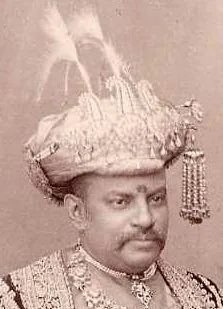
Rajput Provinces of India — Darbhanga
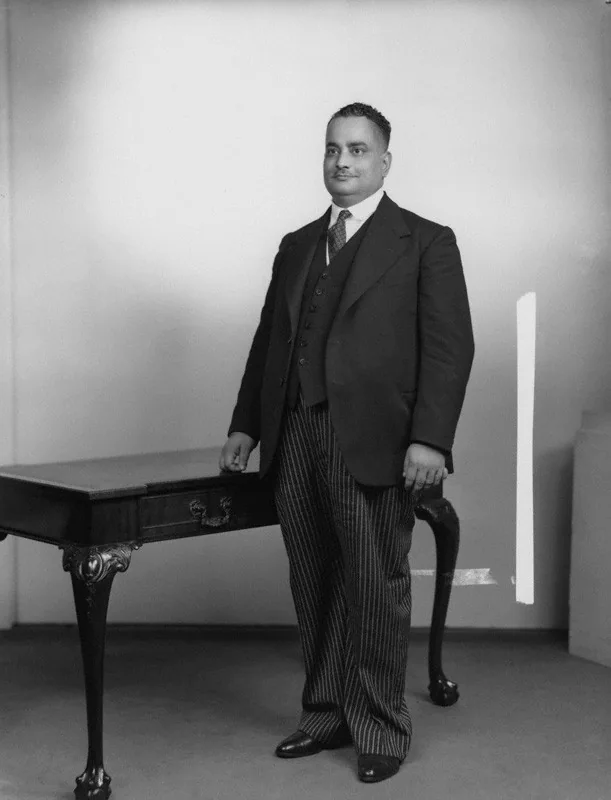
Rajput Provinces of India — Darbhanga
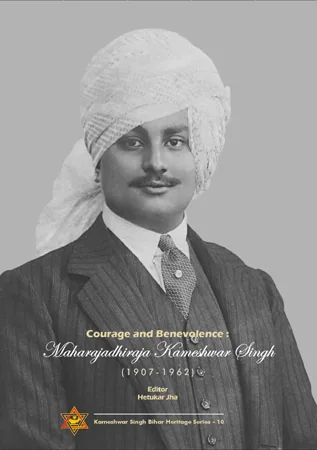
Rajput Provinces of India — Darbhanga
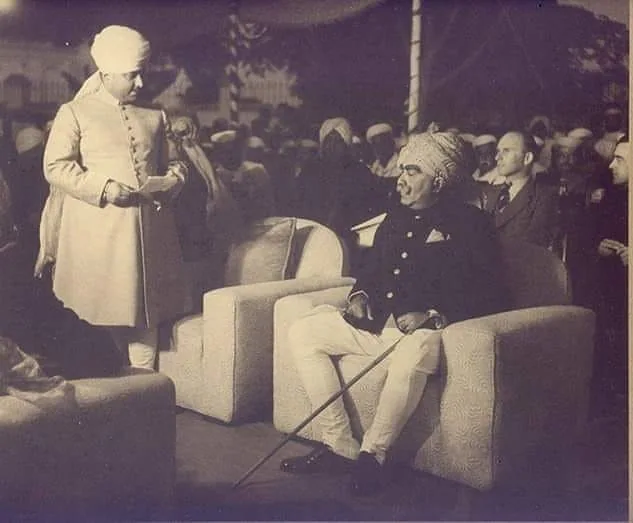
Rajput Provinces of India — Darbhanga
This selection is limited to images identified in the cited sources. Further pictures will be added as their subjects and provenance are confirmed.
Picture sources checked 10 November 2026.
Related Video Gallery
Watch & explore · 5 YouTube videos
Direct house and place coverage is prioritised. Wider dynasty, regional or Indian royal-heritage films are labelled individually. Video claims and availability remain the publisher’s responsibility.
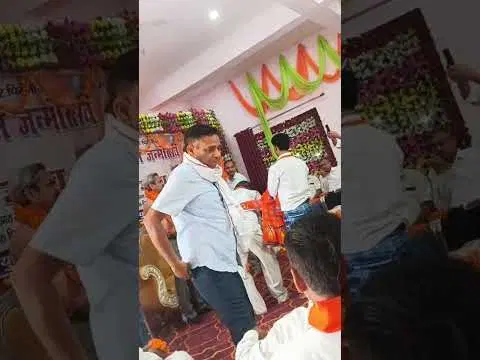
YouTube player loads when selected.
Maharaj Kapileshwar Singh of Darbhanga Graces Parshuram Jayanti Samman Samaroh
Bhumendrapal Singh
Existing IRF video collection identifies the family, its public representative, or its documented institutional legacy.
Watch on YouTube ↗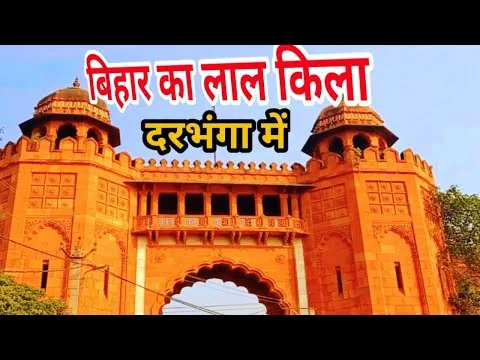
YouTube player loads when selected.
Darbhanga Raj | दरभंगा महाराज का महल | Darbhanga Raj History | Hindi | KA Films |
KA Films
Direct YouTube search result identifies this palace, fort, royal house or place. Historic claims in third-party video narration remain the publisher’s account.
Watch on YouTube ↗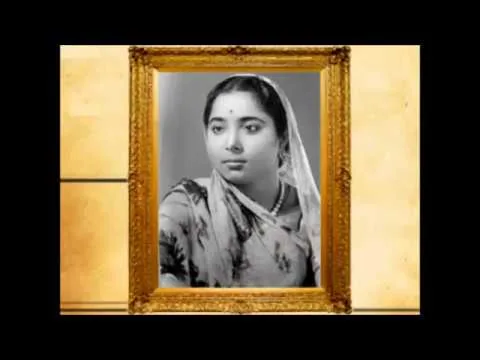
YouTube player loads when selected.
Darbhanga Maharaj: HISTORY OF DARBHANGA RAJ, NORTH BIHAR
Mithila Express
Direct YouTube search result identifies this palace, fort, royal house or place. Historic claims in third-party video narration remain the publisher’s account.
Watch on YouTube ↗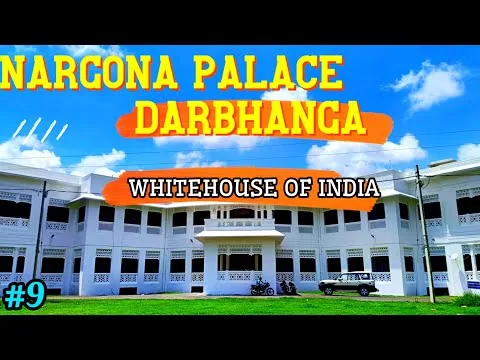
YouTube player loads when selected.
Nargona Palace | Darbhanga #tour #vlog #youtube
jai apan bihar
Direct YouTube search result identifies this palace, fort, royal house or place. Historic claims in third-party video narration remain the publisher’s account.
Watch on YouTube ↗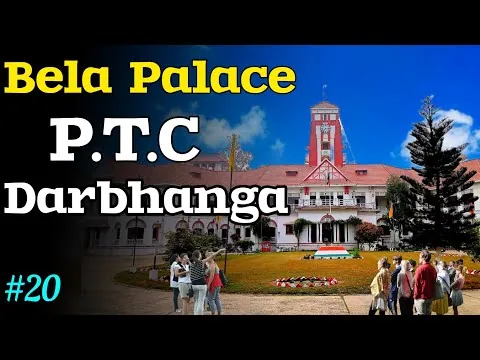
YouTube player loads when selected.
Bela Palace Darbhanga | P.T.C Darbhanga | let’s Explore
jai apan bihar
Direct YouTube search result identifies this palace, fort, royal house or place. Historic claims in third-party video narration remain the publisher’s account.
Watch on YouTube ↗Page context sources · 1
Research checked 10 November 2026. These references support the facts, emblem descriptions and timeline above. Genealogy references remain in the family-tree section.
Historical identity and dates follow the cited sources. The existing genealogy notes record uncertainties. No record-specific interpretation of the emblem is supplied without a matching heraldic description.