
Introduction
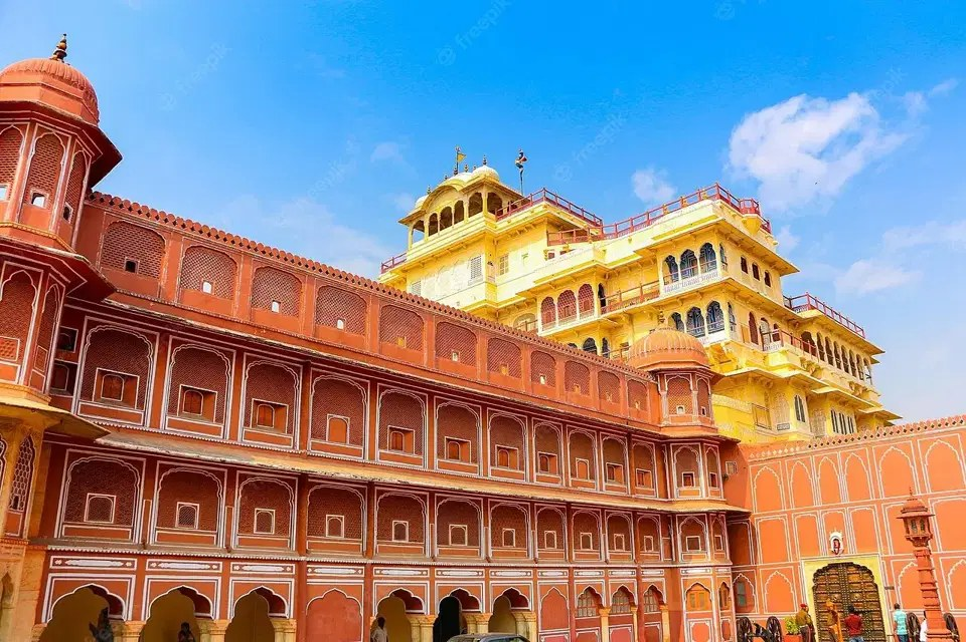
Jaipur, the Pink City of India, is renowned for its stunning architecture, rich history, and vibrant culture. While many Rajput kings contributed to its glory, Sawai Madhav Singh II played a crucial role in modernizing Jaipur in the late 19th and early 20th centuries. A progressive thinker and a strategic ruler, he initiated significant reforms in infrastructure, education, healthcare, and governance while maintaining the essence of Rajput heritage. His vision ensured Jaipur’s transformation into a well-planned and sustainable city.
Early Life & Ascension to the Throne
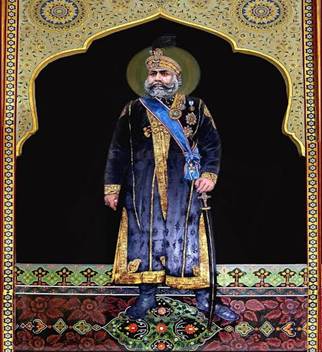
Born in 1861, Sawai Madhav Singh II belonged to the prestigious Kachwaha dynasty. He ascended the throne of Jaipur in 1880 at a time when India was under British colonial rule. His reign lasted until 1922, during which he navigated the delicate balance between British administration and indigenous self-governance.
Swai Madhav Singh II had a great contribution in modernizing Jaipur , and introducing the reforms that was very essential for city.
His measure Impacts involves :
- Infrastructure Development
- Educational Reforms
- Strengthening Healthcare Facilities
- Administrative and Governance Reforms
- Cultural and Architectural Contribution
One of the important measure involves Famine Relief and Public Welfare Under Maharaja Sawai Madho Singh II. During the late 19th and early 20th centuries, several parts of India, including the Rajputana region, experienced severe food shortages because of poor rainfall, crop failures and drought.
The Great Famine of 1899–1900
The famine of 1899–1900 was one of the major humanitarian crises affecting Rajputana during Madho Singh II’s reign.
Several factors contributed to the crisis:
- Failure of monsoon rainfall: Insufficient rainfall resulted in severe agricultural losses.
- Crop destruction: Farmers lost much of their seasonal produce, reducing the availability of food grains.
- Water scarcity: Tanks, wells and other traditional water sources began drying up.
Establishment of the Indian People’s Famine Trust
One of Madho Singh II’s significant contributions to famine relief was his financial support for the establishment of the Indian People’s Famine Trust in 1900.
He contributed substantial amounts of money to create a permanent financial resource that could support people affected by famine and other food shortages.
Challenges & Legacy
One of the biggest challenges during Maharaja Sawai Madho Singh II’s reign was dealing with repeated famines, particularly the devastating famine of 1899–1900. Poor rainfall and crop failures left many farmers without food or income. Water sources began drying up, livestock suffered due to a lack of fodder, and food prices increased, making life difficult for ordinary people.
(https://encrypted-tbn0.gstatic.com/images?q=tbn:ANd9GcS4a0irlt_No14e5-Gujdo8X1SM3rf3Vf-3WPXN-4o0sLOcI7mnStgnk94I&s=10)
Another major challenge was bringing modern changes to Jaipur while preserving its traditional Rajput identity. During his reign, the influence of British administration, modern education and new technologies was growing. Jaipur needed improvements in education, healthcare, transportation and public administration, but these changes also had to respect the customs and traditions of the royal state.
Conclusion
Maharaja Sawai Madho Singh II’s reign was an important period in Jaipur’s history. Despite facing challenges such as severe famines and the pressure of modernization, he worked towards improving public welfare, education, healthcare and infrastructure.
Leave a Reply