Understanding the Jagir and Thikana difference is essential when exploring India’s royal families and former princely states. Although these historical terms are frequently used together, they describe different and sometimes overlapping political, territorial and administrative arrangements.
India’s historical landscape included large kingdoms, smaller princely states, noble estates and numerous land revenue grants. Each played a distinctive role in regional administration and society.
What Was a Princely State?
A princely state was a territory governed by a hereditary ruler under British paramountcy during the colonial period. These states possessed varying degrees of internal administrative authority.
Jaipur, Jodhpur, Udaipur, Hyderabad and Gwalior were prominent examples of former princely states.
What Was a Jagir?
A Jagir was generally a grant involving rights to land revenue. Such grants could be awarded in recognition of military service, administrative responsibilities, loyalty or other obligations.
The holder of a Jagir was commonly known as a Jagirdar. The precise rights and responsibilities associated with these grants varied between regions and historical periods.
What Was a Thikana?
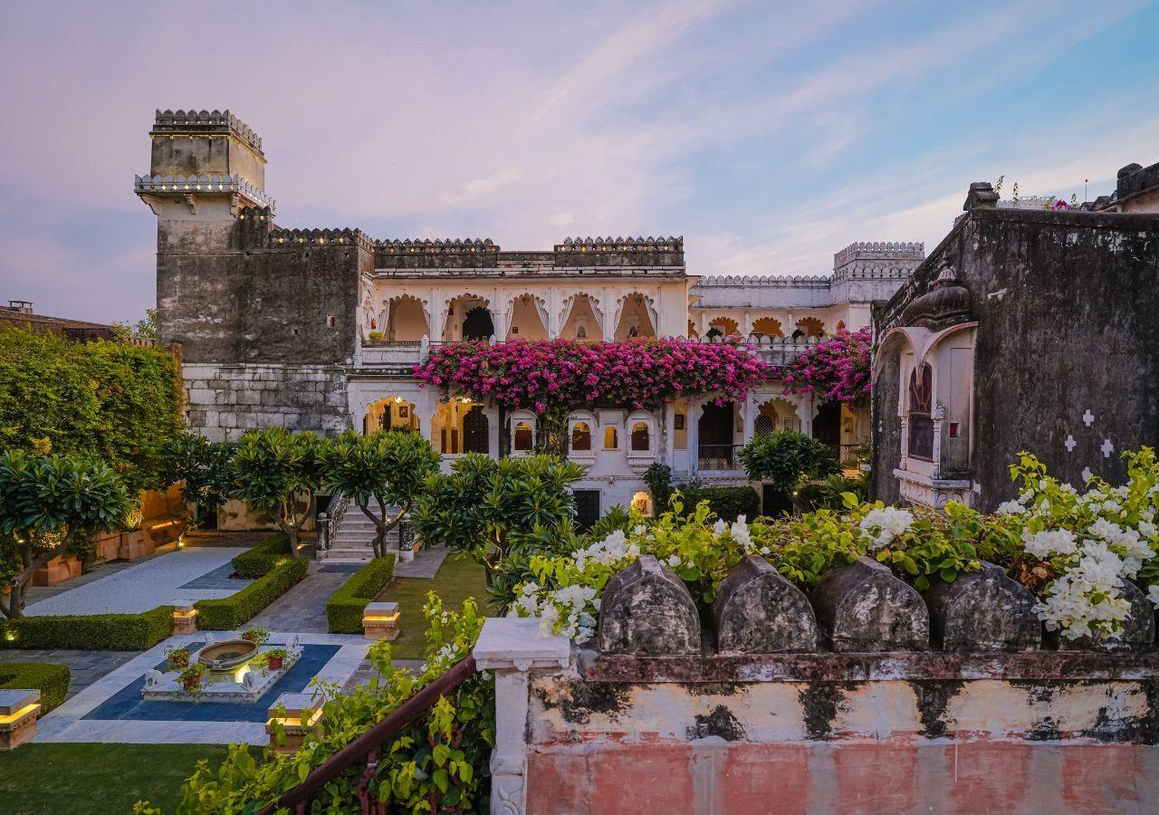
A Thikana was a territorial estate or seat of a noble family, particularly associated with Rajasthan and Rajput history.
Many Thikanas originated through grants made by ruling houses to relatives, military commanders and nobles. Their holders were often known as Thikanedars.
A Thikana could include a fortified residence, agricultural villages, temples and other estates.
Difference Between Jagir and Thikana
A Jagir generally referred to a revenue grant, while a Thikana often referred to the territorial estate or historical seat of a noble family.
These distinctions were not always absolute. A Thikana could also be a Jagir, and historical terminology varied considerably across different regions.
Jagir, Thikana and Princely State Comparison
| Feature | Jagir | Thikana | Princely State |
|---|---|---|---|
| Meaning | Revenue grant | Noble estate | Recognised princely territory |
| Common title | Jagirdar | Thikanedar or Thakur | Raja, Maharaja or Nawab |
| Authority | Dependent on grant conditions | Dependent on historical arrangements | Varied internal governing powers |
| Historical role | Revenue administration | Territorial and noble administration | Governance of princely territory |
Role of Thikanedars in Rajput History
Thikanedars often played important roles in the military, administrative and social structures of Rajput kingdoms.
Their responsibilities depended upon the relationship between their estates and the ruling houses to which they were historically connected.
Many noble families also contributed to regional architecture, religious institutions, cultural traditions and local administration.
Examples of Historical Thikanas and Jagirs
Several former noble estates have preserved their distinctive historical identities through architecture, family archives and cultural traditions.
Royal Titles Associated with Historical Estates
Titles such as Thakur, Rao, Rawat, Rawal, Raja and Maharaja were used in different historical and regional contexts.
The title held by an individual did not necessarily establish the precise political or administrative status of their estate.
What Happened to Jagirs After Independence?
Following Indian independence, princely states were integrated into the Indian Union. Subsequent land reforms abolished many intermediary land revenue arrangements, including Jagirdari rights.
Former ruling and noble families today hold no governing authority by virtue of their historical titles, although their cultural and architectural heritage remains an important part of Indian history.
Was Every Thikana a Princely State?
No. Many Thikanas were estates subordinate to larger princely states. Their historical authority varied according to local arrangements.
Was a Jagirdar the Same as a Thikanedar?
The terms sometimes overlapped, but their precise meanings depended upon regional traditions and historical arrangements.
Did Thikanas Have Their Own Coats of Arms?
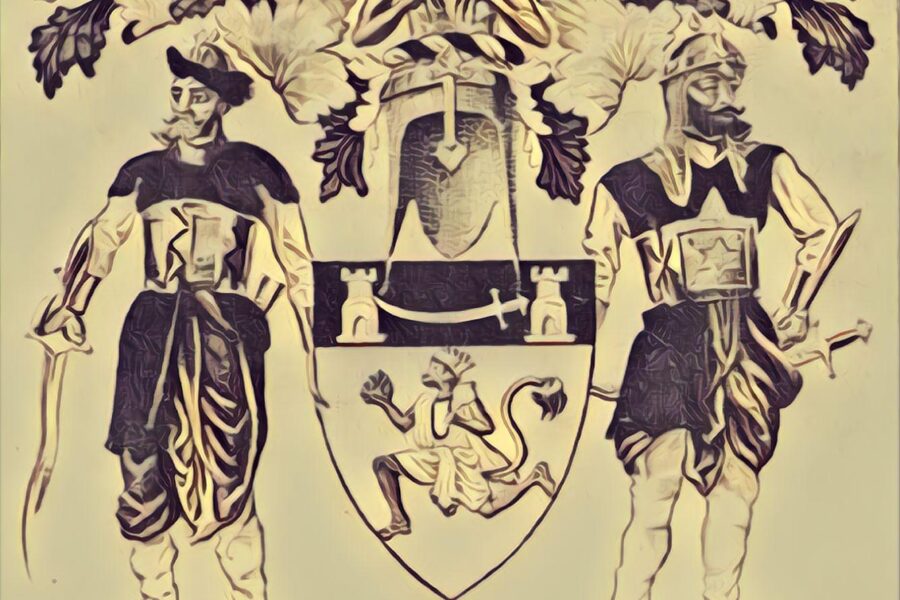
Several noble families adopted heraldic emblems that represented their historical identities and family traditions.
Explore examples in the Indian Royal Coats of Arms Archive.
Preserving the Heritage of India’s Noble Estates
Understanding the difference between Jagirs, Thikanas and princely states provides a clearer picture of India’s complex historical administrative systems.
Their surviving archives, residences and traditions continue to contribute to India’s cultural heritage.
Discover more historical accounts through the India Royal Families Journal and India Royal Families heritage portal.
Historical Reference: Thakur Amar Singhji versus State of Rajasthan, 1955.