
The Coat of Arms of Rajkot is the heraldic emblem of a princely state in the Kathiawar (Saurashtra) region (present-day Gujarat). It represents the lineage, authority and identity of the ruling house that held it.
Rajkot was a Jadeja state; Mahatma Gandhi’s father served as its Diwan, and Rajkumar College was founded here in 1870.
The ruling family belonged to the Jadeja line. Clan identity is often reflected in the choice of emblems on the shield, crest and supporters.
History of the Emblem
European-style armorial bearings for the Indian princely states were largely formalised for the Imperial Assemblage held at Delhi in 1877, when banners bearing the arms of each state were presented to the rulers. The designs blended traditional Indian symbols – the sun and moon of the Suryavanshi and Chandravanshi lines, family deities, sacred animals, weapons and regalia – with the structure of Western heraldry. As a 9-gun salute state, Rajkot held a recognised place in the precedence of the princes of India. These arms remained in official use on seals, coins, stamps, buildings and state documents until the princely states acceded to India and Pakistan after 1947.
Reading the Coat of Arms
A typical Indian royal coat of arms is made up of a few traditional elements:
- Shield (escutcheon) – the central field carrying the principal symbols of the house.
- Crest – the device placed above the shield, often a crown, a deity, a bird or an animal.
- Supporters – figures on either side of the shield, frequently horses, lions, tigers, elephants or mythical beasts.
- Motto scroll – a banner below the shield bearing a motto or invocation, usually in Sanskrit, Hindi, Persian or a regional language.
At a glance
- Dynasty / house
- Jadeja[1]The cited genealogy/history supplies this identification; its corroboration limits are retained in the research notes.
Understanding the emblem
The descriptions below identify a documented version of these arms. Historical designs may differ from the reproduction in this collection.
Historical arms
An emblem used under Dharmendra Singh shows a deer above a crescent and two tridents.[2]
Historical version described by a secondary heraldic reference. This is not verification that the collection reproduction is identical. No additional symbolic meaning is inferred.
Historical timeline
A selection of dated events and lives from the cited sources. Life dates are not reign dates; gaps do not imply uninterrupted rule.
Royal Lineage & Family Tree
Rajkot
Rajkot’s Jadeja house produced several collateral chiefships. This fragment shows its first two recorded rulers.
This is a partial research extract, not a complete family register. Titles are historical or customary. Dates are identified as reigns or life dates where the source supplies them.
Family relationships
Open or close a descendant branch to explore. People without a documented connection remain separate. A person linked to multiple parents appears in each branch.
Chronological lineage · text view
Selected people in source chronology; this list does not imply direct descent or uninterrupted rule.
Sources & research notes
Research checked 10 November 2026. Interpretations remain subject to historical review; specialist compilations and family accounts may require independent corroboration.
Internet research checked 10 November 2026. Query scope: rajkot royal family genealogy, historical references, and matching specialist family pages. Only explicit parentage or visible nested genealogy is encoded as child; succession and adoption remain distinct.
Royal Family & Heritage Pictures
10 sourced images. Captions follow the identifications in the linked sources; heritage views are labelled separately.
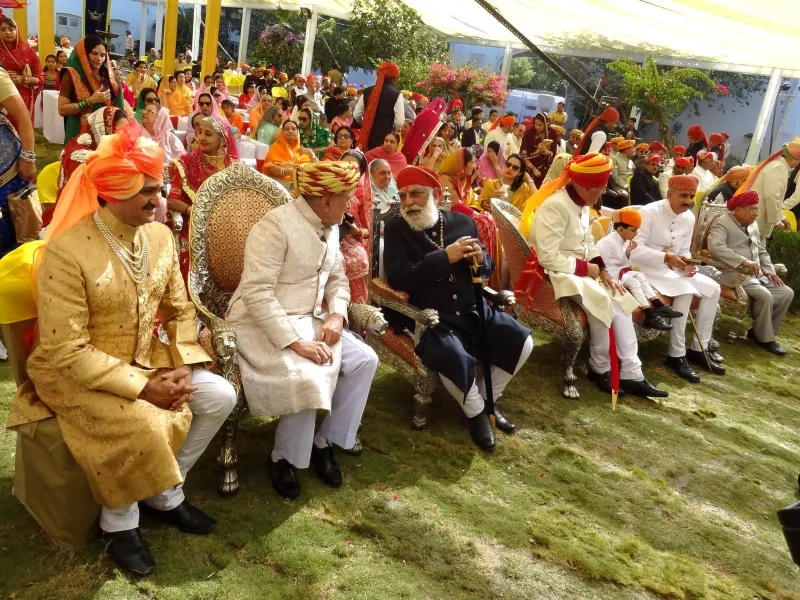
Rajput Provinces of India — Rajkot picture gallery
Rajput Provinces of India; individual photographer not specified in gallery metadata
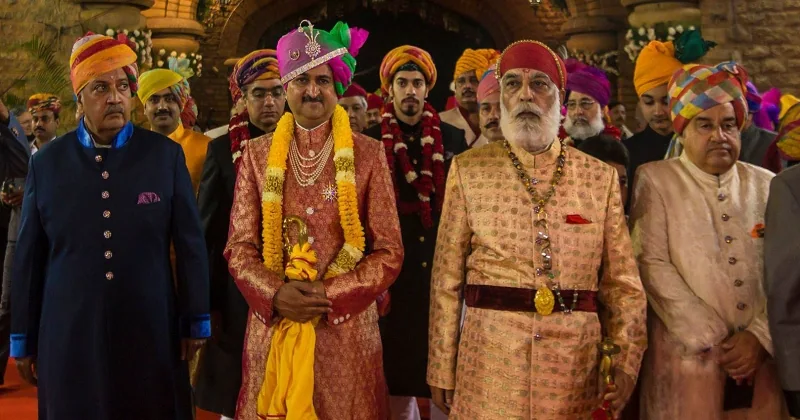
Rajput Provinces of India — Rajkot picture gallery
Rajput Provinces of India; individual photographer not specified in gallery metadata
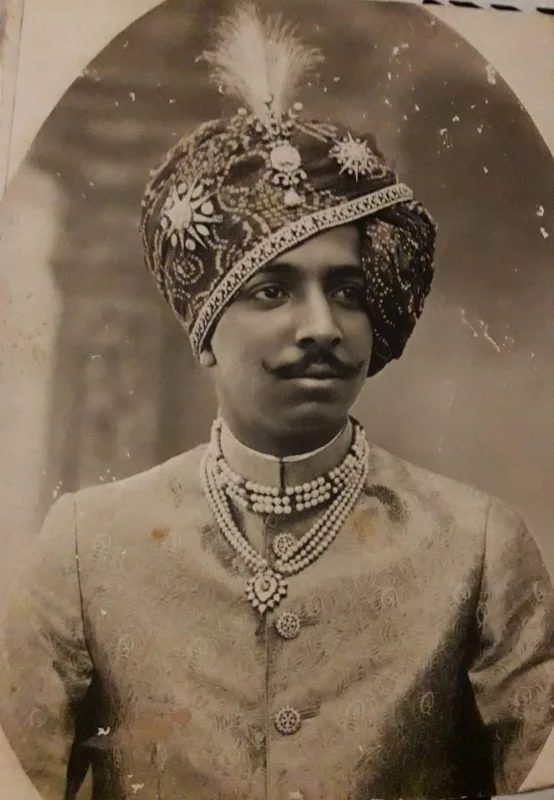
Rajput Provinces of India — Rajkot picture gallery
Rajput Provinces of India; individual photographer not specified in gallery metadata
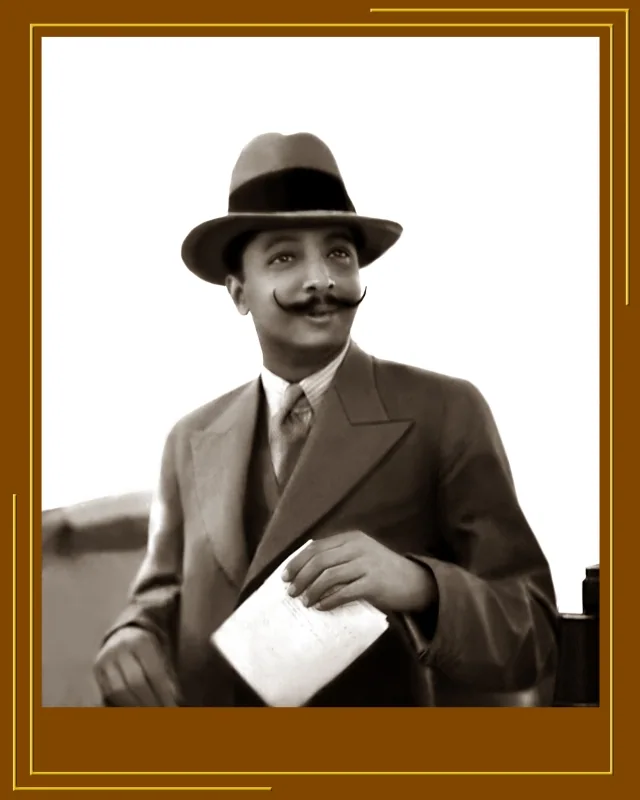
Rajput Provinces of India — Rajkot picture gallery
Rajput Provinces of India; individual photographer not specified in gallery metadata
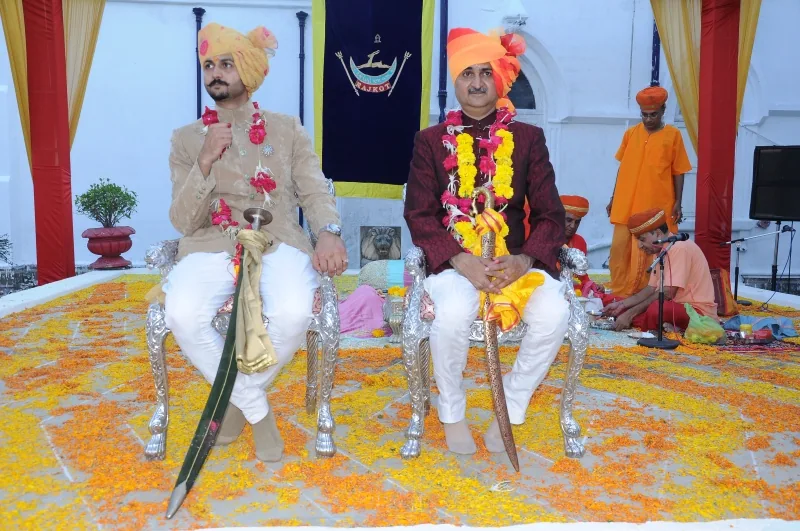
Rajput Provinces of India — Rajkot picture gallery
Rajput Provinces of India; individual photographer not specified in gallery metadata

Rajput Provinces of India — Rajkot picture gallery
Rajput Provinces of India; individual photographer not specified in gallery metadata
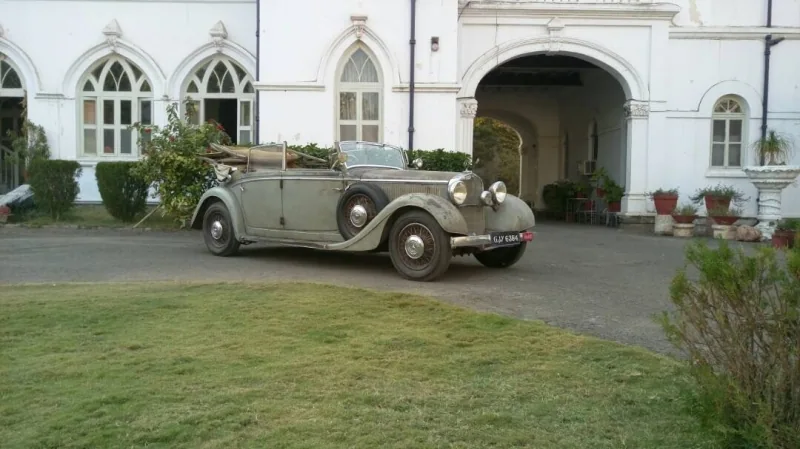
Rajput Provinces of India — Rajkot picture gallery
Rajput Provinces of India; individual photographer not specified in gallery metadata
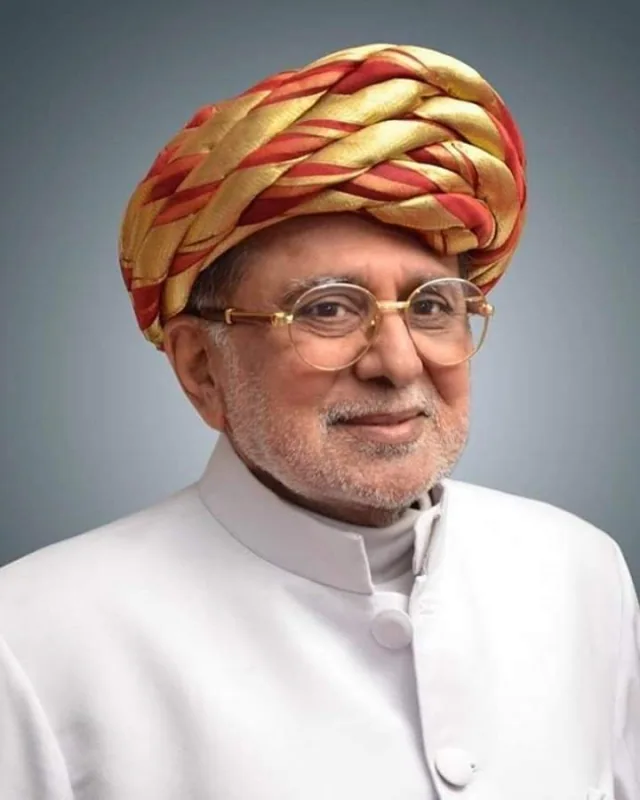
Rajput Provinces of India — Rajkot picture gallery
Rajput Provinces of India; individual photographer not specified in gallery metadata
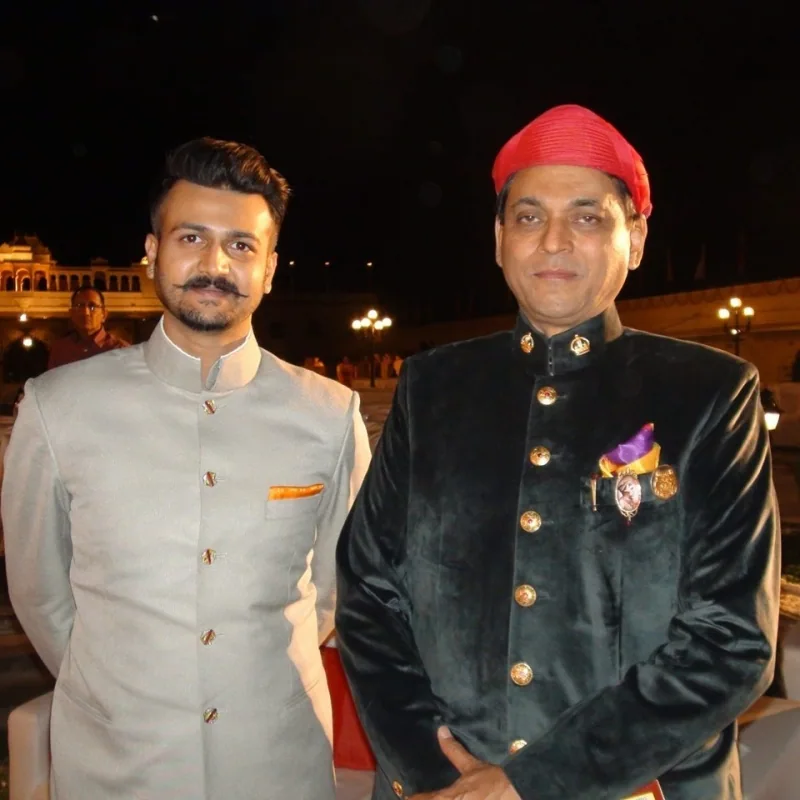
Rajput Provinces of India — Rajkot picture gallery
Rajput Provinces of India; individual photographer not specified in gallery metadata
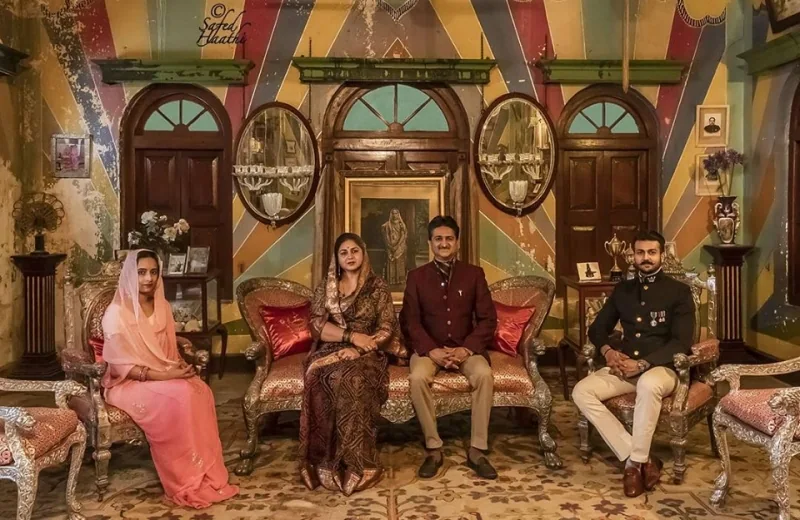
Rajput Provinces of India — Rajkot picture gallery
Rajput Provinces of India; individual photographer not specified in gallery metadata
Picture sources checked 10 November 2026.
Images from related coverage · 3
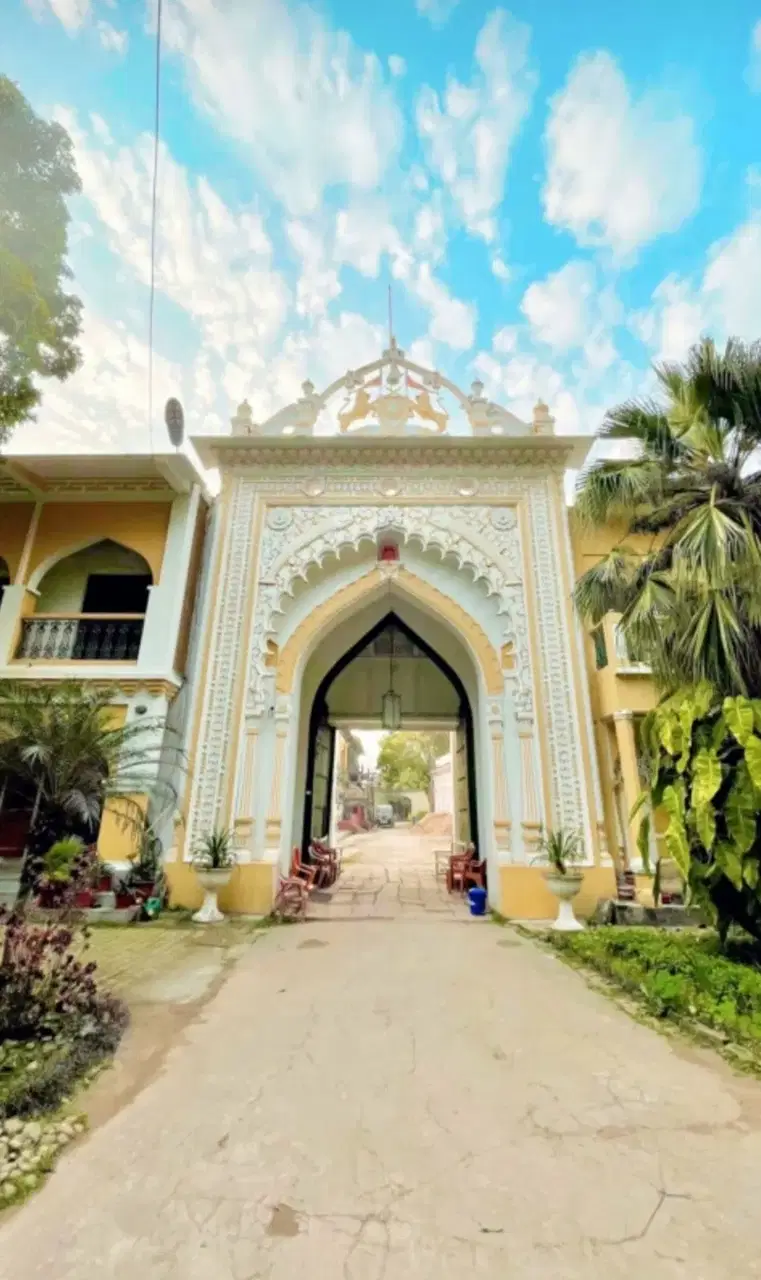
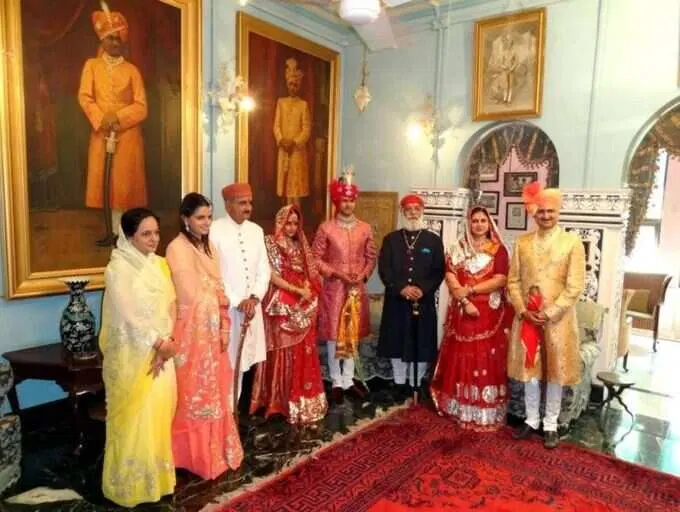
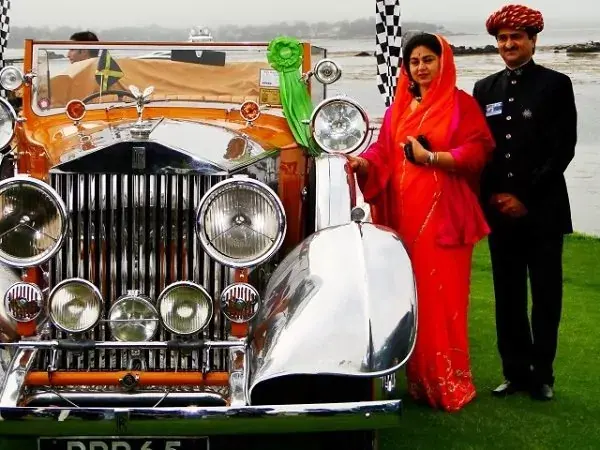
Related Video Gallery
Watch & explore · 5 YouTube videos
Direct house and place coverage is prioritised. Wider dynasty, regional or Indian royal-heritage films are labelled individually. Video claims and availability remain the publisher’s responsibility.
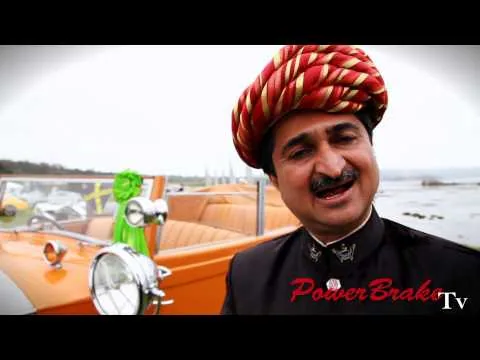
YouTube player loads when selected.
Star of India – 1934 Rolls Royce Rajkot Phantom II at Pebble Beach – Sweeting Performance
Sweeting Performance- Hydro-Boost Hydro-Max Brakes
Directly concerns the Rajkot house or its associated heritage site.
Watch on YouTube ↗
YouTube player loads when selected.
Rajkot Rolls Royce “Star of India” at Pebble Beach || Yuvraj Mandhatasinh Jadeja
Dharmesh Dave
Directly concerns the Rajkot house or its associated heritage site.
Watch on YouTube ↗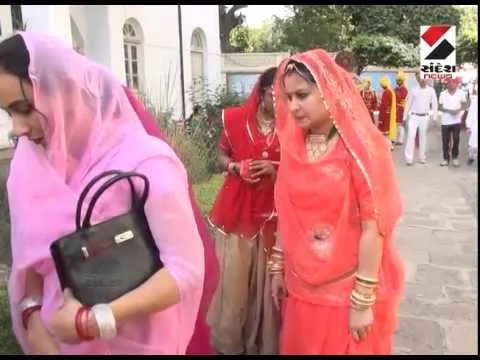
YouTube player loads when selected.
Royal Procession of Princesses of Rajkot | Cyclone Tauktae
Sandesh News
Directly concerns the Rajkot house or its associated heritage site.
Watch on YouTube ↗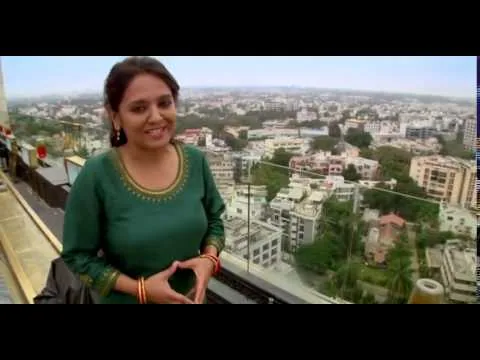
YouTube player loads when selected.
Jadeja Royal Wedding Rajkot (kutch state)
Amardeep Jadeja
Directly concerns the Rajkot house or its associated heritage site.
Watch on YouTube ↗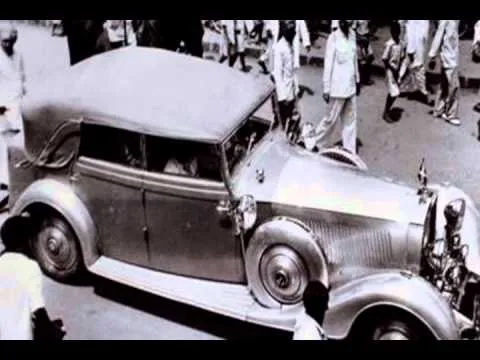
YouTube player loads when selected.
Rajkot and Rolls Royce
MyBindi
Directly concerns the Rajkot house or its associated heritage site.
Watch on YouTube ↗Page context sources · 2
Research checked 10 November 2026. These references support the facts, emblem descriptions and timeline above. Genealogy references remain in the family-tree section.
- Rajput Provinces: Rajkot ↗
- Hubert de Vries — historical heraldry, citing Taylor and state references ↗
This is a selected historical fragment, not a complete family tree. Secondary genealogical compilations require archival corroboration.