
Palanquins (Palkis): A Majestic Symbol of Royalty and Tradition
Introduction
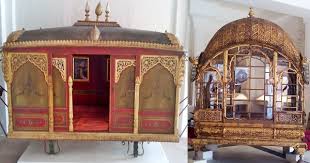
Palanquins, commonly known as palkis, have served as a significant mode of transportation in ancient and medieval India, symbolizing grandeur, luxury, and social prestige. Skilled artisans crafted these elaborately decorated, human-carried litters for royalty, noble families, and religious figures. Over centuries, their design and usage evolved, reflecting the artistic and cultural sensibilities of different regions. This article explores the history, types, craftsmanship, and cultural importance of palanquins.
Origins and Historical Significance
The origins of palanquins trace back to ancient civilizations such as India, China, Persia, and Japan. Historical texts, temple carvings, and royal decrees mention palkis, highlighting their integral role in royal processions, weddings, and religious ceremonies. These elegant carriers showcased the status and influence of the occupants.
Palanquins in Royalty
- Mughal Era – During the Mughal period, emperors, queens, and high-ranking officials used lavishly adorned palanquins decorated with gold, silver, and intricate carvings.
- Rajput Kingdoms – The Rajputs included palkis in royal weddings and processions, designing them to reflect their warrior heritage.
- Maratha Influence – Maratha queens and noblewomen traveled in heavily ornamented palkis that provided both comfort and security.
- South Indian Dynasties – Kings and temple priests traveled in grand palanquins, known as “Pallakku,” featuring mythological depictions and religious motifs.
Types of Palanquins
Palanquins came in various styles based on functionality, status, and cultural traditions. Some of the most popular types include:
1. Rajat Palki (Royal Palanquin)
- Kings, queens, and high-ranking officials exclusively used these grand palanquin.
- Artisans crafted them from gold, silver, and fine wood, furnishing them with velvet or silk cushions.
- Soldiers, musicians, and attendants accompanied them during royal processions.
2. Doli Palki (Bridal Palanquin)
- Indian weddings featured doli palkis to transport brides to their new homes.
- Artisans decorated them with flowers, intricate embroidery, and auspicious symbols.
- Many folk songs and wedding rituals celebrate the elegance of these palanquins.
3. Dev Palki (Religious Palanquin)
- Temples used these palanquins to carry deities’ idols during festivals and processions.
- Craftsmen adorned them with religious motifs and sacred scriptures.
- Devotees carried them as an act of devotion and service.
4. Khatooli (Military Palanquin)
- Battlefield personnel transported injured soldiers or high-ranking generals using these palanquins.
- Their design ensured mobility and ease of transport.
- Some commanders used them as makeshift thrones for strategic planning.
5. Hansi Palki (Common Palanquin)
- Wealthy merchants, landlords, and travelers frequently used these palanquins.
- They featured simple yet elegant decorations for comfort and luxury.
- Before modern transportation emerged, these provided an efficient mode of travel.
Exquisite Craftsmanship & Materials
Palanquins served both functional and artistic purposes. Skilled artisans used high-quality materials and traditional techniques to craft these palkis:
- Woodwork: Teakwood, sandalwood, and rosewood ensured durability and intricate carving.
- Metal Embellishments: Craftsmen used gold and silver plating to decorate royal palanquin.
- Textiles: Velvet, brocade, and silk lined the interiors to maximize comfort.
- Gemstones and Paintings: Many palkis displayed embedded gemstones and hand-painted mythological scenes.
Symbolism and Cultural Legacy
Palanquins symbolized social status, beauty, and cultural heritage. Even today, their significance appears in festivals, literature, and cinema:
- Indian Weddings: Many regions continue the tradition of brides arriving in a doli palki.
- Festivals and Processions: Indian temples still feature dev palkis in religious celebrations.
- Museums & Heritage Sites: Historic palanquins remain preserved in palaces and museums, showcasing their grandeur.
Decline and Modern Adaptations
With the rise of automobiles and modern transportation, people gradually stopped using palkis. However, their cultural presence endures in ceremonial contexts and heritage events:
- Filmmakers and theater directors use replicas in historical productions.
- Heritage museums preserve and display hand-carved palanquins.
- Luxury resorts recreate palki experiences for tourists and history enthusiasts.
Conclusion
Palanquins (palkis) stand as timeless symbols of royalty, tradition, and exquisite craftsmanship. Deeply embedded in India’s cultural history, they continue to represent elegance and grandeur. Though modern transportation has replaced them, they still captivate historians, artists, and heritage lovers, preserving their majestic legacy.
The story of the palanquin is one of artistry, prestige, and an era where elegance met functionality.
Leave a Reply