

In the serene cedar-scented hills of Shimla stands Woodville Palace — a timeless emblem of aristocratic grace and princely heritage. Closely associated with the illustrious rulers of Jubbal, the palace is not merely a colonial-era residence, but a living chapter in the story of Himachal’s hill royalty. At the heart of this continuing legacy is Princess Divya Kumari of Jubbal, whose presence represents the elegance and continuity of the Jubbal royal house in contemporary India.


⸻
The Legacy of the Jubbal State
Jubbal was one of the prominent princely states of the Shimla Hills, known for progressive governance and cultural refinement. Surrounded by dense forests and later famed for apple orchards, the state flourished under visionary rulers who balanced tradition with reform.
Among its most respected rulers was Rana Bhagwat Singh, remembered for his modern outlook and commitment to education and infrastructure. Under his stewardship, Jubbal earned recognition as one of the more forward-thinking hill states during the late colonial period.
The Jubbal rulers maintained strong ties with Shimla, then the summer capital of British India. This relationship led to the establishment of Woodville Palace as their distinguished residence in the hill station.
⸻
Woodville Palace: A Royal Residence in Shimla
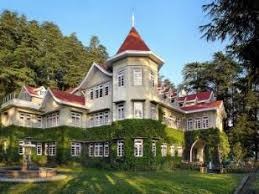
Constructed in the early 20th century, Woodville Palace reflects classic British hill-station architecture blended with princely refinement. Built in wood and stone, the structure features sloping roofs, expansive verandahs, grand fireplaces, and manicured lawns framed by towering deodar trees.
During the height of Shimla’s social season, the palace welcomed royalty, British officials, and aristocrats. It was a space where diplomacy, culture, and society converged. Even today, as a heritage property, Woodville retains its old-world charm — its corridors lined with portraits and memories of the Jubbal royal lineage.
More than architecture, the palace embodies a lifestyle — one defined by etiquette, patronage of the arts, and a deep sense of custodianship toward heritage.
⸻
Princess Divya Kumari of Jubbal: A Modern Royal Presence
In the contemporary narrative of the Jubbal royal family, Princess Divya Kumari stands out for her grace, poise, and dignified representation of her lineage. With an upbringing rooted in tradition yet aligned with modern sensibilities, she symbolizes the seamless transition of royalty into the present day.
Her association with Woodville Palace and the broader heritage of Jubbal adds a human dimension to the grandeur of titles and estates. Whether at cultural gatherings, heritage events, or family occasions, Princess Divya Kumari reflects the understated elegance long associated with hill royalty.
In an era where royal titles hold cultural rather than political significance, figures like Princess Divya Kumari play an important role in preserving historical memory, family legacy, and regional identity.
⸻
Continuity of a Hill Royal Tradition
The story of the Jubbal royal family is not confined to archives or architectural relics. It is carried forward through values — refinement, education, cultural patronage, and respect for tradition. Woodville Palace remains a tangible reminder of that journey, while Princess Divya Kumari represents its living continuity.
For readers of India Royal Families, the legacy of Jubbal offers a compelling example of how India’s hill states contributed to the broader mosaic of princely heritage. In the quiet grandeur of Woodville, and in the dignified presence of Princess Divya Kumari, the spirit of Jubbal endures — timeless, graceful, and deeply rooted in history.
