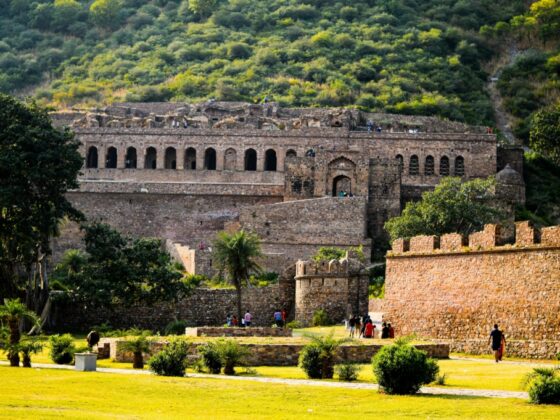
Uttar Pradesh, one of India’s most culturally rich and historically significant states, has been home to powerful royal dynasties, warrior clans, spiritual guardians, and princely estates for centuries. From Rajput chieftains to Nawabs and Taluqdars, these royal families have shaped the political, cultural, and architectural identity of northern India.
Even today, many of these families continue to preserve their heritage through palaces, forts, cultural institutions, and social leadership—keeping alive the regal legacy of the region.
1. The Royal House of Awagarh (Etah)
The Jadaun Rajput rulers of Awagarh represent one of the oldest surviving princely houses of Uttar Pradesh. Their magnificent Awagarh Fort, spread across 108 acres, stands as a symbol of Rajput pride, valor, and architectural brilliance.
For generations, the family has contributed to social development, education, and heritage conservation. Modern descendants actively promote Indian royal heritage through cultural initiatives and digital platforms like IndiaRoyalFamilies.com and Awaraj.com, ensuring their legacy remains relevant in contemporary India.
2. The Royal Family of Rampur
The Nawabs of Rampur, with roots in the Rohilla Pathan lineage, were renowned patrons of classical music, poetry, calligraphy, and fine arts. Their court attracted legendary musicians, and their famed Rampur Raza Library remains one of the greatest repositories of Indo-Persian manuscripts, rare books, and miniature paintings.
The palaces, cuisine, and cultural traditions of Rampur reflect a fusion of Indo-Islamic and Afghan influences that continue to mesmerize historians and cultural enthusiasts.
3. The Royal House of Benaras (Kashi Naresh)
The Kashi Naresh, considered the cultural and spiritual guardian of Varanasi, holds an unparalleled position in India’s religious history. The Ramnagar Fort, with its museum and ceremonial courtyards, reflects centuries of tradition.
The kings of Benaras have historically been key patrons of classical arts and Hindu rituals, especially the grand celebration of Dev Deepawali, attracting devotees from across the world.
4. The Royal Family of Balrampur
Known for their immense Taluqdari estate, the Balrampur royal family has played an influential role in governance, philanthropy, and rural development. Their architectural legacy includes sprawling palaces, temples, and administrative buildings.
The family has supported education, healthcare, and women’s empowerment, shaping the socio-economic fabric of the region across generations.
5. The Royal Family of Mahmudabad
One of the most influential Shia Muslim royal houses of Awadh, the Mahmudabad family were known political leaders and cultural patrons. Their palatial estates, spread across Sitapur and Lucknow, reflect Indo-Islamic craftsmanship at its finest.
The Mahmudabad Palace stands as a reminder of their artistic taste, administrative strength, and historical role during the pre-independence era.
6. The Royal Family of Padrauna (Kushinagar)
A distinguished Rajput lineage tracing its roots to the Suryavanshi clan, the Padrauna royal family played a significant role in eastern Uttar Pradesh. Their estates and temples continue to reflect the rich cultural identity of the region.
The family has long been associated with community welfare, agricultural development, and preservation of local traditions.
7. The Royal House of Tulsipur
Situated along the UP–Nepal border, the Tulsipur royals were highly respected for their administrative strength and strategic role in regional governance. Their palaces and heritage structures display the fusion of Indo-Nepali architectural influence.
Their legacy continues through local festivals, rural development initiatives, and preservation of their historical estates.
8. The Royal Family of Mankapur (Gonda)
One of the prominent Taluqdari establishments in northern Awadh, the Mankapur royal family played a vital role during the colonial period. Their contributions include building schools, temples, and developing administrative centres.
Their traditions still influence local culture, especially in the regions around Gonda.
9. The Royal Family of Hathras
The rulers of Hathras were known for strong governance, military organisation, and cultural patronage. Their royal estates, palaces, and heritage buildings continue to define the architectural identity of the region.
Several members of this royal family have been associated with public service and cultural preservation.
Conclusion: A Living Legacy of Power, Pride & Heritage
The royal families of Uttar Pradesh are not just relics of the past—they are living narratives of India’s royal traditions. Their forts, palaces, festivals, libraries, and social contributions continue to inspire historians, heritage enthusiasts, and travellers alike.
From the spiritual grandeur of Kashi Naresh to the Rajput chivalry of Awagarh and the cultural sophistication of Rampur, these royal houses form the majestic backbone of Uttar Pradesh’s historical identity.