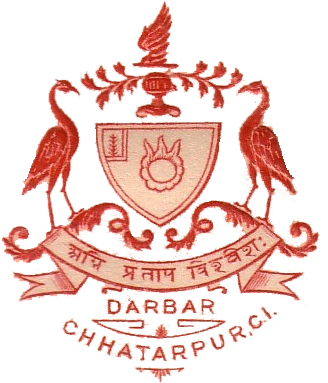
Heraldic record
Chhatarpur Coat of Arms
Chhatarpur, named after Maharaja Chhatrasal, was ruled from the late 18th century by a Ponwar family.

241 published results for “Delhi Sultanate”.
Chhatarpur, named after Maharaja Chhatrasal, was ruled from the late 18th century by a Ponwar family.
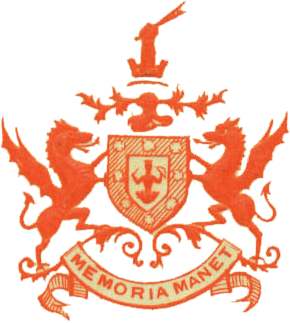
Chhota Udaipur was a Khichi Chauhan state of the Rewa Kantha Agency, related to the house of Baria.

Chuda was a princely state of the Jhalawad region of Kathiawar, ruled by a family of Jhala Rajputs.
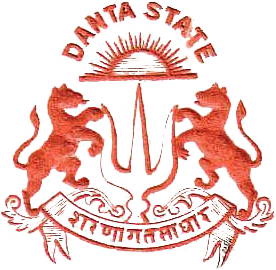
Danta in north Gujarat was ruled by Parmar Maharanas who were hereditary custodians of the Ambaji temple.
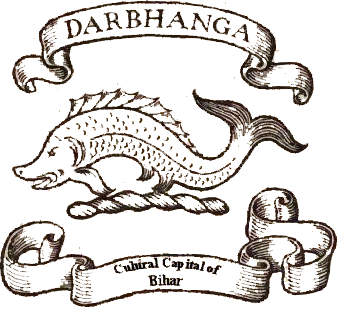
Raj Darbhanga was among the largest zamindari estates in British India, ruled by the Khandwala dynasty of Maithil Brahmins, great patrons of music, education and Sanskrit learning.
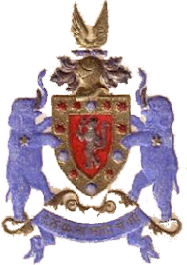
Dewas was divided between two branches of the Puar family; Dewas Junior was the younger branch, sharing the town of Dewas with Dewas Senior.

Dhar in Malwa was ruled by the Puar (Pawar) dynasty, which links its heritage to the Paramaras and Raja Bhoja's ancient capital of Dhara.
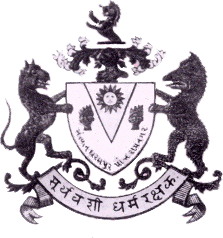
Dharampur was a Sisodia-ruled state of the Surat Agency in south Gujarat.
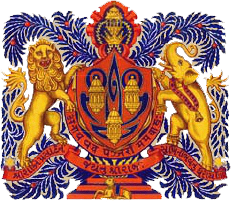
Dhrangadhra-Halvad was the senior Jhala state of Kathiawar, known for its fine sandstone.

Dhrol was founded by Jam Hardholji, a brother of the Jam of Nawanagar, and remained a Jadeja state.

Dungarpur is ruled by the senior branch of the Guhilot line of Mewar.
Garrauli was a small Bundela state founded by Diwan Gopal Singh.
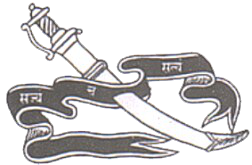
Gondal was a Jadeja state; Maharaja Bhagvatsinhji was known for progressive rule, free education and the Gujarati lexicon Bhagavadgomandal.
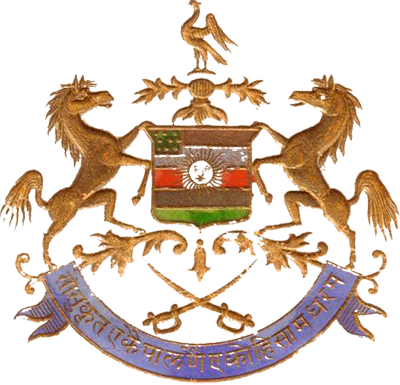
Idar was taken by Rathores from Jodhpur in the early 18th century and was the leading state of the Mahi Kantha Agency.
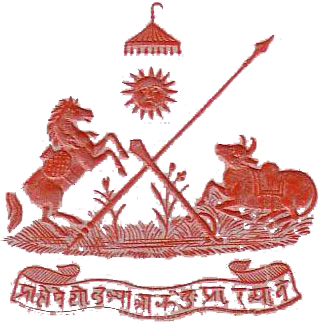
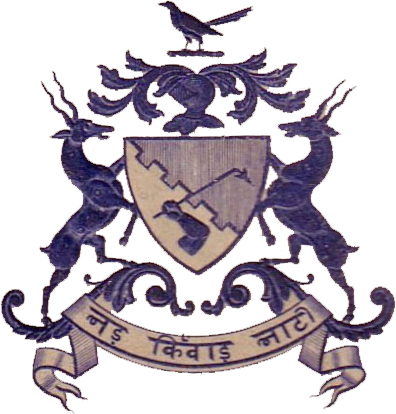
Jaisalmer was founded in 1156 by Rawal Jaisal of the Bhati Rajputs.
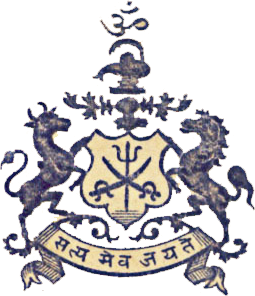
Jambughoda was a state of the Rewa Kantha Agency; its forests are now protected as a wildlife sanctuary.
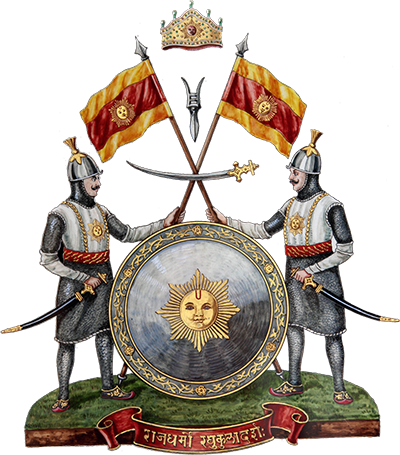
Jammu and Kashmir was formed in 1846 under Maharaja Gulab Singh of the Dogra dynasty and was the largest princely state by area.