

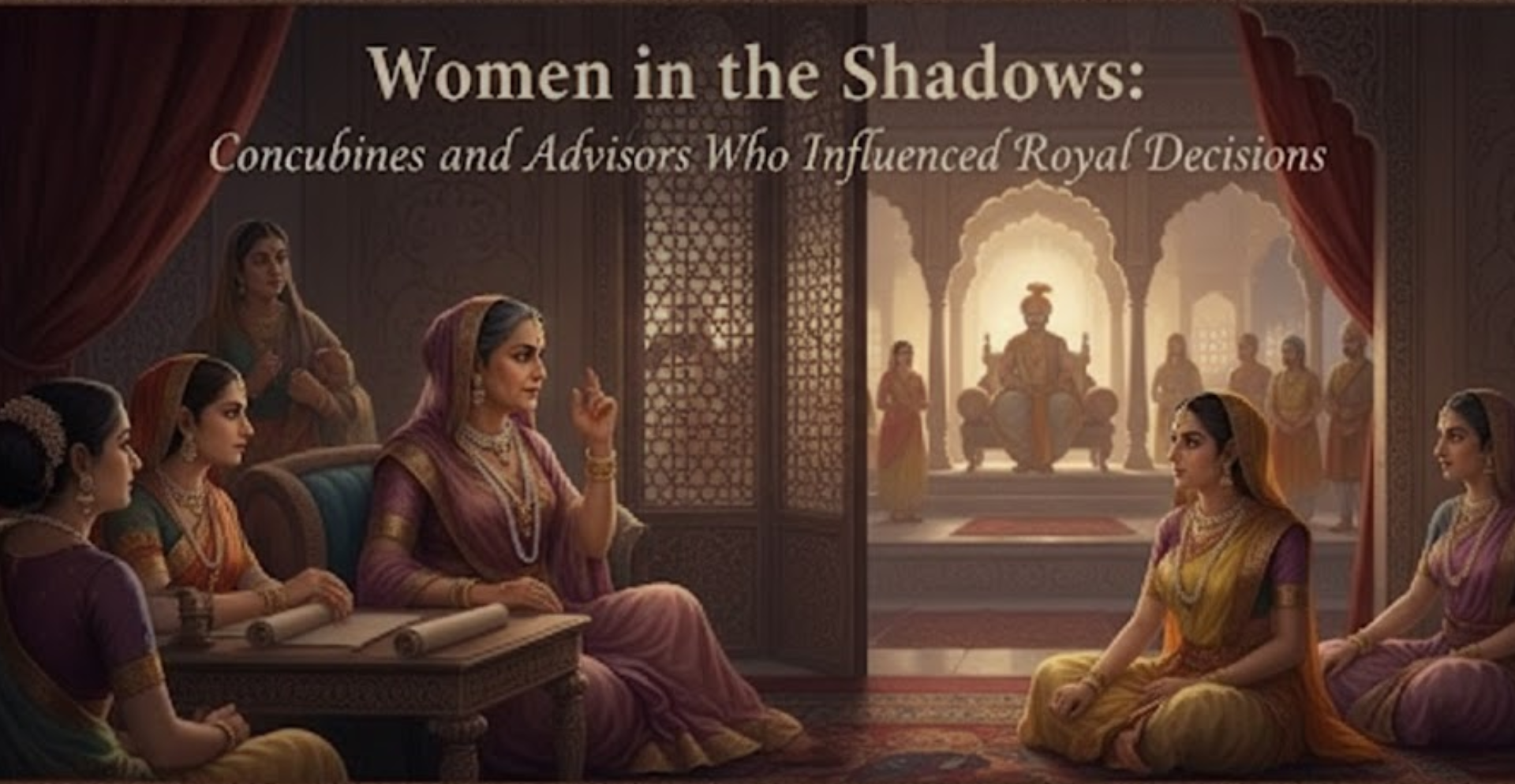
Introduction to the Influence of Women in Royal Courts
Throughout history, the influence of women in royal courts has often been overshadowed by their male counterparts. Yet, behind the grandeur of palaces and the weighty decisions made by kings and emperors, remarkable stories unfold. These narratives reveal how concubines and female advisors wielded significant power, shaping destinies while operating from the shadows.
From manipulating political alliances to offering sage counsel during pivotal moments, these women played crucial roles that are often overlooked in traditional historical accounts. As we delve into this intriguing topic, prepare to uncover the hidden contributions of those who influenced royal decisions without ever wearing a crown themselves. The impact they had resonates through time—creating ripples that can still be felt today.
The Role of Concubines in Shaping Royal Decisions
Concubines often held significant sway in royal courts, shaping decisions behind the scenes. Their unique position allowed them to cultivate relationships with kings and emperors that could influence political outcomes.
These women were more than mere companions. Many possessed intelligence and charisma, enabling them to advocate for their interests or those of their families. They understood court dynamics intimately, making their insights invaluable.
In times of strife or uncertainty, a concubine’s counsel could steer a ruler toward particular alliances or actions. This role sometimes placed them at the center of power struggles within the palace walls.
Their impact is frequently overlooked yet undeniable. From securing military support to influencing succession plans, concubines navigated complex social landscapes with remarkable skill and determination.
Famous Examples of Concubines Who Influenced History
One of the most renowned concubines in history is Wu Zetian, who rose from being a lowly consort to the only female emperor in Chinese history. Her strategic brilliance allowed her to navigate the complexities of power during the Tang Dynasty.
Another significant figure is Empress Dowager Cixi of China. Originally a concubine herself, she orchestrated crucial political moves that shaped modern China for decades. Her influence extended far beyond her initial status, illustrating how women could wield immense power behind palace walls.
In ancient Persia, Atossa was another notable example. As a daughter of Cyrus the Great and wife of Darius I, her role as a queen-consort gave her considerable sway over decisions affecting an empire at its height.
These women exemplify how concubines were often pivotal players in shaping historical narratives through their relationships with powerful men. Their legacies remind us that history often overlooks these influential figures hidden within royal courts.
The Power of Female Advisors in Male-Dominated Societies
Throughout history, women have often navigated complex male-dominated systems with remarkable finesse. They wielded influence in ways that were subtle yet profound. Their strategies and insights frequently shaped the very fabric of governance.
Female advisors brought unique perspectives that men might overlook. Their understanding of social dynamics allowed them to guide rulers effectively. This was not merely about loyalty; it was about survival and thriving within restrictive hierarchies.
Women like Empress Dowager Cixi of China exemplified this power, skillfully maneuvering through court politics to steer her nation’s direction. Her reign highlighted how a woman could hold considerable sway behind the throne.
These advisors understood the significance of alliances, both personal and political. Their roles often extended beyond mere counsel; they became trusted confidantes, shaping decisions that would echo through time.
Notable Women Who Served as Advisors to Monarchs
Throughout history, various women have stepped beyond the confines of traditional roles to advise powerful monarchs. One such figure is Empress Dowager Cixi of China. She wielded immense power behind the throne during the Qing Dynasty, shaping policies and decisions for decades.
Another remarkable advisor was Maria de’ Medici in France. As queen consort, she played a crucial role during her son’s reign, navigating political treachery with skill and determination.
In Japan, Lady Murasaki Shikibu served as an influential courtier and author. Her insights into court life helped shape cultural norms that permeated Japanese society.
These women transformed their societies while operating within restrictive frameworks. Their impact reverberates through time and continues to inspire future generations seeking influence amidst adversity.
The Legacy and Impact of Women in the Shadows
The legacy of women in the shadows is profound. Their influence often transcended the confines of their roles, imprinting on history in ways that are frequently overlooked.
Concubines and advisors wielded power through persuasion, intellect, and emotional insight. They shaped decisions that altered the course of empires and dynasties. Their stories reveal a tapestry rich with complexity.
These women navigated complex court dynamics. Many emerged as key players despite societal limitations. The whispers they carried within palace walls echoed louder than many realized.
Today, we recognize their contributions as essential to understanding historical narratives. Acknowledging these hidden figures fosters a deeper appreciation for women’s roles throughout time.
Their impact resonates beyond individual achievements; it challenges traditional perceptions of power structures. Celebrating these legacies encourages us to honor all voices that have influenced our world significantly.
Conclusion: Recognizing the Hidden Contributions of Women in History
The influence of women in royal courts often goes unrecognized. These figures, whether concubines or advisors, wielded significant power behind the scenes. They shaped decisions that could alter the course of history.
Concubines held a unique position within the palace walls. Their relationships with monarchs were not merely personal but political as well. Many used their status to sway opinions and advocate for policies that benefited their families or factions.
Female advisors played an equally crucial role. In male-dominated societies, these women became trusted confidantes. They offered insights that men may have overlooked, showcasing a different perspective on governance and strategy.
Throughout history, many notable women emerged from these shadows. Figures like Empress Dowager Cixi of China and Sarah Churchill in England reshaped political landscapes through their influence over kings and prime ministers alike.
Understanding this dynamic relationship between gender and power reveals hidden narratives in our historical accounts. The stories of these remarkable women remind us that they contributed significantly to shaping nations despite societal constraints.
Recognizing their efforts enriches our understanding of history itself. Women who operated quietly yet effectively deserve acknowledgment for steering the course of events during pivotal moments across time and cultures.


