
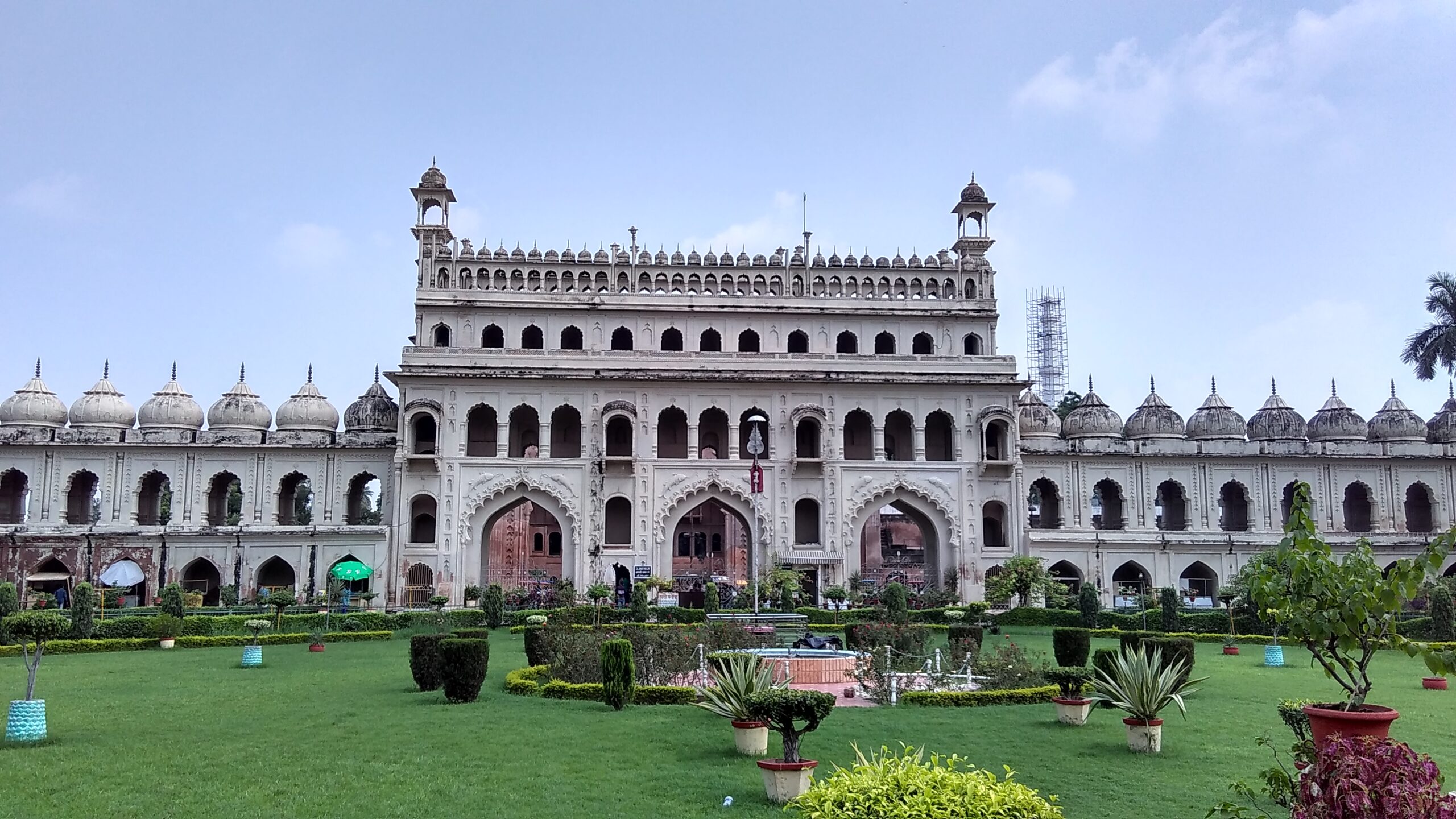
The royal architecture of Uttar Pradesh ranges from imperial complexes to regional residences and courtyard houses. Its interest lies in variation: defensive walls, audience halls, religious buildings and domestic rooms were designed for different purposes. Reading those differences turns a sightseeing route into a lesson in how people lived and governed.
Fort, palace, haveli or imambara?
A fort emphasises protection and strategic control, though it may also contain palaces and temples. A palace serves residential and ceremonial functions. A haveli is typically a substantial house organised around domestic life and courtyards; it need not have royal owners. An imambara has a religious function and should not be casually grouped with pleasure palaces.
These categories can overlap within a complex. The task is to identify what a particular space did, rather than impose a single label on every building.
Agra and Fatehpur Sikri: the imperial scale
The Agra district tourism overview identifies Agra Fort and Fatehpur Sikri among the area’s major World Heritage sites. They provide an imperial context for a wider architectural journey. They are not interchangeable with the residences of later landed families.
At Fatehpur Sikri, compare open courts with enclosed halls and consider how movement, visibility and shade organise the visitor’s experience. A useful guide explains the evidence behind room names and functions, including where interpretations remain uncertain.
Lucknow: architecture and patronage
Lucknow’s district history describes a built environment shaped by regional, Mughal and European influences. The city rewards looking at gateways, garden settings and the relationships between buildings, rather than collecting isolated façade photographs.
The Chhota Imambara illustrates how religious use, commemoration and ornament can meet in one complex. Its setting should be understood through the traditions it serves as well as the patron who commissioned it.
Ramnagar: collections within a royal setting
The Varanasi district guide identifies Ramnagar’s museum collection. The relationship between the building and the objects matters: palanquins, arms and vehicles can help explain ceremony, movement and changing technologies. Consider the museum route as one selected account of a much larger household history.
How to look at a courtyard residence
Start with orientation. Notice which rooms open to light, where shaded passages allow circulation, and how public entrances differ from more private routes. Look for evidence of later additions. Materials, joins and changes in decorative style can suggest a sequence, although a precise date needs documentary or specialist support.
Water and maintenance deserve attention too. Tanks, drains, roofs and repair work are part of architectural history, even when they attract less attention than painted ceilings.
Plan by region, not by a long checklist
Agra and Fatehpur Sikri form one practical cluster; Lucknow another; Varanasi and Ramnagar a third. Check distances and allow enough time for travel between regions. Confirm official entry arrangements, photography rules and accessibility before a visit. Private houses require permission even when described online as heritage properties.
Frequently asked questions
Were all havelis built by royal families?
No. Merchants, officials and other prosperous households also built them.
Can style alone establish a building’s date?
Not reliably. Buildings can incorporate older materials, later additions and modern restorations.
Sources and further reading
- Agra district tourism overview
- Fatehpur Sikri
- Lucknow’s district history
- Chhota Imambara
- Varanasi district guide
Continue exploring royal heritage
- The Royal Families of Uttar Pradesh: A History of Its Princely Houses
- India’s Forgotten Royal Estates and Heritage Properties
- How to Experience India’s Royal Heritage Beyond Luxury Hotels
Research and reference links checked 4 November 2026. Visitor access and commercial arrangements can change; confirm with the relevant institution.
Leave a Reply