
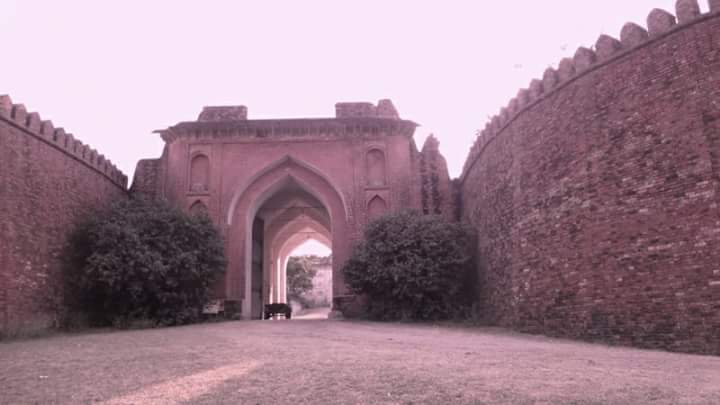
The forgotten royal estates of India are often better described as underexplored. A property may be little known to international visitors while remaining central to local memory. Looking beyond the best-known palace cities brings smaller courts, regional craftsmanship and the ordinary work of maintaining old buildings into view.
“Forgotten” does not mean abandoned
A historic residence may still be occupied, used for worship, adapted for hospitality or managed as a museum. Others have restricted access or uncertain maintenance needs. None of these conditions can safely be inferred from a dramatic photograph or an old travel blog.
The most rewarding approach begins with curiosity and a specific question: what evidence survives here that is harder to see in a larger museum?
Karauli: a palace within a regional town
Rajasthan Tourism’s Karauli guide describes the City Palace’s layered development and its stonework, lattice windows and frescoes. Rather than treating the complex as a miniature version of Jaipur, look at its relationship with the surrounding town and religious landscape.
Details deserve time: a painted wall, a doorway and a view over the settlement can make a smaller visit as memorable as an itinerary of celebrated monuments. Check locally which portions are open and whether a knowledgeable guide is available.
Bundi: reading a palace through its setting
The official Bundi guide places Garh Palace among a wider group of attractions, including stepwells. This encourages a more complete reading of a royal town. Water infrastructure, streets and public buildings tell stories that palace rooms alone cannot supply.
Allow time between sites. Comparing decorative work with practical infrastructure helps reveal the many kinds of investment associated with a court and its urban setting.
Awagarh: an estate’s legacy beyond its walls
Awagarh is a reminder that a family’s historical importance need not rest solely on a palace. Its connection with educational patronage directs attention to schools, agricultural learning and institutional records. Visitors interested in the house should combine architectural curiosity with research into its wider social connections.
Private ownership also requires consideration. Ask about access before arriving, avoid entering closed compounds and do not publish directions into residential areas as though they were public attractions.
How to recognise meaningful conservation
Fresh paint is not a complete measure of care. Useful questions include whether roofs and drainage work, whether historic materials are documented, and whether skilled people are involved in repairs. Adaptive reuse can provide income, but its success should be assessed against the building’s condition and the interests of people who use it.
Photographs can contribute to a record when dates, locations and permissions are clear. They should not be used to sensationalise residents’ circumstances or make unsupported claims about decay.
Plan a slower heritage journey
Choose one regional town as a base, confirm entry arrangements and leave room for local museums or markets. Hire guides who can distinguish documented history from legend. A respectful visit can support local knowledge and small businesses without requiring a luxury stay.
Frequently asked questions
Are lesser-known estates cheaper to visit?
Not necessarily. Access, guide charges, transport and accommodation vary. Confirm costs directly rather than relying on an old price list.
Can an unused property be entered freely?
No. Historic buildings can be private, restricted or unsafe even when they appear empty.
Sources and further reading
Continue exploring royal heritage
- The Royal House of Awagarh: History, Legacy and Contributions
- Royal Architecture of Uttar Pradesh: Forts, Havelis and Palaces
- How to Experience India’s Royal Heritage Beyond Luxury Hotels
Research and reference links checked 4 November 2026. Visitor access and commercial arrangements can change; confirm with the relevant institution.
[…] India’s Forgotten Royal Estates and Heritage Properties […]