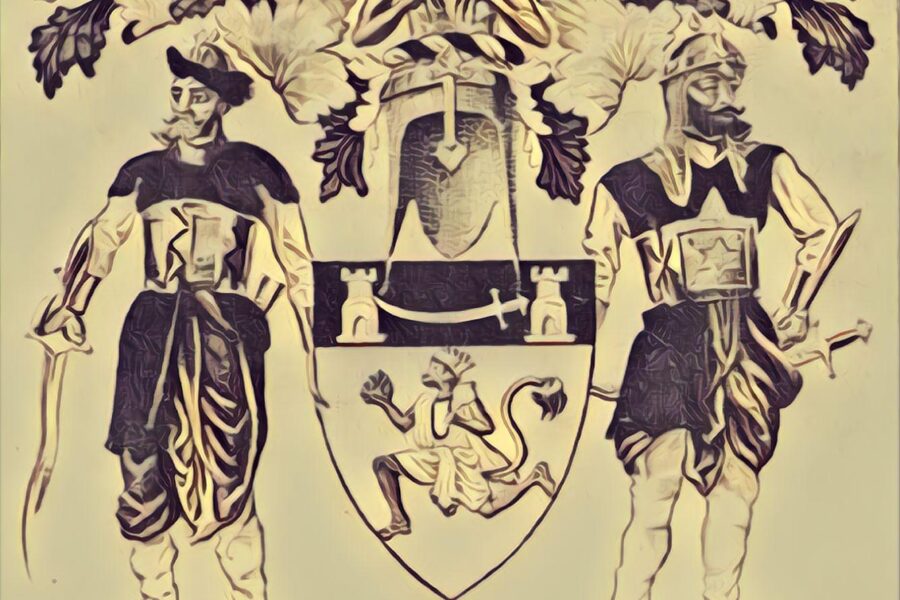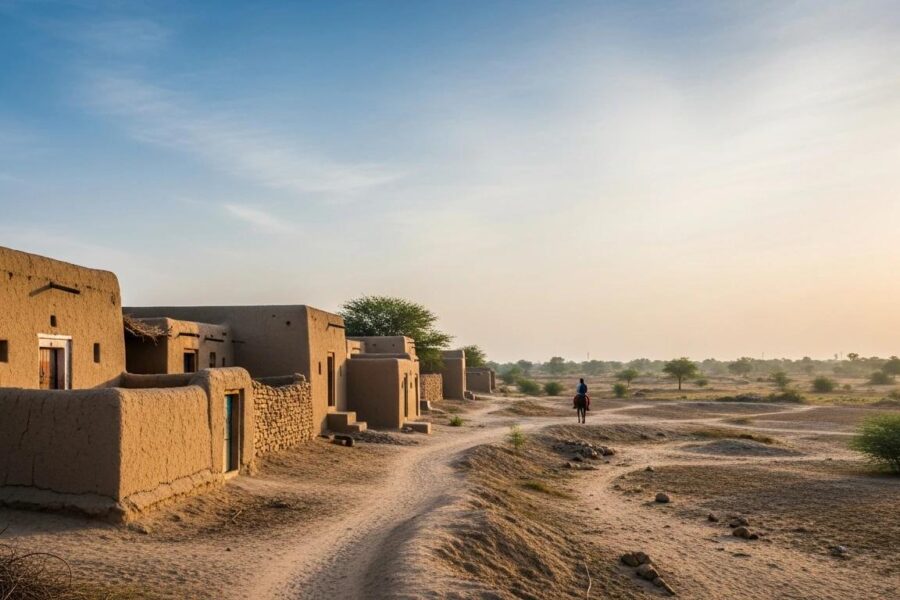
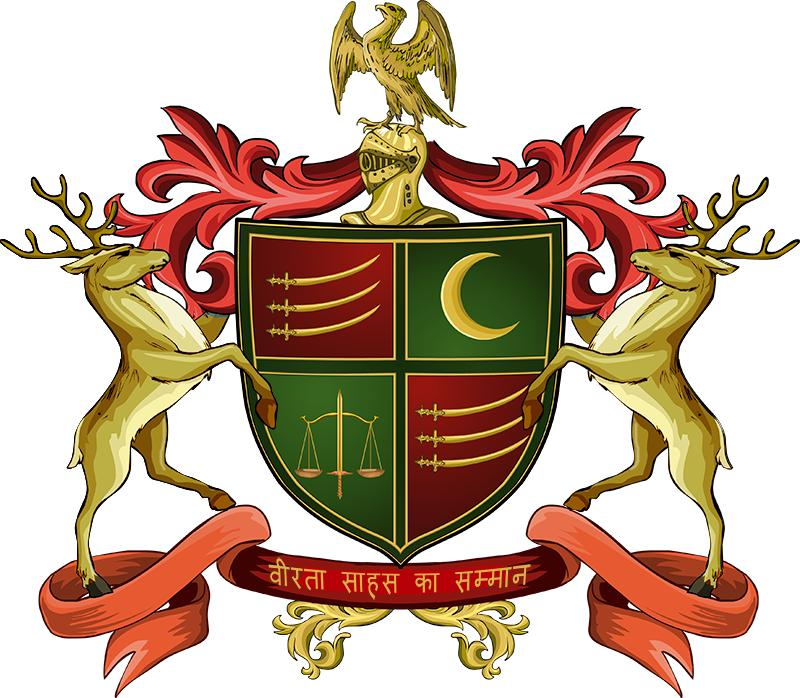
The history of Rajasthan is closely connected with its royal estates, traditional families and the legacy of Rajput rulers. Among these historic estates is Dalniya, a Tanwar Rajput thikana associated with the former Jaipur State. Its coat of arms represents an important part of the heritage and historical identity connected with this estate.
The Historical Background of Dalniya
Dalniya has an interesting history linked to the rulers of Jaipur. Historical accounts record that Dalniya and Kaladehra, consisting of twelve villages, were initially granted as a jagir to Rao Manohardas by Maharaja Sawai Jai Singh II of Jaipur. However, after the deaths of his sons, Rao Surajmal and Chiman Singh, without male heirs, the jagir returned to Jaipur.
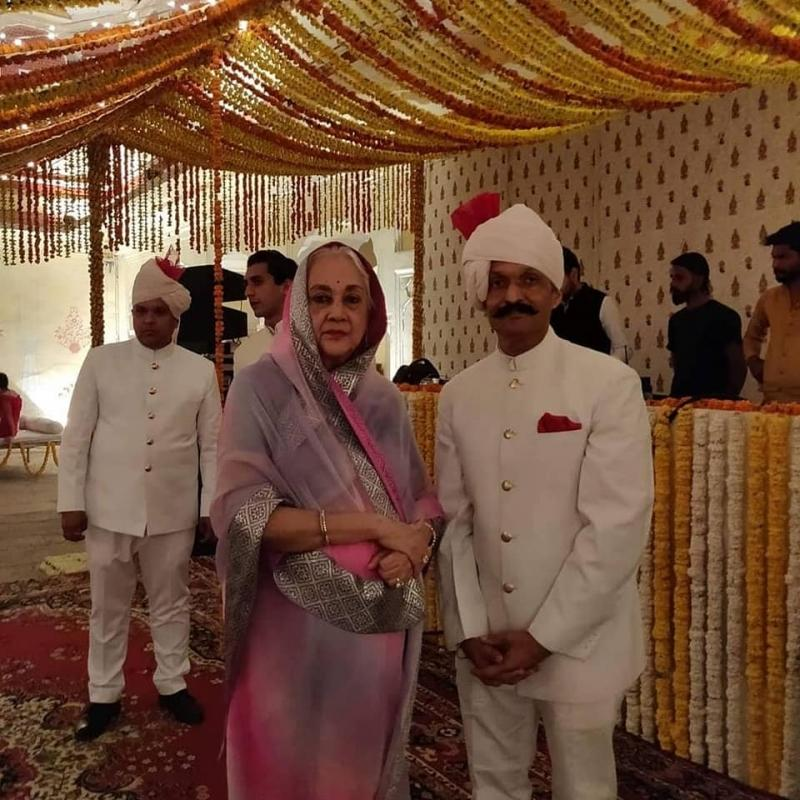
Some years later, Dalniya was granted again as a smaller thikana consisting of five villages. Raj Shri Sur Singh, a descendant of Thakur Swarup Singh of Lakhasar, became associated with this new chapter in the estate’s history. He received the title of Raj Shri and established a lasting presence for the family in the region.
The Tanwar Rajput Connection
Dalniya is associated with the Tanwar, also known as Tomar, Rajput lineage. The Tanwars have a long-standing historical presence in northern India and are traditionally connected with the Chandravanshi lineage.
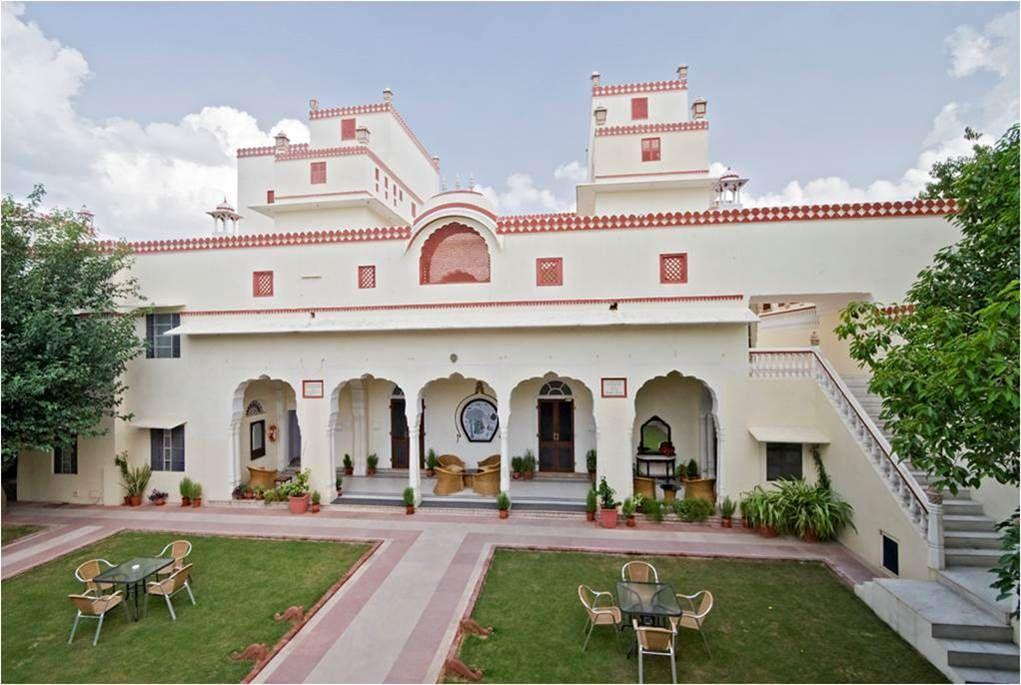
The history of Dalniya reflects the traditions of Rajput thikanas, where family heritage, land grants and relationships with larger princely states played an important role in shaping local history.
The Legacy of Raj Shri Sur Singh
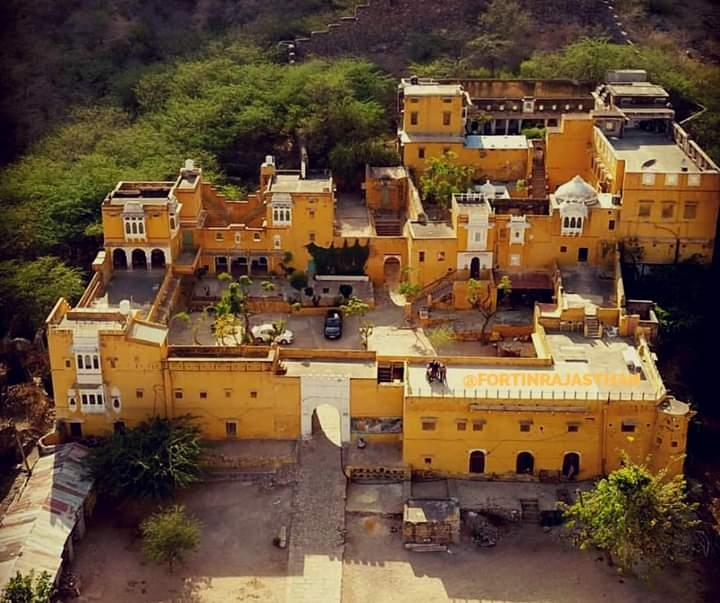
Raj Shri Sur Singh made significant contributions to the development of Dalniya. Historical family records associate him with the construction of a fort (Garh), a Hanumanji shrine, temples dedicated to Ramdevji and Gopalji, and a pond in the estate.
He also established two havelis in Kishanpol Bazaar in Jaipur. These structures reflect the importance of religious traditions, community life and traditional architecture in the history of Rajput estates.
Understanding the Coat of Arms of Dalniya
The Genealogy of the Thakurs of Lakhasar and Dalniya: Tracing a Rajput Family Legacy
The history of Rajput families is not only preserved through forts, royal estates and historical records but also through generations of family traditions. Genealogy plays an important role in understanding these connections. The family lineage associated with Lakhasar and Dalniya offers an interesting glimpse into the ancestry of the Thakurs and the historical connections between different branches of the family.
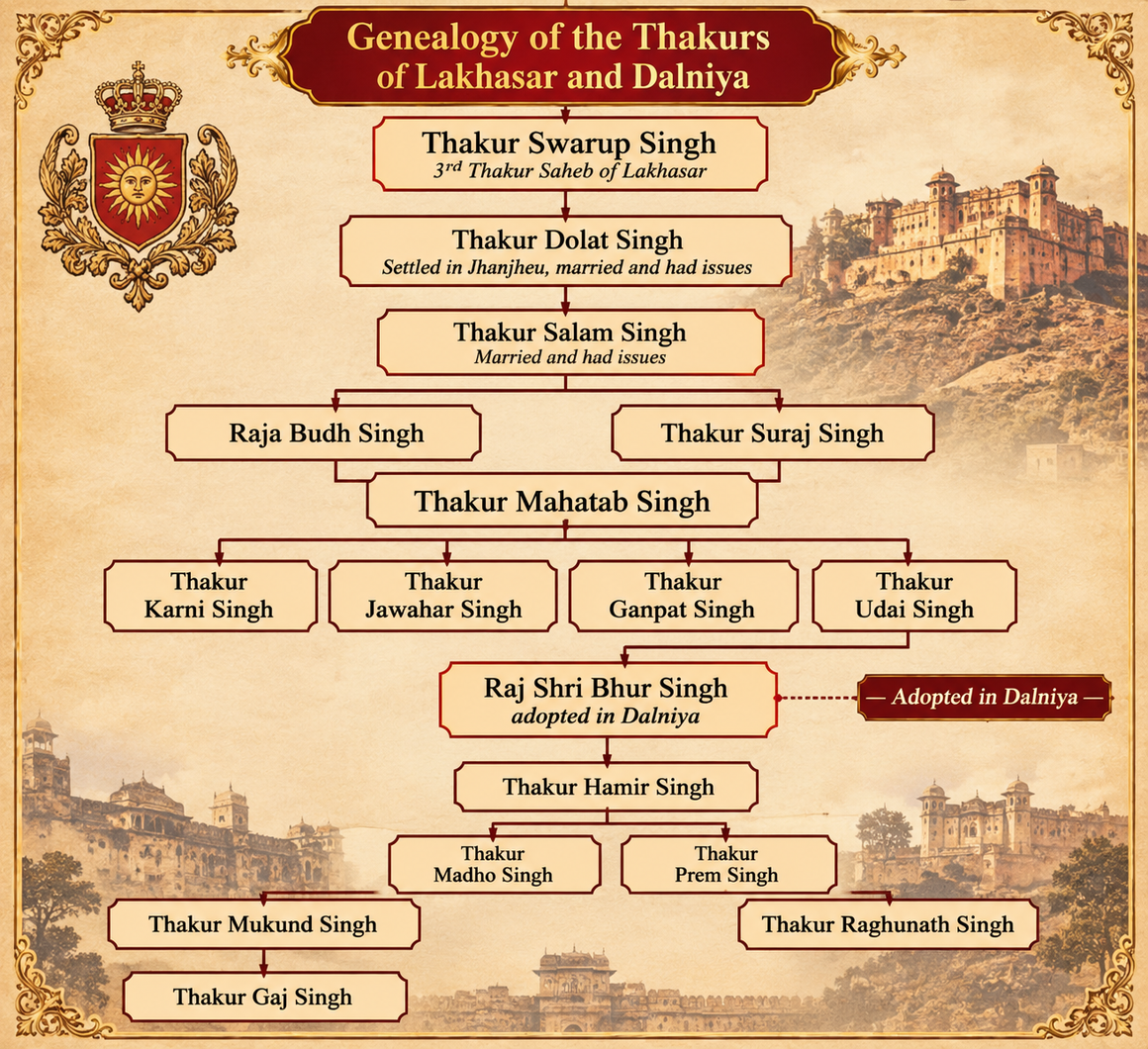
Historical family trees are valuable because they preserve names, relationships and connections that might otherwise disappear with time. They help researchers understand how different branches of a family developed and how estates and family identities became connected.
The genealogy of Lakhasar and Dalniya is an example of how a single family record can provide information about several generations. From Thakur Swarup Singh to the descendants recorded under Thakur Udai Singh, every name contributes to the larger picture of the family’s ancestry.
Preserving the Heritage of Dalniya
The story of Dalniya is an example of how smaller Rajput estates contributed to the larger historical landscape of Rajasthan. Its association with the Tanwar family, its connection with Jaipur and the contributions of its former Thakurs all form part of its historical identity.
Today, the coat of arms serves as a visual connection to this heritage. Preserving such emblems and documenting their history helps future generations understand the traditions, family identities and regional histories that shaped India’s royal past.
The legacy of Dalniya is not limited to its historical landholding. It also lives through its family traditions, religious establishments and the memories associated with its former rulers.