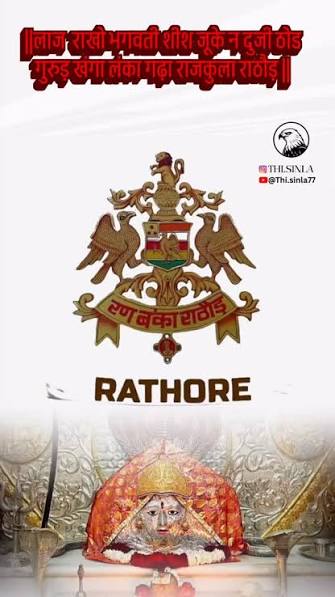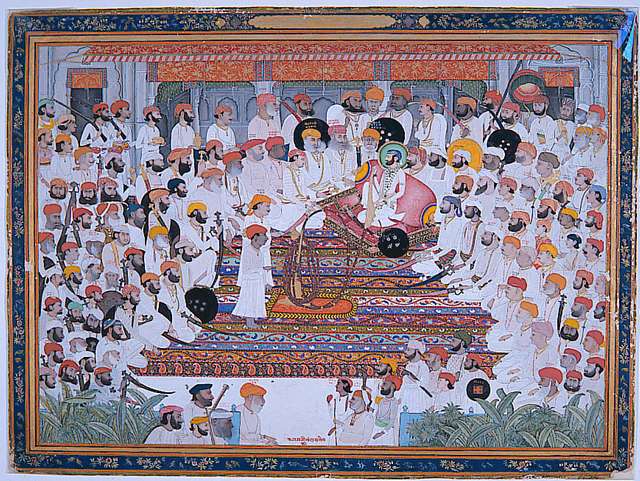
There is something special about Marwar that becomes clear as soon as you explore its history. The wide desert landscapes, old havelis, colourful markets and magnificent forts all have stories connected to the people who lived here centuries ago. Located in the western part of Rajasthan, Marwar is one of the most historically significant regions of the state. Its identity is deeply connected with the Rathore Rajputs, whose rule helped shape the region’s history, architecture and traditions.
Marwar was not built in a day. Its journey includes the rise of royal families, the establishment of new cities, battles for territory and the development of a culture that continues to attract visitors even today.
The Early Days of Marwar
Before Jodhpur became the centre of the region, Mandore played an important role in Marwar’s history. It was an old settlement with strong historical connections and later became an important seat of power for the Rathore rulers.
The Rathore presence in the region gradually grew during the medieval period. Traditional accounts trace their early history to Kannauj, while their establishment in Marwar is associated with Rao Siha, who is remembered as an early Rathore settler in the region.
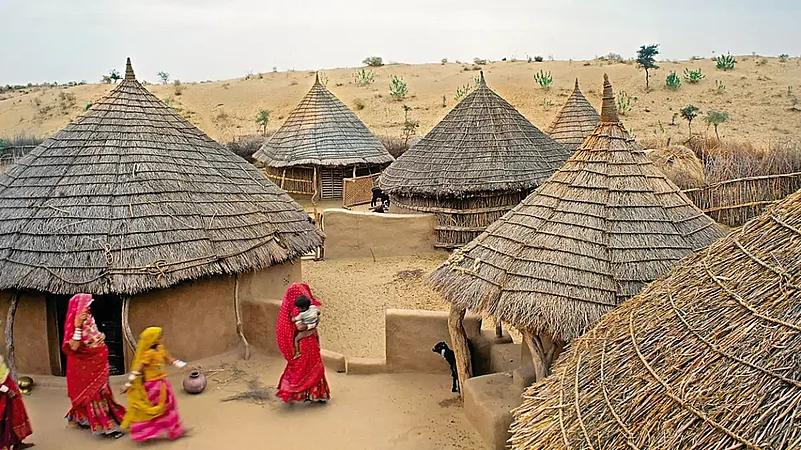
Over time, the Rathores strengthened their position and expanded their influence across the surrounding territories. The region’s dry climate and challenging landscape meant that rulers had to be careful about water, agriculture, trade and the protection of settlements.
These early developments laid the foundation for Marwar’s growth into an important Rajput kingdom.
The Foundation of Jodhpur and a New Chapter
One of the most important moments in Marwar’s history came in 1459, when Rao Jodha founded Jodhpur.
The location was strategically selected, offering a natural defensive advantage because of its rocky surroundings. The construction of Mehrangarh Fort on a high hill changed the landscape of the region and gave the Rathore kingdom a strong new centre.
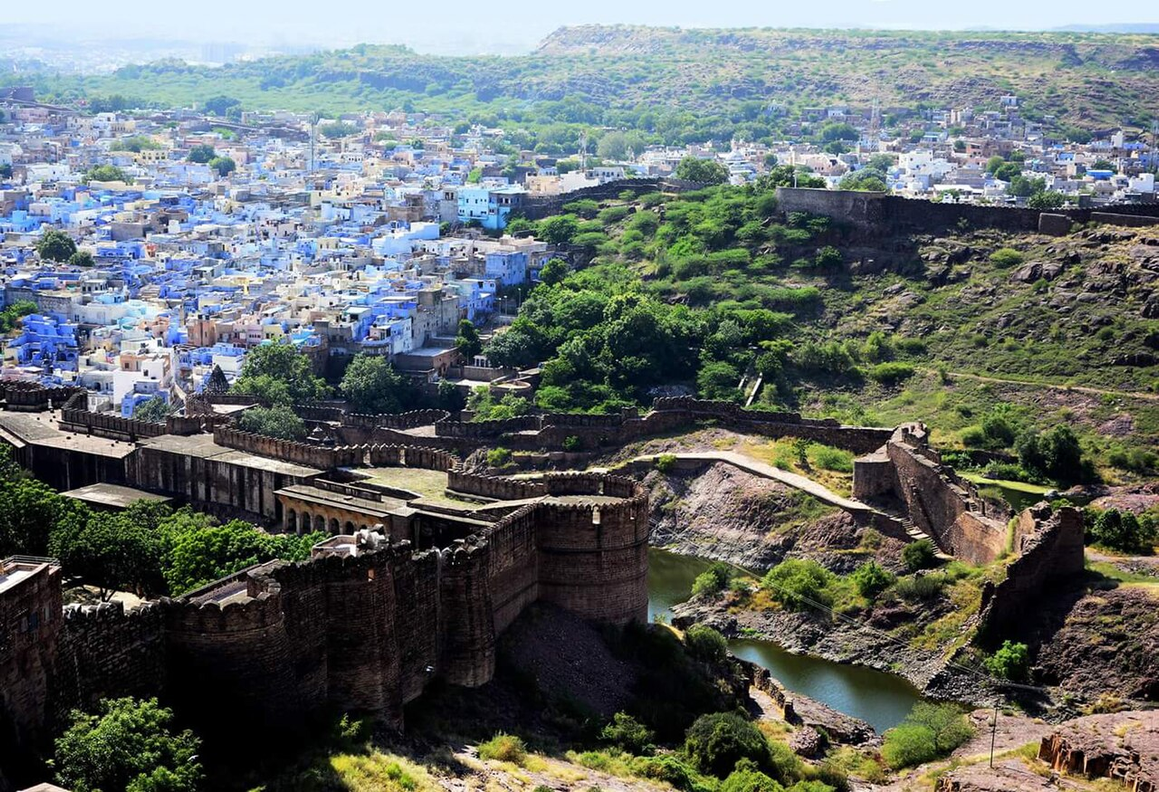
Gradually, settlements developed around the fort. The city became known for its blue-painted houses, traditional markets and distinctive architecture. Jodhpur also became an important centre for trade, connecting different parts of Rajasthan with regions further west.
Even today, the old streets surrounding Mehrangarh Fort offer a glimpse of the city’s earlier life. Walking through these neighbourhoods, visitors can see how history and everyday culture have grown together.
Marwar During the Age of Battles and Political Changes
Like many kingdoms in medieval India, Marwar experienced periods of conflict and political uncertainty. Control over land, trade routes and neighbouring territories often led to military confrontations.
The Rathore rulers had to protect their kingdom while dealing with powerful neighbouring states and the expanding Mughal Empire.
During the 16th century, Marwar became an important political force under the Rathore dynasty. The kingdom experienced territorial expansion, but maintaining its independence was not always easy.
The relationship between the Rathores and the Mughal Empire changed over time. Some rulers worked within the Mughal political system, while others resisted imperial authority. These changing relationships became an important part of Marwar’s history.
One particularly difficult period came after the death of Maharaja Jaswant Singh I in 1678. The Mughal attempt to establish direct control over Marwar created a serious challenge for the Rathore royal family. The resistance that followed became a defining chapter in the region’s history.
The Growth of Art, Architecture and Royal Traditions
Marwar’s history is not only about kingdoms and battles. Its cultural development is equally interesting.
The Rathore rulers supported the construction of palaces, temples, stepwells and other public structures. These buildings were designed to suit the region’s climate while also reflecting the artistic preferences of the royal courts.
The architecture of Marwar often features carved stone windows, large courtyards, decorated balconies and beautiful jharokhas. These details can still be admired in historic buildings throughout Jodhpur.
Painting and handicrafts also developed under royal patronage. The Marwar school of miniature painting became known for its distinctive colours, royal portraits and scenes depicting court life.
Music, folk performances and traditional storytelling remained important parts of local culture. The songs of Rajasthan often speak about love, bravery, desert life and the memories of earlier generations.
Marwar and Its Connection with Bikaner
The Rathore influence was not limited to Jodhpur. Another important chapter began when Rao Bika, son of Rao Jodha, established Bikaner in 1488.
Located in the northern part of Rajasthan, Bikaner gradually developed into an important royal centre. Its history, architecture and traditions share a connection with the wider Rathore heritage.
Junagarh Fort remains one of the finest examples of the region’s royal architecture. Its beautifully decorated palaces, courtyards and halls reflect the artistic tastes of the rulers who lived there.
The development of Bikaner also shows how different branches of the Rathore family helped shape the history of Rajasthan.
Marwar During the British Period
During the British colonial period, Marwar continued as a princely state under its ruling family. Although the political environment had changed, the royal administration remained an important part of regional life.
The 19th and early 20th centuries brought several developments in infrastructure, education, transport and public administration. New buildings and institutions appeared, while older royal structures continued to represent the region’s history.
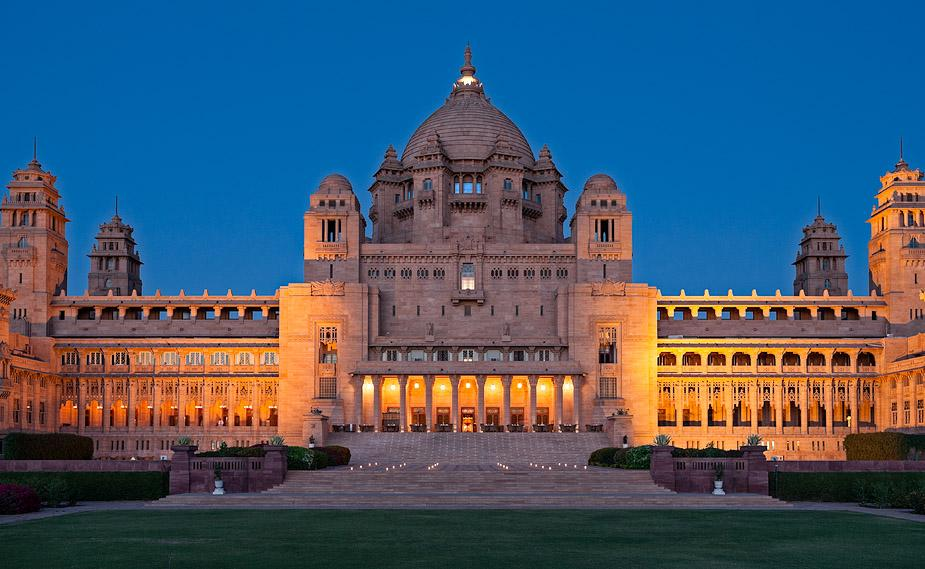
One notable landmark from this period is Umaid Bhawan Palace in Jodhpur. Construction began in 1929 during the reign of Maharaja Umaid Singh. Apart from becoming a royal residence, the project also provided employment during a period of drought and economic difficulty.
Today, the palace stands as one of the most recognisable symbols of Jodhpur’s royal heritage.
Marwar Today: A Heritage That Lives On
Modern Marwar has changed considerably, but its historical identity remains visible everywhere. Jodhpur has grown into a busy city with modern roads, educational institutions, hotels and businesses. Yet, the old city still preserves much of its traditional character.
Tourists visit Mehrangarh Fort, explore the colourful markets, admire the architecture and experience the food and hospitality of the region. Bikaner and Mandore also continue to attract people interested in Rajasthan’s history.
Traditional clothing, folk music, handicrafts and local festivals remain an important part of everyday life. These cultural practices are not simply reminders of the past; they are traditions that continue to be enjoyed and passed on.
A Journey Through Time
The story of Marwar is much larger than the history of a royal dynasty. It is about the development of cities, the survival of communities in a desert landscape and the cultural traditions that have grown over hundreds of years.
The Rathore rulers played an important role in shaping this journey, leaving behind forts, palaces and a historical legacy that continues to define the region.
Perhaps the most interesting thing about Marwar is that its history is still easy to discover. A visit to an old fort, a walk through the narrow lanes of Jodhpur or an afternoon spent exploring Mandore can bring the past closer in a way that history books sometimes cannot.
Marwar has moved through many centuries of change, yet its royal heritage and cultural character remain an essential part of Rajasthan’s identity.