
Plans for Riyasat Veethika could bring the histories of Chhattisgarh’s former princely states into a shared collection. An IRF update examines the reported proposal and the questions that remain.
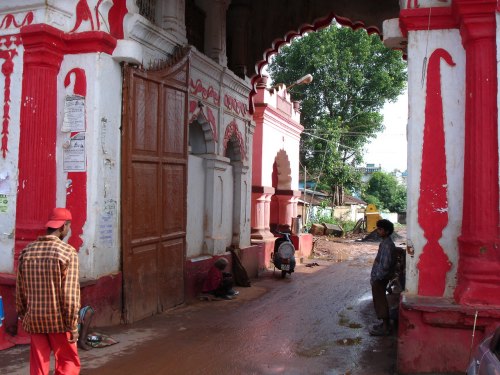

Chhattisgarh’s former princely states could gain a shared space for their histories under a proposed gallery called Riyasat Veethika. Reports published on 5 and 6 November describe a government-led initiative to document royal collections and traditions, with descendants of former ruling families invited to contribute.
The proposal’s significance lies in what a shared collection might make accessible. A family archive can contain much more than a record of succession: correspondence, photographs and everyday objects can help explain how a place changed, and how its people remember that change.
What the reports describe
The New Indian Express reports that the initiative concerns the heritage of 14 former princely states. It describes a consultation with royal-family representatives and a proposed collection spanning regalia, clothing, weapons, coins, seals and archival material. The newspaper also reports plans for an officer to coordinate documentation with the families.
Indian Masterminds published a similar account on 6 November, describing the proposed gallery and the role of family collections. The common thread is the prospect of bringing material held in different collections into a setting where it can be studied together. The available reporting does not establish a completed museum or an opening timetable.
From private memory to a public record
The cultural opportunity is to give visitors a way into histories that are often approached through individual palaces or prominent personalities. A carefully interpreted exhibition could connect objects with the places, work and communities that gave them meaning. Its value would depend as much on the quality of the documentation as on the rarity of the displays.
That makes provenance a central question. Who owns an object, how did it enter a collection, and what can its accompanying records establish? Oral histories would add another dimension, provided that memories are identified as personal testimony and distinguished from independently verified events. A family account and a dated document can illuminate one another without being treated as interchangeable.
Interpretation also offers an opportunity to look beyond courtly life. An account of royal patronage becomes richer when it includes the makers, performers and other people connected with it. How that wider history is represented will be an important question as the project develops.
A heritage proposal to follow
The gallery remains a proposed project in the reports reviewed. IRF has not independently established an opening date, a final location, an agreed loan policy or a completed inventory. Further details on these points have not been verified for this report.
The next reporting step is therefore practical: establish what has been approved, what the participating families will contribute and how the resulting archive will be available to researchers and visitors. Until then, the story is best presented as a promising heritage initiative whose development deserves close attention.
Related reading
Royal families and palaces of Chhattisgarh · Bastar’s historical and cultural legacy
Sources
The New Indian Express; Indian Masterminds. Sources checked on 6 November 2026.
Leave a Reply