
Hathwa Raj Royal Family: A Legacy of Power and Heritage
Introduction
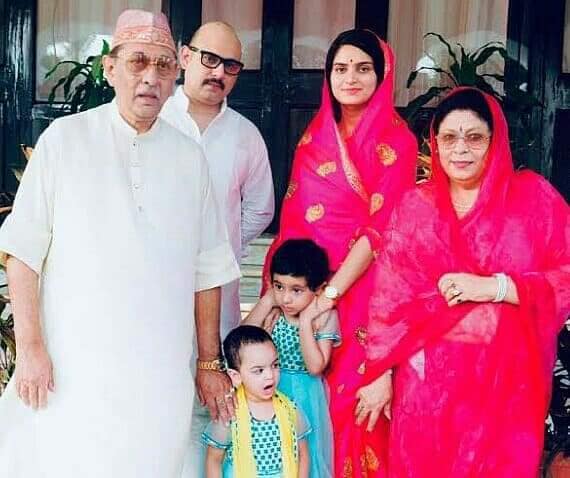
The Hathwa Raj Royal Family holds a prestigious place in Indian history, particularly in the state of Bihar. As one of the most powerful Zamindari dynasties, the family played a crucial role in shaping the socio-political landscape of the region. With a lineage dating back centuries, the Hathwa Raj has been known for its vast landholdings, patronage of arts and culture, and political influence during British rule in India.
This article delves into the history, heritage, and contributions of the Hathwa Raj Royal Family, tracing their journey from feudal lords to modern influencers.
Historical Background of Hathwa Raj
Hathwa Raj was a prominent Zamindari estate in the Saran Division of Bihar, primarily covering the modern-day Gopalganj and Siwan districts. The family’s origins can be traced back to the Chero Dynasty, which was once a dominant power in the region.
Foundation and Early History
- The Hathwa Raj was established as a powerful zamindari estate under the Bhumihar Brahmins, a dominant landowning caste in Bihar.
- Moreover, the ruling lineage is said to have descended from the Chero Kings, who once ruled parts of present-day Uttar Pradesh, Bihar, and Jharkhand.
- Over time, the estate expanded its influence during the Mughal era, with the ruling family gaining administrative control over vast lands.
Rise to Power During British Rule
- With the decline of the Mughals and the rise of British colonial rule, the Hathwa Raj aligned with the British East India Company.
- Consequently, they were recognized as major landlords (zamindars) and given administrative rights over large tracts of land in northwestern Bihar.
- Furthermore, the British conferred titles and privileges upon the Hathwa rulers, further strengthening their influence.
Key Rulers and Contributions
The Hathwa Raj family had several notable rulers who played significant roles in regional governance and cultural development.
Maharaja Krishna Pratap Sahi
- One of the most influential rulers of Hathwa Raj.
- In addition, he worked towards modernizing the estate and supporting local governance.
- Most importantly, he played an important role in education and infrastructure development.
Maharaja Bhagwati Saran Singh
- A progressive ruler who focused on improving agriculture and local administration.
- Similarly, he was instrumental in constructing several temples, palaces, and public welfare buildings in Bihar.
- Additionally, he actively participated in regional politics and had close ties with British officials.
The Architectural Marvels of Hathwa Raj
The Hathwa Royal Family built several magnificent palaces and temples that stand as reminders of their grandeur and artistic patronage.
Hathwa Raj Palace
- The Hathwa Raj Palace, located in Gopalganj, is a stunning architectural marvel that once served as the seat of power for the royal family.
- Notably, the palace reflects a fusion of Mughal and European architectural styles, with intricately designed courtyards, domes, and grand halls.
Temples and Religious Patronage
- The rulers of Hathwa Raj were great patrons of Hindu temples and religious institutions.
- As a result, they funded the construction of several temples dedicated to Lord Shiva, Vishnu, and Durga in Bihar.
- In particular, the family played a significant role in promoting Hindu festivals and rituals.
Influence on Culture, Arts, and Education
Apart from their political and administrative roles, the Hathwa Raj rulers were known for their patronage of literature, arts, and education.
Support for Art and Music
- The royal court was a hub for classical music and dance, attracting renowned artists from across India.
- Likewise, the family encouraged folk traditions and regional crafts, ensuring the preservation of Bihar’s rich cultural heritage.
Contribution to Education
- Several educational institutions in Bihar owe their existence to the generosity of the Hathwa rulers.
- Moreover, they established schools and colleges to promote education among the local population, especially for the underprivileged.
Decline of Hathwa Raj and the Abolition of Zamindari System
The downfall of the Hathwa Raj began with the introduction of the Zamindari Abolition Act in 1950, which led to the decline of princely estates across India.
Factors Leading to Decline
- The abolition of the zamindari system under independent India stripped the family of their vast landholdings.
- Additionally, economic changes and land reforms further reduced their wealth and influence.
- Despite this decline, the family continues to hold symbolic importance and is regarded with great respect in Bihar.
Present-Day Legacy of Hathwa Raj
Even though the Hathwa Raj no longer holds the political and economic dominance it once did, its cultural and historical legacy remains strong.
Current Status of the Royal Family
- Members of the Hathwa Royal Family have ventured into business, politics, and social work.
- Furthermore, the family still maintains Hathwa Palace, which serves as a reminder of their glorious past.
- Above all, they continue to be revered by the people of Bihar for their historical contributions.
Tourism and Heritage Conservation
- The Hathwa Raj Palace and temples attract history enthusiasts and tourists interested in Bihar’s royal heritage.
- Additionally, efforts are being made to restore and preserve the architectural marvels associated with the royal family.
Conclusion
The Hathwa Raj Royal Family remains a significant chapter in the history of Bihar, symbolizing power, prestige, and heritage. From their dominance as zamindars to their contributions in culture, education, and architecture, the family played a crucial role in shaping the region. Even though their political influence has waned, their legacy continues to inspire historians, researchers, and heritage lovers. The grandeur of the Hathwa Raj Palace, the artistic excellence of their temples, and their role in shaping Bihar’s history ensure that the legacy of Hathwa Raj will never fade away.
Leave a Reply