
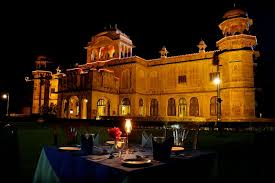
Lalgarh Palace, Bikaner: A Majestic Heritage of Rajasthan

Introduction
Lalgarh Palace, located in the vibrant city of Bikaner, Rajasthan, stands as a testament to the region’s rich history and architectural brilliance. Built in the early 20th century, this regal palace blends Indo-Saracenic, Rajput, and Mughal influences, making it a prime attraction for tourists, history buffs, and architecture enthusiasts. Today, the palace serves as a heritage hotel and museum, allowing visitors to experience the royal grandeur of Rajasthan.
History of Lalgarh Palace
Commissioned by Maharaja Ganga Singh in 1902, Lalgarh Palace was constructed in memory of his father, Maharaja Lall Singh. British architect Sir Samuel Swinton Jacob designed this magnificent structure, incorporating European architectural styles while preserving the essence of Rajasthani craftsmanship. Consequently, the palace was built using exquisite red sandstone from the Thar Desert, adding to its regal charm.
Maharaja Ganga Singh was a visionary ruler known for his modern outlook and commitment to the welfare of his people. As a result, under his reign, Bikaner flourished, and Lalgarh Palace became a symbol of progressive leadership and cultural fusion. The palace served as the royal residence and administrative center during his rule and continues to hold historical significance.
Architectural Brilliance
Lalgarh Palace is an architectural masterpiece that seamlessly blends multiple design elements. The exterior is adorned with intricate jali (lattice) work, grand domes, and elaborate balconies, reflecting the elegance of Rajput and Mughal styles. Meanwhile, the interiors are equally captivating, featuring European influences such as fireplaces, chandeliers, and vintage furniture.
Key Highlights of the Architecture:
- Grand Facade: The palace’s striking red sandstone exterior makes it a visual delight, standing out against Bikaner’s arid landscape.
- Stunning Courtyards: Open courtyards adorned with fountains and lush gardens create a serene ambiance.
- Luxurious Interiors: The opulent halls and corridors showcase exquisite paintings, rare artifacts, and intricate woodwork.
- Library & Museums: The palace houses an extensive library and the Sri Sadul Museum, which exhibits royal memorabilia, photographs, and artifacts that offer insights into the history of Bikaner’s ruling dynasty.
Cultural & Historical Significance
Lalgarh Palace is more than just a stunning edifice; rather, it represents Bikaner’s rich heritage and royal legacy. The palace has played host to numerous dignitaries, including British officials and Indian leaders, further cementing its historical importance. Today, a part of the palace operates as the Laxmi Niwas Palace Hotel, offering guests an opportunity to experience royal hospitality.
Additionally, the Sri Sadul Museum, located within the palace, provides a glimpse into the lives of Bikaner’s erstwhile rulers. It displays personal belongings, letters, and documents that narrate the story of Rajasthan’s regal past. Therefore, the museum is a must-visit for those interested in Indian history and royal traditions.
Lalgarh Palace as a Heritage Hotel
A section of Lalgarh Palace has been converted into a luxury heritage hotel, allowing guests to immerse themselves in the grandeur of Rajasthan’s royal lifestyle. The Laxmi Niwas Palace Hotel, part of the original palace, offers a unique blend of traditional hospitality and modern amenities. Guests can enjoy:
- Royal-themed rooms and suites
- Traditional Rajasthani cuisine
- Cultural performances and folk music
- Guided tours of the palace and its surroundings
Best Time to Visit Lalgarh Palace
The ideal time to explore Lalgarh Palace is during the winter months (October to March) when the weather is pleasant and conducive for sightseeing. Since Bikaner’s summers can be extremely hot, outdoor exploration can be challenging during that season.
How to Reach Lalgarh Palace
Lalgarh Palace is well-connected by road, rail, and air.
- By Air: The nearest airport is Jodhpur Airport, approximately 250 km away.
- By Train: Bikaner Railway Station is around 3 km from the palace, offering excellent connectivity to major cities.
- By Road: Bikaner is well-linked by national highways, and buses, taxis, and private vehicles make for a comfortable journey.
Nearby Attractions
While visiting Lalgarh Palace, you can explore other popular attractions in Bikaner. For instance:
- Junagarh Fort: A well-preserved fort showcasing Rajputana architecture.
- Karni Mata Temple: Famous for its population of sacred rats.
- National Research Centre on Camels: An interesting place to learn about camel breeding and ride camels.
- Gajner Palace & Wildlife Sanctuary: A scenic getaway offering stunning views and wildlife sightings.
Conclusion
Lalgarh Palace is a splendid representation of Rajasthan’s royal heritage, offering a perfect blend of history, culture, and architectural brilliance. Whether you visit for its historical significance, stunning architecture, or the luxurious experience of staying in a heritage hotel, Palace promises an unforgettable journey into the grandeur of Bikaner’s past.
Therefore, plan your trip today and witness the magnificence of Lalgarh Palace firsthand!
Leave a Reply