Heraldic record
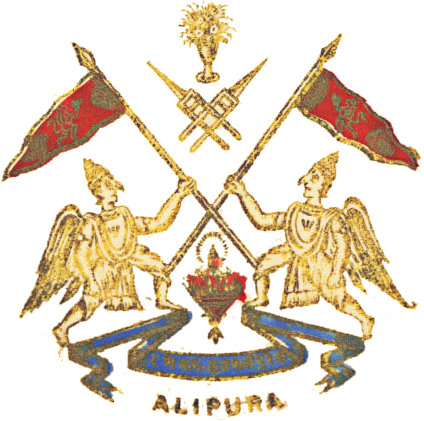
Alipura Coat of Arms
Alipura was a small Bundelkhand state in the present Chhatarpur district, ruled by a family of Parihar Rajputs.

308 published results for “British paramountcy”.
Alipura was a small Bundelkhand state in the present Chhatarpur district, ruled by a family of Parihar Rajputs.
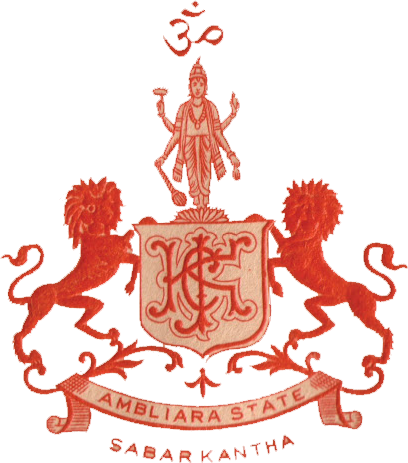
Ambliara was a small state of the Mahi Kantha Agency in northern Gujarat ruled by Chauhan Rajputs.
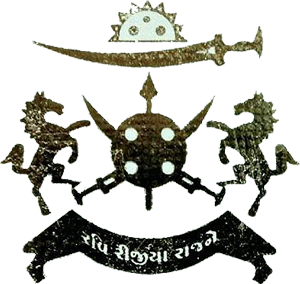
Anandpur was a small tribute-paying state of the Kathiawar peninsula, with its seat at the village now called Anandpur Bhadla in Chotila taluka of Surendranagar district, Gujarat.
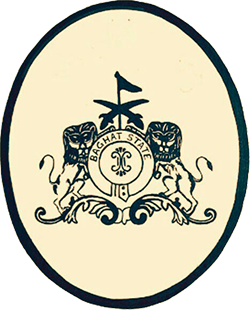
Baghat was a Simla Hill State whose capital, Solan, grew into the present district headquarters of Solan in Himachal Pradesh.
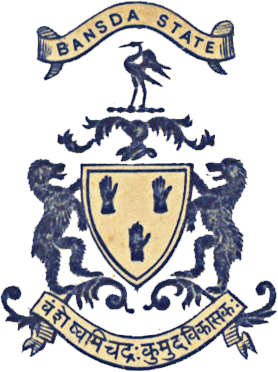
Bansda (Vansda) was a state of the Surat Agency in south Gujarat ruled by Solanki Rajputs.
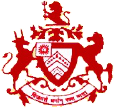
Banswara was founded in the early 16th century by Jagmal Singh, a younger son of the Rawal of Dungarpur, and remained a Guhilot-Sisodia state of the Vagad region.

Baria (Devgadh Baria) in the Rewa Kantha Agency was founded after the fall of Champaner by descendants of the Khichi Chauhan rulers of Pavagadh.
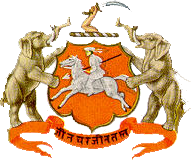
Baroda was ruled by the Gaekwad dynasty and was one of only a handful of 21-gun states.
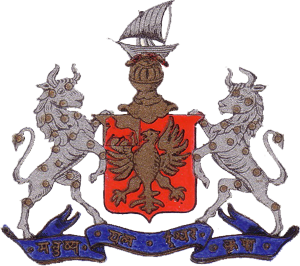
Bhavnagar was one of the leading states of the Kathiawar Agency, ruled by the Gohil Rajputs and entitled to a 13-gun salute.
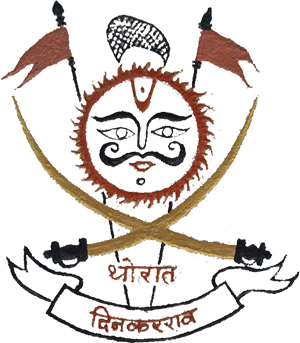
Bhoom (Bhum) is a town and taluka in Dharashiv (Osmanabad) district of the Marathwada region of Maharashtra.
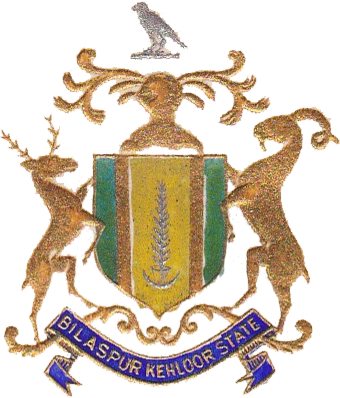
Bilaspur (Kahlur) was a Punjab Hill State ruled by a Chandel dynasty; much of its old capital now lies beneath the Gobind Sagar reservoir.
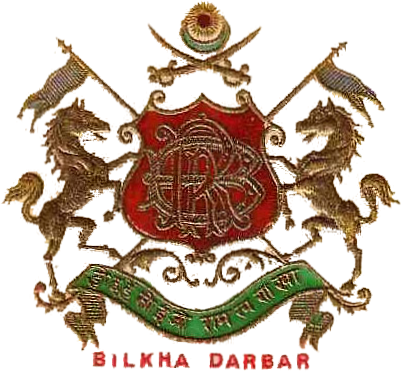
Bilkha was an estate of the Sorath region of Kathiawar near Junagadh.

Bundi, in the south-east of Rajasthan, was the senior state of the Hada Chauhans, the clan that gave its name to the region of Haravati (Hadoti).

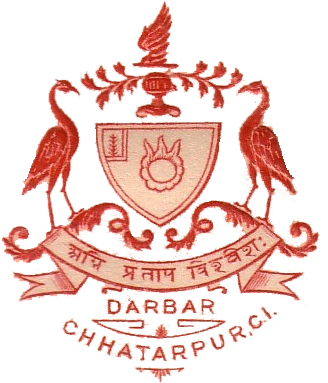
Chhatarpur, named after Maharaja Chhatrasal, was ruled from the late 18th century by a Ponwar family.
Chorangala was a small estate of the Rewa Kantha region of Gujarat.
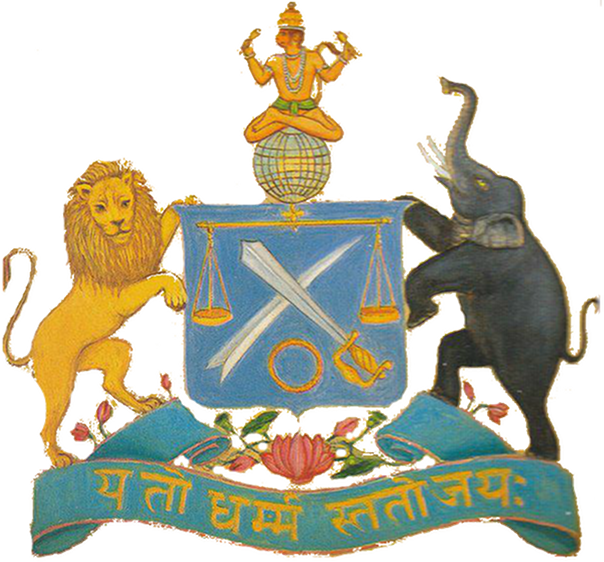
Cooch Behar was a princely state in the north of Bengal, at the foot of the Himalaya and close to Bhutan.
Dewas was divided between two branches of the Puar family; Dewas Junior was the younger branch, sharing the town of Dewas with Dewas Senior.