
Shekhawati: The Open-Air Art Gallery of Rajasthan
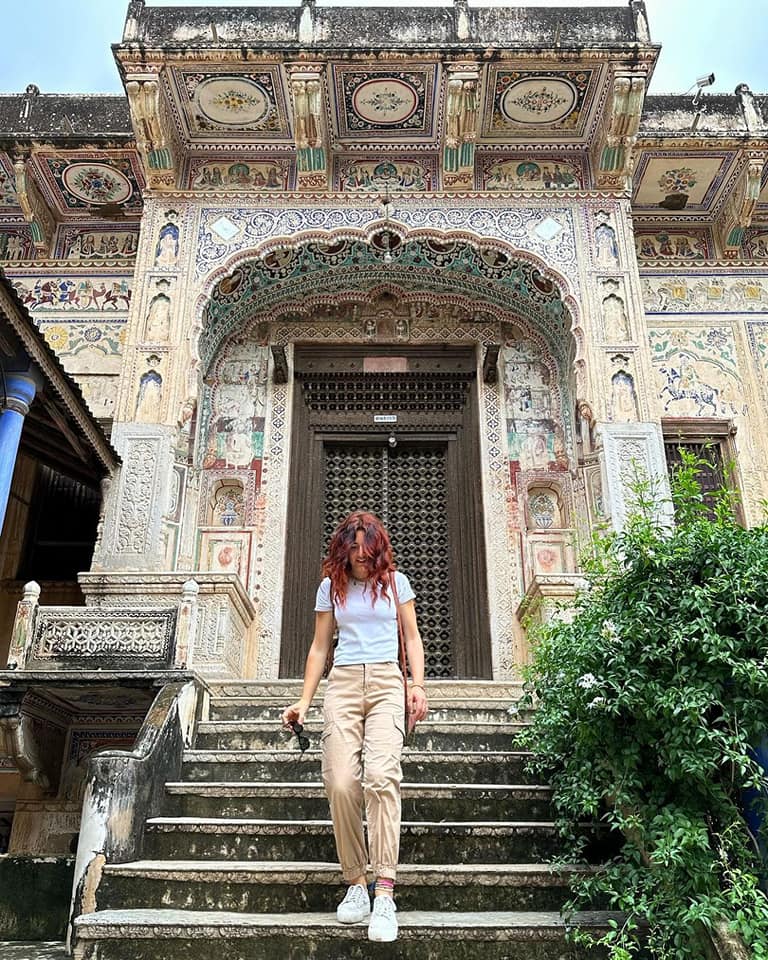
Shekhawati, a region in the northeastern part of Rajasthan, boasts magnificent havelis adorned with intricate frescoes, making it an unparalleled destination for art and history enthusiasts. Often referred to as the “open-air art gallery of Rajasthan,” Shekhawati treasures a rich cultural heritage, showcasing the grandeur of Rajput and Marwari architectural brilliance. This region includes districts such as Jhunjhunu, Sikar, and Churu, and its history dates back to the 15th century when the Shekhawat Rajputs established their rule.
Historical Significance of Shekhawati
Shekhawati derives its name from Maharaja Shekha Ji, a prominent Rajput leader who founded the Shekhawat dynasty in the 15th century. The region became an important trade hub during the 18th and 19th centuries, attracting wealthy Marwari merchants who built extravagant havelis as symbols of their prosperity. These merchants significantly shaped Shekhawati’s cultural landscape by funding temples, stepwells, and educational institutions, leaving a lasting impact on the region’s heritage.
Architectural Grandeur: The Havelis of Shekhawati
The havelis of Shekhawati exhibit a remarkable blend of Rajput and Mughal architectural styles. These grand mansions feature elaborate facades, carved wooden doors, and courtyards adorned with stunning frescoes. Some of the most famous havelis in Shekhawati include:
- Podar Haveli – Now a museum, it showcases well-preserved frescoes and artifacts depicting the region’s history.
- Murmuria Haveli – Famous for its unique frescoes that include depictions of famous personalities and contemporary events.
- Nadine Le Prince Haveli – A French artist restored this haveli, exhibiting a fusion of Indian and European artistic influences.
- Dundlod Fort and Havelis – A historical site offering a glimpse into Rajasthan’s regal past.
These havelis stand as testaments to the artistic and economic prosperity of the merchants who once controlled Shekhawati’s trade routes.
The Mesmerizing Frescoes: A Visual Delight
What sets Shekhawati apart from other heritage sites in Rajasthan is its intricate fresco paintings. These vibrant murals cover the walls and ceilings of havelis, temples, and cenotaphs, narrating tales from Hindu mythology, royal lifestyles, and historical events. The themes of these frescoes range from depictions of Krishna’s leelas, scenes from the Ramayana and Mahabharata, and British colonial influences to representations of steam engines, automobiles, and European fashion.
Cultural Heritage and Traditions
Beyond its architectural marvels, Shekhawati embraces deep-rooted Rajasthani culture. The region celebrates various festivals with grandeur, such as:
- Gangaur Festival – Devotees dedicate this festival to Goddess Parvati, marking it with processions and folk performances.
- Teej Festival – A monsoon festival celebrated with music, dance, and traditional rituals.
- Shekhawati Festival – An annual cultural fest that showcases local crafts, music, and cuisine, attracting tourists from across the world.
Shekhawati also produces traditional Bandhani (tie-dye) textiles, handcrafted pottery, and intricate jewelry, reflecting the artistic excellence of its craftsmen.
Tourism and Conservation Efforts
Despite its historical and cultural significance, Shekhawati remains relatively unexplored compared to other Rajasthani destinations like Jaipur and Udaipur. However, recent initiatives by heritage conservationists and local authorities aim to preserve its architectural splendor. Many havelis have undergone restoration and now function as heritage hotels, providing visitors with an authentic Rajasthani experience.
Some of the best ways to explore Shekhawati include:
- Heritage Walks – Guided tours that offer insights into the history and significance of Shekhawati’s havelis and frescoes.
- Camel Safaris – A unique way to explore the rural landscapes and traditional villages of the region.
- Local Cuisine Exploration – Enjoying authentic Rajasthani dishes such as dal baati churma, gatte ki sabzi, and ker sangri.
Best Time to Visit Shekhawati
The ideal time to visit Shekhawati is from October to March, when the weather remains pleasant, making it easier to explore the region’s outdoor attractions. Summers can be extremely hot, so winter months offer a comfortable travel experience.
How to Reach Shekhawati
Shekhawati connects well to major cities through road and rail networks, making travel convenient:
- By Air: Jaipur International Airport, approximately 150 km away, serves as the nearest airport.
- By Train: Jhunjhunu, Sikar, and Churu have railway stations linked to major Indian cities.
- By Road: Regular buses and taxis operate from Jaipur, Delhi, and other nearby cities.
Conclusion
Shekhawati stands as a living testament to Rajasthan’s artistic and cultural heritage. Its grand havelis, breathtaking frescoes, and rich traditions make it a must-visit destination for history buffs, art lovers, and cultural enthusiasts. As conservation efforts progress, Shekhawati continues to gain recognition as a significant historical and artistic landmark in India.
If you seek an offbeat travel experience blending history, art, and culture, Shekhawati is the perfect destination to explore and immerse yourself in Rajasthan’s royal legacy.
Leave a Reply