
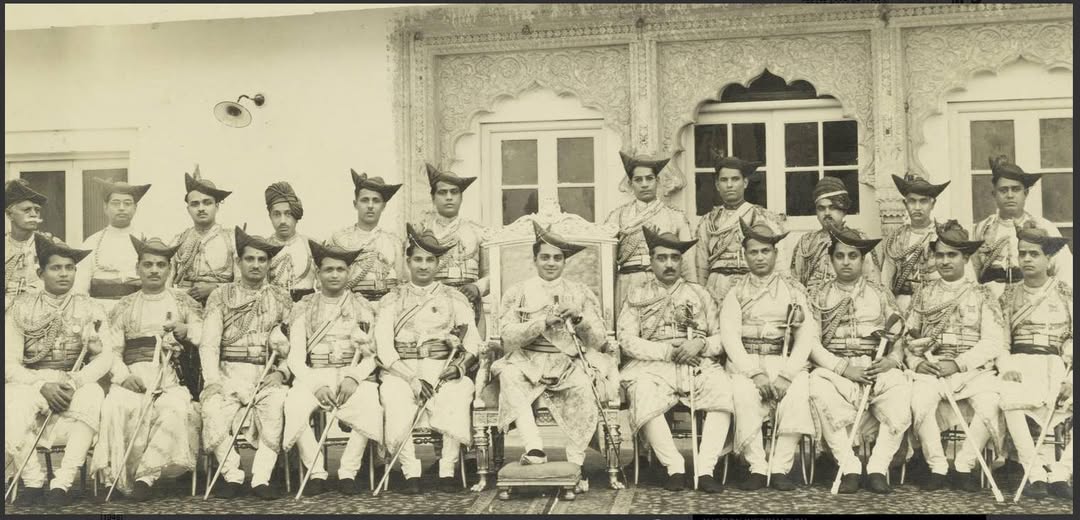
Shindeshahi Pagdi: The Royal Turban of Maharashtra
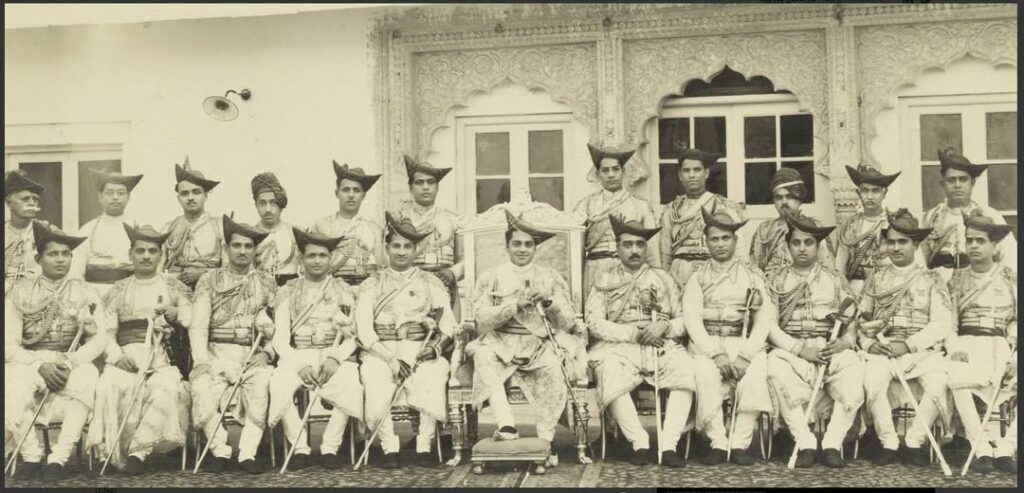
Shindeshahi Pagdi: A Symbol of Maharashtra’s Royal Legacy
The Shindeshahi Pagdi represents honor, leadership, and tradition in Maharashtra. The Shinde (Scindia) dynasty and other noble figures from the Maratha Empire proudly wore this turban as a mark of prestige. Even today, people continue to embrace it as a symbol of cultural identity, wearing it during ceremonies, festivals, and historical events.
Historical Significance
The Shindeshahi Pagdi gets its name from the Shinde (Scindia) dynasty, a powerful Maratha clan known for its military strength and political influence. More than just an accessory, this turban signified authority and respect. Kings, warriors, and dignitaries wore it during significant occasions to assert their leadership.
During the 18th and 19th centuries, legendary leaders like Mahadji Shinde and Daulat Rao Shinde made this majestic turban a defining element of their royal attire. The pagdi became a symbol of discipline, honor, and leadership, setting its wearer apart as a distinguished figure.
Design and Features of the Shindeshahi Pagdi
The Shindeshahi Pagdi stands out due to its unique structure and aesthetic appeal. Key features include:
- Rich Colors: Designers use saffron, red, and gold to represent bravery and prosperity.
- Luxurious Fabric: Craftsmen weave the pagdi from fine silk or cotton, giving it a regal look.
- Intricate Folding Style: The turban’s structured folds add elegance and power to the wearer’s appearance.
- Ornamental Additions: Many versions feature brooches, pearls, or gold linings, enhancing their grandeur.
Cultural Importance in Modern Times
Despite its historical roots, the Pagdi continues to hold immense cultural value. People wear it proudly during:
- Traditional Festivals: Celebrations like Gudi Padwa, Shiv Jayanti, and Ganesh Chaturthi showcase men donning the pagdi.
- Royal Weddings: Grooms wear the Shindeshahi Pagdi to honor their heritage and symbolize dignity.
- Political and Social Gatherings: Leaders and dignitaries use it to connect with Maharashtra’s glorious past.
- Cultural Reenactments: Historical processions, dramas, and folk events feature the pagdi as an emblem of Maratha valor.
Conclusion
The Shindeshahi Pagdi represents more than just a headpiece—it embodies tradition, courage, and identity. Worn by great Maratha leaders, it continues to inspire pride and respect across generations. Whether at festivals, weddings, or cultural events, this timeless turban reminds people of the Maratha Empire’s rich legacy.
Leave a Reply