
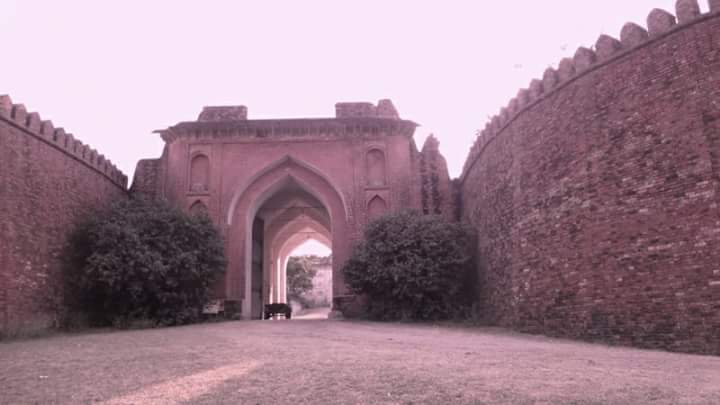
Jadaun Rajput history connects lineage traditions with the regional histories of eastern Rajasthan and western Uttar Pradesh. The name is also written Jadon, Jadoun and Jadaon. These variations matter when searching archives, but they do not make every similarly spelled name evidence of the same family history.
Lineage tradition and historical evidence
Jadaun genealogical tradition places the clan within the Yaduvanshi branch of the Chandravanshi lineage and associates it with Krishna. Such a tradition is important evidence of identity and memory. It should be described as a lineage tradition rather than as a continuously documented biological genealogy stretching into antiquity.
Historians ask a different set of questions: which people can be identified in dated records, what authority did they exercise, and how did their relationships change? Inscriptions, administrative papers and contemporary accounts help answer those questions. Oral narratives and bardic genealogies add context when their origins are explained.
Karauli in the historical record
Karauli is a central reference point. The 1915 Indian Biographical Dictionary’s entry on its Maharaja describes the ruler as head of the Jadon Rajputs and records a claim of descent from Krishna. Its wording is significant: the source records a claim, rather than independently proving ancient ancestry.
The same entry belongs to a colonial world of treaties, honours and recognised rulers. It can illuminate how a court was represented in that period, but it should be read with awareness of the political values and official hierarchies of its time.
Architecture as another kind of source
Rajasthan Tourism links Karauli’s City Palace with successive building phases. Architectural layers help resist the temptation to assign a whole complex to one moment. A later painted interior, an earlier gateway and a repaired wall can each belong to a different chapter.
To study them well, record the location of an inscription or image, retain the full photograph and note when it was taken. A detail removed from its setting can easily be misidentified.
Awagarh and regional family histories
Awagarh is associated with the Jadaun tradition in western Uttar Pradesh. Secondary genealogical compilations, including Royal Archives, provide leads for further study. For the family’s later history, institutional evidence about educational patronage can be more readily checked than long, unreferenced succession lists.
A clan history and an estate history are not identical. Families sharing a lineage identity may have different local beginnings, property histories and political relationships. Their individual records deserve separate investigation.
How to begin your own research
- Search variant spellings alongside a place and a personal name.
- Separate a document’s original date from the date of its modern transcription.
- Record adoptions, marriages and succession as distinct events.
- Keep conflicting dates visible until stronger evidence resolves them.
Frequently asked questions
Are Jadaun and Jadon different names?
They are commonly encountered spelling variants in this historical context. A particular person’s identity should still be established from place, date and family records.
Can every clan tradition be treated as a verified chronology?
No. Traditions deserve accurate presentation, while chronological claims require evidence appropriate to their period.
Sources and further reading
Continue exploring royal heritage
- The Royal Families of Uttar Pradesh: A History of Its Princely Houses
- The Royal House of Awagarh: History, Legacy and Contributions
- The Royal Contribution to Education in Colonial India
Research and reference links checked 4 November 2026. Visitor access and commercial arrangements can change; confirm with the relevant institution.
[…] The History of the Jadaun Rajputs […]