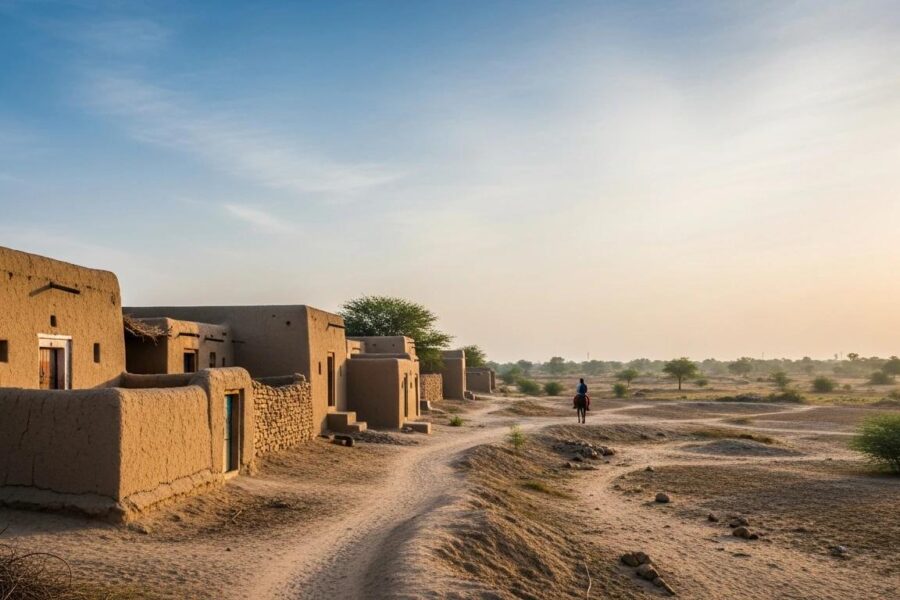
When we talk about the royal history of Rajasthan, the Rathore Rajputs are among the names that deserve special attention. Their story is closely connected with the rise of Marwar, the historic city of Jodhpur and the royal traditions that have been preserved in Rajasthan for generations.
The Rathores are known for their strong connection with their land, their royal traditions and their contribution to the history of western India. Their influence can still be felt in the old forts, beautiful palaces and cultural practices that make Rajasthan so special.
How Did the Rathore Rajputs Begin?
The origins of the Rathore community are connected with several traditional genealogies and historical accounts. They are traditionally regarded as part of the Suryavanshi Rajput lineage. Historical traditions also associate their earlier ancestry with Kannauj in present-day Uttar Pradesh.
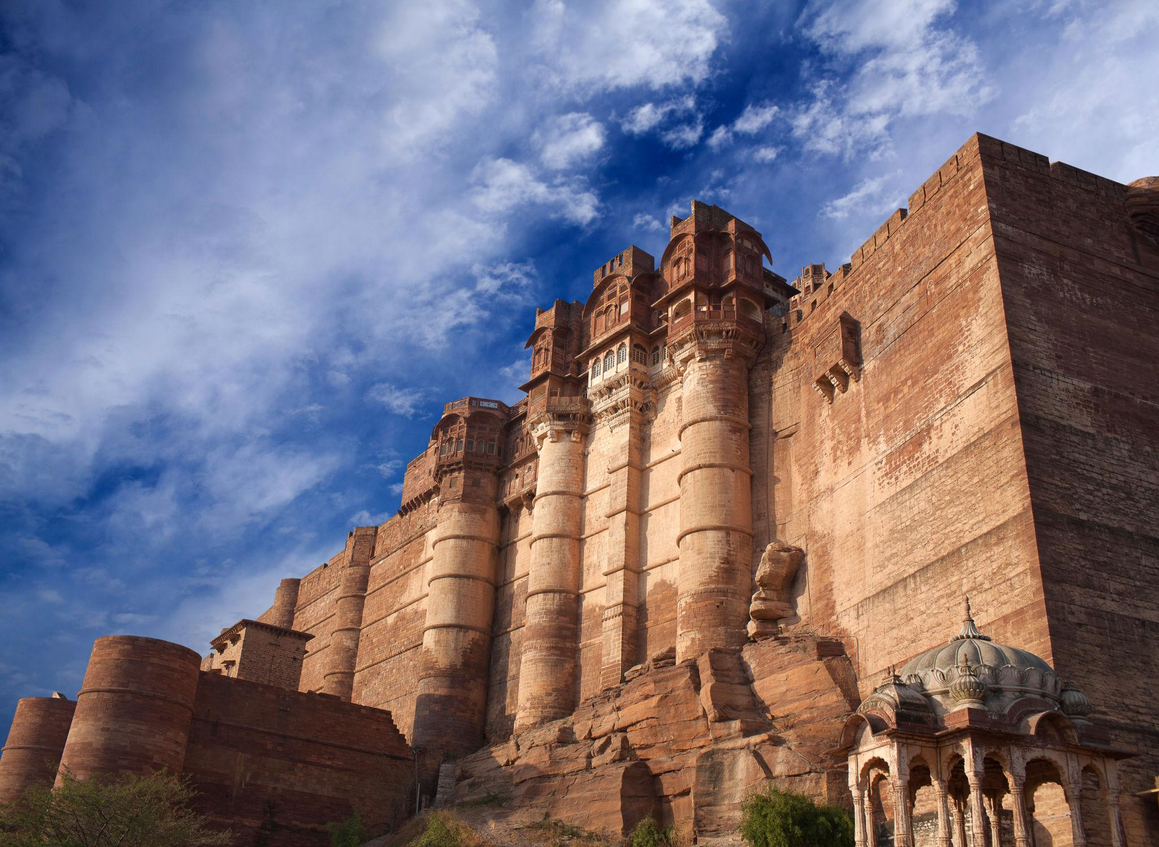
Over time, Rathore families moved towards the western parts of Rajasthan, where they gradually established their power. Pali became one of their early centres, and their influence slowly spread across the Marwar region.
As their kingdom developed, the Rathores established important political centres and built a strong presence in Rajasthan. Their history is particularly associated with Marwar, although different branches of the dynasty also established themselves in other regions, including Bikaner.
The Connection Between Rathores and Marwar
Marwar holds a special place in Rathore history. The region, with Jodhpur at its centre, became one of the most important Rajput kingdoms in Rajasthan.
Jodhpur is often called the Blue City because of the blue-painted houses surrounding its historic old town. Beyond its appearance, the city carries a deep royal history. Its streets, traditional markets and magnificent buildings still reflect the influence of its former rulers.
The Rathore connection with Marwar was not limited to royal administration. Over the years, their traditions became closely connected with the local culture, festivals, architecture and everyday life of the region.
Forts and Palaces That Tell Their Story
One of the best ways to understand the Rathore heritage is to visit the historic places associated with their kingdom. These structures are more than tourist attractions; they offer a glimpse into how royal families lived and how their kingdoms developed.
Mehrangarh Fort, Jodhpur
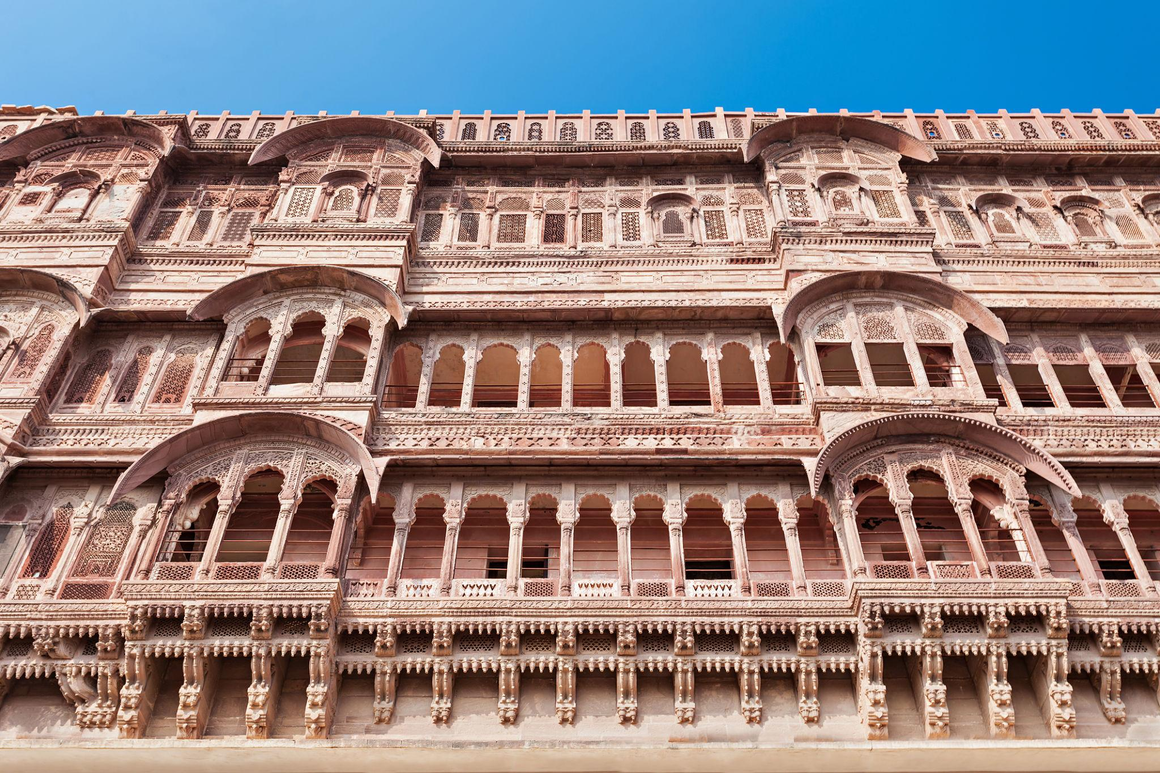
Rising high above the city of Jodhpur, Mehrangarh Fort is one of the most impressive forts in Rajasthan. Its massive walls, grand entrances and beautifully decorated rooms make it a remarkable example of Rajput architecture. Walking through the fort gives visitors a sense of the royal life and history associated with Marwar.
Junagarh Fort, Bikaner
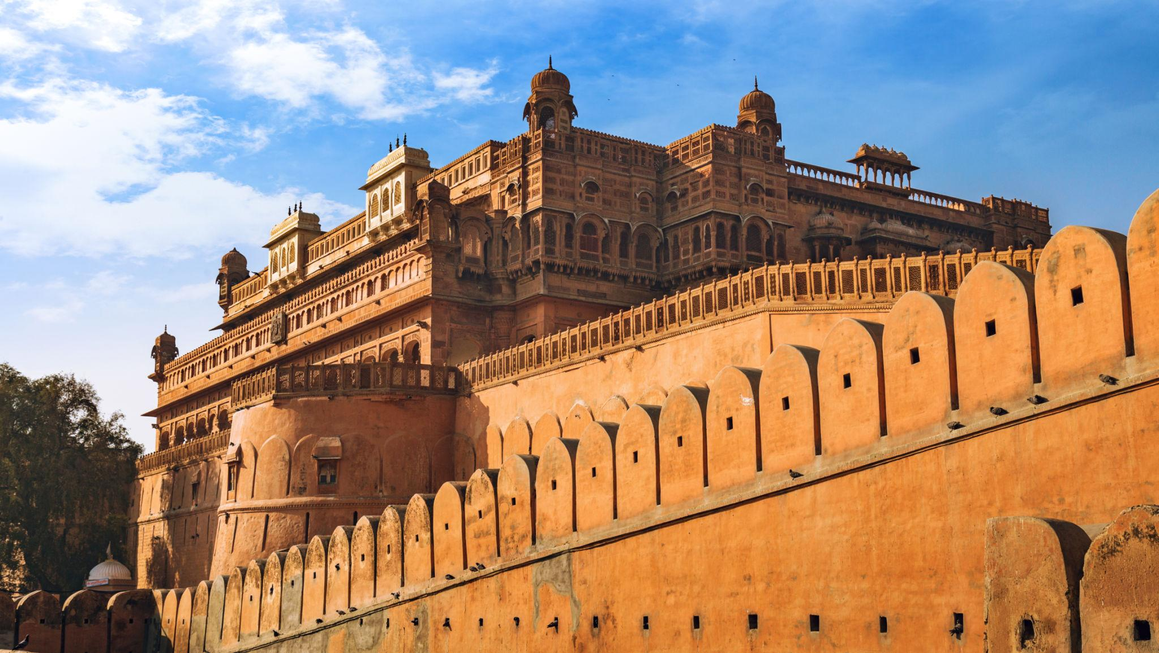
Junagarh Fort is another important landmark connected with the Rathore royal heritage. Unlike many forts built on hilltops, it stands on the plains of Bikaner. Its beautifully designed palaces, balconies and courtyards display a combination of Rajput and Mughal architectural influences.
Mandore Gardens, Jodhpur
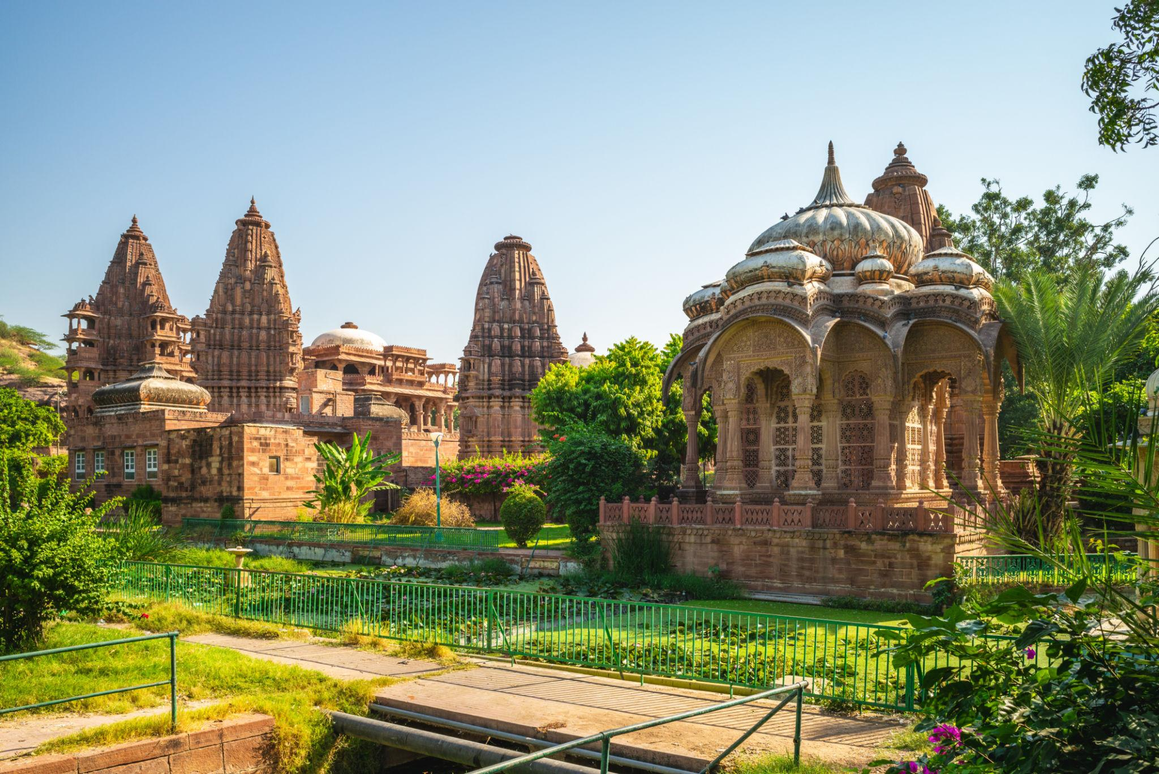
Before Jodhpur became the main royal centre, Mandore played an important role in the history of Marwar. Today, Mandore Gardens is known for its old temples, memorials and distinctive cenotaphs. It is a peaceful place where visitors can explore the region’s historical past.
Rathore Influence on Art and Culture
The history of the Rathores is also a story of art, architecture and cultural development. Royal patronage helped traditional artists, craftsmen and musicians find support and recognition.
Rajasthani miniature paintings, decorative architecture, traditional jewellery and local handicrafts reflect the artistic richness that developed across the region.
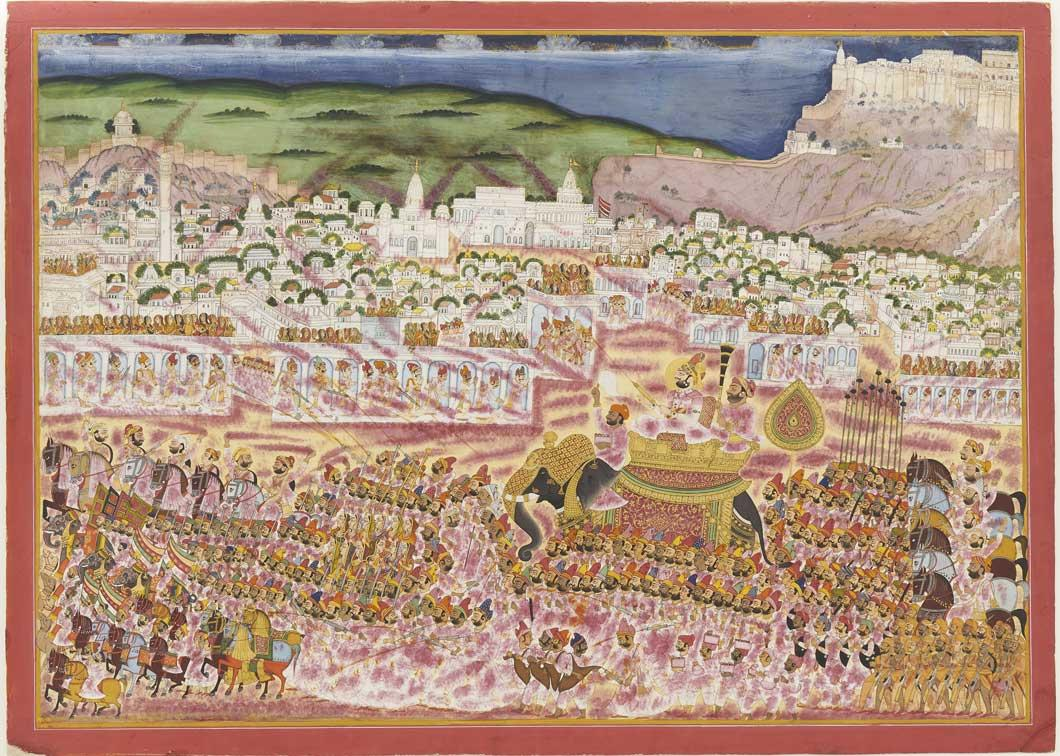
The royal traditions of Marwar and Bikaner also influenced local celebrations, clothing, food and folk music. Even today, festivals and cultural events in Rajasthan carry elements of these long-standing traditions.
Rathore Heritage in Modern Rajasthan
Although the royal era has passed, the Rathore name continues to be associated with Rajasthan’s historical identity. The forts and palaces that once represented royal authority now welcome visitors from different parts of the world.
For people interested in history, exploring Jodhpur and Bikaner offers an opportunity to understand the region beyond its popular tourist image. Every old street, palace and monument has something to say about the people and traditions that shaped it.
The story of the Rathore Rajputs is ultimately a part of Rajasthan’s larger history. Their connection with Marwar, their architectural contributions and the traditions they helped preserve continue to make their heritage an interesting subject for anyone curious about India’s royal past.